

The Beaches runs along Lake Ontario's north shore from Woodbine Avenue east to Victoria Park, with a kilometre-long boardwalk that is the primary reason buyers choose it over every other east-end option. Detached homes start at $1.5 million at the low end and reach $2.5 to $4 million on the well-positioned streets closest to the lake. Queen Street East is the commercial spine: strongly independent in character, with fewer chain businesses than almost any comparable Toronto strip.
The Beaches runs along Lake Ontario from Woodbine Avenue eastward to Victoria Park, with Queen Street East as its commercial spine and the boardwalk as its reason for existing. It’s the only established residential neighbourhood in Toronto that gives you a genuine sandy beach within walking distance of your front door, and that fact shapes everything about who lives here and what they pay. The lake isn’t decoration. On a July morning, people are swimming. On a January afternoon with the ice piled on the shore, people are still walking the boardwalk.
The housing sits on the streets running north from the lake to Queen Street and for several blocks beyond. Between the boardwalk and Queen, the streets are short and often tree-lined: Pine, Beech, Willow, and Balsam are the addresses people name when they say they want to live as close to the water as possible. North of Queen, the character is quieter and more varied, with larger lots on some streets and a mix of housing ages that gives buyers a wider range of price points.
Queen Street East through The Beaches is notably local in character. The strip between Woodbine and Victoria Park has independent cafes, small restaurants, boutiques, and service businesses that have run for years. The chain presence is lower than on most Toronto commercial streets of comparable traffic, which is partly the result of commercial rents that haven’t yet attracted the national tenants and partly the result of a customer base that actively prefers the local character and shops accordingly.
The Beaches is overwhelmingly a detached house market. Semis exist on the streets north of Queen, and there are some lowrise condo and stacked townhouse buildings at the neighbourhood’s western and northern edges, but buyers looking at the core of the neighbourhood are looking at detached homes on lots that run wider than the east-end average. The housing mix is broader than Riverdale: there are Arts and Crafts homes from the 1910s and 1920s, Edwardian and late Victorian construction, post-war bungalows, and some 1960s-era detached that reflect different development phases as the neighbourhood expanded eastward.
Prices start at around $1.5 million for a detached home at the entry level, which at that price point typically means a post-war bungalow north of Queen in need of updating or a smaller Arts and Crafts home in the eastern part of the neighbourhood near Balmy Beach. The median for a solid three-bedroom detached in reasonable condition sits somewhere between $1.8 and $2.3 million. Well-positioned homes on Pine, Beech, or Willow Avenue, south of Queen and close to the boardwalk, trade between $2.5 and $4 million. The lake premium is real and consistent across all market conditions: properties within a five-minute walk of the boardwalk hold their value relative to comparable properties further north more reliably than almost any other locational premium in the city.
Condo product in the neighbourhood is limited and relatively niche. There are a small number of purpose-built apartment buildings and converted lowrises near Queen and Woodbine that provide a lower entry point. Buyers specifically looking for a condo in this neighbourhood will find limited selection compared to the freehold market, and should expect to move quickly when something suitable comes up.
The Beaches freehold market is deep and steady. The lake-adjacent streets have a buyer pool that remains competitive in conditions that slow other parts of the 416, because the supply of homes within walking distance of the boardwalk is genuinely constrained and buyers who want that specific quality of life don’t have many substitutes. Well-positioned properties south of Queen, priced accurately, attract multiple offers in any spring market regardless of what the broader Toronto market is doing.
North of Queen, the market is more responsive to general conditions. Properties that lack the lake-proximity premium behave more like the broader east-end freehold market: competitive in spring and early fall, slower in winter, with days on market that reflect the specific condition and pricing of each property rather than a fixed neighbourhood premium. Buyers working north of Queen in The Beaches have more time and negotiating room than buyers targeting the south-of-Queen streets, particularly in the second half of any given year.
The 501 Queen streetcar’s transit limitation affects pricing in a structural way at the neighbourhood’s eastern end. Properties near Victoria Park, with a longer transit ride to downtown, trade at a modest discount to equivalent properties near Woodbine, all else being equal. Buyers who are price-sensitive within the neighbourhood and who are comfortable with a slightly longer transit ride often find better value in the Balmy Beach and eastern Kew Gardens area than in the western Beaches near Woodbine.
The buyers who end up in The Beaches have usually been thinking about it for some time and have made a deliberate trade: they’re accepting a longer transit commute to downtown in exchange for the lake, the boardwalk, and a neighbourhood character that feels different from the denser inner east end. Most have ruled out Riverdale on one of two grounds: they want the water and a proper beach, or they want more house on a wider lot. Riverdale offers better transit and comparable architecture but no lake. The Beaches offers the lake at the cost of the subway.
Families with children are the dominant buyer profile. The boardwalk and the beach parks provide outdoor space at a scale that most Toronto neighbourhoods can’t match, Kew Gardens is a real park in addition to the beach, and the neighbourhood’s relative quiet north of Queen gives children the kind of street environment that’s increasingly rare in inner-city areas. The schools that serve the neighbourhood, particularly Kew Beach and Bowmore Road, are regarded well by parents who’ve been through them.
Buyers trading up from Leslieville form another consistent segment. They know the east end well, they’ve watched The Beaches hold its value through multiple market cycles, and when their budget reaches the point where the entry-level Beaches detached is attainable, the neighbourhood’s character is often the thing they’ve been working toward. The move from a $1.3 million Leslieville semi to a $1.7 million Beaches detached is a step up in both price and quality of life that a specific kind of east-end buyer is willing to make.
The proximity to the lake has a specific implication for basements in The Beaches: groundwater levels are higher here than in most inner-city neighbourhoods, and basement flooding is a genuine historical issue on certain streets and in certain years. City of Toronto stormwater records show repeated basement flooding events in the Beaches area through the 2010s and into the 2020s during heavy rain events. Ask any seller directly whether the basement has flooded, request disclosure, and check the city’s flood risk mapping for the specific address. A sump pump installation with a battery backup is standard in well-maintained Beaches properties; its absence in a listing should prompt questions.
Post-war bungalows, which represent a meaningful share of the entry-level inventory in the neighbourhood, often have original plumbing, electrical, and insulation. These properties are frequently purchased for their lot and position rather than the existing structure. Buyers purchasing a post-war bungalow should budget for a major renovation or replacement rather than cosmetic updating, and should have the purchase price reflect what the lot and location are worth rather than what the building adds. A structural engineer and a thorough inspection are worthwhile on any bungalow in this range.
Parking is less of a constraint here than in the denser Victorian semis of Riverdale or Trinity Bellwoods. Most detached homes in The Beaches have a garage or a laneway parking pad, and the streets north of Queen generally have wider lots with more practical access. Buyers should still confirm parking at the specific property: some of the streets closest to the boardwalk have narrow lots with limited rear access, and the premium for those locations is about the walk to the water, not the practicality of the site.
Sellers in The Beaches benefit from one of the most consistent demand stories in the east end. The lake premium doesn’t evaporate in soft markets the way premiums based purely on proximity to a commercial strip or transit node can. Buyers who have specifically decided they want to live near the water don’t redirect their search to Riverdale when the market softens; they wait or adjust expectations on other criteria. That depth of committed buyers is what makes well-positioned Beaches properties resilient.
Preparation is important in a neighbourhood where buyers are spending at the higher end of their budgets. Cosmetic condition matters: a clean, well-presented property at $2 million competes differently than one that signals deferred maintenance at the same price. Pre-listing inspection reports, basement waterproofing documentation, and records of any major repairs carry more weight here than in markets where buyers expect to do significant work. Sellers of lake-adjacent properties on the premium streets should expect competitive conditions in spring and don’t need to over-invest in staging; the location sells itself to buyers who have already decided they want to be here.
The seasonal pattern in The Beaches is more pronounced than in some other neighbourhoods. Summer listings face competition from buyers who have already committed to their search earlier in the year, and some families who want to be settled before the school year resist purchasing after June. The spring window from February through May is the strongest selling period. October is the second window. Sellers who miss the spring window and list in July or August can still sell, but they’re working with a buyer pool that has already made decisions elsewhere.
The boardwalk runs along the Lake Ontario shoreline for approximately three kilometres through the neighbourhood, from the eastern edge of Woodbine Beach to the Balmy Beach Club at the eastern end. It’s a flat, continuous pedestrian and cycling path separated from the beach by the grass embankment and from the street by the parks that line the waterfront: Woodbine Beach park, Kew Beach, and Balmy Beach park each occupying their own stretch. The path is wide enough that morning runners, dog walkers, and cyclists coexist without conflict, which is not always true of Toronto’s waterfront paths further west.
Kew Gardens sits just north of the boardwalk at the centre of the neighbourhood and functions as a proper park with mature trees, a bandshell, a wading pool, and regular programming. The Beaches Jazz Festival has used Kew Gardens as its primary outdoor venue for years and draws large crowds each summer. A farmers market runs in Kew Gardens on Saturdays through the warmer months. The park’s combination of beach adjacency and programmed community space gives it a character that goes beyond a neighbourhood green: people come from outside the area for events, which means Kew Gardens functions as a neighbourhood anchor and a city-level destination simultaneously.
Woodbine Beach at the western end of the neighbourhood has the largest sand beach in the area, a permanent lifeguard station, and the Martin Goodman Trail connection that links westward toward the Toronto Islands ferry and the waterfront parks of the inner harbourfront. In summer, the beach draws swimmers and volleyball players; in winter, the ice formations along the shoreline attract photographers and walkers who use the boardwalk year-round. The beach isn’t seasonal for residents in the way it might be for visitors. It’s a daily amenity that people walk to in January as readily as July, even if the activities change.
The 501 Queen streetcar is the neighbourhood’s primary transit connection to downtown. It runs along Queen Street East through the full length of the neighbourhood and continues west to the Neville Loop, connecting to the city’s downtown core. The honest assessment of this transit is that it’s slower than subway and subject to the delays that affect all surface streetcar routes on Queen Street. From the eastern end of the neighbourhood near Victoria Park, downtown can take forty-five to fifty minutes in normal conditions. Buyers who need to be at Bay Street or Union Station by 9am on a consistent basis should factor this into their daily calculations before purchasing at the eastern end of the neighbourhood.
Woodbine station on the Bloor-Danforth subway line provides subway access at the neighbourhood’s western edge. For residents in the western Beaches near Woodbine Avenue, the station is walkable, and the subway cuts transit times downtown significantly. This geographic transit gradient, with better subway access at the west and more streetcar-dependent transit to the east, contributes to the modest price differential across the neighbourhood from west to east.
Driving from The Beaches works reasonably well for travel east and for highway access via Kingston Road to the 401. Travel westward into downtown by car is slower than transit during peak hours, which is the case for most east-end neighbourhoods. The Lake Shore Boulevard route provides an alternative to Queen Street for driving westward and is often faster in off-peak periods. Many residents who work outside the downtown core, or who drive for professional reasons, regard the transit situation as straightforward and the neighbourhood’s driving access to the 401 east as a practical advantage.
Leslieville is the most natural comparison for buyers working in the east end who haven’t yet decided how much the lake matters to them. Leslieville runs 20 to 30 percent below Beaches pricing on comparable detached properties and offers better transit: the Queen streetcar is the same, but Leslieville sits closer to Broadview and Pape stations on the Bloor-Danforth line. The housing is more mixed in age and type. Buyers who haven’t made up their mind about the lake sometimes try Leslieville first and find it practical; buyers who have made up their mind about the lake don’t find Leslieville a real substitute, because Queen East without the water at the end of the street feels like a different proposition entirely.
Riverdale offers the Broadview subway, Riverdale Park, and the most architecturally consistent Victorian housing stock in the east end. Prices are broadly comparable to The Beaches in the mid-range. Buyers choosing between the two are almost always weighing transit reliability and park character at Riverdale against the lake and village feel at The Beaches. Neither neighbourhood is wrong for the buyer who fits it. The key is being honest about which daily reality matters more: the twenty-minute subway commute downtown or the five-minute walk to the boardwalk.
Upper Beaches, the area north of Kingston Road and east of Victoria Park, is sometimes considered a separate and more affordable zone for buyers priced out of the core Beaches streets. Properties there trade at a meaningful discount and lack the direct lake access, but some buyers find the neighbourhood character worth the compromise. Birchcliff and Cliffside further east provide genuine detached houses on wider lots at lower prices, but the transition east of Victoria Park is significant in neighbourhood character and buyer pool, and those areas compete more with Scarborough than with The Beaches proper.
Kew Beach Junior Public School serves the central Beaches area and is among the more sought-after elementary schools in the east end. Its catchment covers the streets around Kew Gardens, and its proximity to the park and beach gives it a quality of setting that few urban schools match. Bowmore Road Junior and Senior Public School serves the western part of the neighbourhood and has a strong reputation for both academic and arts programming. Families buying with school catchment as a factor should map their specific address against the current TDSB boundaries, as the lines between Kew Beach and Bowmore catchments shift and are not always intuitive from a street address.
Glen Ames Senior Public School provides the senior elementary option for students in the middle neighbourhood, with a catchment that covers grades 7 and 8 across parts of the eastern Beaches. Secondary school options for the neighbourhood include Malvern Collegiate Institute to the north, which draws students from the broader east end and has a well-regarded arts and academic program. Leaside High School is accessible for families in the northern edges of the neighbourhood, though it requires some transit. As with most Toronto secondary school situations, many families pursue specialized programs at schools outside their catchment, and the neighbourhood’s secondary school geography is less determinative of the secondary experience than the elementary one.
The Catholic school system offers St. Denis Catholic School for families who prefer it. Private school options near the neighbourhood include the Greenwood College School to the west on Greenwood Avenue and several preparatory schools accessible from the Woodbine area. Families with specific secondary school preferences should contact the TDSB or TCDSB directly for current catchment maps, as boundaries do change and online sources can be outdated.
What does a typical house in The Beaches cost in 2026?
The entry point for a detached home in The Beaches in early 2026 is roughly $1.5 million. At that price, you’re looking at a post-war bungalow north of Queen that likely needs updating, or a smaller Arts and Crafts home in the eastern part of the neighbourhood near Balmy Beach. A solid three-bedroom detached in reasonable condition, somewhere between Queen and Kingston Road, sits in the $1.8 to $2.3 million range. Well-positioned properties south of Queen on the boardwalk-adjacent streets, Pine, Beech, Willow, or Balsam, are priced between $2.5 and $4 million depending on size, condition, and how close to the water. The lake premium is consistent: you pay for proximity, and the market has sustained that premium through every cycle since the 1990s.
Is the flooding risk in The Beaches a serious concern?
Flooding is a real issue in parts of the neighbourhood, not an abstract one. The Beaches sits at low elevation adjacent to the lake, and heavy rain events periodically cause stormwater backup into basements on certain streets, particularly those in topographic low points between Queen and the boardwalk. The City of Toronto maintains flood risk maps and has records of insurance claims by area. Before purchasing, ask the seller directly about basement flooding history and request documentation. Check whether the property has a sump pump with battery backup, which is standard practice in any well-maintained Beaches home. The streets with historically better drainage are generally those on slightly higher ground; your agent should know the local reputation of specific streets for flooding. This isn’t a reason to avoid the neighbourhood, but it’s a factor to investigate at the property level rather than dismiss at the neighbourhood level.
How does the transit situation compare to other east-end neighbourhoods?
The Beaches has no subway station, and that’s a real practical difference from Riverdale and Leslieville. The 501 Queen streetcar is the primary connection downtown. From the western end of the neighbourhood near Woodbine, Woodbine subway station adds a subway option, but it’s at the neighbourhood’s edge rather than its centre. From the eastern Beaches near Victoria Park, downtown transit takes forty to fifty minutes in normal conditions, longer when the streetcar runs delays. Buyers who work downtown and commute by transit daily should model this specifically before purchasing. Buyers who work east of downtown, who drive, or who work from home find the transit situation a non-issue. The transit limitation is the most consistently cited trade-off relative to Riverdale, and it’s reflected in the pricing: east-end buyers who need subway access pay for it with a Riverdale purchase; buyers who don’t need it take the lake instead.
What makes the lake-adjacent streets so much more expensive?
The streets between Queen Street East and the boardwalk, primarily Pine, Beech, Willow, Balsam, and parts of Lee Avenue, are priced 15 to 25 percent above comparable streets north of Queen because they offer something the northern streets don’t: a five-minute walk to the lake, morning light off the water visible from upper-floor windows on some lots, and the daily reality of living as close to the Ontario shoreline as residential Toronto allows. The supply of homes in this zone is permanently constrained by the park and boardwalk land to the south, so nothing new gets built between Queen and the water. The premium has held consistently through market downturns because the buyers who want this specific proximity don’t have substitutes. If you want to be within a short walk of the Beaches boardwalk on a weekday morning, you’re paying for it regardless of what the broader market is doing.
The Beaches developed as a summer resort destination before it became a residential neighbourhood. In the 1880s and 1890s, the lakeshore east of the city was a strip of summer cottages, amusement parks, and hotels serving Torontonians who came by streetcar to escape the summer heat. Scarborough Beach Park, at the eastern end of what is now the neighbourhood, ran as a commercial amusement park from 1907 until it closed in 1925. Kew Gardens was established as a public park in 1879 on land donated to the city, and its bandshell and tree plantings date from that early period, giving the park a maturity that newer parkland can’t replicate.
The transition from seasonal resort to year-round neighbourhood happened through the 1910s and 1920s, as the Arts and Crafts and Edwardian homes that now define the neighbourhood’s best streets were built for middle-class families who could access downtown by the Queen streetcar year-round. The Balmy Beach Club, established in 1905, is one of the oldest continuously operating canoe and sports clubs in the country. It sits at the eastern end of the boardwalk and has been a consistent element of the neighbourhood’s eastern edge for over a century, providing a social institution that gives Balmy Beach its distinct sub-neighbourhood identity within the broader Beaches area.
The neighbourhood’s post-war period brought a second phase of development, with bungalows filling in the northern streets between Queen and Kingston Road through the 1950s and 1960s. These properties are now the source of the neighbourhood’s most significant renovation and replacement activity: post-war bungalows on reasonably sized lots, purchased for the land, demolished or extensively rebuilt. The current housing mix, from Edwardian Arts and Crafts on the southern streets to post-war bungalows north of Queen, is a direct record of these two development waves.
Queen Street East through The Beaches runs for roughly three kilometres from Woodbine Avenue to Victoria Park and carries a commercial character unlike most Toronto main streets of comparable traffic. The absence of major chain retail through much of the strip is genuine and has persisted through real estate cycles that typically force out independents in favour of national tenants. Independent cafes, bookshops, small clothing and homeware retailers, and neighbourhood restaurants have held the street at a density that makes it function as a real neighbourhood main street rather than a chain-heavy corridor.
The cafes at the Kew Gardens end of the strip, near Lee Avenue and Kenilworth, are the social centre of the neighbourhood in the morning hours. On weekend mornings in particular, the section of Queen between Woodbine and Kew Gardens develops the kind of foot traffic that reflects an unusually high proportion of local pedestrians rather than pass-through visitors. People walk to Queen Street East from surrounding streets because they live there, not primarily because they’ve come from elsewhere, and that gives the strip a different atmosphere from Queen West or Ossington, where destination traffic shapes the experience.
The commercial strip does thin toward the eastern Victoria Park end, with some retail gaps and less consistent activity than the Kew Gardens and Woodbine stretches. Buyers considering properties in the eastern Beaches near Balmy Beach will find the immediate Queen Street commercial options quieter, with the Woodbine end of the strip a longer walk. That’s a trade-off that some buyers accept in exchange for slightly lower prices and the specific appeal of the Balmy Beach pocket; others find it a practical inconvenience on daily errands. Either way, it’s worth walking the specific stretch of Queen nearest to a property under consideration before deciding how much it matters.
Balmy Beach occupies the eastern end of The Beaches neighbourhood, running from roughly Beech Avenue eastward to the Balmy Beach Club and the edge at Leuty Avenue. It’s the quietest and most residential section of the neighbourhood: the lake is present and the boardwalk runs through it, but the commercial activity of the Woodbine and Kew sections is a longer walk, and the streets have a stillness during weekday hours that the central Beaches streets don’t quite share. Buyers who find the activity around Kew Gardens and the Woodbine commercial end too much tend to gravitate toward Balmy Beach.
The Balmy Beach Club at the eastern end of the boardwalk has been at this address since 1905 and remains an active canoe, rowing, and social club. Its presence gives the eastern end of the neighbourhood a physical anchor and a historical continuity that contributes to the sub-neighbourhood’s identity. Membership is open to residents, and the club’s facilities, including boathouse, docks, and outdoor patio, add a recreational option specific to this part of the Beaches that the central and western sections don’t have.
Beyond Leuty Avenue and the Balmy Beach Club, the neighbourhood transitions quickly. Victoria Park Avenue is the traditional boundary, and east of it the character shifts toward the Upper Beaches and then into Birchcliff and Cliffside. Buyers who explore east of Victoria Park in search of better value will find it, but they’ll also find a neighbourhood with a different buyer pool and a different resale market. The boundary isn’t just administrative: it reflects a genuine change in what the street-level experience feels like, and buyers who have specifically decided they want The Beaches should confirm their shortlisted properties are west of Victoria Park before investing in due diligence.
Street-level knowledge is hard to find online. Our team works in The Beaches (The Beach) every day. They know which pockets hold value, where the school catchment lines actually fall, and what the market is doing right now. Talk to us before you make a decision about The Beaches (The Beach).
Talk to a local agent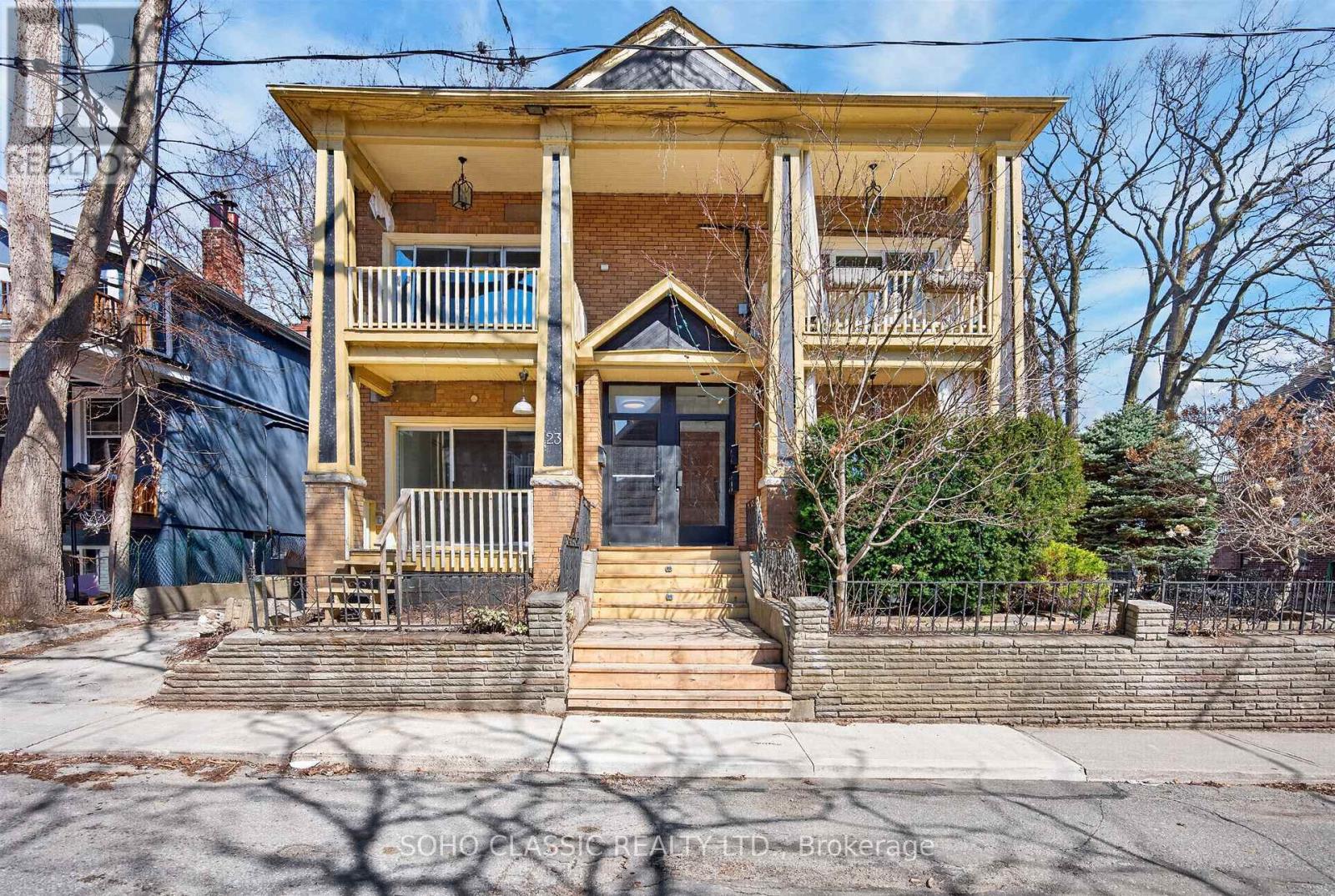 For Rent
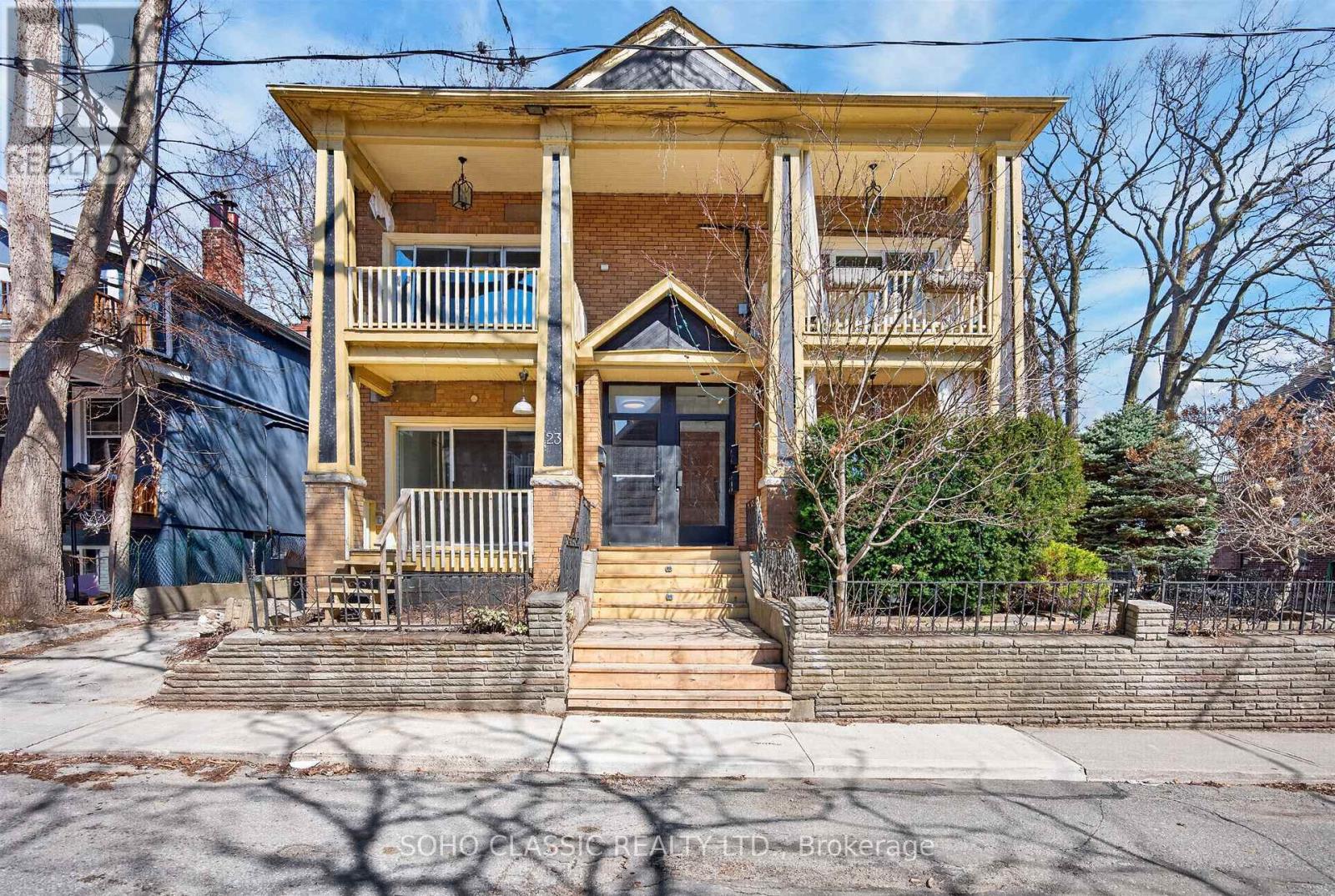 For Rent
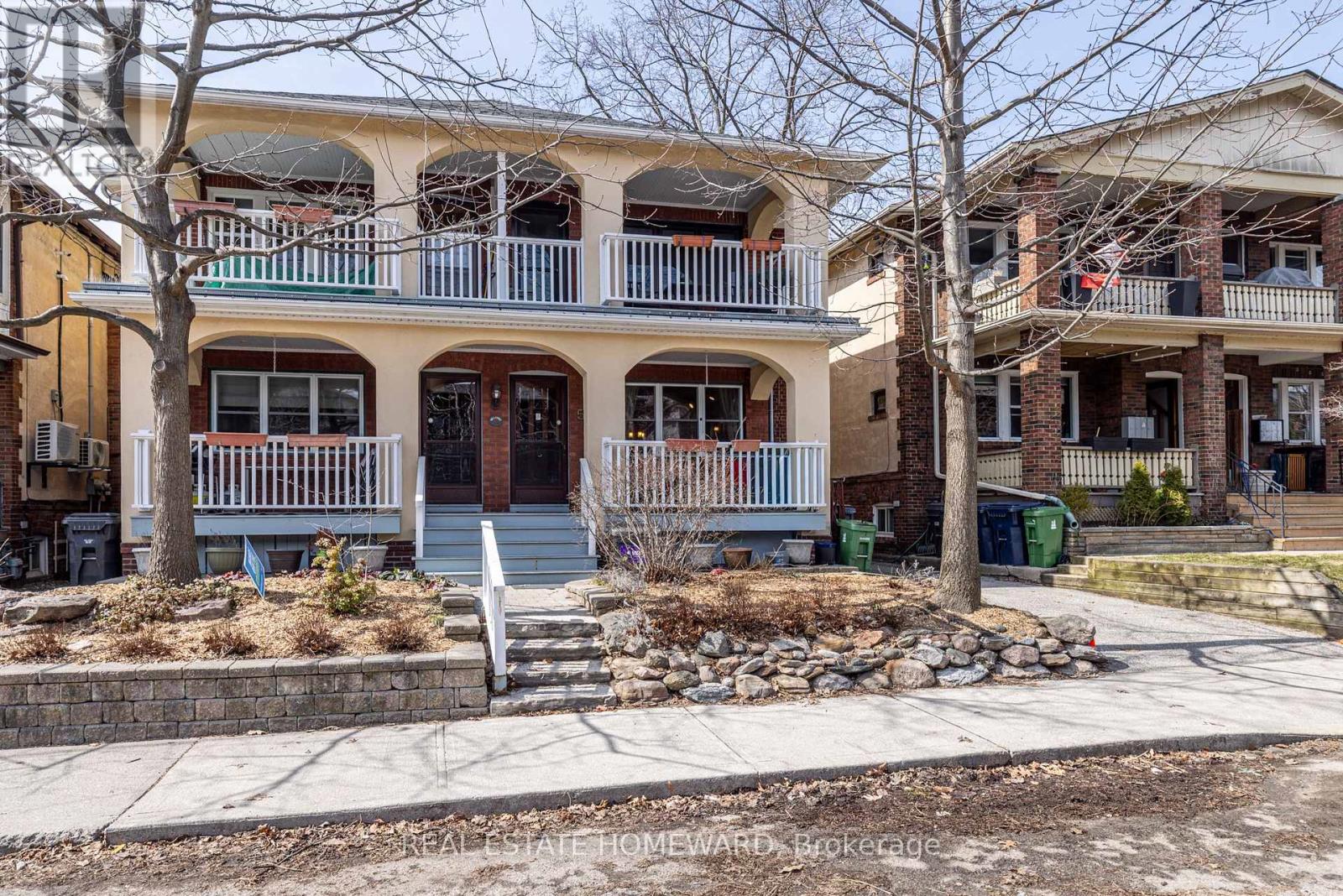 For Sale
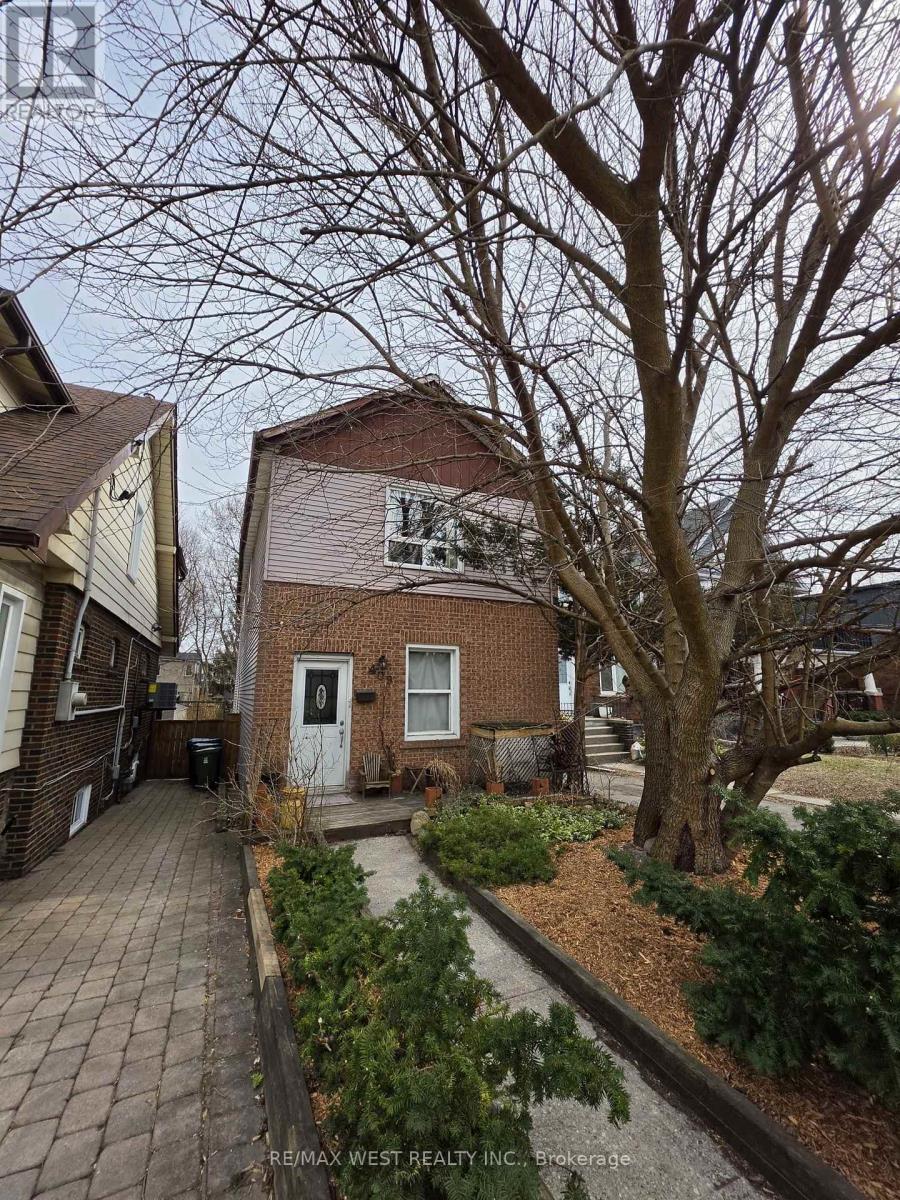 For Sale