
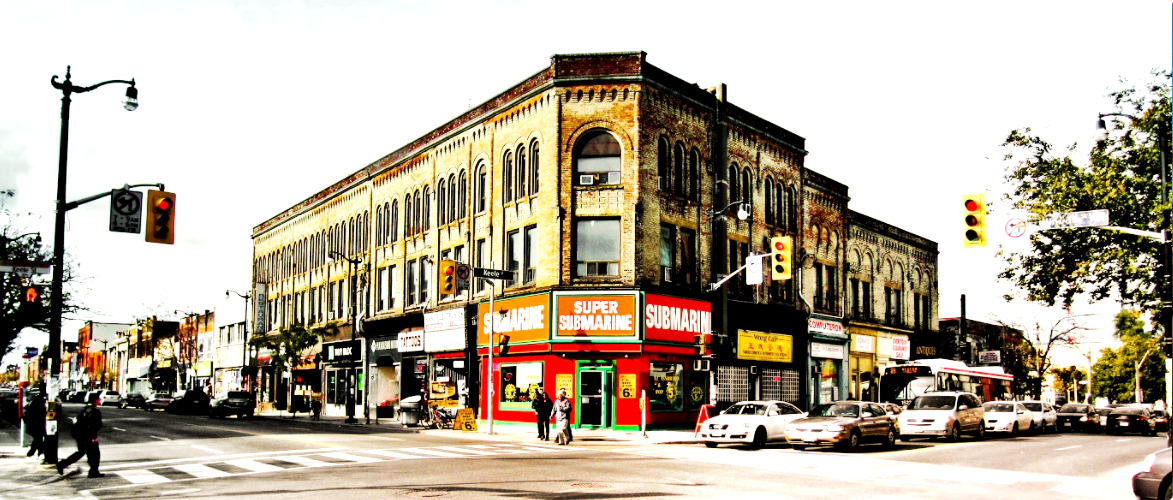
The Junction is a west-end neighbourhood built around a commercial strip that only started serving alcohol in the late 1990s, having voted itself dry in 1904. That long gap kept rents low enough for independent businesses to put down roots, and Dundas Street West between Keele and Runnymede now has one of the strongest concentrations of independent restaurants, bars, and coffee roasters in the city. Renovated Victorian and Edwardian semis on Delhi Avenue, Pacific Avenue, and Quebec Avenue were trading between $950,000 and $1.3 million in early 2026, with detached homes starting around $1.2 million, representing a real discount to comparable Roncesvalles properties ten minutes east.
The Junction sits at the western edge of Toronto’s established core, centred on Dundas Street West between Keele Street and Runnymede Road. The commercial strip is the reason most people know the neighbourhood, and the reason it developed the way it did is one of Toronto’s stranger planning stories: the area voted to prohibit alcohol in 1904 and stayed dry for the better part of a century. The first liquor licences arrived only in the late 1990s. That long prohibition kept national tenants out and rents low, and when licences finally became available, it was independent operators who filled the gap. Hole in the Wall, Playa Cabana, Junction Craft Brewery, The Stone House, and a cluster of coffee roasters and vintage shops now occupy spaces that a decade earlier couldn’t have supported them. The strip didn’t plan its way to this outcome. It stumbled into it through an accident of municipal history, and the character that resulted is harder to replicate than a planned development district.
The residential streets behind the strip are quieter and more uniform: Victorian and Edwardian brick semis on narrow lots, built between the 1890s and the 1920s, mixed in renovation quality but predominantly well kept in the core streets. Delhi Avenue, Pacific Avenue, Quebec Avenue, and Annette Street are the addresses buyers shortlist. The neighbourhood isn’t discovering itself anymore. That happened in the 2000s and 2010s. The question now for buyers is whether the price gap between The Junction and comparable west-end neighbourhoods fully closes in the next property cycle, or whether it stays where it is and delivers the discount indefinitely.
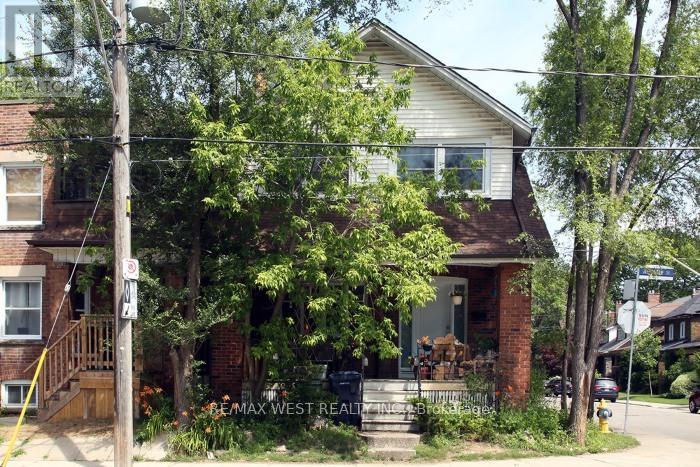
The dominant purchase in The Junction is the Victorian or Edwardian brick semi: 14 to 18-foot frontage, two to three bedrooms, one to two bathrooms, built between 1890 and 1925. Most have been renovated at least once, with condition varying meaningfully from block to block. A well-renovated semi on Delhi Avenue or Pacific Avenue, with an updated kitchen, functional bathrooms, and the original hardwood preserved or restored, trades between $950,000 and $1.3 million depending on lot size, depth, and condition. Wider lots with lane access at the top of that range; narrower, shallower lots in better repair somewhere in the middle.
Detached homes exist in the neighbourhood but are less common than in some comparable west-end areas. Larger detached properties on Annette Street and the quieter blocks north of Dundas start around $1.2 million for a well-kept but unrenovated home, and climb toward $1.8 million for a fully updated four-bedroom on a deeper lot. These properties don’t appear often, and when priced correctly they don’t last.
The Junction doesn’t have a significant condo market. There are some infill townhouses and a handful of smaller buildings on or near Dundas, but freehold is the dominant tenure. Buyers looking specifically for a condo in this pocket should consider whether Junction Triangle to the east might offer more options, or whether the Bloor Street West buildings near Dundas West station are a practical substitute.
Parking is a real consideration. Victorian semis were built before cars and many properties have no dedicated parking. The lanes behind the key residential streets provide parking pads or garages on some lots but not all. If bringing a car home daily matters, confirm the specific situation before committing to a property.
The Junction runs quieter than the Trinity Bellwoods or Roncesvalles markets but it’s not a buyer’s market on the streets buyers actually want. Well-priced semis on Delhi, Pacific, and Quebec in good condition attract multiple offers in the spring window and again in October. The buyer pool is smaller than in those comparable neighbourhoods, which means timing and presentation matter more: an overpriced or poorly presented property sits here in a way it might not in Roncesvalles.
In early 2026, most freehold listings are reviewed on arrival rather than held to a formal offer date, though informal deadlines appear for the best-priced properties. Buyers should be ready to move within 48 to 72 hours on a well-presented semi and should arrive with financing confirmed. Conditions are present in most accepted offers, but sellers of desirable properties push back on inspection conditions more than they did three years ago.
The southern edge of the neighbourhood, within a block or two of the CPR rail corridor, carries a modest but real discount to comparable properties further north. Buyers who are noise-sensitive should walk those blocks at different times before bidding. The discount is consistent and predictable, which means it’s priced in rather than representing an opportunity.
Spring is the primary competition window, peaking from February through May. October produces the second meaningful period. Late November through January slows considerably, and listings that appear in winter often have more price flexibility than the spring equivalent.
Buyers who end up in The Junction are almost always choosing it over Roncesvalles or, increasingly, High Park North. The decision against Roncesvalles is usually a financial one: The Junction offers comparable housing stock, comparable transit access, and the same Victorian streetscape at 15 to 25 percent less. Buyers who run those numbers and can live without the Roncesvalles Avenue strip and the closer proximity to High Park’s eastern edge make the choice easily. Those who value the Polish community character and the specific energy of Roncesvalles Avenue stay and pay the premium.
The buyers who end up here tend to be in their mid-30s to mid-40s: dual-income households who have watched the Roncesvalles and Trinity Bellwoods markets for long enough to understand they represent a different price tier, and have decided they’d rather get more house in The Junction than compromise on space elsewhere. Many have children or are planning for them; the neighbourhood’s school options are serviceable and the streets are genuinely liveable for families.
There’s also a buyer who is specifically drawn to the commercial strip: a household that wants to walk to a craft brewery, a wine bar, and a decent coffee roaster without getting in a car. That buyer exists in Roncesvalles and Trinity Bellwoods too, but finds the Junction strip’s independent character specifically appealing. The neighbourhood hasn’t been packaged for tourists in the way Queen West has. It still feels like it belongs to the people who live there.
Dundas West subway station sits at the eastern edge of the neighbourhood, at the corner of Dundas Street West and Bloor Street. It’s on the Bloor-Danforth line, which means a direct ride east to St. George, Bloor-Yonge, and the downtown core. A buyer on Delhi Avenue or Quebec Avenue can walk to the station in 12 to 18 minutes depending on where exactly on the street they’re starting. Pacific Avenue is slightly longer. It’s a real walk rather than a convenient stroll, which is part of why The Junction prices below Roncesvalles, where the walk to Roncesvalles station is shorter and the Bloor connection equally direct.
The Dundas streetcar runs along the bottom of the neighbourhood, connecting east through Little Portugal and Trinity Bellwoods to downtown. The 26 Dupont bus runs along the northern fringe. Neither is as fast as the subway, but both provide secondary transit options for residents who work at various points along the east-west axis. Keele Street has bus service running north to the Eglinton Crosstown corridor, which becomes more relevant as the Crosstown matures.
Cycling is practical for trips to Roncesvalles, High Park, or the Bloor Street cycling infrastructure. The neighbourhood’s position on the west end puts downtown reachable by bike in 25 to 35 minutes depending on conditions. The rail corridor to the south limits south-facing routes, so most cyclists head east on Dundas or north toward Annette before picking up routes that cross the tracks.
Car ownership is common in the neighbourhood because the Victorian streets don’t have the density of transit that Annex or Kensington Market residents enjoy. Buyers who work outside the downtown core often find the car necessary for anything that doesn’t involve the Bloor line.
The commercial stretch on Dundas Street West between Keele and Runnymede is the neighbourhood’s identity, and it earned that status gradually rather than arriving fully formed. The concentration of independent operators is genuine: Junction Craft Brewing runs a taproom and a production facility on Dundas, Hole in the Wall puts out credible small-plate cooking in a narrow room that fills up on weekend evenings, and Playa Cabana has been one of the city’s more consistent taco spots for years. The Stone House occupies a corner with a proper pub feel that the area lacked for decades during the dry years. Several specialty coffee operations have taken root, including roasters who supply cafes across the city from production addresses on the strip.
The vintage and secondhand retail has depth. This isn’t a block with a single charity shop. Multiple operators with specific buying criteria and real curation have made the Junction a destination for buyers of vintage clothing, furniture, and records who would also visit Kensington or Ossington. The result is a strip where independent retail actually functions as a draw rather than filling space between restaurants.
St. Clair Avenue West at the northern boundary brings a different retail character: the Stockyards District begins there, with a mix of big-box retail and older commercial uses that serves a functional rather than destination purpose. Buyers who need that kind of access find the proximity useful; it doesn’t affect the residential character of the streets in between.
The strip isn’t what it was ten years ago when rents were still genuinely low. Some turnover has occurred, particularly for smaller operators who couldn’t absorb rent increases that came with the neighbourhood’s rising profile. The independents who remain have stronger businesses than the first wave, and the quality of food and drink on the strip in 2026 is meaningfully higher than it was in 2015.
High Park sits at the southeastern corner of the neighbourhood. The park’s northwest entrance at Annette Street and Keele is walkable from most of the residential core: 15 to 20 minutes on foot from Delhi or Pacific, closer from the Annette Street addresses near Keele. This surprises buyers who assume High Park is a Roncesvalles or Bloor West Village amenity. It’s a city park with multiple entry points and the Junction is one of the closer neighbourhoods to it.
What the Junction doesn’t offer is the close, immersive proximity that addresses on the eastern edge of Roncesvalles have, where some properties back onto or directly face the park. The Junction relationship with High Park is convenient rather than intimate. Families with children who want to use the park as an extension of their backyard will find Roncesvalles and Bloor West Village better positioned. Families who want a decent park within a 20-minute walk, and don’t want to pay the premium that park proximity commands, find The Junction a reasonable trade.
The park itself needs no introduction to Toronto buyers: 161 hectares of ravines, trails, a zoo, a swimming pool, tennis courts, and the cherry blossoms in spring that draw people from across the city. For Junction residents the relevant section is the northwest quadrant, which has a good trail network and connects to the broader park without the weekend crowds that concentrate near the main Bloor Street West entrance. Getting to the quieter sections of the park from the Junction is actually easier than from some closer addresses on the Roncesvalles side.
The CPR freight corridor runs along the southern boundary of The Junction, and the GO Transit corridor runs parallel to it in the same right-of-way. This is relevant for any buyer considering properties within two or three blocks of the tracks. CPR freight traffic runs at irregular hours including overnight. GO trains are scheduled but the corridor carries meaningful volume. Properties on the south side of streets like Vine Avenue and the blocks immediately above the tracks carry ambient noise that properties further north on Delhi or Pacific don’t.
The discount for proximity to the tracks is real and consistent. Buyers who are sensitive to transportation noise should walk those specific streets in the evening and ideally on a weekend night before making a decision. Buyers who aren’t sensitive to it, or who sleep with windows closed year-round, often find the track-adjacent blocks deliver more value for dollar than the premium streets two blocks north. The condition of the specific property matters more than the track proximity for some buyers; for others it’s the deciding factor.
The corridor also creates a hard southern boundary for the neighbourhood. There’s no gradual blending into adjacent uses to the south. The Junction ends at the tracks and Junction Triangle begins on the other side. That boundary is one reason the neighbourhood has a more defined character than areas with softer edges: you know when you’re in The Junction and when you’ve left it.
The most useful comparison for Junction buyers is with Roncesvalles, because the housing stock is the closest match and the price difference is large enough to be a real factor in what buyers can afford. Both neighbourhoods have Victorian and Edwardian brick semis on similar-sized lots. Roncesvalles runs 15 to 25 percent higher for equivalent properties in 2026. The price gap reflects several things: Roncesvalles is closer to the Bloor-Danforth line for more of its residential streets, the Roncesvalles Avenue commercial strip has a longer-established neighbourhood character, and the eastern edge of High Park is more immediately accessible from Roncesvalles addresses. Buyers who close that gap analysis and determine the Junction represents better value for their specific priorities are a meaningful portion of the Junction buyer pool.
Junction Triangle is a different kind of comparison. The two neighbourhoods are physically adjacent, separated by the CPR corridor, but they’re at different stages of development and the buyer profiles don’t overlap as much as geography suggests. Junction Triangle has lower prices, newer infill housing mixed with older workers’ cottages, no equivalent to the Dundas strip, and a different transit story. It suits a buyer who’s comfortable being earlier in a neighbourhood’s trajectory and wants lower entry. The Junction suits a buyer who wants the established version, including the commercial strip and the more uniform residential stock. Buyers comparing these two should be honest with themselves about whether they’re buying neighbourhood character or buying value, because Junction Triangle offers the latter more directly.
High Park North, to the southeast, is a smaller pocket that competes with The Junction for buyers who want the proximity to High Park and west-end character at a manageable price. Properties there tend to be on slightly larger lots but the commercial amenities don’t match the Junction strip. It’s a genuine alternative for buyers who prioritise park access over the Dundas experience.
Annette Street Public School serves the core of the neighbourhood for the English public stream. It’s a JK to Grade 8 school and the one most Junction families will default to. The school has a solid reputation without being among the city’s headline performers; it’s a neighbourhood school in the functional sense, and families who have used it generally report competent teaching and a reasonable community feel. As with most TDSB schools, class sizes and program offerings have moved around in recent years as board-level decisions have redistributed resources.
Humberside Collegiate Institute is the secondary school that most Junction students feed into. It’s on Humberside Avenue in the Bloor West Village area, a 15-minute walk or short transit ride from the neighbourhood. Humberside has a generally positive reputation among west-end secondary schools and offers the IB diploma program, which is the main draw for families who care about that credential at the secondary level. It draws from a catchment that includes several desirable west-end neighbourhoods, which keeps the student population stable.
French Immersion is available through the TDSB’s extended French and Core French programs, but the Junction doesn’t have a dedicated French Immersion school within the neighbourhood. Families who want full French Immersion from JK need to look at the designated FI schools in the broader west end and determine whether the travel commitment works. This is a consistent consideration in the neighbourhood and worth resolving before purchase if FI is a priority.
Catholic families draw on St. Cecilia Catholic School, which is nearby on Annette, and are secondary-zoned to Catholic schools further west. The Catholic school options are generally regarded as solid within the west-end Catholic system.
Why was The Junction called a dry town, and when did that change?
The Junction voted to prohibit the sale of alcohol in 1904, before the area was annexed into the City of Toronto. That vote remained in effect for nearly a century. The first liquor licences on Dundas Street West were not issued until the late 1990s. The practical effect of that long dry period was significant: because bars and restaurants couldn’t open, landlords couldn’t attract national chains or high-paying tenants. Rents stayed low, and when licences finally became available, independent operators who couldn’t afford higher-rent strips could actually establish themselves here. That’s the reason the strip developed the independent character it has today. The dry-town history isn’t just trivia. It directly explains why The Junction looks the way it does.
How does The Junction compare to Roncesvalles for buying a home?
The housing stock in both neighbourhoods is similar in age and type: Victorian and Edwardian brick semis built between the 1890s and 1920s, on narrow lots, mostly renovated at various points. The meaningful difference is price. Comparable semis in The Junction trade 15 to 25 percent below equivalent properties in Roncesvalles. A renovated semi on Pacific Avenue or Delhi Avenue runs $950,000 to $1.3 million in 2026; a comparable property in Roncesvalles is typically $1.15 to $1.6 million. Roncesvalles buyers pay a premium for the Polish community strip on Roncesvalles Avenue, proximity to the eastern edge of High Park, and a deeper established buyer pool. The Junction is closer to High Park than many buyers realise: the park’s northwest corner is walkable from the eastern part of the neighbourhood. Buyers who want comparable housing at a lower entry point are the natural Junction buyer.
What is the difference between The Junction and Junction Triangle?
The Junction and Junction Triangle are adjacent but genuinely different neighbourhoods. The Junction is centred on the Dundas Street West commercial strip between Keele and Runnymede, with an established concentration of independent restaurants and bars and Victorian residential streets that are largely renovated. Junction Triangle sits east of the CPR rail corridor, bounded roughly by Dundas, Lansdowne, and the rail lines. It has no equivalent commercial strip. Its housing stock is a mix of older workers’ cottages, newer infill townhouses, and a growing number of mid-rise condo buildings. It’s earlier in the gentrification cycle and priced meaningfully lower. Buyers who want the established neighbourhood feel and the Dundas strip should be looking at The Junction. Buyers who want lower entry prices and are comfortable with a neighbourhood still finding its character should look at Junction Triangle.
What are the best streets to buy on in The Junction?
Delhi Avenue, Pacific Avenue, and Quebec Avenue are the most consistently sought-after residential addresses. These streets have a good concentration of well-renovated semis and are within an easy walk of the Dundas strip without being on it. Annette Street runs east-west through the northern part of the neighbourhood and has a mix of housing types, including some larger detached homes closer to the Runnymede end. Clendenan Avenue at the western edge is quieter and slightly less expensive while retaining the same access to Dundas. Buyers who care about the CPR rail corridor should check the specific lot: the southern edge of the neighbourhood runs alongside the tracks, and properties within a block or two of the corridor carry noise that properties further north don’t. It’s worth walking the street at different times of day before making an offer.
The Junction’s name comes from the convergence of several railway lines that met in this part of west Toronto in the late nineteenth century. The Canadian Pacific Railway, the Grand Trunk Railway, and other lines all passed through or near this point, making it a significant switching and freight hub. The working-class character that developed around that industrial activity is still visible in the housing stock: the semis on Delhi, Pacific, and Quebec were built for railway workers, factory employees, and tradespeople who needed affordable housing within walking distance of their work.
The 1904 prohibition vote happened in this context. The neighbourhood was incorporated as the Town of West Toronto Junction, and the temperance movement had enough support among the working-class population to carry the vote. The annexation into the City of Toronto came in 1909, but the dry status persisted because it was embedded in the area’s specific history rather than city-wide policy. Toronto as a whole moved on, but the Junction did not. That legal anomaly preserved the strip from the commercial development that transformed comparable strips elsewhere in the city.
The industrial uses began declining through the mid-twentieth century, and by the 1980s and 1990s the neighbourhood was experiencing the same transitional period that many inner-city Toronto communities went through: population change, disinvestment in parts of the housing stock, a commercial strip that couldn’t attract viable tenants. The liquor licence change in the late 1990s was the catalyst for the current character, but the change in the residential streets was gradual, driven by buyers who identified value in Victorian housing stock close to the city centre before comparable addresses were priced out of reach.
By the mid-2010s the neighbourhood’s identity had shifted decisively. The commercial strip on Dundas had the independent businesses. The residential streets were largely renovated. The question for the next decade isn’t whether The Junction has arrived; it has. The question is whether the price gap between The Junction and comparable west-end neighbourhoods represents a lasting structural discount or a premium in waiting.
Street-level knowledge is hard to find online. Our team works in The Junction (Stockyards District, Little Malta) every day. They know which pockets hold value, where the school catchment lines actually fall, and what the market is doing right now. Talk to us before you make a decision about The Junction (Stockyards District, Little Malta).
Talk to a local agent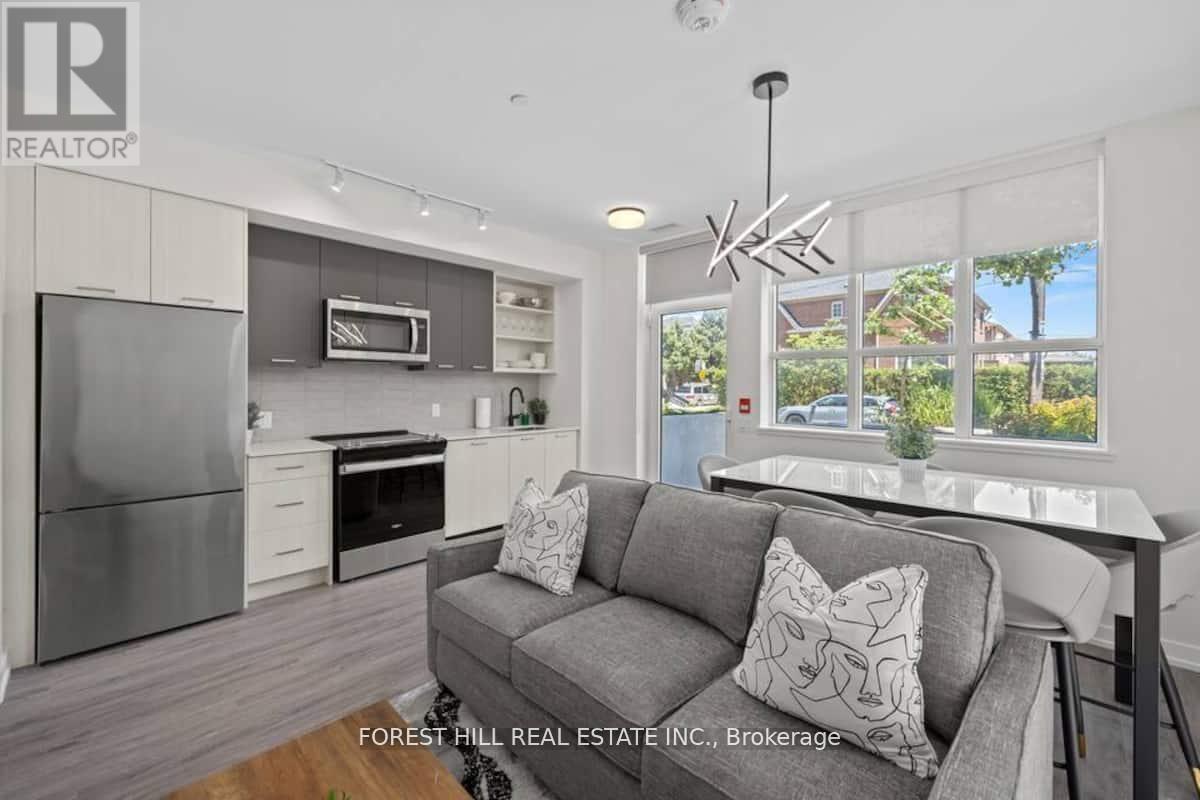 For Sale
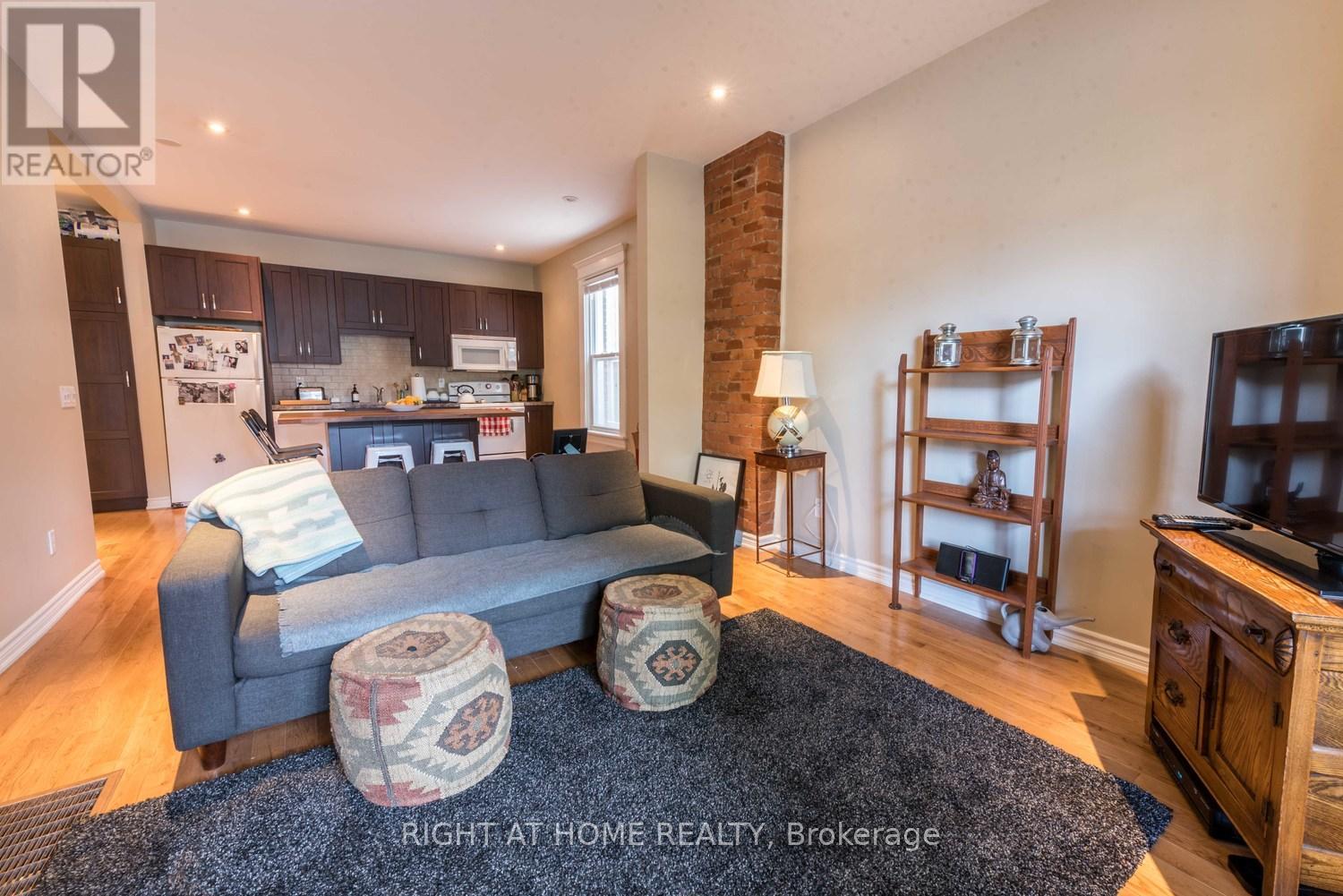 For Rent
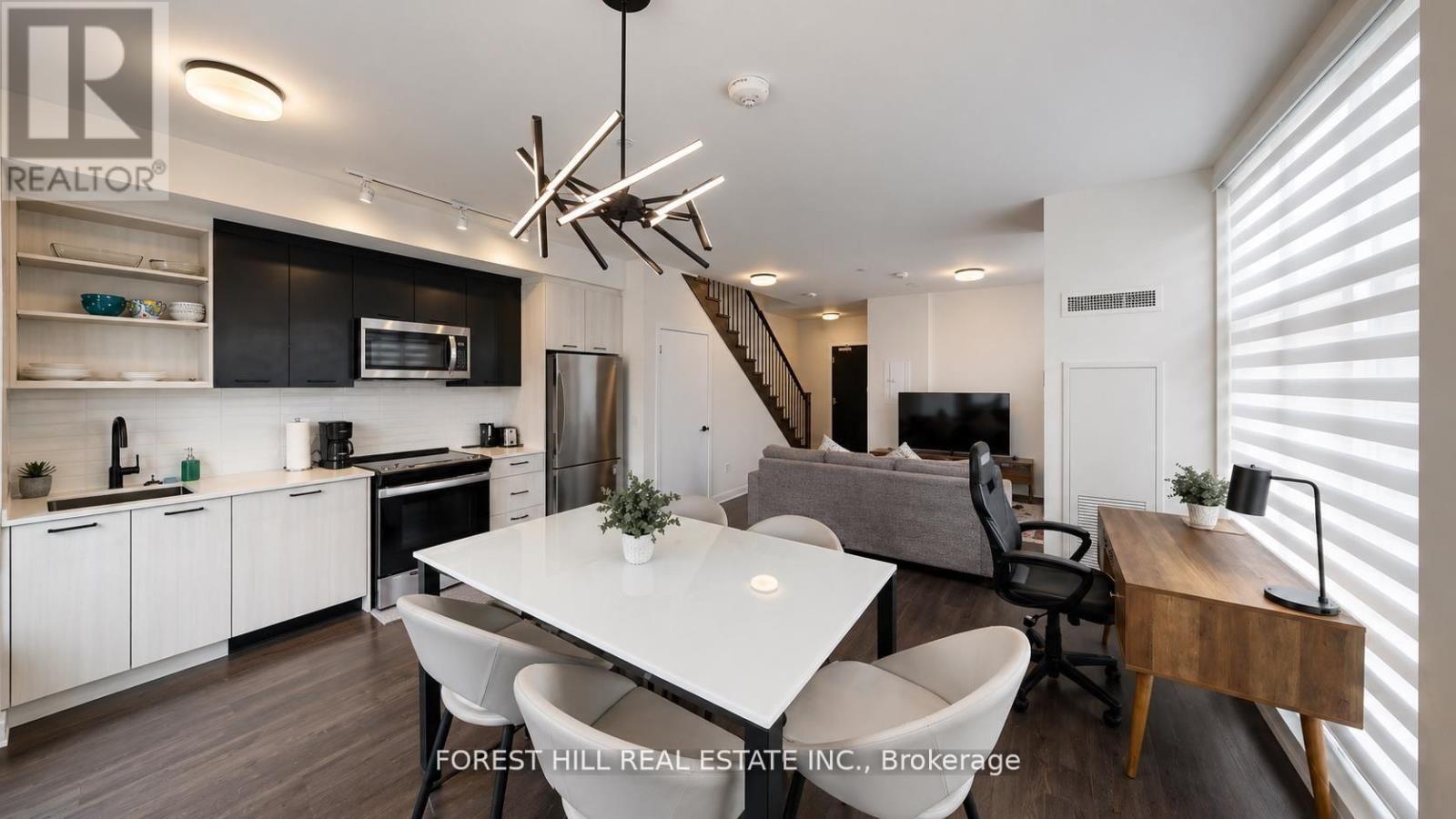 For Sale
 For Rent