
Discover real estate in Thornlea, Markham. Current prices, school catchments, transit access and neighbourhood character covered in full.
Thornlea is a mature south Markham neighbourhood between Bayview Avenue and Leslie Street, in the area between the communities of German Mills to the north and the Richmond Hill boundary to the south. The neighbourhood was developed primarily in the 1970s and 1980s and carries the established residential character of that era: two-storey brick detached homes, mature street trees, settled streetscapes, and the quiet of a community that has not been significantly disturbed by new construction in decades. It is one of the less prominently marketed south Markham neighbourhoods, which contributes to its relative value compared to the communities with higher profiles and more active agent representation.
The Leslie Street and Bayview Avenue corridors bracket the neighbourhood and provide the primary access to the south Markham and Richmond Hill commercial networks. The East Don River valley system runs near the neighbourhood’s eastern boundary, providing some natural corridor character in an otherwise conventional suburban context. Buyers who have found the premium south Markham communities overpriced for their budget and who want established character without a significant compromise on location will find Thornlea a consistent candidate for comparison.
The neighbourhood’s relationship to the surrounding communities of German Mills, Sherwood-Amberglen, and south Richmond Hill creates an interesting market dynamic where buyers from any of those adjacent areas might rationally be comparing Thornlea properties. The school catchment, transit access, and commercial amenity are largely shared across these communities, and the price differentials between them are driven more by marketing profile and specific property characteristics than by fundamental differences in the neighbourhood offer.
Thornlea detached homes have been trading in the $1.1 million to $1.7 million range through 2024 and into 2025, with the lower end representing standard 1970s detached homes on typical lots and the upper end representing larger properties, renovated homes, or those in particularly desirable positions. Semi-detached homes and townhouses are available below $1.1 million. The neighbourhood sits in the mid-range of the south Markham market, priced below the prestige communities of Angus Glen and Cachet but above the more accessible south Markham tier of Middlefield and Milliken Mills East.
The housing stock condition varies across the standard range for a 1970s and 1980s neighbourhood. Buyers should inspect the mechanical systems, roof, and windows carefully, since the age of the stock creates significant variation between well-maintained and deferred-maintenance properties that is not always visible cosmetically. Properties coming through estate sales or where long-term elderly occupancy has meant limited renovation are more likely to have deferred mechanical maintenance than those held by active families who have been updating their homes over the years.
The lots in Thornlea reflect 1970s suburban planning standards, which means they are generally larger than more recent development but not the estate-tier lots found in the older south Markham communities. The lot sizes are workable for outdoor living and modest additions, and the rear yard depths on many Thornlea streets are adequate for families with children and outdoor living needs.
Thornlea behaves as a steady mid-market south Markham neighbourhood with consistent owner-occupier demand and a turnover rate that reflects the long-tenure character of its household composition. Properties come to market less frequently than in newer communities with higher mobility, and when they list they attract buyers who have been watching the south Markham market and are prepared to act. Days on market run in the typical 30-to-45-day range for standard properties, with conditional offer acceptance more common than in the competitive northern communities.
The market correction from 2022 has brought Thornlea prices to a level that provides reasonable entry into the south Markham established tier, and the neighbourhood’s combination of location, school catchment, and established character provides a stable demand floor that is not dependent on a single premium driver. Estate sales and downsizing transactions are a consistent source of listings, since the original buyer cohort from the 1970s and 1980s is now transitioning out of the neighbourhood.
The comparison to adjacent German Mills and Sherwood-Amberglen is the natural market comparison for Thornlea, and the pricing differences between the three communities are modest enough that specific available listings are often the tiebreaker rather than fundamental neighbourhood differences. Buyers who are comparing all three communities will find the most useful analysis at the specific property level rather than in general neighbourhood-to-neighbourhood comparisons.
Thornlea buyers are typically families who have done the south Markham comparison and found that the neighbourhood offers the established residential character they want at a price point they can access. These buyers understand what 1970s housing stock means in terms of maintenance requirements and have either budgeted for renovation or are specifically seeking a property that has been updated. They value the mature tree canopy, the quiet interior streets, and the central south Markham location that gives access to the full range of commercial and service amenity without paying for a prestige address.
The Chinese Canadian and South Asian community presence in Thornlea reflects the broader south Markham demographic, with multi-generational household buyers attracted by the established neighbourhood infrastructure and the accessiblity to the south Markham cultural and commercial corridors. The proximity to the Richmond Hill boundary and the Bayview Avenue corridor is relevant for some household profiles that have family or community connections on both sides of the municipal boundary.
Move-up buyers from within south Markham and from the Toronto market are the other primary segment, attracted by the detached home access at south Markham prices and by the established character that distinguishes Thornlea from the newer planned communities further north and east. These buyers have typically rented or owned a condo or townhouse and are making their first or second detached home purchase with a clear sense of what they are trading up to.
Thornlea’s street layout reflects 1970s suburban planning, with curvilinear streets that respond to the neighbourhood’s terrain and create varied residential character across different blocks. The primary arterials of Leslie Street and Bayview Avenue bracket the neighbourhood and carry the traffic that gives both corridors their commercial and transit character. Interior streets are quiet and residential, with the settled quality of a community that has been established for nearly five decades.
The streets in the northern part of Thornlea, adjacent to the German Mills community, share the most character with that neighbourhood’s creek valley and mature residential character. Streets near the East Don River corridor to the east have some natural valley exposure, providing rear yard character that is more natural than the standard suburban green space. These are the most sought-after streets within the neighbourhood for buyers who value natural character in their immediate environment.
Properties on or near Leslie Street carry more arterial noise and traffic exposure than the interior streets, and these properties price accordingly. Buyers who are comparing Thornlea properties should walk the specific street before committing, since the noise and traffic character varies considerably depending on proximity to the boundary arterials. The most desirable residential positions in Thornlea are the interior streets two or more blocks from Leslie or Bayview, where the residential character is consistent and the arterial noise is minimal.
Thornlea’s transit and highway access reflects its position between the Bayview and Leslie Street corridors. YRT bus service along Bayview Avenue provides north-south transit connections to the Highway 7 VIVA corridor and toward the TTC Yonge Street routes. GO Stouffville line access requires driving to a station, with Centennial GO or Unionville GO accessible in approximately 15 to 20 minutes. The Richmond Hill GO line is also accessible via the Yonge Street and Bayview corridors within a similar drive time.
Highway 407 is accessible via Leslie Street south to the 407 interchange, providing east-west GTA highway access. The DVP is accessible via Bayview Avenue south through Toronto, providing the primary downtown car commute route. The combination of Leslie Street south and Bayview Avenue south gives Thornlea residents two distinct approaches to the highway network, which provides some flexibility depending on the specific commute destination.
Car ownership is practical for most daily activities in Thornlea. The transit access is adequate for GO commuters who can drive to the station and for residents who use the Bayview Avenue bus, but the neighbourhood’s interior streets are not served by frequent transit and car dependency is the norm for most household activities. This is consistent with the broader south Markham residential experience.
Thornlea’s outdoor character is shaped by the mature street trees that are the community’s most consistent environmental asset. The 1970s planting of street trees along the interior residential streets has produced a full canopy on many blocks that creates a shaded, settled residential environment. This canopy quality is one of the features that buyers from the Toronto market specifically notice when they visit: it approximates the tree character of Toronto’s established residential neighbourhoods in a way that newer Markham communities cannot.
The East Don River headwater system flows near Thornlea’s eastern boundary, providing some natural corridor access for residents who seek it. The Don Valley trail network in the broader area, while most accessible from further south, has connections that are reachable within a manageable walk or short drive from Thornlea’s eastern streets. The natural character of the Don headwater valley in this area is less dramatic than the lower Don valley in Toronto, but it provides a green corridor that is a consistent quality of life asset for the communities adjacent to it.
The neighbourhood parks within Thornlea serve the standard suburban recreational needs of the family households that fill the residential streets. City of Markham park maintenance is consistent and the parks see regular use. Buyers who require more intensive natural trail access should assess whether the East Don corridor access from Thornlea’s eastern streets meets their specific needs, or whether the drive to the more established trail systems — German Mills Creek or the Rouge valley — is a regular routine they are willing to accept.
Thornlea’s retail access is served by the Bayview and Leslie Street commercial corridors and the Highway 7 commercial strip to the north. Grocery, pharmacy, and standard service retail are within a 5-to-15-minute drive via any of these routes. The south Markham Asian grocery and restaurant concentration along the Kennedy Road and Highway 7 corridors is accessible within 15 to 20 minutes, providing the specialty food retail that the neighbourhood’s diverse demographics use regularly.
The Richmond Hill commercial nodes along Yonge Street are also accessible from Thornlea, since the neighbourhood sits near the Markham-Richmond Hill boundary and both municipalities’ commercial strips are within comparable driving distances. This gives Thornlea residents a broader accessible commercial range than purely Markham-oriented neighbourhoods, since the Richmond Hill retail environment provides additional grocery, restaurant, and service retail options along different corridors.
Healthcare access is solid. The Markham Stouffville Hospital is accessible via Highway 7, and the concentration of medical and dental offices along the south Markham corridors provides routine healthcare access without significant travel. The additional medical office concentration along the Richmond Hill corridors adds to the accessible healthcare range for Thornlea residents near the municipal boundary.
The York Region District School Board (YRDSB) schools serving Thornlea include elementary schools in the south Markham catchment area, with Thornlea Secondary School as the primary YRDSB secondary school. Thornlea Secondary serves the south Markham and Thornhill area and has a generally solid academic reputation within the YRDSB system. The specific elementary school assignment for any Thornlea address should be confirmed using the YRDSB school locator at schoollocator.yrdsb.ca.
Thornlea Secondary School’s catchment includes portions of south Markham and the Thornhill communities, and the school reflects the demographic diversity of these communities in its student population. Academic programs are solid and prepare students adequately for university admission. The school is less well-known outside the south Markham community than the higher-profile YRDSB schools in north Markham, which means that Thornlea’s Thornlea Secondary catchment does not generate the same price premium that Pierre Elliott Trudeau or Bur Oak create in their respective communities.
The York Catholic District School Board serves Thornlea with the appropriate elementary schools and Father Michael McGivney Catholic Academy at the secondary level. YCDSB families should contact the board directly to confirm the specific school assignment for their Thornlea address, since the Catholic catchment boundaries in south Markham are distinct from the YRDSB boundaries.
Thornlea is a built-out neighbourhood where development activity is primarily renovation and infill. The Bayview Avenue corridor to the west and the Leslie Street corridor to the east are both subject to ongoing intensification planning under the provincial and municipal growth frameworks, and mid-rise residential and mixed-use development along these arterials will continue over the next decade. The direct impact on Thornlea’s interior residential streets is limited by the layout separating the residential interior from the commercial corridors.
The Richmond Hill boundary proximity creates a dynamic where south Thornlea properties at the neighbourhood’s edge are near enough to Richmond Hill’s commercial and residential development to benefit from the amenity and infrastructure improvements occurring on that side of the boundary. The East Don River corridor protection ensures that the natural feature at Thornlea’s eastern edge will not be developed, providing permanent environmental stability for the creek-adjacent streets.
The broader south Markham and south York Region development trajectory is one of continued densification of the major corridors with stable residential character on the established interior streets. Thornlea is positioned to benefit from this trajectory through improved commercial amenity and transit justification on the corridors accessible to it, without the disruption of significant development within its own residential fabric.
Q: How does Thornlea compare to German Mills and Sherwood-Amberglen for a south Markham buyer?
A: Thornlea, German Mills, and Sherwood-Amberglen form a cluster of adjacent south Markham established communities that share similar demographic profiles, price ranges, and housing stock ages. The primary differentiator within this cluster is natural corridor access: German Mills has the creek trail that gives it a specific outdoor character, and creek-backing properties in German Mills command a clear premium. Thornlea’s eastern streets have some East Don corridor exposure that provides a similar but less pronounced natural character. Sherwood-Amberglen sits between the two but adjacent to the German Mills Creek trail system on its western edge. For buyers comparing all three, the decision often comes down to specific available listings and the presence or absence of natural corridor adjacency at the property level. At equivalent positions — interior streets without specific natural corridor exposure — the three communities are closely priced and the tiebreaker is typically a specific property’s condition, lot size, or address.
Q: What is the Thornlea Secondary School catchment, and does it affect property values?
A: Thornlea Secondary School is the YRDSB secondary school serving the south Markham and Thornhill corridor area, and its catchment includes most of Thornlea neighbourhood. The school has a solid academic profile but does not generate the same buyer premium as the higher-profile secondary schools in north Markham. For families who have assessed Thornlea Secondary and found it adequate for their children’s needs, this means that the Thornlea neighbourhood’s value is not artificially inflated by a school premium that only matters to a subset of buyers. For families who specifically want a higher-profile secondary catchment, the Thornlea address does not offer that, and comparing specific north Markham communities that feed into Pierre Elliott Trudeau or Bur Oak would be more appropriate.
Q: Are there any particular streets in Thornlea that are more sought-after?
A: Streets in the northern Thornlea area adjacent to the German Mills community have the most direct access to the German Mills Creek trail system and the most similar character to German Mills’ creek valley environment. Streets near the East Don River corridor on Thornlea’s eastern edge have the most natural rear yard exposure within the neighbourhood. Interior streets that are well-removed from both Leslie Street and Bayview Avenue have the quietest residential character. These micro-location attributes are worth assessing for any specific property rather than buying based on the general neighbourhood description. An agent who has recent sales data specifically for Thornlea can show you how the pricing of these micro-locations compares to the general neighbourhood average.
Q: What are the current prices for homes in Thornlea, and is 2025 a good time to buy?
A: Detached homes in Thornlea have been trading in the $1.1 million to $1.7 million range through 2024 and into 2025, consistent with the broader south Markham mid-market tier. The market has stabilised from the 2022 correction, and conditional offers with inspection periods are more commonly accepted than they were at the peak. For buyers who are ready to purchase in 2025, the combination of stabilised pricing and more reasonable offer conditions creates a better purchase environment than the frenetic peak years. Whether it is the right time for any specific buyer depends on their financing, timeline, and readiness rather than a general market timing call. The best time to buy any specific property is when the right property is available and you have the means and circumstances to purchase it at a price that makes sense for the specific asset.
Thornlea rewards buyers who approach it as part of an explicit comparison with the adjacent south Markham communities rather than as a standalone destination. The neighbourhood’s value relative to German Mills, Sherwood-Amberglen, and the other communities in the same price tier is the relevant context for any purchase decision here, and an agent who can show you comparable sales across all three communities simultaneously will help you identify where specific value sits at your budget level.
The home inspection is essential given the age of the housing stock. The condition range in a 1970s and 1980s neighbourhood is wide, and the inspection is the tool that reveals which properties are genuinely well-maintained and which have significant deferred maintenance behind a cosmetically acceptable surface. Budget for the inspection, review it carefully with your agent and the inspector, and use it to negotiate the price of any property where the inspection reveals meaningful deferred maintenance.
The secondary school catchment verification is worth doing explicitly before any purchase where the school is a factor. Thornlea Secondary School’s catchment should be confirmed for the specific address using the YRDSB school locator, since the boundary position of the neighbourhood means that some addresses may fall outside the expected assignment.
TorontoProperty.ca covers Thornlea and the south Markham established neighbourhood market. Contact us for a current comparison of Thornlea against the adjacent communities and to review specific listings relative to your priorities.
Street-level knowledge is hard to find online. Our team works in Thornlea every day. They know which pockets hold value, where the school catchment lines actually fall, and what the market is doing right now. Talk to us before you make a decision about Thornlea.
Talk to a local agent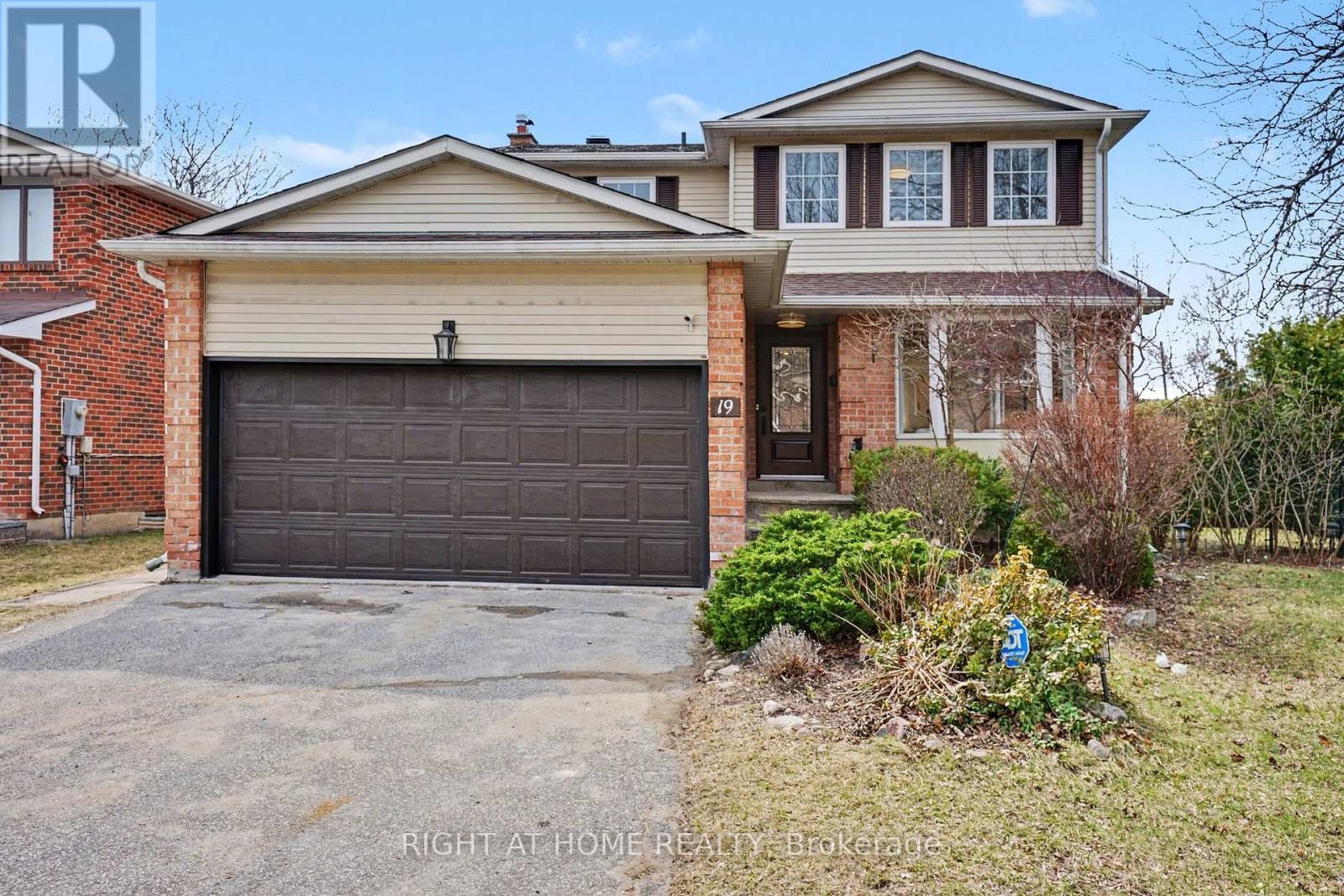 For Sale
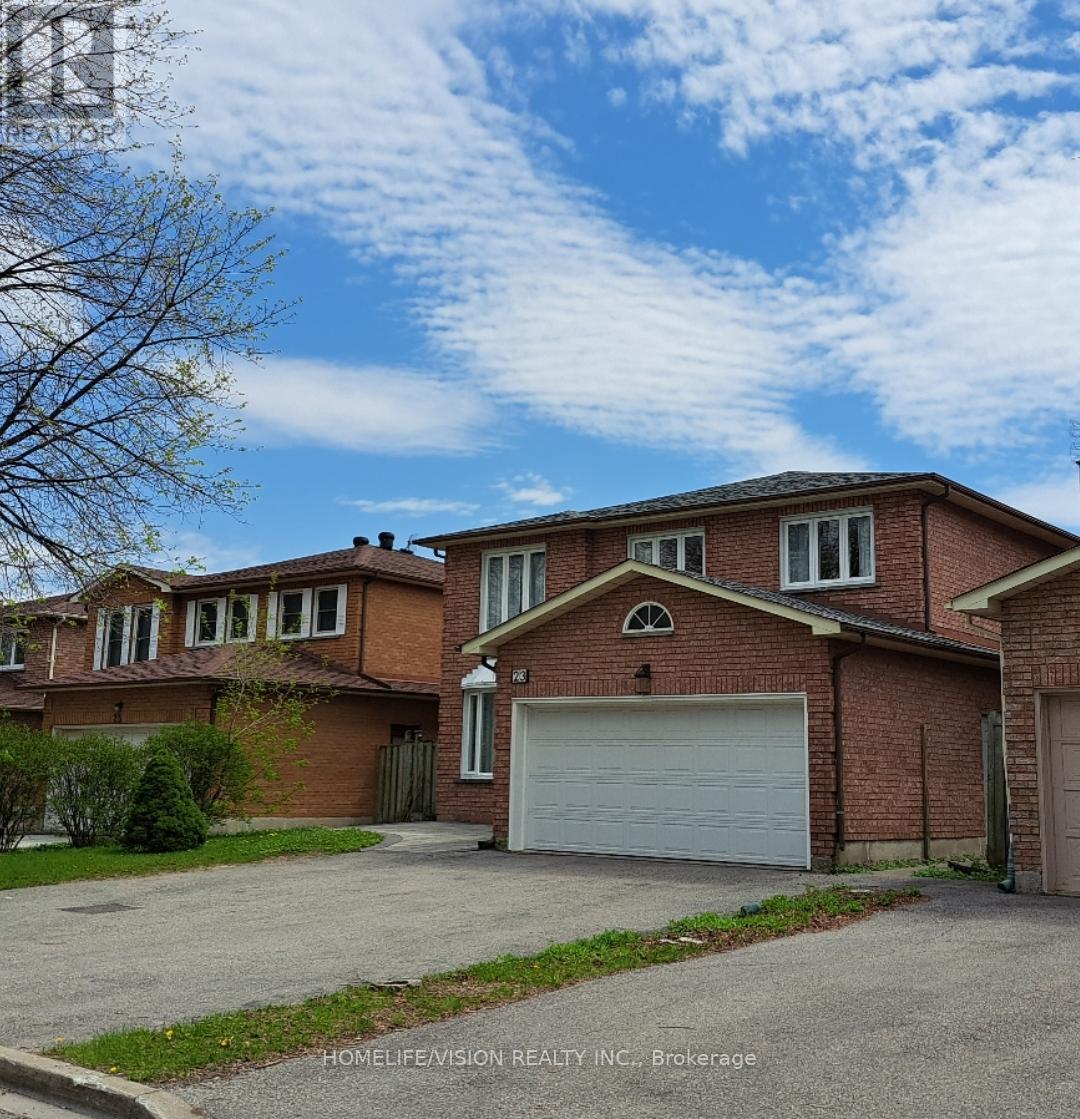 For Rent
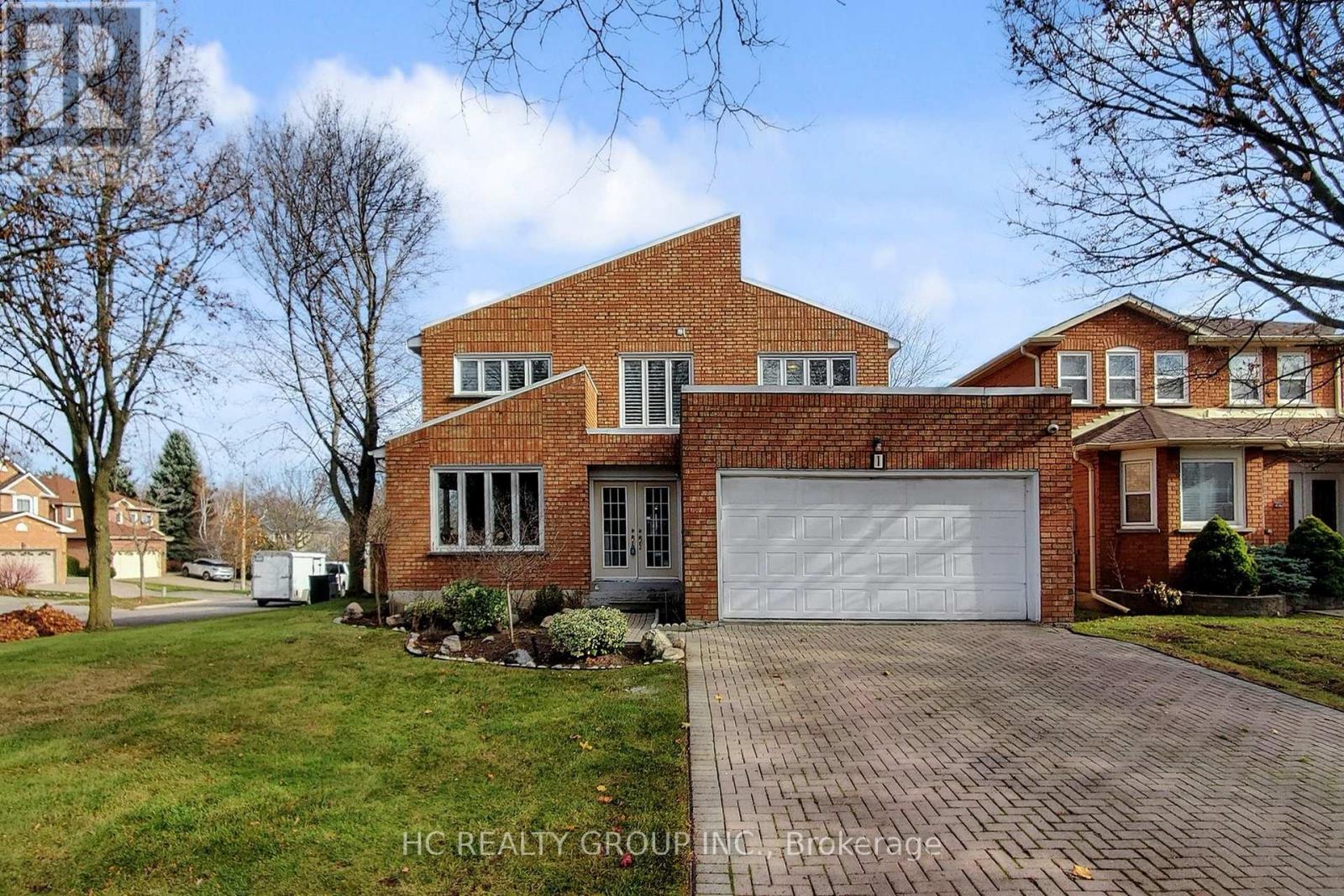 For Sale
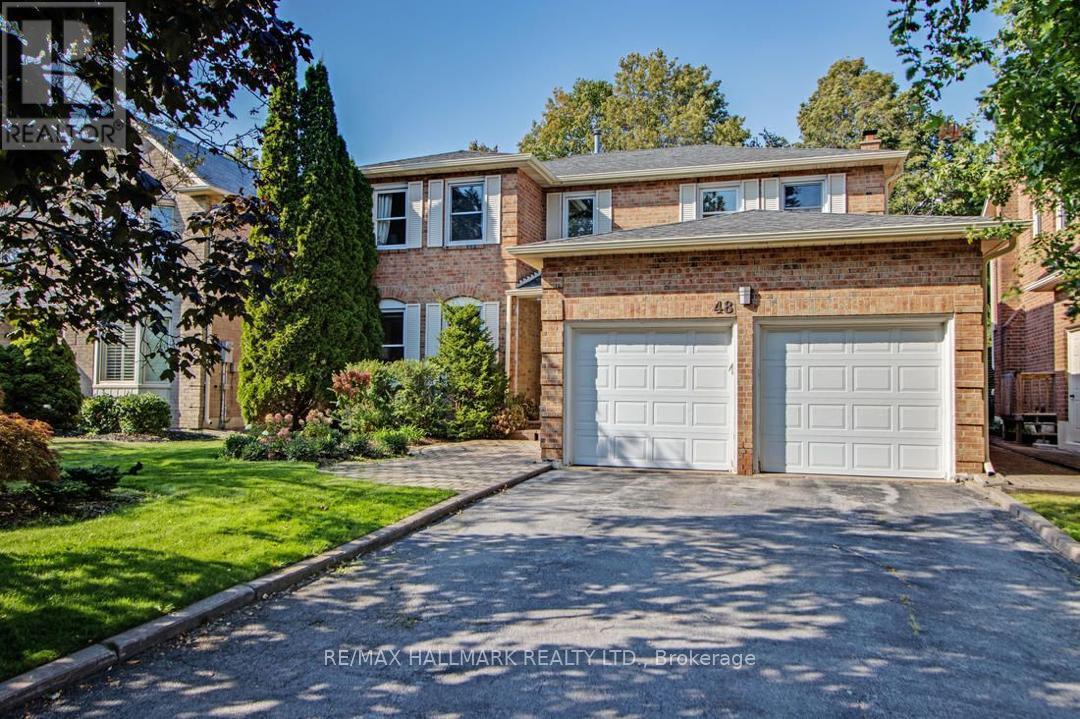 For Sale