
Unionville is one of York Regions most sought-after addresses, combining a genuine heritage main street with Unionville GO station access, Toogood Pond, and the Unionville High School IB catchment. Historic village properties trade above $2 million; detached homes in surrounding streets run $1.4 to $2.2 million.
Unionville is one of York Region’s most coveted addresses, and the reason comes down to something that can’t be built from scratch: genuine history. Main Street Unionville has been drawing visitors and residents since the 1800s, and its Victorian storefronts, heritage homes, and tree-lined streetscape still define what makes this neighbourhood different from every master-planned community that has grown up around it. When people say they want to live in Unionville, they mean this street, this atmosphere, and the address that comes with it.
The neighbourhood sits in central Markham, bounded roughly by Highway 7 to the south, Unionville GO station on the Stouffville line to the east, and Kennedy Road to the west. Toogood Pond anchors the natural side of the community, giving residents a walking destination that looks exactly like a historic mill pond because it is one. The combination of transit access, heritage character, and one of York Region’s top school catchments has made Unionville consistently competitive. Properties here rarely sit idle, and the ones that do tend to be waiting for the right buyer at the right price rather than struggling to attract interest.
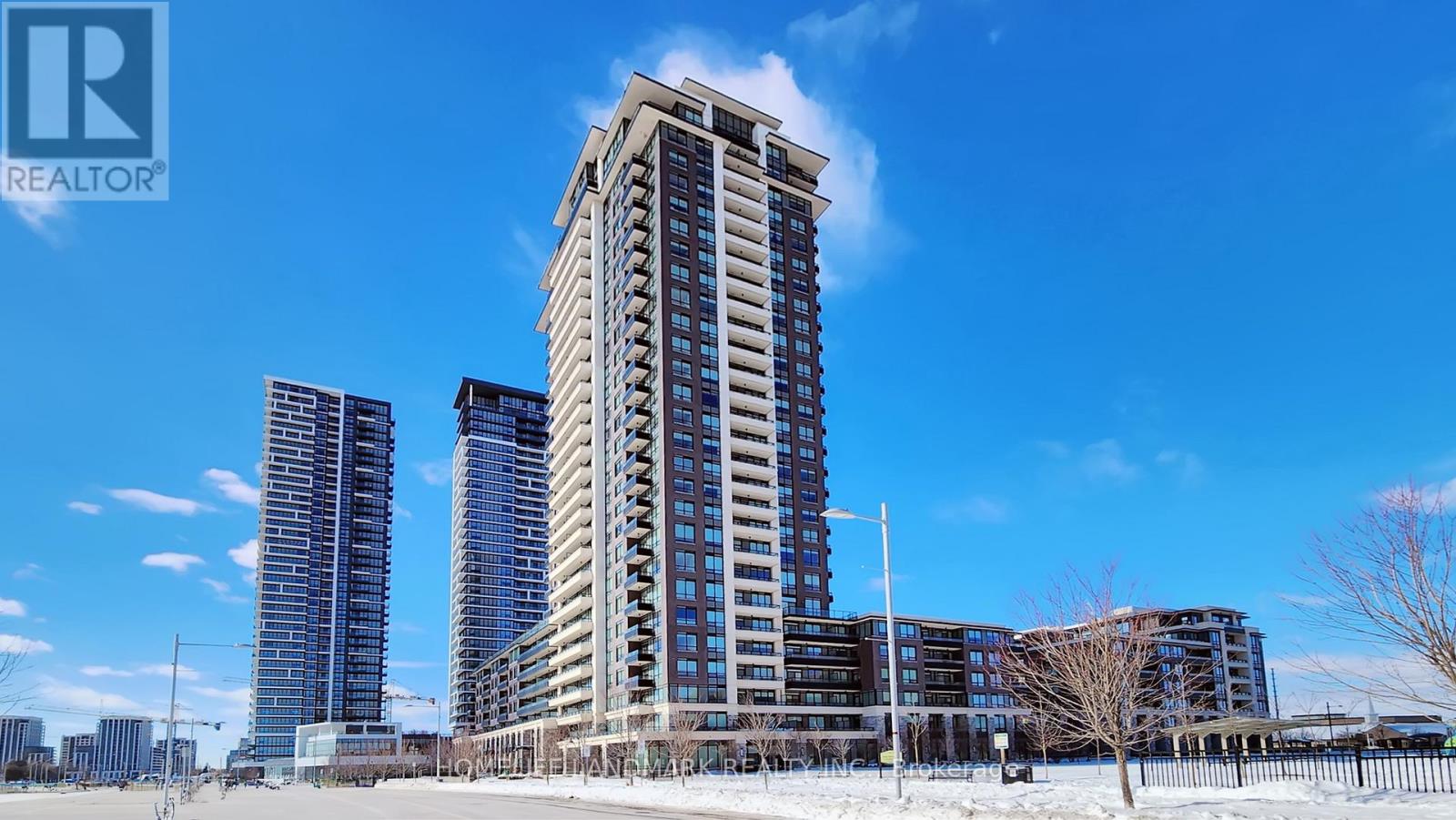
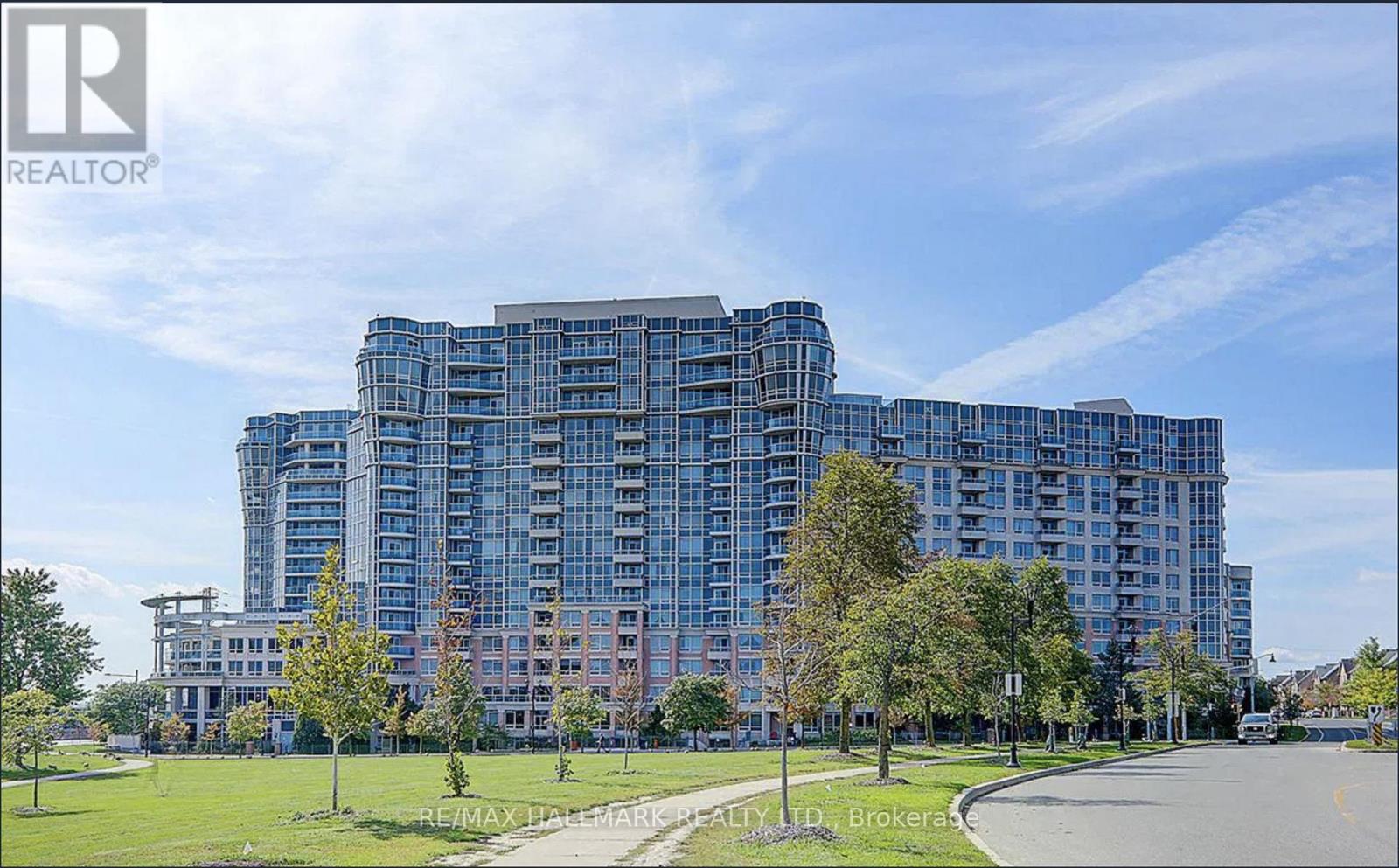
New development has reshaped the blocks surrounding the historic core over the past two decades. Condominium towers and townhome projects have filled in along Kennedy Road and Highway 7, bringing density that the original village could not have anticipated. This has expanded the supply of housing tied to the Unionville name without diluting what the historic core offers. A buyer who wants a Victorian detached on a tree-lined street is shopping a very different product than one buying into a newer tower, but both get the address and the school access that Unionville carries.
Demand here draws strongly from the Chinese Canadian community, which has made Unionville a prestige address in a way that goes beyond real estate metrics. Strong academic performance at local schools, a walkable village with good restaurants, and proximity to Markham’s business corridor along Highway 7 make this a neighbourhood where people plan to stay. Turnover is low among families who have established themselves here. When properties do come to market, competition tends to come quickly.
Unionville’s historic village properties command some of the highest prices in Markham, and in most of York Region outside of Richmond Hill’s most prestigious pockets. A detached home on or immediately adjacent to Main Street Unionville typically starts above $2 million and can climb well past $3 million for renovated heritage properties on larger lots. These aren’t new builds inflated by feature lists. The premium reflects genuine scarcity: there are only so many Victorian homes on that street, and they change hands infrequently.
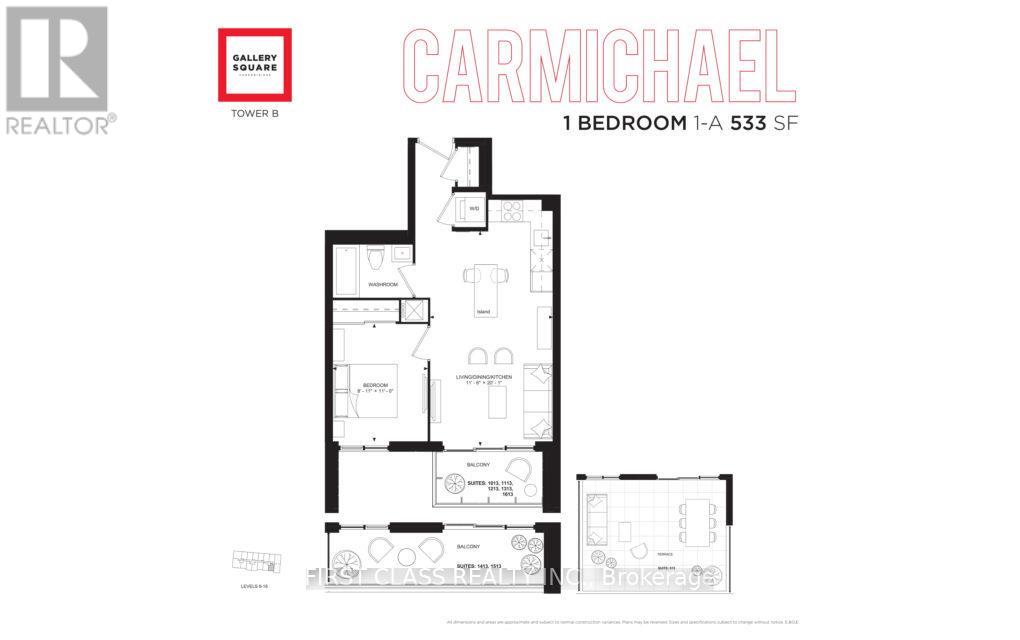
Away from the historic core but still within the Unionville school catchment, detached homes in the established residential streets typically traded in the $1.4 million to $2.2 million range through 2024 and into early 2025. Semi-detached homes and townhomes in the surrounding newer developments come in lower, generally between $950,000 and $1.4 million depending on size, condition, and proximity to Highway 7 noise. Condominium apartments in the towers along Kennedy Road and Highway 7 range from roughly $650,000 for a one-bedroom to over $1 million for a larger corner suite in a newer building.
The market here does not follow the boom-and-correction cycle as dramatically as some other Markham neighbourhoods. Heritage properties are essentially their own category, with buyers who have identified this address specifically and will wait for the right property rather than pivot to a different neighbourhood. The broader residential market around Unionville does track York Region conditions, meaning it felt the rate-driven softening of 2023 and the modest recovery through 2024, but the floor here is higher than in communities without the school cachet and transit infrastructure.
Land value is a significant component of what buyers pay. A dated detached on a 50-foot lot in the established streets around Toogood Pond holds its price because the lot itself is the asset. Buyers who come in expecting renovation budgets to be offset by lower entry prices often find the math doesn’t work that way. Unionville is a neighbourhood where you pay for the address and the bones; the renovation comes on top. Sellers have understood this for years, and pricing reflects it.
The Unionville market operates on two somewhat separate tracks. The heritage and established residential market is driven by long-term demand from families who have identified the school catchment and the address as non-negotiable. This segment moves deliberately. Listings in the historic core generate strong interest quickly, often with multiple offers in spring and fall markets, but buyers are selective and the numbers need to work. Properties that are priced speculatively tend to sit longer than sellers expect, because the pool of buyers willing to pay top dollar for Unionville is sophisticated and patient.
The condo and newer townhome segment tracks broader York Region and Greater Toronto dynamics more closely. When rates rose sharply in 2022 and 2023, this segment felt it most directly. Investors who had bought pre-construction units found resale values compressed against their purchase prices, and some listings sat longer than the heritage side would. Through 2024 and into 2025, this market stabilised without fully recovering to 2022 peak levels. End-user buyers with longer holding horizons were better positioned than short-term investors.
Days on market for well-priced detached homes in the established Unionville streets has generally run between 14 and 28 days through 2024. Overpriced listings have stretched to 60 days or more. The spring market, specifically late March through May, consistently sees the strongest buyer activity. The fall market, September through early November, is the second peak. Summer and December listings tend to generate less competition unless they’re priced below market expectations.
Sellers in Unionville benefit from the name recognition the neighbourhood carries outside the immediate area. Buyers relocating from downtown Toronto or other cities often identify Unionville specifically after research, which sustains demand even when the broader York Region market slows. The GO station access and Highway 407 connections also keep the area on the radar for families moving out of the city who need one partner to commute downtown. That draw is durable regardless of where the market cycle sits.
Unionville draws a distinct buyer profile that differs from most other Markham communities. The heritage village properties attract buyers who want character that newer construction can’t replicate: Victorian architecture, mature trees, walking access to an actual historic main street, and the quiet that comes with established residential streets rather than master-planned grids. These buyers tend to be in their late 30s to mid-50s, often upgrading from a smaller home elsewhere in Markham or Toronto, and they’ve typically done their homework on the neighbourhood before they call an agent.
The Chinese Canadian community is a dominant force in Unionville’s buyer pool, drawn by the combination of strong academic reputation at Unionville High School and Pierre Elliott Trudeau High School, the prestige of the address, and the concentration of Mandarin-speaking businesses and restaurants along Highway 7 and Kennedy Road. Many buyers in this segment are purchasing for school access as much as for the home itself, and they’re willing to pay a premium to secure a specific catchment. This drives demand for detached homes at price points that might seem surprising relative to the physical condition of the property.
Downsizers from within York Region also make up a meaningful part of the buyer pool, particularly for the condominium buildings near Kennedy Road. These buyers want to shed the maintenance of a large detached while staying in an area they know, close to restaurants and amenities they use. The Unionville condos serve this buyer reasonably well, offering proximity to Main Street without the upkeep of a heritage property.
Investor buyers have been active in the pre-construction and newer condo segment, drawn by Markham’s growth trajectory and the Unionville name. This segment has been more cautious since the rate cycle of 2022-2023, but remains present for well-located buildings with strong rental fundamentals. Long-term investors with equity from earlier purchases have stayed engaged; the speculative flippers have largely moved on.
Main Street Unionville is the reference point from which every other pocket in the neighbourhood is measured. The street runs roughly north-south through the historic core, lined with heritage commercial and residential buildings, restaurants, and boutiques. Homes directly on or immediately off Main Street are the most desirable and most expensive properties in the neighbourhood. Carlton Road, which parallels Main Street to the east, has a mix of heritage residential and newer infill. These streets define the premium tier.
Toogood Pond sits at the north end of the village and the residential streets surrounding it — Greentree Court, Glen Cameron Road, and the quiet crescents off Unionville Gate — offer some of the most sought-after addresses outside Main Street itself. These properties have the benefit of pond views and trail access without the commercial-adjacent noise. Lots here tend to be larger than in the newer developments, and the mature tree cover gives the streets a settled quality that money can’t buy in a community built in 2005.
South of Highway 7, the character changes. The residential streets between Highway 7 and Costco Plaza are more typical suburban Markham: detached and semi-detached homes from the 1980s and 1990s, reasonable lot sizes, and good access to the GO station. These streets — Warden Avenue to McCowan Road corridor — offer buyers a way into the Unionville school catchment at a meaningful discount to the village core. The trade-off is that you’re south of the highway and a walk or short drive from Main Street rather than on it.
The Kennedy Road corridor and its newer condo towers represent the newest layer of Unionville. Buildings like Varley Condos and the developments around Kennedy and Highway 7 bring urban-style density to what was suburban land. These are well-located for transit and Highway 407 access, but they offer a fundamentally different product than the detached residential market. Buyers choosing between the two are often making a lifestyle decision as much as a financial one.
Unionville GO station is the neighbourhood’s strongest transit asset. On the Stouffville line, it offers direct service into Union Station in downtown Toronto with a peak-hour trip running approximately 55 to 65 minutes. The station sits on the east side of the neighbourhood, accessible from Kennedy Road and Unionville Gate. For households with one partner commuting downtown and another working locally in Markham’s Highway 7 tech corridor, the GO station makes the math work. It’s not walking distance from Main Street proper, but it’s a short drive or a reasonable bike ride from most of the established residential streets.
York Region Transit operates bus routes through the neighbourhood that connect to the GO station, to Markham’s Viva network on Highway 7, and to destinations across the region. The Viva rapid transit service along Highway 7 is the most useful YRT option for residents commuting east or west within the region. Buses run frequently enough during peak hours to be a viable option for households without two cars, though YRT frequencies are not comparable to Toronto Transit Commission levels. Evening and weekend service is thinner.
By car, Highway 407 is the primary expressway connection, accessible from Kennedy Road or McCowan Road with typical on-ramp distances under 5 minutes from most Unionville streets. The 407 connects westward to Highways 400 and 400-series connections into Toronto, and eastward toward Ajax and Oshawa. Highway 404 is accessible from the east end of the neighbourhood via 16th Avenue, providing an additional downtown route via Don Valley Parkway. Highway 7 runs east-west directly through the southern part of the neighbourhood and provides surface road access to the broader Markham corridor.
Cycling is realistic within the immediate Unionville area. The Toogood Pond trail and the historic main street are easily reached by bike from most of the established residential streets. The Markham Trail system connects through to broader trail networks. Cycling to the GO station or to employers on Highway 7 is doable for residents in the right streets, though the highway-speed roads make some routes less comfortable than others. The village itself, within about a kilometre, is well-suited to getting around on foot or by bike.
Toogood Pond is the neighbourhood’s most recognisable green space, and it earns that status. The pond sits at the north end of Main Street Unionville and is surrounded by walking paths, mature trees, and the kind of landscaping that looks like it was designed for postcards, because in some ways it was. Families use the paths year-round. In winter, the pond sometimes freezes well enough for skating, though that depends on the season. The area around the pond hosts the Markham Village Music Festival and other community events that draw residents from across Markham.
Crosby Park sits adjacent to the historic village and offers sports fields, tennis courts, and open green space that serves the immediate community. It’s within walking distance from the Main Street area and functions as the practical everyday park for residents who don’t need an event destination. The combination of Toogood Pond for atmosphere and Crosby Park for active use gives the neighbourhood a reasonably complete set of outdoor options within walking distance.
Milne Dam Conservation Park is a short drive to the south, straddling the boundary between Markham and the Rouge River system. It offers more substantial trail access than the village parks, including longer walks along the Rouge River corridor. This park connects into the broader Rouge National Urban Park system, which gives Unionville residents access to one of the largest urban parks in North America with a relatively short drive.
The neighbourhood’s mature tree canopy contributes significantly to the outdoor quality of life in ways that don’t appear on a parks map. The established streets around the village have trees that are 50 to 80 years old, providing shade in summer and a visual quality that the newer areas of Markham are still decades away from matching. For buyers who value this kind of streetscape, Unionville offers something that can’t be planted into existence on a tight timeline.
Main Street Unionville is the commercial anchor and it functions as more than a shopping destination. The street has restaurants ranging from casual to upscale, several running for years with strong local followings. The Unionville Arms, the William Berczy restaurant, and a rotating selection of cafes and boutiques make the main street a place residents actually walk to rather than drive past on the way to a plaza. This is a meaningful distinction in a region where most retail is big-box and accessible only by car.
For everyday needs, the major plazas along Highway 7 and Kennedy Road carry the load. Costco, T&T Supermarket, and various Asian grocery options serve a community with strong demand for East Asian and South Asian food products. The concentration of good grocery options along the Highway 7 corridor between Warden and Kennedy is one of the practical advantages of living in this part of Markham. Residents who came from ethnic grocery-rich Toronto neighbourhoods will not feel the supply gap that sometimes hits other York Region communities.
First Markham Place, a large enclosed mall at Kennedy and Highway 7, offers additional retail and services, including a strong concentration of Chinese restaurants, bakeries, and specialty shops. Pacific Mall, the largest Asian shopping centre in North America, is a short drive east on Highway 7 in Scarborough. This combination of local and regional retail makes the Unionville area one of the best-served parts of York Region for specialty shopping.
Healthcare facilities are accessible via the Markham Stouffville Hospital on 9th Line, a modern facility that has expanded significantly in recent years. Medical offices and dental clinics are well-represented along the commercial strips on Highway 7 and Kennedy Road. The area also has a good concentration of specialty services — physiotherapy, optometry, traditional Chinese medicine practitioners — that reflect the demographics of the community and reduce the need to travel into Toronto for routine healthcare.
The school system is a primary driver of demand in Unionville, and the reputation is earned. Unionville High School, operated by the York Region District School Board, carries one of the strongest academic reputations in the region. Its International Baccalaureate program draws families specifically to this catchment, and competition for the IB programme itself is significant. The school’s track record in university placement and academic achievement is well-documented and widely discussed in the communities that research York Region neighbourhoods before buying.
Pierre Elliott Trudeau High School is the second major secondary option in the area, also under YRDSB. It serves portions of the neighbourhood and the newer developments to the south and east of the historic village. Elementary feeder schools in the YRDSB catchment include Unionville Public School, which sits in the village core and has the oldest enrolment base and strongest community identity. District Elementary Schools like William Berczy Public School serve the newer residential areas.
The York Catholic District School Board serves Catholic families in the neighbourhood through St. Justin Martyr Catholic Elementary School and St. Augustine Catholic High School. St. Augustine in particular has a strong academic reputation and draws Catholic families to the broader Markham area. Both boards are represented with schools in reasonable proximity for most Unionville residents.
Private school options are accessible in the broader Markham and Richmond Hill area, including Montessori programs and academically-focused private schools that serve the community. The public school quality in Unionville reduces the private school premium for many families compared to parts of Toronto where families turn to private options partly out of frustration with the public system. The combination of a strong IB program at the public high school and well-regarded elementary schools makes Unionville one of the strongest purely public school catchments in York Region.
Development activity in Unionville has been concentrated around the historic village’s periphery rather than within it, and that distinction matters. The City of Markham’s heritage designation policies protect Main Street Unionville from the kind of redevelopment that has erased historic streetscapes in other Ontario communities. New towers can go up on Kennedy Road; they can’t go up on Main Street. This protection gives owners of heritage properties a degree of permanence that buyers value and that underpins long-term pricing.
The Kennedy Road and Highway 7 corridor has seen consistent condominium development over the past decade. Several high-rise projects have been completed or are under construction in this corridor, adding rental and ownership units to a neighbourhood that historically had almost no multi-unit housing. These projects bring density and amenity investment, including ground-floor retail and improved pedestrian infrastructure, but they also change the visual character of the Highway 7 approach to the village.
South of Highway 7, infill and intensification continues on sites that were previously commercial or industrial. The City’s Official Plan supports mixed-use intensification along the Highway 7 and Kennedy Road corridors as part of the broader Markham Centre strategy, which designates the Kennedy and Highway 7 intersection as a major urban centre node. Buyers in this area should expect continued density rather than the neighbourhood stabilising at current levels.
The historic village core itself is effectively built-out, with only occasional infill lots or teardown-redevelopments available. Heritage permits are required for alterations to designated properties, which slows and constrains what owners can do. For buyers interested in the heritage side, this is largely a positive constraint: it protects what you’re paying for. It does mean that renovations require more process and budget than comparable work on a non-heritage property.
Q: Is Unionville worth the premium over other Markham neighbourhoods?
A: For buyers who specifically need the Unionville High School IB catchment, the answer is yes, and the premium is predictable. The school is the most requested in York Region for academic families, and school catchment premiums in real estate are well-documented across every major Canadian city. You’re not just paying for a house; you’re paying for a school placement that would otherwise require lottery or special application. For buyers who don’t have school-age children, the question is different. The historic village atmosphere, mature trees, walkable main street, and GO station access justify a premium over comparable homes in newer Markham communities, but how much premium depends on how much you value those specific qualities. Buyers who have lived in Unionville rarely leave voluntarily.
Q: How protected is the historic village from future development?
A: Main Street Unionville is designated under the Ontario Heritage Act and Markham’s Heritage Conservation District Plan. This gives the street real protection from the kind of redevelopment that has changed other Ontario main streets. The restrictions mean property owners can’t simply tear down a heritage building and put up something new without significant municipal review. Development pressure exists on the periphery and along the Highway 7 corridor, and those areas will continue to densify. The village core itself is well-protected by designation, and the City of Markham has shown consistent political will to maintain it. Buyers paying a heritage premium can reasonably expect that premium to persist.
Q: What are typical commute times from Unionville to downtown Toronto?
A: By GO train from Unionville station on the Stouffville line, peak-hour trips to Union Station take approximately 55 to 65 minutes, with trains running every 15 to 20 minutes during rush hour. By car via Highway 407 and the Don Valley Parkway, the drive to downtown Toronto ranges from 40 minutes in light traffic to 90 minutes or more during heavy congestion. Most commuters use the GO train for downtown trips and reserve driving for travel within the region. The combination of the GO station and Highway 407 makes Unionville better-connected than many York Region communities of similar size and character.
Q: What should buyers know about purchasing a heritage property in Unionville?
A: Heritage designation adds process and cost to renovation work. Before buying a designated property, confirm which alterations require a heritage permit from the City of Markham and which are treated as routine maintenance. Significant exterior changes, additions, and certain interior modifications in designated properties require approval. Heritage permits take time and the approval criteria are specific. Contractors familiar with heritage work in Ontario will have experience with this process, but they cost more than general contractors. Budget for longer timelines and higher renovation costs than a comparable non-heritage property, and factor that into your offer price. The City’s heritage planner can provide guidance before you commit.
Buying in Unionville requires an agent who understands the distinction between the heritage core, the established residential streets, and the newer condo and townhome developments that share the neighbourhood name. These are not interchangeable. A buyer who wants a Victorian detached with heritage designation needs different advice than one buying a pre-construction condo tower on Kennedy Road. The pricing, the due diligence, the offer strategy, and the long-term ownership considerations are all different. An agent who treats them as the same product is not serving either buyer well.
Heritage property purchases require specific due diligence. This means reviewing the heritage designation certificate, understanding what alterations are permitted, and getting a home inspection from someone with experience in older construction. Knob-and-tube wiring, older plumbing systems, and foundation issues that are common in pre-1940s housing require assessment by people who understand them rather than fear them. Your agent should be able to recommend inspectors with relevant experience.
The Unionville market moves on timing. The spring and fall peaks are when competition is highest and when sellers feel confident. Buyers who want leverage should look at shoulder-season listings and properties that have been on the market for 30 days or more. There’s no shortage of buyers for well-priced Unionville properties, but there are always listings that have been overpriced by sellers who tested the market and haven’t adjusted. Those represent real opportunities for buyers who are patient and have done their homework.
At TorontoProperty.ca, we work with buyers across Markham and York Region with direct knowledge of how the Unionville market has actually traded, not just what the listing prices say. We can help you distinguish between the premium streets and the ones that carry the name without the fundamentals, and we’ll tell you when a heritage property’s charm is hiding maintenance costs that change the economics. Reach out when you’re ready to take a serious look.
Street-level knowledge is hard to find online. Our team works in Unionville every day. They know which pockets hold value, where the school catchment lines actually fall, and what the market is doing right now. Talk to us before you make a decision about Unionville.
Talk to a local agent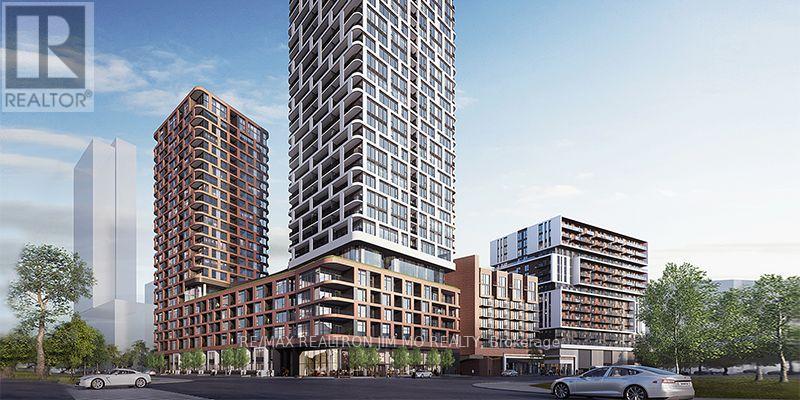 For Rent
 For Sale
 For Sale
 For Rent