
Uxbridge is a rural township of about 21,500 people on the Oak Ridges Moraine at the north edge of Durham Region, a little over an hour's drive northeast of downtown Toronto. It has one small town, a handful of hamlets and a lot of forest, horse farms and trail. Across the township, a house costs roughly a third less than the Toronto average; inside the town itself, about half. There's no train, and few houses are for sale at any one time. Everything for sale in the township today is further down the page.
Uxbridge sits at the top of Durham Region, north of Pickering, east of Whitchurch-Stouffville, south of Georgina and Brock, and west of Scugog. The township covers about 420 square kilometres, nearly half again the size of Mississauga, and the 2021 census counted 21,556 people in it. More than half of them live in the town of Uxbridge, roughly in the middle of the township. The rest are spread through the hamlets of Goodwood, Leaskdale, Zephyr and Udora and along the concession roads between them.
The township was formed in 1974, when Durham Region was created and the old Town of Uxbridge was joined to the farm townships of Uxbridge and Scott around it. The town is older: Quakers from Pennsylvania settled here from 1806, their 1820 meeting house is the oldest building in the township, and the Toronto and Nipissing Railway reached town in 1871. The railway is gone. The Victorian streets around Brock Street are still here.
Almost everything for sale in Uxbridge is a freehold house. Condominiums exist in the town in small numbers and come to market a few at a time. Across the whole township a house costs about a third less than the Toronto average. That figure hides a split: a house in the town costs about half the Toronto average, and a rural property, which here means an acreage, a farm or an estate lot in the forest, costs about 60 percent more than a house in town. Uxbridge house prices sit above Scugog’s to the east and Brock’s to the north. Current figures for Uxbridge appear beside this text, refreshed daily.
The whole township has fewer houses for sale than one busy Toronto neighbourhood, so a few new listings can move the average. Read the relationships on this page, not the number of the day.
The town of Uxbridge is a small grid of nineteenth-century streets with suburbs added in rings. The old core around Brock Street has Victorian and Edwardian houses on deep lots, a few of them grand. Around it are the subdivisions built from the 1980s on: two-storey family houses and bungalows in Quaker Village and Testa Heights, and larger houses from the early 2000s in Coral Creek. In Uxbridge, four bedrooms cost about 40 percent more than three, and five bedrooms roughly 80 percent more. Townhouses are a new arrival, like the Countryside Pointe towns on Herrema Boulevard. A condominium apartment is a rare listing here, and when one comes up it sells for less than the Toronto condo average.
Outside the town is the other half of the market, and for many buyers from the city the only reason to look at Uxbridge at all: farms, horse properties, century farmhouses on ten acres and newer estate houses on two, in the hills and forest of the moraine. The new-build offer at the top end is Coppin Forest Estates, 29 lots of one and a half to two and a half acres between the town and Goodwood. The range in rural property is wide: the Rural Uxbridge page puts an older farmhouse on ten acres at about the price of a four-bedroom in town, and a full equestrian property with an indoor arena at three or four times that.
Renting is possible but not easy. A handful of houses are for rent across the township at any time, at asking rents a little below Toronto’s. If you want to try the township for a year before you buy, start early and expect little choice.
The same interest rates and lending rules set prices in Uxbridge as in Toronto, so the township rises and falls with the city. The difference is depth. Toronto has many times the houses for sale that Uxbridge has. Here one estate listing can move the township average, and the number on any given day tells you less than the last comparable sale on the street. A house in Quaker Village or Coral Creek has a wide pool of buyers. A rural property suits one kind of buyer, the one who wants that barn and that view, so allow longer to sell one and longer to find the one you want.
Winter matters more here than in the city. A long rural driveway and a concession road the plough reaches late are part of what you’re buying, and a July viewing hides both. If you can, look at a rural property in February: you’ll see how the lane is kept, whether the house holds heat, and how long the drive to Brock Street really takes.
Supply in Uxbridge is fixed by law more than by builders. The Oak Ridges Moraine Conservation Plan and the Greenbelt keep new subdivisions to the existing settlement areas, so most of the township is off limits to them. Inside the town, a project needs an allocation of water and sewer capacity from the township before it can start, and in 2026 council was asked to grant servicing for 48 apartments in an office conversion on the condition that the project start within a year. The rules that hold supply down also mean the township is unlikely to look much different in twenty years. If that’s what you want, it’s part of what you’re paying for.
Uxbridge is reached by two roads, Highway 47 from Markham and Stouffville and Brock Road from Pickering, Ajax and Whitby, and those are the places a buyer here is comparing it with. Some buyers grew up here and are coming back with children. The rest have decided that a four-bedroom on a quiet street in a real town, with a forest at the end of it, is worth more to them than a smaller house closer in at the same price.
Horse properties are a market of their own. If you’re buying for horses, you’ll be comparing Uxbridge with King, Caledon and Erin rather than with any suburb, on paddocks, barns and arena footing rather than schools. The trails are the other draw. Mountain bikers, trail runners and skiers drive up on weekends, and some of them end up asking what a house here costs. For a retiree selling a larger house in York or Durham, a bungalow in Testa Heights or Coral Creek leaves money over. The hospital in town, small as it is, and a main street you can walk to are the reasons to pick Uxbridge over a township without them.
What everyone gives up is the train. The GO bus to the Stouffville line, and the train from there, make a daily downtown commute a long one. Uxbridge works for a household with one partner working elsewhere in Durham or York, one working from home or in town, and a car for each. A couple that wants to walk to a choice of restaurants and take a late train home should look at Stouffville or stay in the city.
This site has one neighbourhood page for the township so far.
Rural Uxbridge is everything outside the town boundary: the moraine, the forests, the farms, the horse properties, the estate subdivisions tucked into the trees near Goodwood, and the hamlets. It’s the most expensive part of the township on average and the widest in range.
The town of Uxbridge doesn’t have its own page yet. Its old core runs along Brock Street from Main Street east to Railway Street, with Victorian houses on the streets north and south of it. Quaker Village is the 1980s and 1990s family suburb on the west side, with Quaker Village Public School and St. Joseph Catholic School inside it. Testa Heights fills the southeast corner with bungalows and two-storeys from the same years and the Ewen Trail behind them. Coral Creek on the east side is the 2000s subdivision beside Uxbridge Secondary School and Joseph Gould Public School, and the newest townhouses are on Herrema Boulevard.
Of the hamlets, Goodwood on Highway 47 to the southwest is the one with a GO bus stop, about ten minutes closer to Stouffville than the town. Leaskdale to the north is where Lucy Maud Montgomery lived from 1911 to 1926 and wrote eleven of her books. Zephyr and Udora at the top of the township are farm hamlets closer to Lake Simcoe than to Toronto. Glen Major in the south gives its name to the forest around it.
No train comes to Uxbridge. The old station on Railway Street is a GO bus stop, and GO routes 70 and 71 run from there through Goodwood to the Stouffville line. A few buses a day go straight through to Union Station, the first before dawn and the others in the afternoon, and take about an hour and twenty-five minutes. The rest of the day the bus runs every hour or two to Mount Joy or Unionville GO, where you change to the train. Allow an hour and a half door to door from a house in town to a desk downtown, and more on an ordinary day. Old Elm GO in Stouffville is the end of the line, and most trains turn back at Mount Joy.
By car the route is Highway 47 west through Goodwood to Stouffville and down the 404, or Brock Road south to Highway 407 and the 401 at Pickering. It’s about 70 kilometres from Brock Street to Union Station, a little over an hour with the roads empty, and the roads aren’t empty at 8am. Highway 47 has been a regional road, not a provincial highway, since the province handed it over in 1998.
Inside the township, Durham Region Transit runs route 605 through the town, route 905 to Port Perry and on to Whitby, and route 950 to Port Perry and the Oshawa campus of Ontario Tech and Durham College. Everywhere the fixed routes don’t go, DRT’s On Demand service picks you up from the end of the driveway, booked by app or phone. It works, and it isn’t a substitute for a car. Cycling is a sport here, not a way to get to work, because the roads out of the township are fast country highways.
In 2009 the federal government designated Uxbridge the Trail Capital of Canada for more than 220 kilometres of managed trails across some 3,200 hectares of protected land. The Trans Canada Trail follows the old rail line into town and out through the forests. The Oak Ridges Moraine, the ridge of glacial sand and gravel that runs across the top of the GTA, crosses the whole township.
The big public tracts are in the south. The Durham Regional Forest is the Region’s own. Glen Major Forest and Walker Woods, owned by the Toronto and Region Conservation Authority, run south from there toward the Pickering border through old plantations, hardwood bush and the headwaters of Duffins Creek. On a Saturday you’ll share the track with runners, mountain bikers and dog walkers.
The township has two ski hills, Lakeridge and Dagmar, and four golf clubs, Wooden Sticks, Mill Run, Wyndance and Coppinwood. In town, the Ewen Trail behind Testa Heights gets you into the forest from a suburban back gate. The Region’s economic development office lists a proposed Uxbridge Urban Provincial Park among the projects coming to the township, though nothing has opened yet. Lake Simcoe is a short drive north.
Uxbridge still shops on its main street. Brock Street between Main and Railway is lined with independent shops, restaurants and coffee shops in the Victorian commercial blocks, and the BIA counts more than 250 businesses in and around the core. Blue Heron Books trades out of a 200-year-old building, and the Roxy is an Art Deco cinema still showing films. The chain shopping is on Toronto Street South at the south entrance to town: Zehrs and Canadian Tire side by side and Walmart around the corner on Welwood Drive. For anything else you drive to Markham or Whitby.
Oak Valley Health runs the Uxbridge hospital. It opened in the late 1950s as the Uxbridge Cottage Hospital, has 20 inpatient beds and a 24-hour emergency department, and is about to be rebuilt. The province and Infrastructure Ontario are procuring a new hospital of about 140,000 square feet on the same site with more beds, emergency, ambulatory care and diagnostic imaging. Five builders were shortlisted in May 2026, the request for proposals went out on 19 June 2026, and the builder is to be chosen in spring 2027. Construction and opening dates will follow that.
The township’s employers are small. The Region’s economic profile names Pine Valley Packaging, Koch-Glitsch Canada, Castool Tooling Systems and Stanmore Load Lifter among the manufacturers, Reachview Village and the hospital in health care, and the ski hills and golf clubs in tourism. Many residents drive to jobs elsewhere in Durham and York every day.
Uxbridge is Durham District School Board territory for English public schools and Durham Catholic District School Board territory for English Catholic ones. Every public school student in the township goes to Uxbridge Secondary School, which traces itself back to 1872 and had about 1,020 students in 2023-24. It runs a dual-track French immersion program, one of eight secondary schools in the board that do, and offers Specialist High Skills Majors in construction, environment, health and wellness, and hospitality and tourism. Its feeder schools are Uxbridge Public School, Quaker Village, Joseph Gould, Goodwood and Scott Central public schools, Claremont Public School over the Pickering line, and St. Joseph Catholic School. Uxbridge Public School has the town’s single-track French immersion elementary program.
St. Joseph on Quaker Village Drive is the only Catholic school in the township, and it’s an elementary school. The Catholic board’s seven secondary schools are all in the south of the Region, in Ajax, Pickering, Oshawa and Whitby, so a Catholic high school education from Uxbridge means a long bus ride every morning.
Boundaries inside the town are drawn by the board and don’t follow the names people use for the subdivisions. A street can be the line between one elementary school and the next. Rather than trust the listing, put the address into the board’s own lookup.
There’s no college or university in the township. Ontario Tech University and Durham College share a campus in north Oshawa, a drive or a long ride on the 950 bus, and Trent University’s Durham campus is in Oshawa too.
The township sold the Lower Brock Street lands, 1.9 acres at the northeast corner of Brock and Toronto Streets that held the municipal parking lot and a run of older buildings, to One Horizon Inc. for $2.5 million in April 2026. The developer has shown preliminary plans for a town square, public washrooms and apartments over shops, with the taller buildings possibly reaching six storeys. Demolition and soil testing started in 2026, and the developer said he hoped to start building in the fall of 2026.
The hospital rebuild is the other large project, with the builder to be chosen in spring 2027 and the new building going up on the same site as the old one.
Beyond those two, growth comes in small pieces. A 48-unit conversion of the five-storey office block at Brock and Victoria to apartments was before council in 2026, waiting on a water and sewer allocation. Coppin Forest Estates is adding 29 estate lots between the town and Goodwood. Mosaik Homes is building Mill Pond Lane on Mill Street. None of these is large, because the moraine plan and the Greenbelt keep new building to the existing settlement areas.
The last big change was unplanned. The EF2 tornado of 21 May 2022 tracked 17 kilometres through the township and damaged buildings in the core, two apartment buildings and Trinity United Church. The state of emergency ended that July, and the repairs took longer. If you’re buying an older building in or near the core, ask what was repaired after the storm and who did the work.
Is Uxbridge cheaper than Toronto?
Yes, by about a third across the township and by about half for a house inside the town, and the reason is distance. Uxbridge is 70 kilometres from Union Station with no train, so the buyers who set Toronto prices mostly aren’t bidding here. What that buys is a detached house in Quaker Village or Coral Creek, with a garage and a forest at the end of the street, for about half what a detached house costs in Toronto. The gap narrows the moment you leave town. Rural Uxbridge, the farms, acreages and estate lots on the moraine, averages about 60 percent more than a house in town and brings the township average up to about a third below Toronto’s. Property tax and cars run the other way. The tax bill here is set by the township and the Region together, and both raised their share for 2026, the township by 1.26 percent and the Region, the larger part of the bill, by 4.8 percent. Outside the core a second car is close to compulsory, and the CAA’s figure for running a mainstream compact is roughly $9,500 a year. A rural property adds a well, a septic system and a long driveway to plough. Put all of that in the monthly budget before you compare mortgages.
How do you commute from Uxbridge to downtown Toronto?
By GO bus to the Stouffville line and train from there, or by car down Highway 47 and the 404, and either way plan on an hour and a half or more each way. There’s no train to Uxbridge. GO routes 70 and 71 leave the old station on Railway Street, stop in Goodwood, and reach the Stouffville line at Stouffville and Mount Joy. A few trips a day, very early in the morning and in the afternoon, run straight through to Union Station in about an hour and twenty-five minutes. Through the rest of the day the bus runs every hour or two to Mount Joy or Unionville, where you change to the train for the rest of the way. Check the current GO schedule before you buy, because the pattern changes. By car, it’s about 70 kilometres to Union Station, a little over an hour with the roads clear, and they aren’t clear at rush hour. Anyone moving here with a five-day downtown job should have a plan for changing something: a job in Markham or Whitby, a hybrid week, or a desk at home. If a daily downtown commute is fixed, look at Stouffville or Markham instead and come to Uxbridge for the trails on weekends.
Is Uxbridge a good place to retire?
It is one of the better places in the GTA to retire if you can drive, and a hard place if you can’t. The case for it starts with the hospital, a 24-hour emergency department in a town of this size, which is about to be rebuilt as a larger hospital with the builder to be chosen in spring 2027. The main street is walkable from the older streets around the core. A bungalow in Testa Heights or Coral Creek costs about half what a detached house costs in Toronto, so selling a suburban house and buying one here leaves money over. The rail trail through town is flat and good for a daily walk, and the seniors’ centre, the library and the Roxy give the winter some structure. The case against it is the car. Durham Region Transit’s On Demand service will collect you from the driveway, and it’s a booking, not a bus you can step onto. Specialist care beyond what the hospital provides means a drive to Markham Stouffville Hospital or to Oshawa, and a snowstorm makes Highway 47 a slow road. Buy in or near the core, so that when the car goes you can still walk to the pharmacy, the bank and a coffee.
What should I know before buying a rural property in Uxbridge?
Start with the water, the septic system and the zoning, and budget time for all three. Outside the town, properties are on wells and septic systems. Get a water quantity and quality test and a septic inspection written into the offer as conditions, because a failed septic bed is an expensive repair and a well that runs dry in August is worse. Then read the zoning. Most of the township lies inside the Oak Ridges Moraine Conservation Plan and the Greenbelt, which decide what you can build, where you can put a second dwelling and whether that barn can become a workshop. A property in a Natural Core area of the moraine has far fewer options than one in a Countryside area, and the listing will not tell you which it is. Ask the township’s planning department, which will. Check who maintains the road, because a township concession road is ploughed on a schedule and a private lane is your problem. Walk the boundaries with a survey in hand, because a fence line on a hundred-acre farm is often not the lot line, and ask whether a trail easement crosses the land, since some of the township’s trails cross private property by agreement. If you are buying for horses, the fencing, drainage and arena footing need an inspection as much as the house does. The Rural Uxbridge page goes further into all of it.
Uxbridge has so few houses for sale that one estate listing moves the township average, and a Toronto agent who reads that average as a price will be wrong. They also won’t know that supply here is fixed by the moraine plan and the Greenbelt rather than by builders, that the GO bus from the old station on Railway Street takes about an hour and twenty-five minutes to Union, or that Uxbridge Secondary is the only high school and runs a dual-track French immersion program.
The agent we refer Uxbridge buyers to has looked at rural properties in February, when the lane and the furnace tell the truth. Ask for a Quaker Village four-bedroom near the schools, or ten acres with a barn and a riding ring on a road the plough reaches early, and they’ll bring the last comparable sale on that road and the moraine zoning for the lot.
The Rural Uxbridge page above is the place to start. When you’re ready, let us know and we’ll put you in touch.
Street-level knowledge is hard to find online. Our team works in Uxbridge every day. They know which pockets hold value, where the school catchment lines actually fall, and what the market is doing right now. Talk to us before you make a decision about Uxbridge.
Talk to a local agent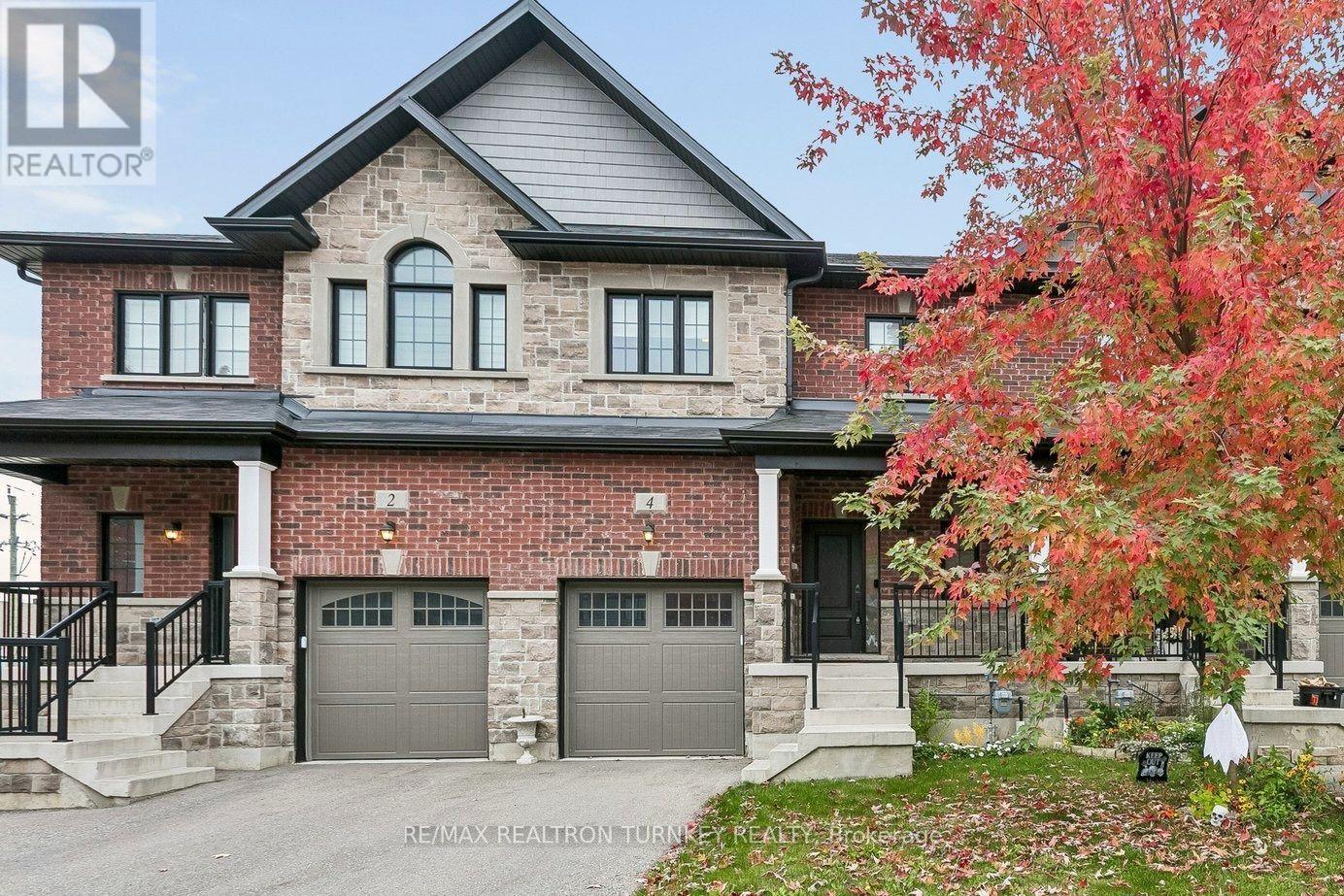 For Sale
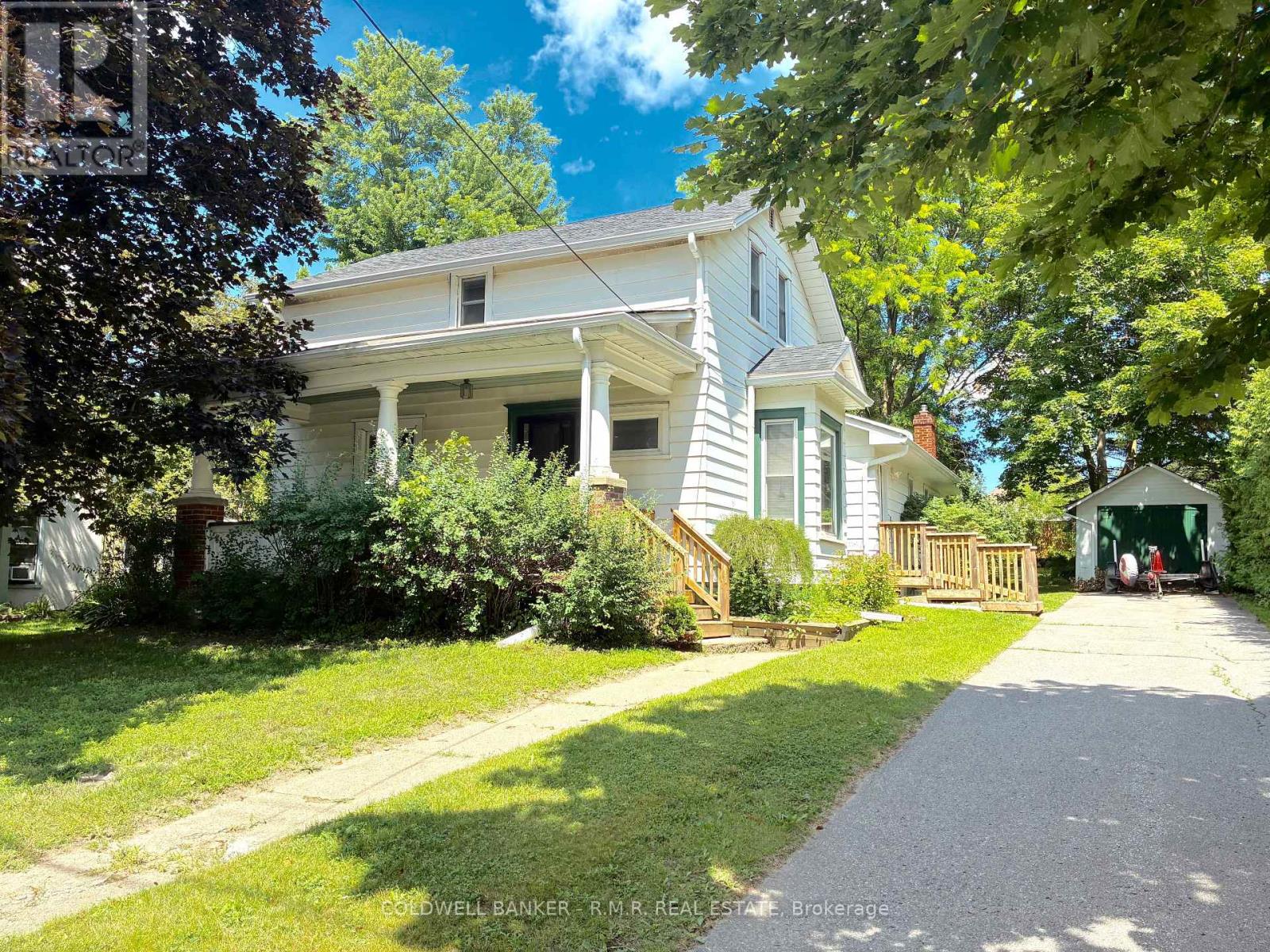 For Sale
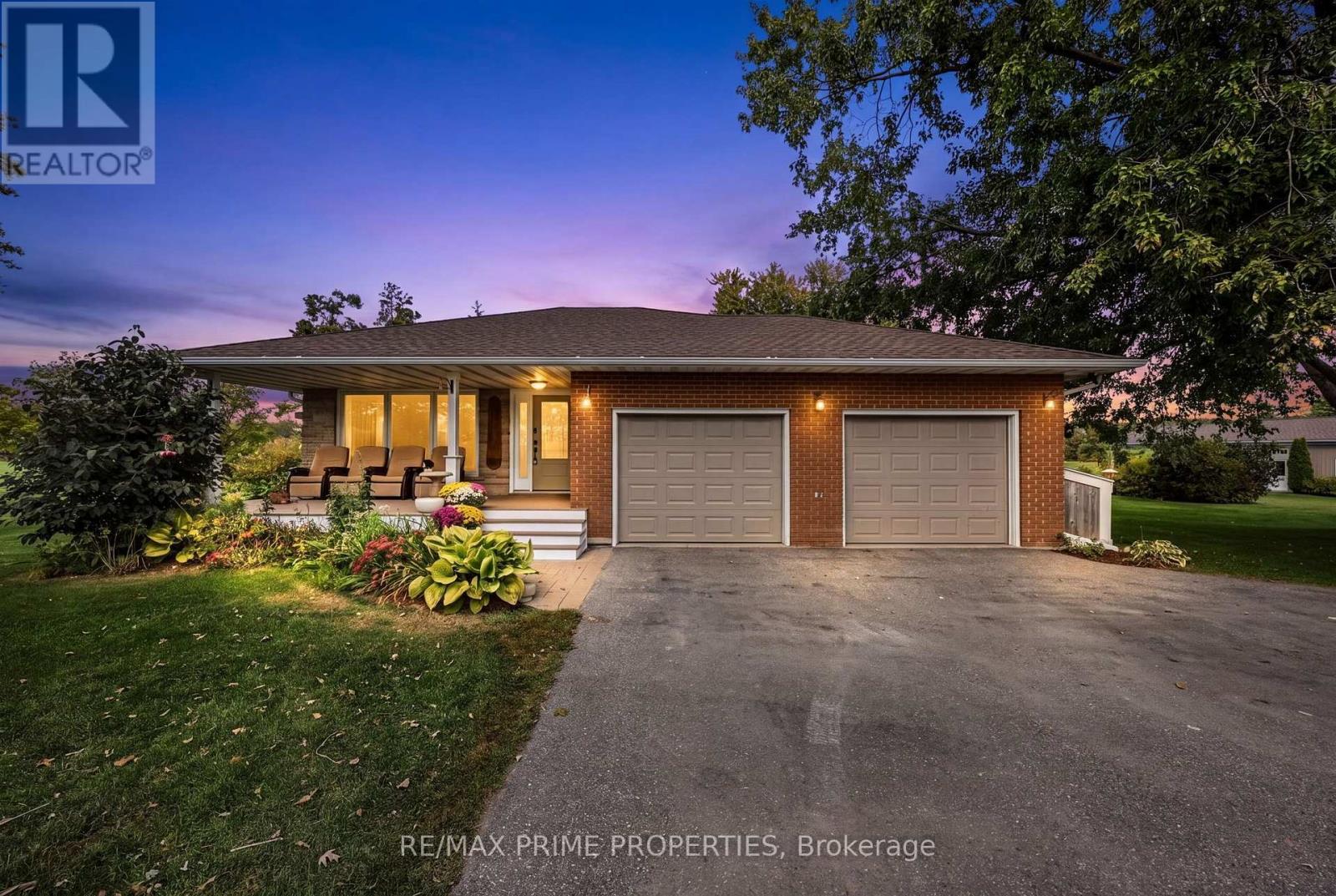 For Sale
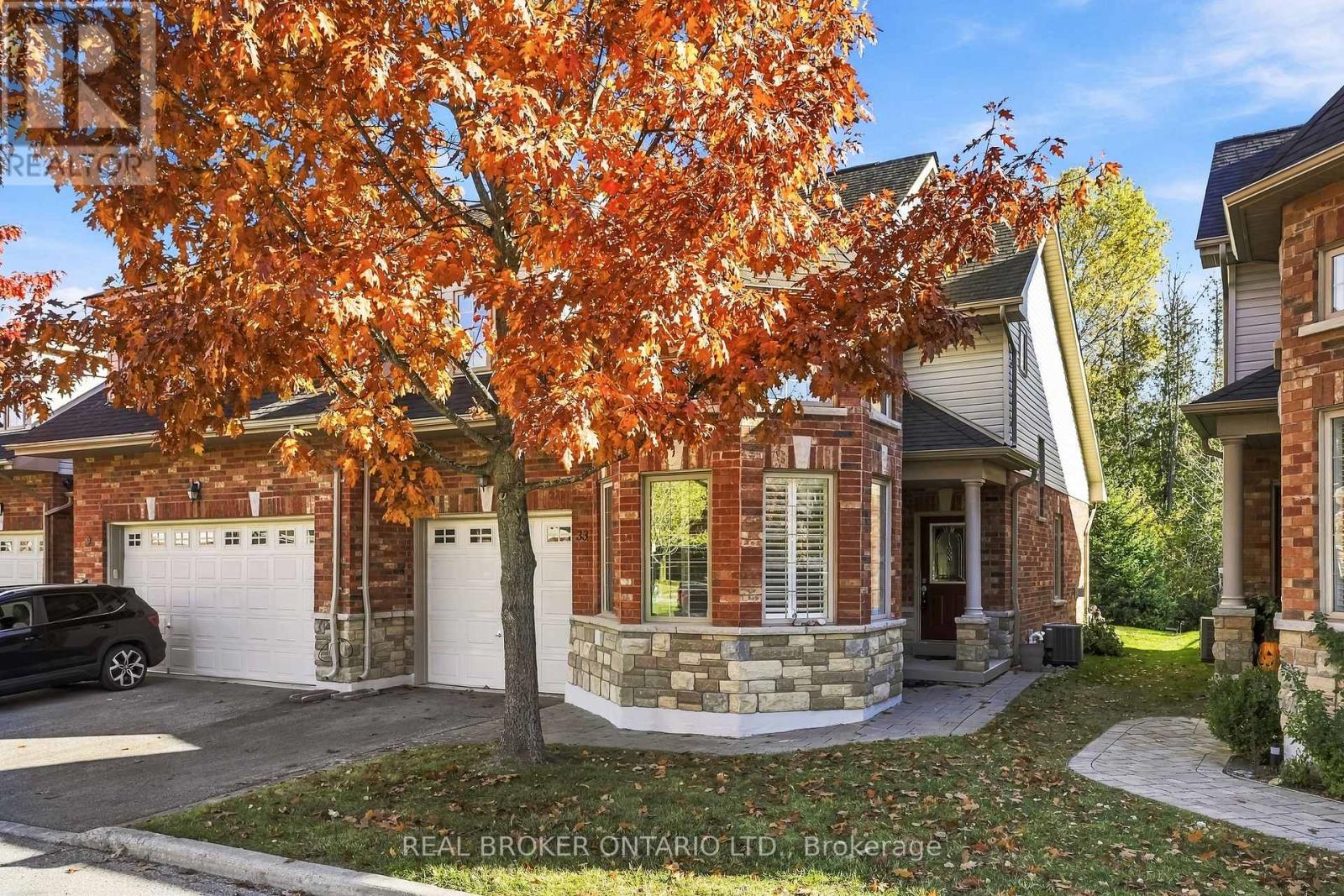 For Sale