
Vanier is a central-west Oshawa neighbourhood with affordable older housing stock from the post-war era, close to downtown Oshawa and the Stevenson Road commercial corridor.
Vanier is a central Oshawa neighbourhood in the traditional working-class mould, situated south of Rossland Road and north of Bloor Street, between Ritson Road to the west and Harmony Road to the east. Named for Georges Vanier, the Governor General of Canada from 1959 to 1967, the neighbourhood developed primarily in the 1950s and 1960s to house the workers at the General Motors plants and the broader Oshawa industrial economy. The housing reflects that origin: bungalows, semis, and modest detached two-storeys built for practicality rather than prestige.
Vanier is one of the more affordable detached home markets in Oshawa. The combination of central location, reasonable lot sizes, and relatively modest housing stock produces prices that sit at or below the Oshawa average for detached homes. For buyers whose budget doesn’t reach the north Oshawa subdivision market or the premium south Oshawa waterfront properties, Vanier offers the detached home format at accessible prices in a neighbourhood that has the full complement of Oshawa’s city services within reach.
The neighbourhood has been going through a gradual demographic shift over the past decade as younger buyers, investors, and immigrants discover its affordability and central location. The incoming population is more diverse than the long-term established community and brings with it new businesses, restaurants, and a commercial character that’s different from the mid-century commercial strip that originally served the neighbourhood.
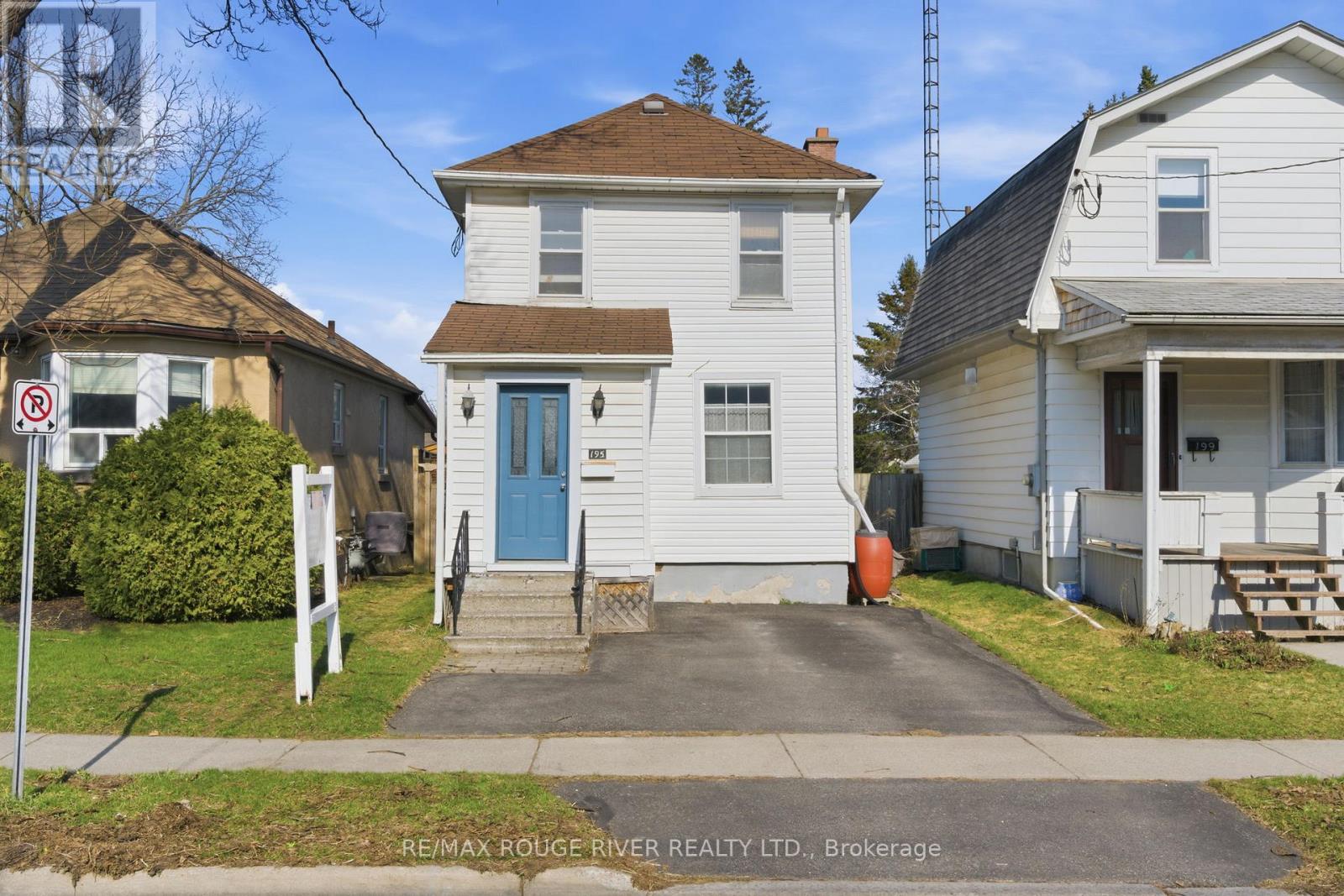
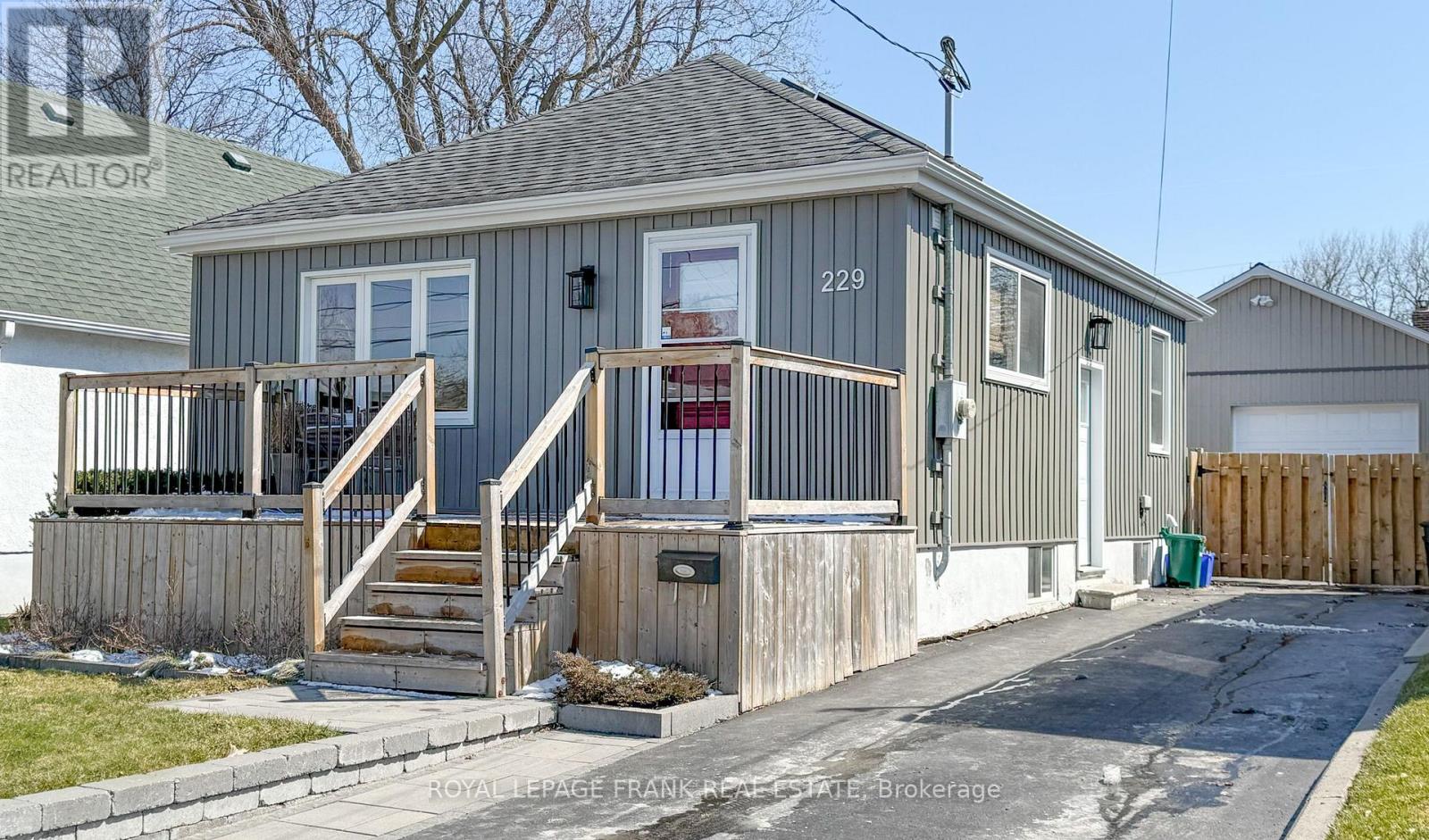
Detached bungalows are the most common property type in Vanier, particularly in the southern and central streets. These are post-war construction: modest footprints on 40 to 55 foot lots, typically 950 to 1,200 square feet above grade, with full basements that have often been finished or converted to additional living space. In early 2026, a bungalow in Vanier is typically priced between $540,000 and $680,000 depending on condition and specific location. Properties at the low end need work; properties at the high end have been updated.
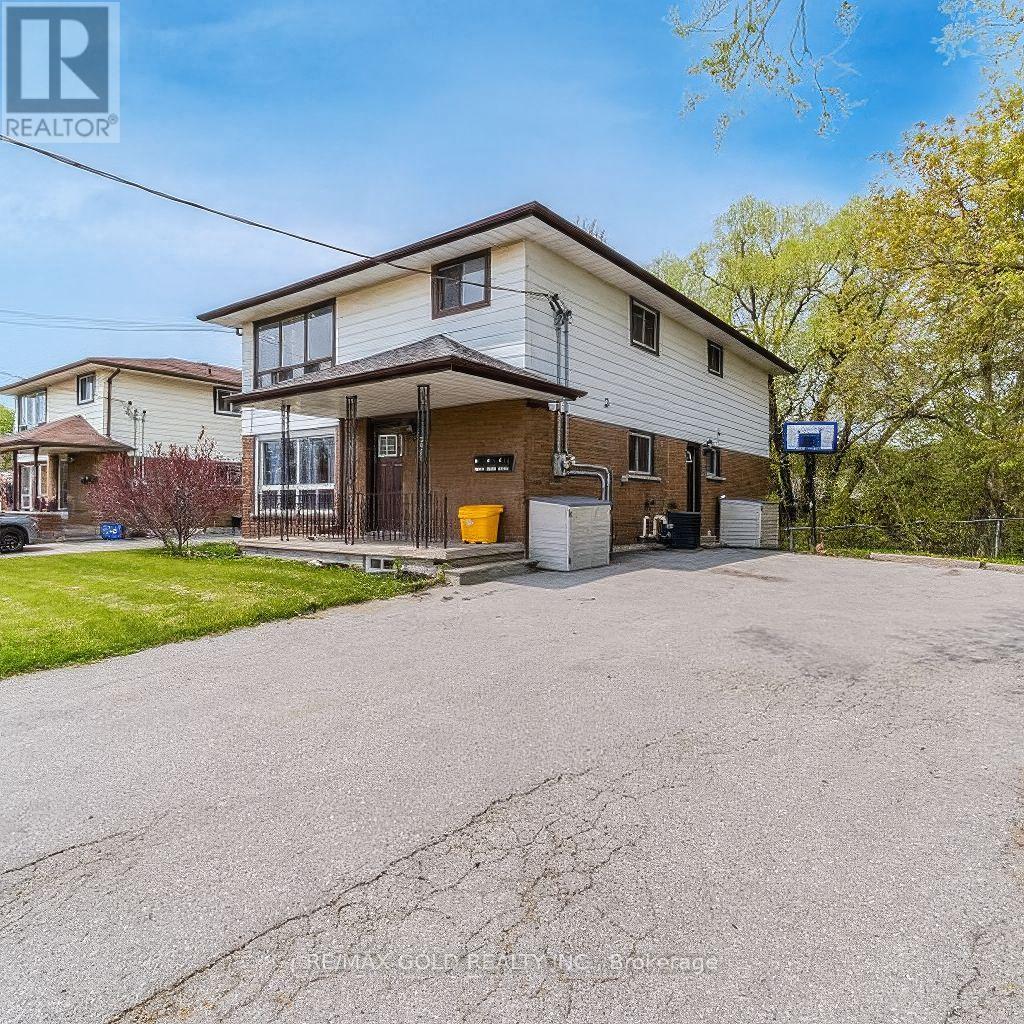
Detached two-storeys and semi-detached homes exist in Vanier and provide alternative formats at different price points. Semi-detached homes are typically $50,000 to $80,000 below comparable detached homes and attract first-time buyers who want the detached character without the detached premium. Detached two-storeys from the 1970s and 1980s in the northern part of the neighbourhood price from $650,000 to $800,000 in current conditions.
The property values recorded for Vanier show an average around $576,000 sold price based on recent transaction data, with listing prices higher — indicating a market where sellers are not always getting their asking price. This reflects the current buyer-friendly environment in Oshawa broadly and the specific condition variability in a neighbourhood with older housing stock.
Vanier’s central position in Oshawa places it within 15 minutes of most things that Oshawa residents use regularly. Downtown Oshawa is 10 to 15 minutes southwest. Oshawa Centre is 10 to 15 minutes west. The GO station at Bloor Street West is approximately 15 minutes south or west depending on route. Lakeridge Health Oshawa hospital is close. The Ontario Tech and Durham College campuses on Simcoe Street are 15 to 20 minutes north. The central location is the neighbourhood’s most consistent selling point because it doesn’t depreciate with the housing stock.
The Harmony Road corridor, which runs along the eastern edge of the neighbourhood, is the primary commercial spine for east-central Oshawa. Grocery, pharmacy, fast food, auto services, and the service retail that lines major arterials are available on Harmony without a significant drive. The Walmart at Bloor and Harmony is the closest major grocery destination for most Vanier residents. The commercial access is functional rather than charming, but it covers the practical needs of daily life.
The Ritson Road corridor to the west provides a parallel commercial strip and the connection to downtown Oshawa’s civic and cultural facilities. The Robert McLaughlin Gallery, the main public library, and the Regent Theatre are in the downtown area accessible by a short drive or an extended walk from Vanier. The civic infrastructure of an established city is more available from Vanier’s central position than from the north Oshawa suburbs.
First-time buyers working with budgets in the $550,000 to $700,000 range find Vanier one of the few places in Oshawa where a detached bungalow is accessible at those prices. The neighbourhood delivers the property format — detached home, reasonable lot, finished basement potential — at a price point that’s out of reach in Whitby, Pickering, or Ajax for comparable property. The trade-off is older housing stock and a neighbourhood that doesn’t have the prestige of north Oshawa’s newer subdivisions, but the property itself is real.
Investors are active in Vanier’s bungalow market. The relatively low purchase prices, the potential for basement suites, and the consistent rental demand from the Oshawa working and student population make Vanier bungalows viable rental investments for smaller investors. Properties with existing suites are preferred because the configuration and compliance work is already done. Properties where a suite needs to be added require a capital budget that needs to factor into the acquisition analysis.
New Canadian families who are establishing themselves in Oshawa find Vanier accessible on multiple dimensions: price, transit, and the emerging diversity of its commercial scene. The neighbourhood’s demographic evolution over the past decade has been toward a more diverse population that is more representative of contemporary Oshawa than the homogeneous working-class community of its 1960s formation.
Vanier is a neighbourhood where individual property condition varies more than in newer subdivisions. A bungalow from 1965 that has had three owners, each of whom invested in the property, is a fundamentally different proposition from a bungalow from the same year that has been neglected since 1985. The price signals some of this variation, but not all of it is visible in the listing price. A thorough home inspection before offer is not optional in Vanier — it’s the mechanism by which buyers understand what they’re actually buying.
The most common issues in Vanier’s older bungalows: knob-and-tube wiring that hasn’t been fully replaced (common in pre-1960s construction and sometimes lurking in older sections of post-war builds); original cast iron drainage that is corroding; single-pane windows throughout; and older oil or electric heating systems that are inefficient and near end of service life. None of these are showstoppers individually. All of them together represent a substantive capital program that buyers need to budget for if they’re buying a property in original or near-original condition.
The renovation market in Vanier has been active. Investors and owner-occupiers have been buying and improving older bungalows for resale or rental, and the result is that renovated properties are well represented alongside unrenovated ones. A renovated Vanier bungalow at $680,000 is a different product from an unrenovated one at $560,000. The renovation cost bridging is approximately right for the market in most cases; the question is whether a buyer wants to inherit someone else’s renovation choices or make their own.
Oshawa GO station on the Lakeshore East line is approximately 15 minutes south or west from Vanier depending on the specific address. Highway 401 is accessible at Harmony Road or Simcoe Street, both within a 10 to 15 minute drive south. Transit on Harmony Road provides bus connections south toward the GO station and north toward the Ontario Tech and Durham College campuses.
Vanier’s central position gives it better transit options than the north Oshawa suburbs but worse options than a truly urban address. Durham Region Transit’s Harmony Road route is one of the more useful transit connections in east Oshawa, providing service at reasonable frequency to the commercial strip and the connecting routes. For residents willing to use transit for some trips, Vanier is one of the better-positioned Oshawa residential areas for bus access.
Cycling on the interior residential streets is practical. Harmony Road and Ritson Road have significant traffic but the quieter cross streets provide reasonable cycling routes for neighbourhood-level trips. The broader Oshawa trail network is accessible, though the connection from Vanier to the major trail corridors involves some road cycling. The neighbourhood is more walkable and cyclable than the north Oshawa subdivisions by the nature of its denser grid layout, though it doesn’t approach the walkability of a genuinely urban neighbourhood.
Central Oshawa school catchments in Vanier are within the DDSB secondary structure for the mid-city area. ONeill Collegiate and Vocational Institute and Eastdale CVI are the secondary schools most likely to serve Vanier addresses depending on location within the neighbourhood. Confirm the specific secondary school catchment for any address using the DDSB school locator at ddsb.ca. The DDSB boundary reviews associated with the new north Oshawa secondary school opening in September 2026 are primarily affecting north Oshawa catchments, but confirming the current status for central Oshawa addresses is still appropriate.
Elementary school catchments are served by the DDSB’s central Oshawa schools. Durham Catholic District School Board (DCDSB) serves Catholic families with parallel catchments. Both school systems provide elementary and secondary education accessible from Vanier within the standard Durham Region school bus or walking catchment structures.
The proximity to Ontario Tech University and Durham College creates the same student rental market dynamic as in other central and north Oshawa neighbourhoods. Students from both institutions seek rental accommodation across central Oshawa, and basement suites in Vanier bungalows are part of that rental market.
Vanier has been experiencing slow but visible neighbourhood change through the 2010s and into the 2020s. The affordability of the bungalow stock has attracted a wave of buyer-renovators who are improving properties and staying, and a parallel wave of investors who are improving properties and renting or reselling. The result is that the neighbourhood looks better maintained than it did ten years ago even though the underlying housing stock is older than ever.
New ethnic food businesses, small restaurants, and specialty grocery options have appeared on the commercial strips adjacent to Vanier over this period, reflecting the neighbourhood’s demographic evolution. The commercial character of Harmony Road adjacent to the neighbourhood now includes options that were absent when the community was more homogeneous. This is not a transformation but an evolution, and the process is continuing rather than complete.
Large-scale redevelopment of individual residential properties is uncommon in Vanier because the lot sizes don’t support significant intensification without rezoning, and the neighbourhood’s designation under the Official Plan doesn’t currently promote intensification on the residential interior streets. The change happening in Vanier is renovation and demographic turnover rather than physical transformation. For buyers who want a stable neighbourhood character that’s changing gradually rather than dramatically, Vanier fits that description.
Buyers evaluating central Oshawa often compare Vanier alongside ONeill to the west and McLaughlin to the northwest. The practical distinctions are: ONeill has the ONeill CVI school catchment advantage, particularly the French Immersion program, and is slightly better positioned for transit on the Simcoe Street corridor. McLaughlin has the Oshawa Centre adjacency and the R.S. McLaughlin CVI FI program. Vanier is typically the most affordable of the three for comparable property.
The price differential between Vanier and ONeill for a similar bungalow is approximately $40,000 to $80,000. Buyers who have a specific FI school catchment requirement and are choosing between Vanier and ONeill on price need to weigh whether the school catchment is worth the premium in their specific situation. For buyers without the FI requirement, Vanier offers comparable access to downtown, Oshawa Centre, and the transit corridors at a lower price.
The housing stock in all three central Oshawa neighbourhoods is similar in age and type. The same inspection approach applies: older bungalows, post-war construction, variable condition, requiring thorough pre-purchase inspection. The neighbourhood distinctions matter more for specific lifestyle preferences — school catchment, mall proximity, or transit access — than for property condition, which varies within each neighbourhood rather than between them.
Vanier is one of the more active investment markets in central Oshawa for precisely the reasons that make it an accessible owner-occupier market: lower purchase prices, older housing stock suitable for renovation-to-rent, and consistent rental demand from the Oshawa working population and student rental market. The investor presence in the neighbourhood has contributed to the improvement in maintenance standards visible over the past decade.
The capital improvements required to turn a neglected Vanier bungalow into a functioning rental property — electrical, plumbing, HVAC, windows, and the basement suite compliance items — run $60,000 to $120,000 for a full renovation to rental standard. Adding this to a $560,000 to $600,000 purchase price produces an all-in cost that competes reasonably with the direct purchase of a renovated property at $680,000. Investors who do the work themselves or have strong contractor relationships can make the economics work better than the all-in cost suggests.
Rental rates for a full upper bungalow in Vanier are in the $1,800 to $2,200 per month range. A basement suite adds $1,200 to $1,600 per month. Combined rents of $3,000 to $3,800 per month on a property costing $560,000 to $680,000 produce cash flow that is neutral to modestly positive at current interest rates — not exceptional, but not the cash-flow-negative profile of the higher-priced suburban markets.
Q: What are home prices in Vanier Oshawa in 2026?
A: Detached bungalows in Vanier are priced from approximately $540,000 to $680,000 in early 2026 depending on condition and location within the neighbourhood. Semi-detached homes are $50,000 to $80,000 below comparable detached prices. Detached two-storeys run $650,000 to $800,000. The average sold price recorded for Vanier has been around $576,000, reflecting the mix of property types and conditions that trade in the neighbourhood. The market in 2026 is soft enough that buyers have time to find the right property and include conditions. For a bungalow in Vanier, a thorough home inspection is essential — condition varies significantly in this vintage of housing and the inspection is what separates a well-priced opportunity from a problem purchase.
Q: Is Vanier safe?
A: Vanier has historically carried a perception of being less safe than north Oshawa’s newer subdivisions, which reflects the general association between older urban housing and crime rates rather than specific current conditions. Crime statistics for Oshawa are available from Durham Regional Police Service and show that the downtown core and its immediate surroundings have higher incident rates than the north Oshawa subdivisions. Vanier sits between these poles. The neighbourhood has been improving with the renovation and demographic change of the past decade. The best assessment is to visit the neighbourhood at different times — morning, evening, weekend — and make your own judgment based on current conditions rather than older reputations.
Q: How does buying in Vanier compare to buying in ONeill?
A: Vanier typically prices $40,000 to $80,000 below ONeill for comparable bungalows. ONeill’s premium reflects its school catchment (particularly the ONeill CVI French Immersion program), its slightly better transit access on the Simcoe Street corridor, and its proximity to Oshawa Centre to the west. Buyers without the FI school catchment requirement will find that the practical quality of life in both neighbourhoods is similar, and the Vanier price difference buys a meaningful renovation budget or reduces the mortgage substantially. Buyers with the FI requirement need to be in ONeill’s specific catchment, which is worth confirming for any specific address.
Q: What should I inspect carefully in a Vanier bungalow?
A: Pay specific attention to: the electrical panel and wiring type — pre-1960s construction may have knob-and-tube wiring that requires remediation before the property is insurable on standard terms; the basement floor drain and foundation waterproofing — older bungalows in central Oshawa have drainage systems that can surcharge during heavy rainfall events; the furnace and water heater — original equipment from the 1960s or 1970s is a capital expense waiting to happen; and the roof — get the age of the last shingle installation and compare to the expected lifespan. A comprehensive home inspection by a qualified inspector is the most important single step in a Vanier purchase. Budget two hours for the inspection and ask the inspector to walk you through every finding.
Vanier was named for Georges-Philéas Vanier, the 19th Governor General of Canada, who served from 1959 until his death in 1967. Vanier was the first French-Canadian Governor General and was deeply respected for his diplomatic service and his public commitment to Canadian unity during a period of significant national tension. The neighbourhood was developed in the 1950s and 1960s and the naming followed the convention of honouring public figures who were prominent at the time of development.
The residential development of Vanier was directly tied to the expansion of General Motors’ Oshawa operations in the mid-20th century. The Autoplex complex on the south side of the city employed tens of thousands of workers at its peak, and the residential areas of central and east Oshawa were built to house that workforce and their families. Vanier’s bungalows were the housing of auto workers: modest, practical, built on lots that allowed a garden and a garage without excess.
The decline of General Motors’ employment in Oshawa through the 1990s and 2000s, culminating in the closure of the assembly operations in 2019, removed the primary historical employer from the economic context that created Vanier. The neighbourhood’s population adjusted, with some long-term residents moving to retirement or to follow family, and new arrivals filling the space left by demographic turnover. The result is a neighbourhood that carries the physical character of its 1950s and 1960s origins with a population profile that is more representative of contemporary Oshawa’s economic and demographic diversity.
Street-level knowledge is hard to find online. Our team works in Vanier every day. They know which pockets hold value, where the school catchment lines actually fall, and what the market is doing right now. Talk to us before you make a decision about Vanier.
Talk to a local agent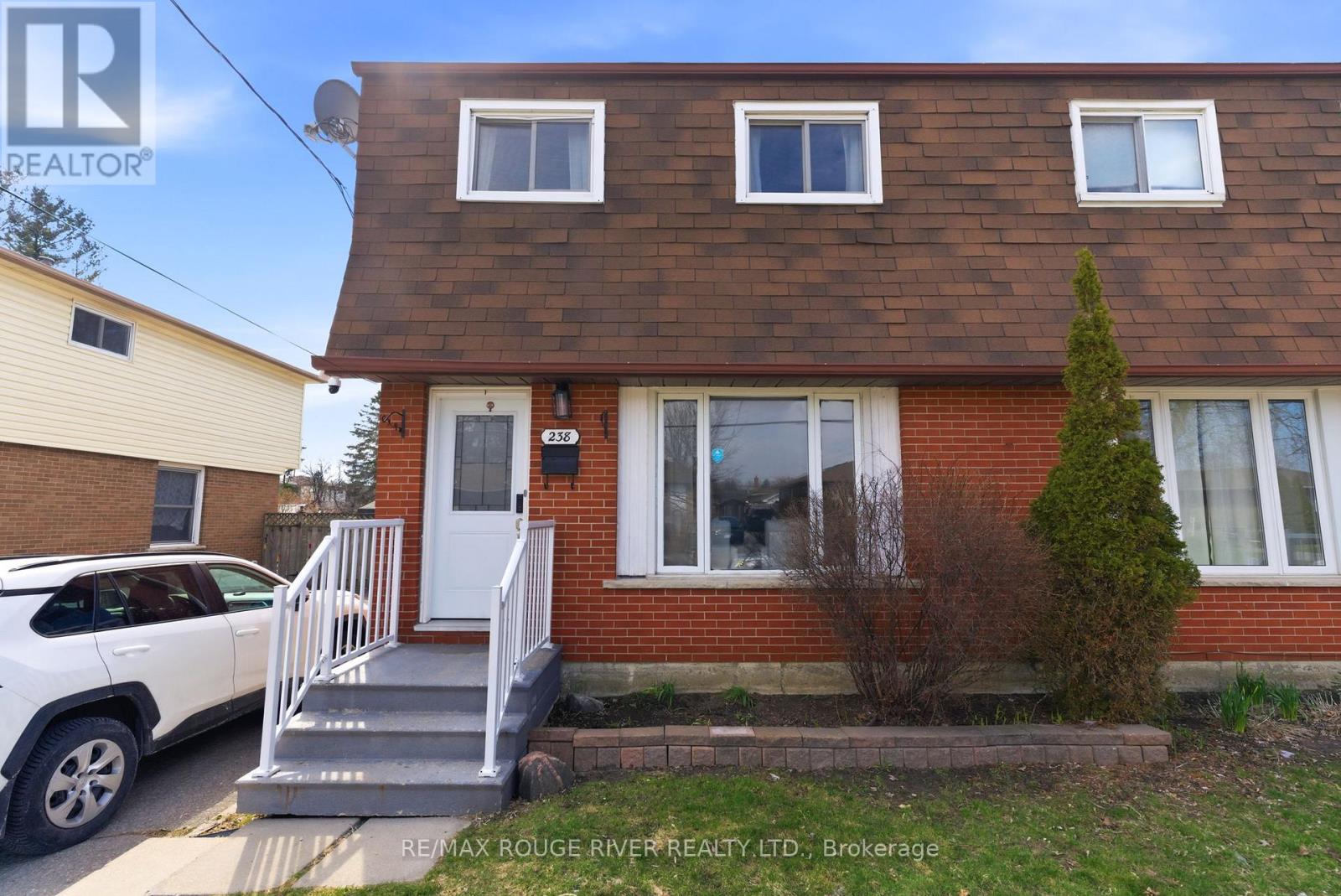 For Sale
 For Sale
 For Sale
 For Sale