
Vaughan Grove is a south-central Vaughan neighbourhood of 1990s detached and semi-detached homes, offering family living near the Jane Street corridor with VMC subway and Highway 400 accessibility.
Vaughan Grove is a south-central Vaughan neighbourhood west of Jane Street, built primarily through the 1990s and offering mid-market family housing at prices that reflect the neighbourhood’s straightforward suburban character rather than any premium positioning. It is not a neighbourhood with a distinctive identity or a specific community anchor, but it functions well for families who want a Vaughan address with highway access, a reasonable school system, and proximity to the commercial infrastructure that serves the broader southwest Vaughan area.
Jane Street and Rutherford Road form the main arterial boundaries, with the neighbourhood’s residential interior accessed via the collector roads that connect the arterials. Highway 400 is accessible within 10 minutes, and the VMC subway terminus is approximately 15 minutes by car or by YRT routes along Jane Street. This combination of highway and transit access positions Vaughan Grove as one of the more transit-accessible parts of suburban Vaughan outside the immediate VMC corridor.
The housing stock is predominantly detached and semi-detached from the early to mid-1990s, with some townhouse clusters at the edges. The construction vintage means buyers are evaluating homes that have the typical 1990s suburban character: solid structure, dated cosmetics, and mechanicals approaching the end of their service life in many units. This creates the same two-tier market of renovated-premium and original-condition-discount that characterizes most of south-central Vaughan’s established residential fabric.
The Italian Canadian community presence extends into Vaughan Grove from the Woodbridge communities to the west, and the neighbourhood has also seen growing South Asian and other diverse community buyer activity consistent with the demographic diversification of the broader southwest Vaughan area. The neighbourhood is functional and diverse rather than prestigious or distinctive, which is the right description for a community that draws buyers primarily on value and access rather than on community identity or premium residential character.
Vaughan Grove detached homes trade in the $1.0 million to $1.5 million range for standard four-bedroom properties, with variation based on condition, lot size, and renovation level. The mid-market positioning is consistent with the neighbourhood’s character: buyers are getting solid 1990s construction at prices that are below the newer-build premium of Vellore Village or Patterson and above the condo-heavy Concord market. Semi-detached and townhouse product is priced from $850,000 to $1.1 million, drawing first-time buyers and downsizers who want the Vaughan address without the full detached outlay.
The renovation opportunity in Vaughan Grove is real. A 1993 detached in original condition trades at a discount to a renovated comparable, and the discount often exceeds the actual renovation cost at current contractor pricing, which means buyers who can manage a project find genuine value here. The quality of the underlying construction is adequate: poured foundation, 2×6 framing in most units, standard mechanical systems that can be upgraded incrementally. The renovation investment concentrates in kitchen, bathrooms, and flooring, which is the most impactful sequence for this housing vintage.
Property tax on a $1.2 million Vaughan Grove home runs approximately $5,500 to $7,000 annually, consistent with the Vaughan residential rate schedule. Closing costs including Ontario land transfer tax (there is no municipal LTT in York Region) run approximately 1.5 to 2 percent of the purchase price above the down payment, which buyers should factor into their total acquisition cost modeling.
Days on market in Vaughan Grove for correctly priced properties runs 25 to 40 days in the current market. The neighbourhood is not as tightly absorbed as the prestige communities but is not an illiquid market. Sellers who price at or near current comparable sales are transacting within a reasonable timeframe; those who are priced above comparables are waiting for buyers who either do not know the comparables or are convinced by the specific property’s attributes.
Vaughan Grove participates in the buyer-favourable conditions of the current York Region market. The neighbourhood’s mid-market positioning means it has not experienced the same extreme volatility as the prestige communities, and its current market conditions reflect a reasonable adjustment from the 2021-2022 peak without the elevated inventory problems seen in the luxury segment. It is a functional market where prepared buyers and sellers can transact efficiently with the right preparation.
The renovation play is the most active investment strategy in Vaughan Grove at this stage of the housing cycle. Buyers who are acquiring original-condition 1990s properties with the intent to renovate and sell, or to renovate and hold as long-term principal residences, are finding that the discount for original condition exceeds the renovation cost in many cases, creating positive expected return on the renovation investment at current prices. This does not work on every property, and it requires accurate renovation cost estimation before making an offer.
Rental demand in Vaughan Grove supports the secondary suite conversion play. South Vaughan’s proximity to employment corridors and the relatively affordable rental rates compared to downtown Toronto create a tenant pool for basement suites in Vaughan Grove homes. The income offset from a legal registered suite at this neighbourhood’s price points makes the carrying cost more manageable for owner-occupiers who purchase with income support as part of their financial model.
The longer-term value trajectory for Vaughan Grove benefits from the VMC subway expansion and the intensification along the Jane Street corridor, both of which improve the transit context for the neighbourhood. These infrastructure improvements are not imminent deliverables, but they support the case for a 10-plus year hold in a neighbourhood that currently provides solid value relative to the GTA market.
Vaughan Grove’s buyer profile is anchored by practical considerations rather than prestige or community identity. The first-time buyer coming from Toronto or from Vaughan condo or rental who needs more space and is working within a budget that eliminates the premium communities is the core buyer here. This buyer has typically been searching for 6 to 18 months, has eliminated higher-priced alternatives on budget grounds, and arrives at Vaughan Grove knowing it represents affordable access to the Vaughan family housing market.
Families from the South Asian community, particularly Punjabi families who have been in the Vaughan area for one or more generations, are an active buyer category in Vaughan Grove. The neighbourhood’s south Vaughan location is accessible to the Punjabi community infrastructure that has developed across the broader Vaughan area, and the mid-market pricing is consistent with the economic profile of families who are making their first or second detached home purchase. The within-community social networks that drive buyer awareness in ethnic community real estate markets operate in Vaughan Grove and create sub-market demand dynamics that are not fully visible in the MLS data.
Italian Canadian buyers, trading up from older or smaller Woodbridge properties or buying first in the community, are a consistent presence in Vaughan Grove’s buyer pool. The neighbourhood’s western Vaughan position preserves the community connection to Woodbridge while providing newer housing at a comparable or sometimes lower cost to specific Woodbridge streets.
Investors representing a minority of Vaughan Grove buyers are primarily the secondary suite and renovation-and-flip categories. The price points make both of these strategies mathematically more viable than in the premium communities, and investor activity contributes to the ongoing renovation of the housing stock as investor-purchased properties are updated and returned to market as renovated comparables.
Vaughan Grove’s street structure follows the standard 1990s subdivision pattern: collector roads connect to arterials, with crescents and courts creating quiet residential interiors. The internal streets are quiet in normal conditions, with traffic concentrated on the arterial and collector roads that form the neighbourhood’s boundaries. Buyers who are sensitive to road noise should evaluate the specific distance from Jane Street and Rutherford Road for any property they are considering.
Properties in the residential interior of Vaughan Grove, at least one block from any arterial or collector, are the quietest positions and typically the preferred ones for families with young children. These streets have consistent residential character without significant through traffic, and the daily living experience on these blocks is genuinely quiet compared to arterial-adjacent positions.
Lots in Vaughan Grove are standard suburban dimensions, typically 30 to 40 foot frontages with standard depth. There is not a significant premium tier within the neighbourhood based on lot size; most of the stock is relatively homogeneous in lot configuration, which means the main value differentiators are condition, renovation level, and position relative to arterials and parks rather than lot characteristics.
The edges of Vaughan Grove adjacent to the commercial nodes on Jane Street and Rutherford Road carry commercial and traffic proximity that affects the daily living experience. Properties on these boundary streets trade at discounts that reflect the commercial adjacency, and buyers who are purchasing on boundary streets should confirm that the discount appropriately compensates for the actual noise and traffic impact. A physical visit at 8:00 AM on a weekday and again at 7:00 PM is the most reliable way to assess this.
Jane Street is Vaughan Grove’s primary transit corridor, connecting south toward the VMC subway terminus and the broader transit network. YRT routes along Jane Street run frequently enough to be practically useful for commuters who can tolerate the transfer to the subway at VMC and then the subway downtown. The door-to-door commute from Vaughan Grove to downtown Toronto via YRT-to-VMC-to-subway is approximately 60 to 75 minutes, which is workable for some commuters and not competitive with driving for others.
VMC subway terminus is accessible in approximately 15 minutes by car from most Vaughan Grove streets, or by YRT bus along Jane Street. The subway from VMC to York University takes 7 minutes, and to Bay Street it takes approximately 40 minutes. Buyers with York University or downtown destinations find the VMC access genuinely useful and a meaningful advantage over communities further north or west that do not have this proximity.
Highway 400 is accessible within 10 minutes from Vaughan Grove via Rutherford Road or Jane Street to the Rutherford interchange. This provides the primary highway commute route for residents driving to downtown Toronto or to employment nodes along the 400 corridor. Morning peak drive times to downtown Toronto from Vaughan Grove run 40 to 60 minutes depending on specific destination and time of departure.
Rutherford GO station is accessible via a 10 to 15 minute drive east along Rutherford Road. For residents who prefer the GO train commute to driving, the combination of a short drive to Rutherford and then a 40 to 45 minute GO train to Union Station is competitive with driving for downtown destinations. This hybrid approach is used by a segment of Vaughan Grove residents as their primary commute strategy.
Vaughan Grove’s parks profile is modest but functional. The neighbourhood parks distributed within the residential fabric provide the daily-use green space for children’s activities, dog walking, and informal community life. These parks are maintained by the City of Vaughan and are consistent in quality with the standard across the city’s suburban residential neighbourhoods.
The Humber River trail corridor is accessible via a short drive to the Woodbridge trailhead, providing access to one of the GTA’s premier multi-use trail systems. For residents who cycle or run regularly, the drive to trail access is worth the short trip to reach the Humber Trail’s continuous natural corridor. This proximity is a meaningful outdoor recreation asset even if it requires a vehicle to reach the trailhead.
Boyd Conservation Area is accessible within about 20 minutes to the north, providing a more significant natural recreation destination with equestrian trails, cycling, and natural area access adjacent to the Humber River valley. Boyd is a destination park that draws visitors from across York Region, and Vaughan Grove residents have reasonable access to it without being as close as the Woodbridge communities immediately adjacent to the CA.
The commercial community parks and facilities in the broader south Vaughan area, including the Garnet A. Williams Community Centre and the recreational programming it supports, are accessible within 15 to 20 minutes from Vaughan Grove. Organized youth sports, swimming, and recreation programming for all ages is available through the City of Vaughan’s recreation system, and Vaughan Grove families participate in these programs in the same way as residents of the surrounding communities.
Jane Street is the primary commercial corridor for Vaughan Grove residents, with retail nodes at the Jane-Rutherford and Jane-Highway 7 intersections providing grocery, pharmacy, and everyday service commercial options. The major grocery chains and pharmacy anchors at these intersections mean that most household shopping can be completed within a 10-minute drive. The Italian commercial character of the adjacent Woodbridge community is accessible via a short drive along Highway 7 or Islington Avenue, providing the specific food culture and community commercial offerings of the Italian community for residents who value them.
Vaughan Mills at Highway 400 and Rutherford is the major retail destination accessible in approximately 15 minutes, providing the full range of outlet retail, big-box stores, and chain dining that serves north Vaughan’s consumer market. For periodic major retail trips, Vaughan Mills provides the destination shopping experience. For everyday commercial needs, the local commercial nodes are closer and adequate.
The VMC area is developing a commercial district alongside its residential and office intensification, and the range of restaurants, services, and retail accessible at and near the VMC subway station has been growing as the residential population in that area increases. For Vaughan Grove residents, VMC is accessible in 15 minutes and provides a more urban commercial experience than the strip-mall commercial of the immediate neighbourhood.
Restaurant options accessible from Vaughan Grove reflect the diverse demographics of south-central Vaughan: Indian restaurants, Italian casual dining, Chinese options, and the general mid-market chain dining that serves the suburban GTA are all accessible within the commercial nodes along Jane Street and Highway 7. The food access is adequate for most household dining needs, and the diversity of options has improved as the neighbourhood’s demographics have diversified.
Vaughan Grove is served by YRDSB public schools and YCDSB Catholic schools through the south-central Vaughan catchment. Woodbridge College (YRDSB) is the secondary destination for most public board students in the neighbourhood. The YCDSB secondary stream sends students to Father Bressani Catholic High School. Both secondary schools are established institutions in the Vaughan community with consistent academic programs and strong community engagement.
YRDSB and YCDSB elementary schools in the Vaughan Grove catchment provide primary education for the neighbourhood’s families. Parent engagement in these schools reflects the owner-occupier character of the community, and the schools benefit from the active involvement of the professional and working families who make up the neighbourhood’s demographic. The schools are not as prominently discussed in community forums as the more prestigious Westmount Collegiate or Maple High School catchments, but they deliver consistent educational outcomes for the families they serve.
French Immersion is available through the YRDSB elementary stream and is accessed by families who prioritize bilingual education from the early grades. The French Immersion program in south Vaughan is well-established and draws from the broader south Vaughan community, not just the immediate neighbourhood. Families who are committed to French Immersion should confirm the specific program availability and enrollment procedures for the elementary schools in their catchment before purchase.
Post-secondary access from Vaughan Grove benefits from the VMC subway proximity. York University is accessible in approximately 25 minutes from the time you leave the house, via a drive or bus to VMC and then the subway. Humber College and Seneca College are accessible within 45 minutes by a combination of driving and transit. The VMC connection is the best transit access to post-secondary that any Vaughan community outside the immediate VMC area can provide.
Vaughan Grove is a built-out neighbourhood where the development activity most relevant to residents is happening on its commercial edges and in the broader planning context of the Jane Street and VMC corridors. The Jane Street corridor is designated for mixed-use intensification in the Vaughan Official Plan, and this will gradually produce mid-rise residential and commercial development on the current single-storey commercial parcels along the corridor. For Vaughan Grove residents, this means improved commercial services and a more urban character along the Jane Street edge over the coming years.
The VMC subway expansion continues, and the City of Vaughan has adopted a Secondary Plan for the VMC that anticipates significant residential and commercial growth in the area around the subway station over the next two decades. This growth will expand the commercial and employment fabric accessible to Vaughan Grove residents and improve the overall desirability of the south Vaughan location. The benefits will be gradual rather than immediate, but they are directionally positive for property values in the vicinity.
Individual lot redevelopment in Vaughan Grove is occurring where older properties are replaced with larger, more contemporary homes. On some streets this has produced a mix of original 1990s homes and newer replacement builds that creates visual inconsistency; on streets where the replacement cycle has progressed further, the newer stock raises the overall quality of the streetscape. This process will continue over the next decade as the 1990s housing reaches the age where replacement becomes attractive for premium-lot properties.
The Highway 400 corridor improvements and the ongoing development of the Vaughan Corporate Centre employment zone adjacent to the neighbourhood contribute to the economic base of the area and support demand for residential real estate in the surrounding communities. Vaughan Grove benefits from this employment proximity without being directly adjacent to the commercial and traffic intensity of the employment zone.
Q: How does Vaughan Grove compare to Concord for first-time buyers?
A: Concord offers primarily condo and stacked townhouse product at lower entry points, often in the $600,000 to $900,000 range, in a denser, more urban setting directly adjacent to the VMC subway. Vaughan Grove offers detached and semi-detached housing in the $1.0 million to $1.5 million range in a quieter suburban setting 15 minutes from the subway by car or bus. The right choice depends on your housing type preference, your budget, and how you weigh subway proximity against suburban detached character. First-time buyers who prefer a detached home with a yard and who can stretch to the $1.0 million to $1.2 million range will find Vaughan Grove a better fit than Concord. First-time buyers who are maximizing for transit access and who are comfortable with condo or stacked townhouse living will find Concord more financially accessible and more transit-adjacent.
Q: Is the Jane Street YRT connection to VMC actually useful for daily commuting?
A: It depends entirely on your destination and tolerance for transit time. The practical commute from Vaughan Grove to York University via YRT-to-VMC-to-subway runs approximately 35 to 45 minutes, which is genuinely useful. The commute from Vaughan Grove to Bay Street via the same route runs approximately 70 to 80 minutes door to door, which is long enough that most people with this commute choose to drive to VMC and park, shortening the transit portion to the 40-minute subway ride from VMC. The YRT route is most useful for York University commuters and for residents who are making daytime trips within York Region rather than daily downtown commutes. For pure downtown commuting, a drive to Rutherford GO and then the GO train to Union Station is typically faster than the full transit option from Vaughan Grove.
Q: What is the rental income potential in Vaughan Grove for buyers considering a secondary suite?
A: A legal registered basement suite in a Vaughan Grove detached home currently rents for approximately $1,500 to $2,000 per month depending on size, condition, and whether it has a separate entrance. The income offset is meaningful: at $1,800 per month, the annual income reduces the effective carrying cost of a $1.2 million mortgage by approximately $21,600. For buyers who are buying with income support as part of their financial model, the secondary suite conversion investment of $40,000 to $70,000 for a legal suite in a Vaughan Grove property can be recovered in three to four years of rental income and then contributes positively to the carrying cost equation thereafter. The legal registration process in Vaughan requires the suite to meet minimum standards, and the registration creates the legal protection that makes the rental relationship more manageable. Buyers who are purchasing a property with secondary suite intent should have a contractor assess the basement before making an offer to confirm what the conversion scope and cost will actually be.
Q: Are there any hidden costs or specific issues I should investigate when buying in Vaughan Grove?
A: The primary hidden cost category in 1990s Vaughan construction is deferred mechanical maintenance. Furnaces, AC units, and hot water tanks from 1993 to 1998 builds are at or past their expected service life and should be assessed for condition and remaining service life in the home inspection. Window seal failures are common in this vintage, adding $10,000 to $25,000 for a full window replacement if needed. Roof shingles are typically on their first or second replacement cycle now, and the condition and remaining life should be documented in the inspection. Basement waterproofing is occasionally an issue in south Vaughan’s clay soil conditions, and any signs of water intrusion should be investigated by the inspector with specific follow-up questions to the seller about insurance claims history. None of these are disqualifying issues; they are manageable capital costs that should be reflected in the offer price if they exist in a specific property.
Vaughan Grove is the kind of neighbourhood that rewards buyers who approach it with clear priorities rather than aspirational ones. If your priority is a detached home with a yard in Vaughan’s highway and transit corridor at a mid-market price point, with the ability to add income through a secondary suite and the potential to add value through renovation, Vaughan Grove delivers on all of those criteria. It does not deliver prestige, a specific cultural community anchor, or the trail access of the Woodbridge ravine communities.
The current market gives you room to negotiate and to do proper due diligence. Use the time to get a thorough inspection, confirm the renovation cost picture for any specific property you are considering, and make sure your offer is based on current comparables rather than the listing price. The spread between appropriately priced and aspirationally priced listings in Vaughan Grove is wide enough that working from current sold data rather than list prices makes a material difference in your offer.
For buyers who are also considering Concord or the newer VMC-adjacent communities, the comparison should be made explicit: what do you actually need from the property, and which community’s product type, location, and community character best serves those needs? There is no universally correct answer; the right choice depends on your household’s specific priorities.
Contact TorontoProperty.ca if Vaughan Grove or south-central Vaughan is your search area. We cover this part of the market regularly and can give you specific guidance on current comparables and negotiating conditions. Use the contact form or call us.
Street-level knowledge is hard to find online. Our team works in Vaughan Grove every day. They know which pockets hold value, where the school catchment lines actually fall, and what the market is doing right now. Talk to us before you make a decision about Vaughan Grove.
Talk to a local agent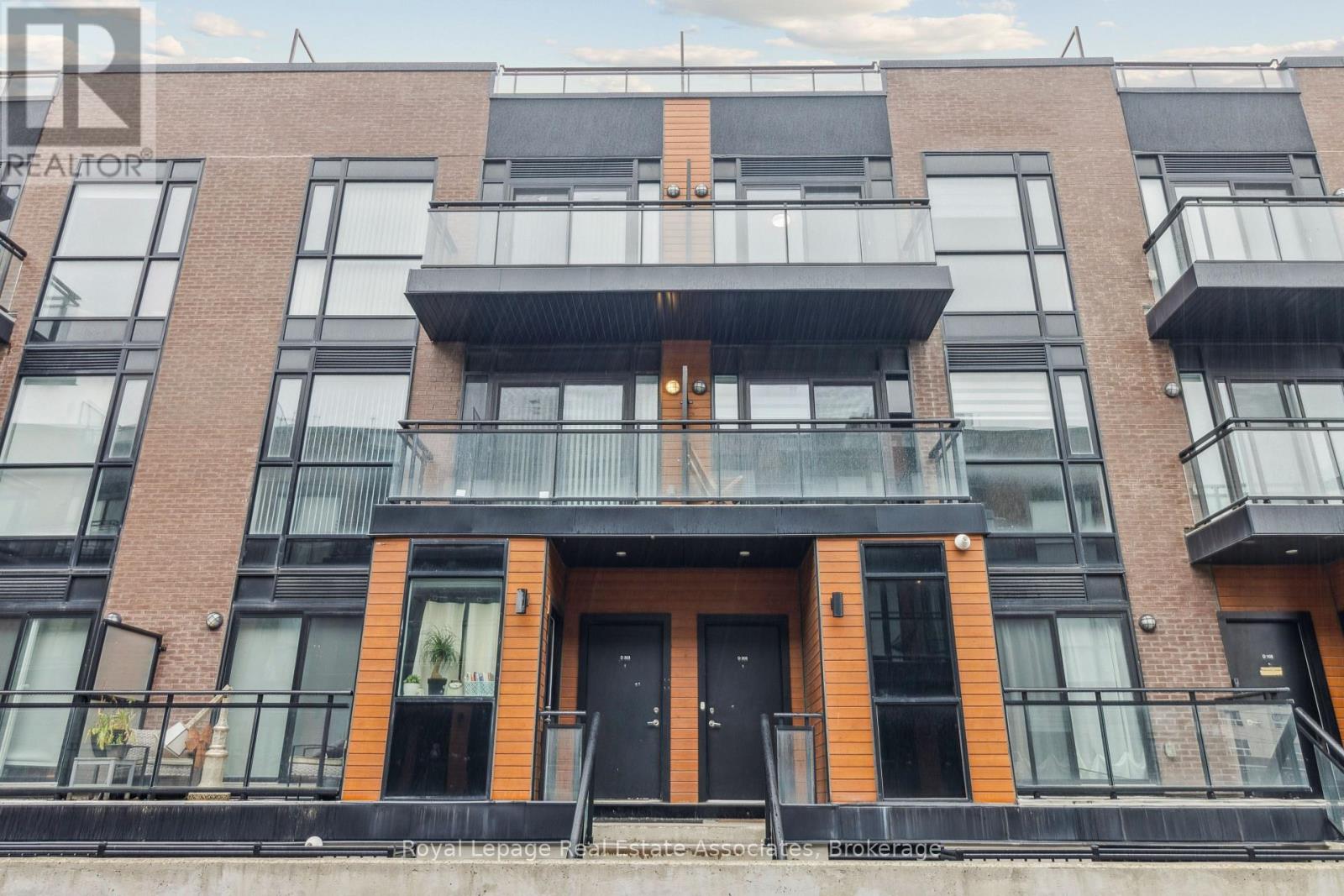 For Sale
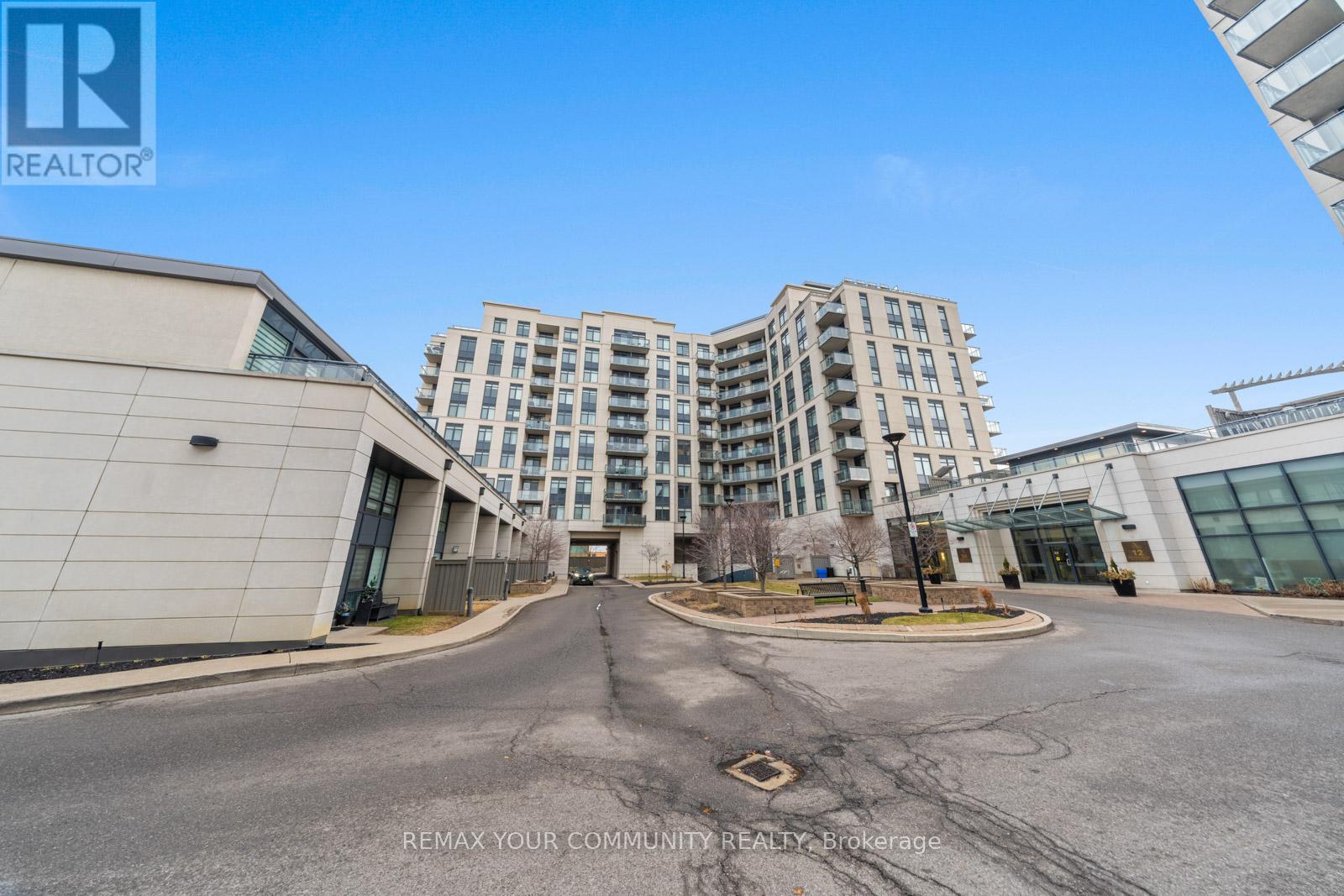 For Sale
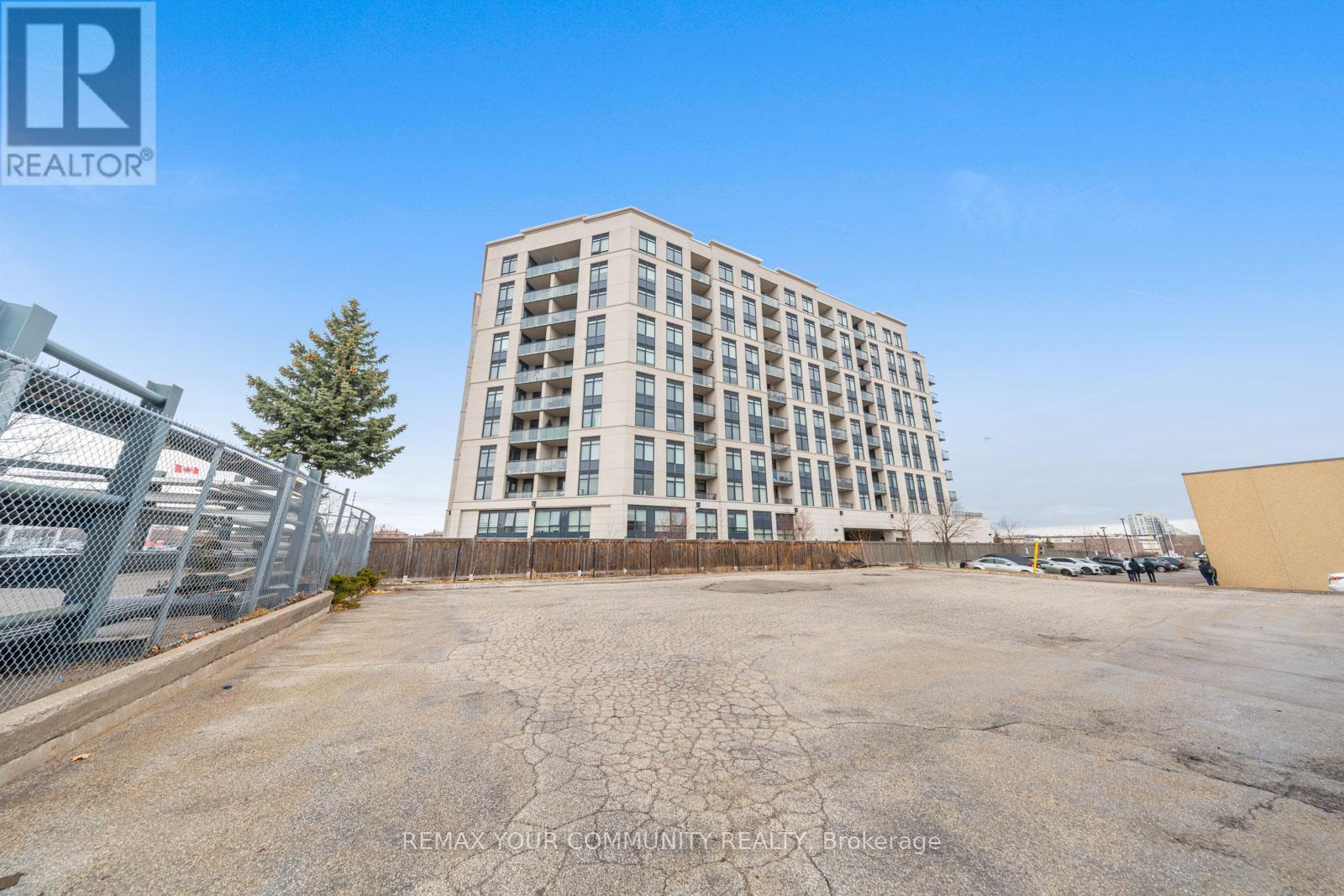 For Rent
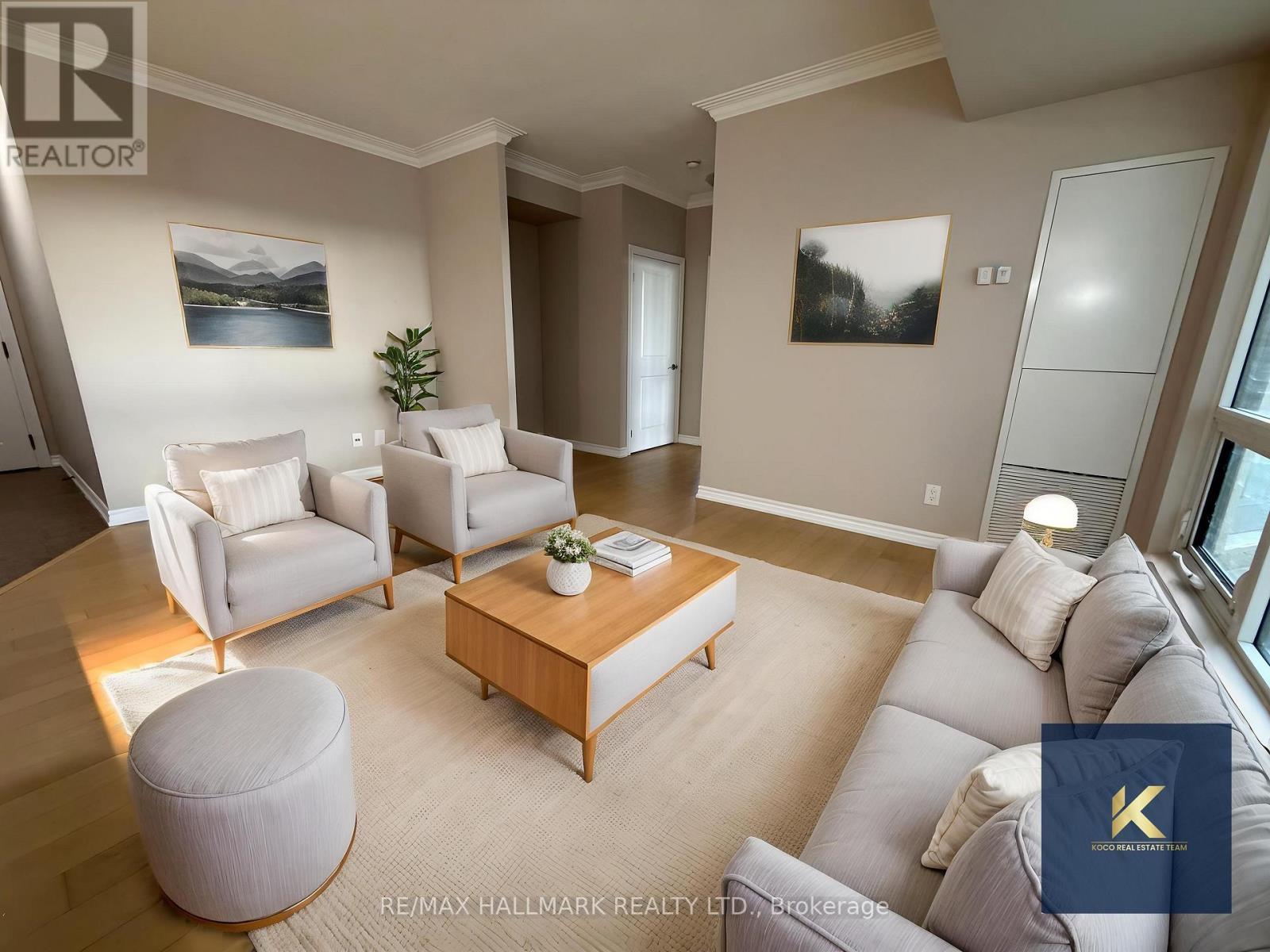 For Rent