
Vaughan is the city directly north of Toronto across Steeles Avenue, about 360,000 people spread over Woodbridge, Maple, Thornhill, Kleinburg and Concord. Toronto buyers come for a four-bedroom house built after 1990, a subway station at Vaughan Metropolitan Centre and two GO stations on the Barrie line. Houses here sit a little under a tenth below the Toronto average and condos about an eighth below, and the gap is far smaller than in Mississauga because Vaughan's houses are bigger and newer. Current Vaughan listings follow this introduction.
Vaughan runs from Steeles Avenue north to the King boundary and from Highway 50 east to Yonge Street. It covers about 272 square kilometres, almost as much land as Mississauga, and the 2021 census counted 323,103 people. Statistics Canada’s estimate had passed 358,000 by 2025, about 35,000 more people in four years.
It became a city in 1991. Vaughan Township dates from 1850, the township and the village of Woodbridge merged into a town in 1971, and for most of the twentieth century it was farms, a rail yard and a handful of villages: Woodbridge on the Humber, Maple on Keele Street, Kleinburg further up the Humber, Thornhill on Yonge, Concord on the railway. Most of the housing between them was built from the 1980s onward. It’s new, large and uniform, and the villages are the exceptions.
More houses than condos come to market, about three freeholds for every two condominiums, which is the opposite of Toronto. Freehold houses come in a little under a tenth below the Toronto average, condos about an eighth below. That house gap is a third of Mississauga’s, and the reason is what the money buys: the typical Vaughan listing is a four- or five-bedroom house on a full lot with a double garage, while much of Toronto’s freehold stock is semis and narrow detached houses from before the war. The city’s live figures are beside this text and are refreshed every day.
Inside the city the range is wide. Uplands in Thornhill and the estate lots of Rural Vaughan are the most expensive addresses, both well above the Toronto freehold average, with Kleinburg next. The cheapest places to buy are the condo clusters at Vaughan Metropolitan Centre and in Concord, where a two-bedroom costs less than a third of an average house. Among the house neighbourhoods, Glen Shields, Sonoma Heights, Maple and West Woodbridge have the lowest averages.
Vaughan is a detached-house city. Semis and freehold towns exist, but the four-bedroom two-storey with a double garage is the standard product: four-bedroom houses outnumber three-bedrooms two to one, and five-bedrooms are more common than three-bedrooms. A four-bedroom costs more than a third above a three-bedroom, and five bedrooms roughly twice as much, with that top band set by the custom houses of Uplands, Kleinburg and Rural Vaughan. If you only need three bedrooms, you’ll have less to choose from.
Thornhill’s Crestwood-Springfarm-Yorkhill, Brownridge and Glen Shields are the city’s oldest tract housing, brick two-storeys and backsplits on quiet crescents from the 1960s to the 1980s, and some of its best value for a family that will renovate. Woodbridge’s core and Maple’s older streets are 1970s and 1980s. The great wave came after 1990. Vellore Village, Sonoma Heights, East Woodbridge, Patterson and Beverley Glen are 1990s and 2000s subdivisions of large houses with stone fronts and finished basements. New Kleinburg and the streets around Major Mackenzie and Highway 27 are the newest, built in the 2010s, with Highway 427 reaching them in 2021.
Condominiums are a smaller market and a concentrated one. Vaughan Metropolitan Centre is almost entirely towers built around the subway station over the past decade, at the lowest prices in the city. Concord’s condos line Highway 7 and Jane Street beside it. Thornhill has an older stock of buildings along Bathurst and Centre Street in Beverley Glen, Brownridge and Crestwood, with larger suites, plus the new Promenade Park Towers rising at the mall. Woodbridge has low-rise condos and condo townhouses near Market Lane and along Highway 7. Across the city, a two-bedroom condo costs about 30 percent more than a one-bedroom and a three-bedroom about a third more again.
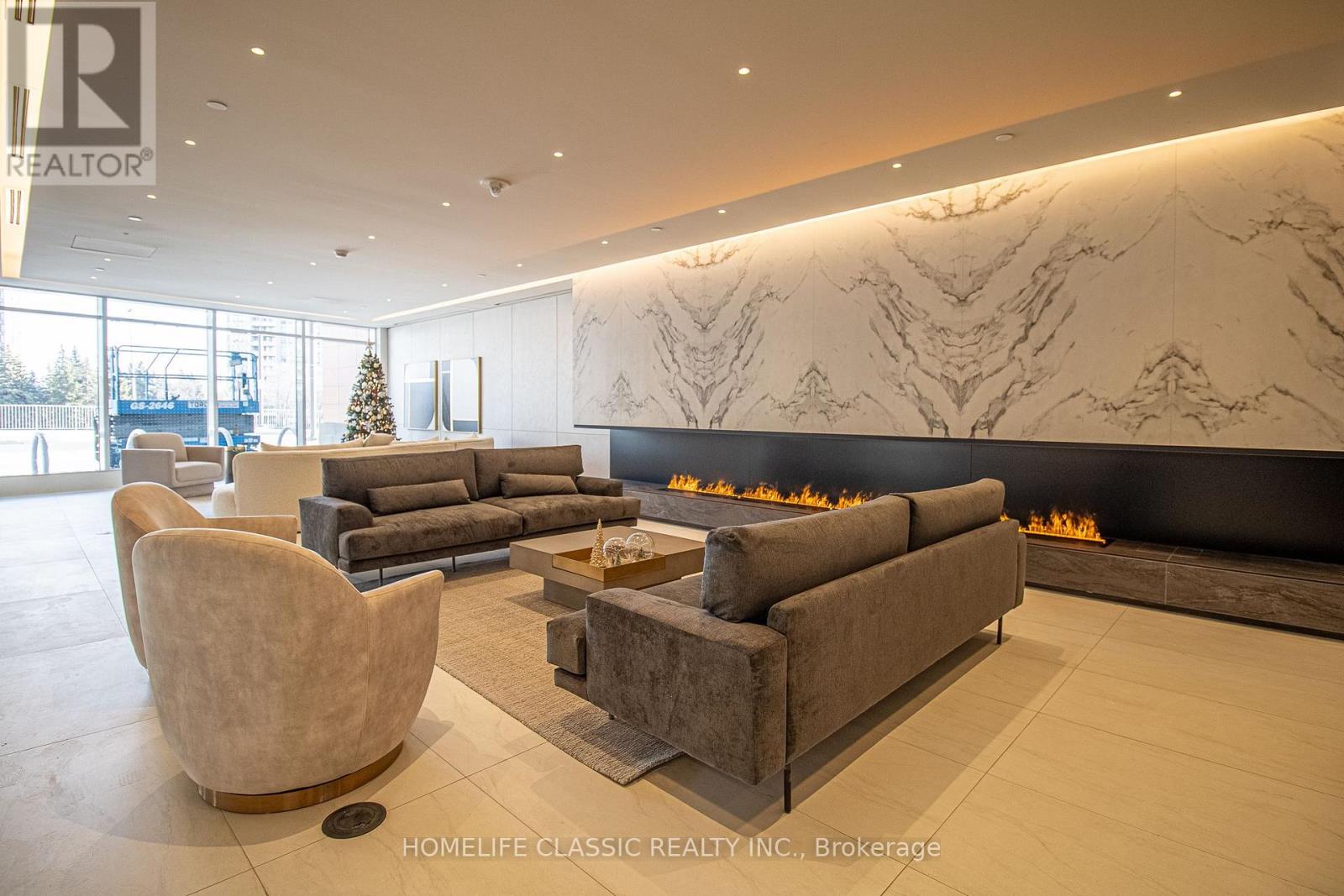
Renting is a real route in. Vaughan has more condos for rent than houses, and a house rents for about a quarter more than a condo, a wider gap than in Toronto because the houses are bigger. For a year’s trial before buying, the rental listings carry today’s asking rents for each neighbourhood.
Vaughan prices move with Toronto’s. The same rates, the same lending rules and largely the same buyers set prices on both sides of Steeles, and the two cities rise and fall together. The gap is what differs, and at a little under a tenth below the Toronto freehold average it’s small enough that a buyer here is choosing the house, not the saving. Watch the gap rather than either price: if it widens, Vaughan has got cheaper relative to Toronto and the trade improves.
Three neighbourhoods carry about half the house listings: Patterson, Vellore Village and East Woodbridge, with Maple close behind. A family looking for a four-bedroom has the most choice in those four at any one time, and a seller in them competes with near-identical houses on the next street. Kleinburg, Uplands and Rural Vaughan have far fewer listings and a wider range of prices, because no two estate properties are alike.
The condo market is a Vaughan Metropolitan Centre market. VMC and Concord beside it hold about a third of the city’s condo listings at the lowest average prices in the city. New towers keep registering, so a seller there competes with the building next door and with the developer’s own unsold inventory. A buyer there has choice and time. The older Thornhill buildings are a different market, where the maintenance fee and the reserve fund matter more than the finishes.
Estate lots set the top of the market. In Uplands, Kleinburg and Rural Vaughan an older house on a large lot is often bought for the land, so if you want one of those houses to live in, you’re bidding against a builder who prices the lot and ignores the kitchen.
A large share of Vaughan’s buyers already live in Vaughan, or in Toronto’s north and west end. Families who grew up in Woodbridge buy in Vellore Village or Kleinburg. Thornhill’s children buy in Patterson, where the houses are newer and the lots bigger. From Toronto the flow runs up Highway 400 and Dufferin into Woodbridge and up Bathurst into Thornhill.
Woodbridge is one of the most Italian places in Canada by share of population, nearly half its residents, and that goes back to families who moved up from Toronto’s College Street and St. Clair West. Thornhill’s Jewish community, roughly 8 percent of the whole city, settled along Bathurst and Centre Street, and the synagogues, kosher supermarkets and the Promenade mall are the result. More than a third of the city’s residents are visible minorities. A lot of purchases here are about living near parents and siblings who are already in Vaughan.
For a little less than the Toronto freehold average you get a house with a bedroom for each child, a garage and a driveway, built in your lifetime. What you give up is the street. Outside Woodbridge’s Market Lane, Kleinburg’s main street and the old cores of Maple and Thornhill, there’s nowhere to walk to dinner. Restaurants and shops sit in plazas on arterial roads, and a night in Toronto means the subway from VMC, with a last train to watch, or a drive down the 400.
Plan on two cars, and on the 407 toll if your work runs east or west along it. A couple who walks everywhere should look at the VMC towers or Thornhill’s older streets near Yonge, and otherwise stay in Toronto.
All nineteen Vaughan neighbourhoods have a page here, listed east to west and south to north.
Thornhill, west of Yonge Street, is the oldest and most settled part of the city. Uplands, around the Uplands golf course and the Thornhill Club, is the most expensive neighbourhood in Vaughan, with large lots and custom houses. Crestwood-Springfarm-Yorkhill runs from Yonge west to Bathurst between Steeles and Highway 7, a mix of 1970s and 1980s houses and condo towers along Bathurst and Centre. Beverley Glen west of Bathurst is 1990s houses and condos around the Promenade, and Brownridge south of it mixes houses and condos at the lowest average in Thornhill. Lakeview Estates and Glen Shields sit near Steeles west of Bathurst, small 1970s and 1980s pockets of family houses with Toronto across the road, and Glen Shields has the lowest average among the all-house neighbourhoods.
In the centre, Vaughan Corporate Centre is the Vaughan Metropolitan Centre: the subway terminus, the KPMG tower, the bus terminal and the condo towers around them, and the cheapest neighbourhood in the city. Concord around it is the industrial heart of Vaughan, with the CN rail yard, and its housing is mainly condos along Highway 7 and Jane Street. Patterson north of Rutherford between Dufferin and Bathurst has more houses for sale than anywhere else in the city, 1990s and 2000s four-bedrooms with Rutherford GO at the corner. Maple west of it along Keele is the old village with the city hall, the GO station, Canada’s Wonderland and the hospital, and 1980s and 1990s houses at some of the lower prices in the city.
West of the 400, Vellore Village is the big 1990s and 2000s suburb around Weston Road and Major Mackenzie, second only to Patterson in supply. Sonoma Heights north of Rutherford on Islington is a 1990s subdivision at the lower end of the house range. Islington Woods south of it along Islington has estate lots in the Humber valley and some of the largest houses in Woodbridge.
Woodbridge itself splits in two. East Woodbridge, between Islington and Weston Road, is the larger and dearer half, with the big 1980s and 1990s houses on Pine Valley Drive and a price just under the Toronto freehold average. West Woodbridge, from Islington to Highway 50, is the old village core around Market Lane and the Woodbridge Fairgrounds, with some of the lowest house prices in the city. Vaughan Grove at the south end near Highway 7 and Kipling is mainly condos and condo townhouses. Elder Mills in the north of Woodbridge is a small pocket of large houses by the Humber with very few listings at any one time.
To the north, Kleinburg is the village of the McMichael gallery and the Binder Twine Festival, with estate properties on the Humber and the New Kleinburg subdivisions beside Highway 427. Rural Vaughan is everything north of Kleinburg and Maple up to the King boundary on the Oak Ridges Moraine, estate lots, horse farms and the land Highway 413 will cross, at prices second only to Uplands.
Each page details the streets and schools, the transit options, and what houses on them have sold for.
The subway is the thing no other GTA city outside Toronto has. Line 1 reaches Vaughan Metropolitan Centre at Highway 7 and Jane, with two more Vaughan stations at Highway 407 and Pioneer Village on Steeles, all opened in December 2017. The train runs frequently all day, straight down the University side to Union, and the bus terminal beside the VMC station connects York Region Transit and Viva Orange, the rapid bus along Highway 7, with Brampton’s Züm. For anyone working downtown, a condo in a tower over the station is the shortest commute in the city.
Two GO stations serve the rest. Rutherford, between Dufferin and Bathurst, and Maple, off Major Mackenzie, are both on the Barrie line. A Rutherford train reaches Union in about 30 minutes and a Maple train in about 35. Service runs every 15 to 30 minutes in the morning peak, every 30 minutes in the afternoon peak and hourly in both directions the rest of the day until late evening. Weekends run hourly, cut to every two hours after 2pm from September 2026 until spring 2027 while Metrolinx builds.
Rutherford has a 2,200-space parking structure and a new bridge over Rutherford Road, Maple is getting a second platform and tunnels, and a second track is going in north of Rutherford. The target is 15-minute two-way service all day, and there’s no date for it.
Highway 400 runs north through the middle of the city, Highway 407 crosses the south and Highway 427 reaches up to Major Mackenzie, extended in September 2021 and due to go further north to meet Highway 413. Highway 7 is the main east-west road, Highway 50 the western boundary, and Steeles the southern one.
Inside the city, York Region Transit runs the buses, with Viva Orange on its own lanes along Highway 7 through VMC. Most of the city was laid out for the car, and arterials like Rutherford, Major Mackenzie and Weston Road are wide and fast. The Humber valley trails are good for a Sunday ride, not for getting to work.
The Humber River is the green spine of the west half of the city. It comes down from the moraine through Kleinburg, past the McMichael gallery, through Boyd Conservation Park and into Woodbridge, where the Humber Valley trail and the William Granger Greenway follow it south toward Toronto. Boyd is 401 hectares of forest, river flats and picnic grounds run by the Toronto and Region Conservation Authority, with the OFSAA cross-country course. Hurricane Hazel widened the river here from 20 metres to more than 100 in 1954, and the valley has been parkland ever since.
The Kortright Centre for Conservation sits just north of Boyd on Pine Valley Drive: 325 hectares, 16 kilometres of trail and the maple syrup festival every March. Across the river in Kleinburg, the McMichael Canadian Art Collection holds about 8,000 works, built around the Group of Seven, on 40 hectares of woodland where six members of the Group are buried. For a Kleinburg or Islington Woods resident those two places are the local park.
North of Kleinburg and Maple the land rises onto the Oak Ridges Moraine, the ridge of sand and gravel that feeds the headwaters of the Humber and the Don. The 2001 Oak Ridges Moraine Conservation Act stopped development on more than 90 percent of it, which is why Rural Vaughan is still fields and horse farms. Buyers there are buying a landscape the province has promised not to fill in.
Canada’s Wonderland in Maple is 134 hectares beside Highway 400, the largest amusement park in Canada, and it drew more than 3 million visitors in 2024. If you’re looking at a house in Maple or Vellore Village, visit the street on a summer evening before you offer and listen.
Elsewhere, the city has the park supply of a place built after 1980: neighbourhood parks, community centres with pools and rinks, and the Thornhill golf courses, the Thornhill Club among them, laid out by Stanley Thompson a century ago. Vaughan has no lakefront, and the Humber valley is what residents use instead.
Vaughan Mills at Highway 400 and Rutherford is the largest mall in the city, 1.3 million square feet and more than 200 stores, opened in November 2004. The Promenade at Bathurst and Centre has served Thornhill since 1986 and is being rebuilt around the Promenade Park Towers, with a T&T supermarket and the Olive Branch kosher market as anchors. The power centres along Highway 7 and Weston Road take the rest.
Eating on a street means Woodbridge or Kleinburg. Market Lane and Woodbridge Avenue have the cafés, pastry shops and Italian restaurants that come with one of the most Italian populations in Canada, and Kleinburg’s Islington Avenue is a short strip of restaurants and galleries around the McMichael. Thornhill’s Bathurst Street has the kosher bakeries, butchers and restaurants of the Jewish community, and Yonge Street through Thornhill, shared with Markham, is lined with Persian, Chinese and Korean restaurants. Everything else is in plazas, and the plazas are good.
Cortellucci Vaughan Hospital at Jane and Major Mackenzie is the city’s hospital, opened in February 2021 to take COVID patients and as a full-service hospital that June. It has about 350 beds and an emergency department, and Mackenzie Health runs it together with the Richmond Hill hospital. Before 2021 Vaughan residents drove to Richmond Hill or Toronto for an emergency.
CN’s MacMillan Yard in Concord is the second-largest rail classification yard in Canada and has run around the clock since 1965. The industrial and logistics belt along Highway 7, Highway 400 and Steeles is dense with warehouses and plants, with UPS Canada among the largest employers. KPMG’s tower at VMC brought professional offices in 2016. Canada’s Wonderland hires thousands every season, and the hospital employs about 1,800 people.
Vaughan’s English public schools sit with the York Region District School Board, and its Catholic schools with the York Catholic District School Board. Both boards publish an address lookup, and boundaries change when new schools open in the growing subdivisions, so check the house you’re bidding on, not the neighbourhood.
Maple High School is the public board’s International Baccalaureate school for Vaughan, and Westmount Collegiate in Thornhill hosts the board’s Arts program. Woodbridge College and Hodan Nalayeh Secondary in Thornhill, which was Vaughan Secondary until 2021, run Advanced Placement and French immersion. Tommy Douglas Secondary serves Vellore Village and Emily Carr the west of Woodbridge. Stephen Lewis Secondary covers the newer parts of Thornhill. The IB, Arts and AP programs take students by application, so living next to one of those schools doesn’t get your child a place in the program.
On the Catholic side, St. Elizabeth in Thornhill hosts the board’s Regional Arts Program in drama, dance, visual arts and music, drawing from across York Region. St. Joan of Arc serves Maple, and Father Bressani, Holy Cross and St. Jean de Brebeuf serve Woodbridge. Families in the north of the city should know that King City Secondary, over the boundary, draws a share of its students from Maple and Kleinburg.
York University’s Keele campus is just over Steeles, three subway stops from VMC. The university’s new School of Medicine is to open next to Cortellucci Vaughan Hospital in 2028 with 80 students a year, subject to accreditation, funded with $55.8 million from the province and $25 million from York Region. Niagara University in Ontario opened a campus at VMC in 2019 with teacher-education and business programs.
Vaughan Metropolitan Centre is the largest project and the one that will change the city most. The 179-hectare plan around the subway station was written for 25,000 residents and 11,000 jobs by 2031. The towers built and approved since have already outrun that forecast, and the city is rewriting the secondary plan to match. The KPMG tower opened in 2016, the bus terminal in 2019, and towers keep rising around the Black Creek corridor that is to become the district’s park. A buyer in a VMC condo today is buying into a downtown with most of its towers still to come.
The hospital precinct at Jane and Major Mackenzie is next. Cortellucci Vaughan Hospital opened in 2021 on a 62-acre site planned for health businesses around it, and York University’s School of Medicine will sit beside the hospital with a first class in 2028. Maple and Vellore Village are the neighbourhoods nearest it.
Promenade Park Towers at Bathurst and Centre are putting three condo towers on the Promenade mall site, 748 units in the first two at 30 and 35 storeys and a third of 28 storeys. The mall stays and is being rebuilt around the towers.
Highway 413 is a 52-kilometre freeway from the 401 and 407 near Milton to Highway 400 between Kirby Road and King-Vaughan Road, through Halton Hills, Brampton, Caledon and Rural Vaughan, with a Highway 427 extension north to meet it. The province exempted it from provincial environmental assessment in 2024, construction began in Caledon in 2025, and the request for proposals for the east section from Highway 400 to Gore Road went out in the fall of 2026. The last cost estimate on record was about $6 billion in 2021, and there’s no opening date. If you’re buying in Rural Vaughan near the route, price in the noise and the open timetable.
On the Barrie line, the Maple station rebuild and the second track north of Rutherford are the groundwork for all-day two-way service. Kirby station, north of Maple, is approved and unfunded, and the Auditor General found in 2018 that it was approved under political pressure. None of it has an opening date, so don’t pay extra in Patterson or Maple for the promised service until Metrolinx publishes one.
Is Vaughan cheaper than Toronto?
A little, by a bit under a tenth for a house and about an eighth for a condo, and the house discount is small because Vaughan’s houses are bigger and newer than Toronto’s. The typical Vaughan listing is a four- or five-bedroom detached with a double garage, built from the 1990s onward, while much of Toronto’s freehold stock is semis and narrow detached houses from before the war. So the gap per house is narrow, and what you get for the money is a bedroom or two more. The gap disappears in Uplands, Kleinburg and Rural Vaughan, which price above the Toronto average because they’re estate neighbourhoods with custom houses, and in East Woodbridge, which sits just under it. The condo gap is wider, and VMC has the lowest average condo price in the city. Two items on the budget run against you. York Region sets about 43 percent of your property tax bill, and its share rose about 4.3 percent for 2026, roughly $130 on an average bill, on top of whatever the city sets. And most households here need two cars, with the 407 toll on top for many commuters. Put both into the budget before comparing mortgages. Vaughan’s live prices and those of each neighbourhood appear on their pages, refreshed daily.
How long is the commute from Vaughan to downtown Toronto?
About 30 minutes by GO train from Rutherford, 35 from Maple, and a subway ride from Vaughan Metropolitan Centre that runs every few minutes down Line 1 to Union. Those are the only rail options, so the commute depends heavily on which neighbourhood you buy in. Patterson and Maple are built around the GO, and Concord sits beside the subway. The Barrie line runs every 15 to 30 minutes in the morning peak, every 30 minutes in the afternoon peak and hourly in both directions through the day and evening, so a late meeting means waiting for the hour. Weekend trains run hourly, and every two hours after 2pm from September 2026 to spring 2027 while Metrolinx builds. Rutherford has a 2,200-space parking structure, and both stations are being rebuilt for all-day two-way service with no date attached. If you drive, the 400 south of Highway 7 and the 401 interchange are the slow stretch at 8am, and the 407 is the toll alternative. From Woodbridge the route is the 427 or the 400; from Thornhill it’s Bathurst or Dufferin to the 401, or the Yonge subway from Finch, reached by Viva Blue. A buyer who will commute downtown every day should start with Patterson, Maple and VMC and treat the rest of the city as a drive.
Which Vaughan neighbourhoods are best for families?
The ones families choose are Patterson, Vellore Village, East Woodbridge, Maple and Kleinburg, and the reasons are the same in each: a four-bedroom detached house, a school close enough to walk to, a rink and a pool at the community centre, and crescents with no through traffic. Patterson has more houses for sale than anywhere else in Vaughan, 1990s and 2000s four-bedrooms between Dufferin and Bathurst north of Rutherford, with Rutherford GO at the corner for a parent who commutes. Vellore Village is its equivalent west of the 400, around Weston Road and Major Mackenzie, with Tommy Douglas Secondary and the hospital nearby. East Woodbridge has large 1980s and 1990s houses on big lots, priced just under the Toronto freehold average. Maple is the value choice, with older houses near the GO, the city hall and Canada’s Wonderland. Kleinburg is the premium version, with estate lots and the newer New Kleinburg streets beside the 427, at roughly double the price of Maple. For a family that will renovate, Thornhill’s Crestwood, Brownridge and Glen Shields have 1970s houses on mature streets at the lowest prices in the city’s east. Catchments cut across neighbourhood names here, and each board’s website looks up an address. Check the house, not the neighbourhood, and remember that the IB, Arts and AP programs choose their students by application, board-wide.
Is a condo at Vaughan Metropolitan Centre a good buy?
For living in, a Vaughan condo makes sense; as an investment it’s harder, and the reason is supply. VMC and Concord beside it have the lowest average condo prices in Vaughan and about a third of its condo listings, because towers have been registering since the subway opened in 2017 and the approved pipeline is far larger than what stands today. For an owner-occupier that’s the point: a two-bedroom over the subway for well under half the price of any house in the city, with Union Station at the end of the line, a bus terminal and the KPMG tower across the street. For an investor the same supply is the problem. The building next door is always selling, the developer’s unsold units compete with your resale, and the rent has to cover a mortgage, a fee and property tax. The plan around the station was written for 25,000 residents, and the approvals are already well past it, so the district will be a construction site for years, and the parks promised in the plan are still to come. If you buy, favour a building that is registered and fully occupied, read the status certificate, compare the maintenance fee per square foot with the towers on either side, and treat a fee well above theirs as needing an explanation before you offer. The older Thornhill buildings along Bathurst are the alternative, with larger suites and far less competition from new towers.
Vaughan is the only GTA city outside Toronto with a subway, and the condo market around it behaves differently from the one a Toronto agent knows: VMC and Concord hold about a third of the city’s condo listings at its lowest prices, with new towers still registering. They also won’t know that Patterson, Vellore Village and East Woodbridge carry about half the house listings, so a seller there competes with near-identical houses on the next street, or that in Uplands and Kleinburg the lot is the price and the kitchen is ignored.
The agent we refer Vaughan buyers to works all five communities. A brief could be a Patterson four-bedroom a walk from Rutherford GO that doesn’t back onto the rail corridor, or an older Thornhill condo where the reserve fund matches the age of the building. They’ll pull the sold prices on the street and say which Woodbridge streets almost never come to market.
Start with the nineteen neighbourhood pages above. Then get in touch and we’ll set up the introduction.
Street-level knowledge is hard to find online. Our team works in Vaughan every day. They know which pockets hold value, where the school catchment lines actually fall, and what the market is doing right now. Talk to us before you make a decision about Vaughan.
Talk to a local agent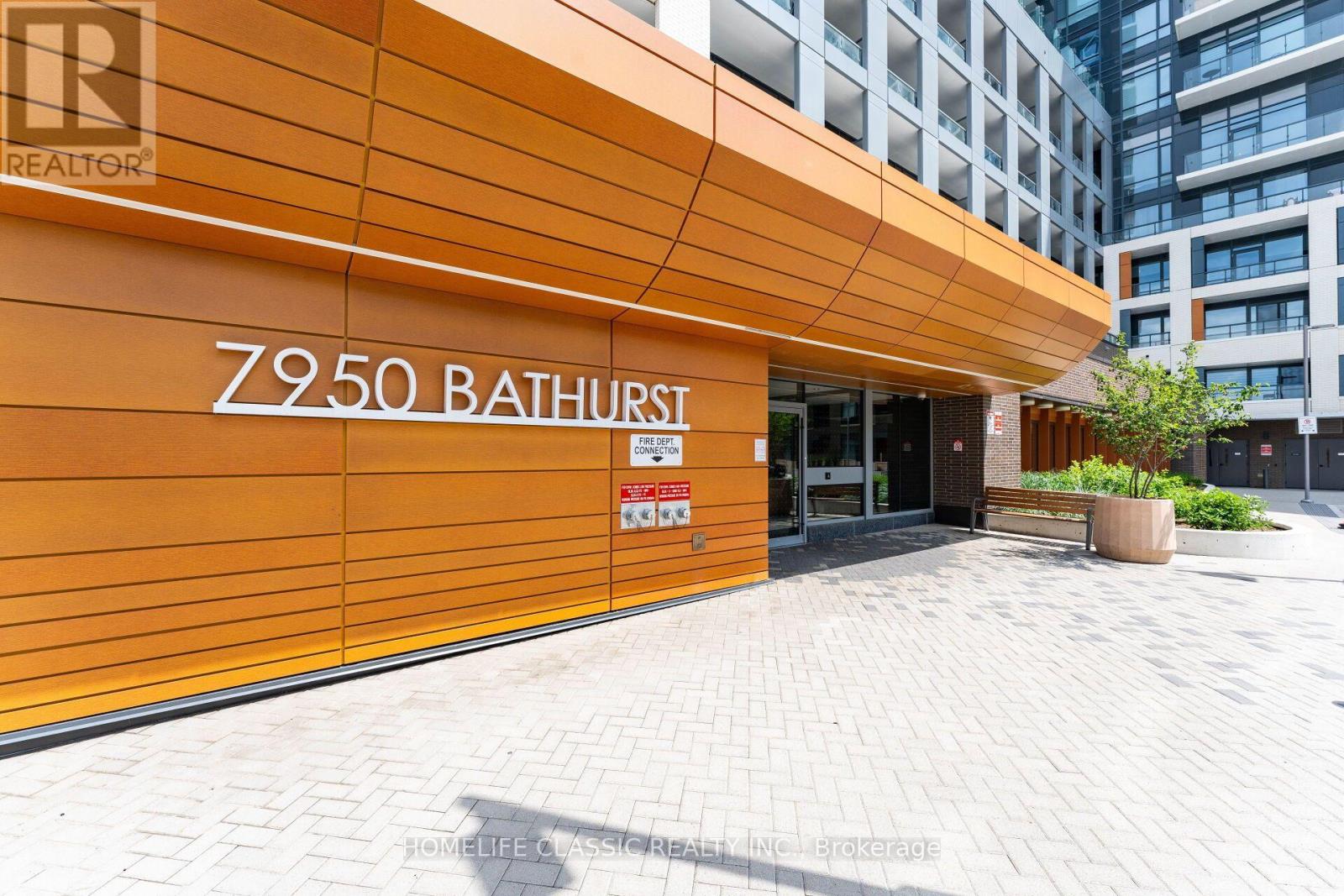 For Rent
 For Sale
 For Rent
 For Rent