
Victoria Square is northeast Markham at its most rural: estate lots, agricultural land, and low density near Woodbine Avenue and 19th Avenue. Custom homes on large parcels trade from $2 million to over $4 million. Highway 404 provides regional access without being adjacent to the neighbourhood.
Victoria Square sits in the northeast corner of Markham, where the city meets its own rural edge. The area around Woodbine Avenue and 19th Avenue retains a character that most of Markham has long since paved over: estate lots, agricultural land still in active use in some parcels, and the kind of low density that creates long sight lines rather than the close-set subdivisions visible everywhere else in the municipality. If you’re looking for a Markham address that doesn’t look or feel like suburban Markham, Victoria Square is the most likely candidate.
The neighbourhood is bounded roughly by Woodbine Avenue to the west, 19th Avenue to the south, and the Markham-Whitchurch-Stouffville boundary to the north and east. This puts it at the city’s outer edge, with Highway 404 running west of the area and providing regional connection without being adjacent to the neighbourhood itself. Development density here is low by design: large lots, spacious separations between homes, and in some sections still an agricultural presence that tells you this land was farmland within living memory.
Estate residential development has begun transforming parts of Victoria Square, replacing agricultural and rural holdings with large custom homes on parcels of one to two acres or more. This transition has been gradual and is ongoing. The neighbourhood sits in an interesting position: some properties look like the countryside, some look like the first phase of what will eventually become a suburban grid, and some are luxury custom builds on generous parcels with no neighbours close enough to matter. What you’re buying depends heavily on which block you’re on.
Demand for Victoria Square properties comes from buyers who want space, privacy, and a rural aesthetic within municipal Markham limits. The ability to have an acreage property with access to Markham services — and eventually to the schools and infrastructure that come with city designation — is a draw that purely rural properties outside the municipal boundary can’t offer. As north Markham continues to develop northward, Victoria Square’s position in the path of growth makes it worth watching even for buyers without an immediate purchase timeline.
Pricing in Victoria Square is not easily reduced to a per-square-foot analysis because the properties here vary dramatically in what they include. A two-acre lot with a custom-built home is a fundamentally different asset than a smaller infill lot on a residential street at the area’s edge, and the valuations reflect that difference. Estate properties with generous land, custom construction, and rural character have sold in the $2 million to $4 million-plus range depending on improvements and lot size. Smaller residential lots at the southern and western edges of the neighbourhood, where it transitions toward conventional Markham development, trade lower.
Agricultural land parcels that remain in or near Victoria Square carry different pricing logic entirely, reflecting both their development potential under future Official Plan designations and their current use value. Buyers considering agricultural or rural properties in this area should engage with a real estate lawyer familiar with the provincial planning framework, because what the land can become is as important as what it currently is.
Estate home values here have been more resilient to interest rate volatility than condominium or townhome product elsewhere in Markham. The buyers in this market segment typically have substantial equity, are not highly leveraged, and are making purchases on long time horizons. This reduces the forced-sale dynamic that can drive price corrections in more heavily mortgaged segments. The trade-off is lower transaction volumes and less price discovery, which means individual sales carry more weight in setting local expectations than they would in a higher-turnover neighbourhood.
Buyers should budget carefully for the full cost of ownership on rural and estate properties. Well and septic systems, where they apply to older properties, require maintenance that municipal water and sewer connections do not. Larger lots mean more maintenance costs for landscaping, snow clearing, and general upkeep. These are manageable costs for buyers who have planned for them and frustrating surprises for buyers who haven’t. The carrying costs on a Victoria Square estate home can be $15,000 to $25,000 per year for property taxes, maintenance, and utilities before mortgage is considered.
The Victoria Square market is thin in the best description of that word: there are not many transactions in any given year, which means each sale carries unusual weight in setting price expectations. When a property sits on the market for 90 days, it doesn’t necessarily indicate a neighbourhood-wide problem; it may simply reflect the limited pool of buyers who specifically want this location and this type of property. Conversely, when a well-presented estate property finds a buyer quickly, it doesn’t mean the next property will sell as fast, because the buyer pool is not deep enough for rapid comparison.
Buyers in this market should be prepared for a longer search than in higher-volume Markham segments. Properties matching specific criteria don’t come up frequently, and when they do, competing buyers may appear even in a slow market because the product is so specific. The strategy of waiting for the right property and moving decisively when it appears is more important here than in markets where comparable inventory is always available.
The development potential of properties in the northeast Markham area creates a speculative layer in the market that doesn’t exist in fully built-out communities. Buyers of larger parcels are partly making a bet on future re-designation under the Markham Official Plan, and the value of that bet depends on planning decisions that are not entirely predictable. Properties that are within areas designated for future residential development in the Official Plan carry a premium over those that are outside the long-term development boundary, and that premium can be substantial on larger parcels.
Rural and estate market conditions in this part of York Region also respond to demand from buyers who are not specifically Markham-focused but are looking at the rural-residential belt that runs from Uxbridge through Stouffville and Whitchurch-Stouffville. Victoria Square competes with properties in that corridor for the same buyer, and relative value shifts depending on what’s available in adjacent markets at any given time.
The buyer profile for Victoria Square properties is narrower and more specific than for most Markham neighbourhoods. These are buyers who have actively sought out a lower-density, more rural residential experience and are not willing to accept a conventional subdivision as a substitute. They tend to be financially established, with either equity from a previous property sale or income at a level that supports a purchase in the $2 million to $4 million range without the financial strain that the same price points create for buyers with more typical income levels.
Many buyers in this segment have come from larger Markham or Richmond Hill homes and are seeking the space and privacy that came with rural living at a time when rural meant genuinely distant from the city. Victoria Square offers a version of that within the Markham municipal boundary, which provides access to city services, schools, and infrastructure that purely rural properties outside municipal limits do not. The ability to have an acre of land and still be 25 minutes from a major hospital and 45 minutes from downtown Toronto is the specific offer this location makes.
Some buyers come from the agricultural or hobby-farm tradition, wanting land that can support a garden, animals, or simply the management of a larger natural property. These buyers value the existing rural character and approach any development activity nearby with concern rather than enthusiasm. They’re buying a lifestyle as much as a property, and any sign that the neighbourhood’s character is changing toward conventional suburban development is a negative signal for them.
Buyers with a development-potential perspective represent a separate segment. These are investors or long-term thinkers who purchase land in or near Victoria Square anticipating that future Official Plan amendments will allow higher-density development. This is a speculative strategy that requires patience, capital, and comfort with regulatory risk. The track record of GTA land values over 20-year horizons has generally rewarded this approach, but it’s not a short-term play and the returns are not guaranteed.
The area around Woodbine Avenue and 19th Avenue defines the core of Victoria Square. The intersection itself is a rural crossroads with commercial uses that serve the surrounding area — a feed store, a garden centre, and small-scale businesses that reflect the agricultural heritage of the land. The residential properties in the immediate area include both older farmhouses on generous parcels and newer custom builds that have replaced original agricultural structures over the past 20 years.
North of 19th Avenue, the density drops further and the agricultural presence increases. Properties here are larger and the built environment thins out noticeably. These are the parcels that most closely match the rural estate character that draws buyers to Victoria Square in the first place. The trade-off is that services, schools, and amenities are further away, and the access roads in the northeast corner of Markham are not always the fastest routes even after you find them.
The western edge of Victoria Square along Woodbine Avenue transitions toward more conventional development. The highway-adjacent lands in this zone have been subject to more development pressure and some newer residential projects have begun appearing. The character here is more transitional: neither fully rural nor fully suburban. Buyers who want the genuine rural experience should look east and north of Woodbine rather than along the highway corridor.
Highway 404, which runs approximately west of the neighbourhood, is accessible via 19th Avenue. The on-ramp connects residents to the regional road network without the highway running through or immediately adjacent to the neighbourhood itself, which is an important distinction. You get the access without the highway noise and visual impact. This is one of the aspects of Victoria Square’s location that works well for the estate residential market.
Victoria Square is car-dependent and that will not change within any planning horizon that matters for current buyers. The distances to transit nodes, the rural road network, and the absence of walkable destinations all require a vehicle for daily life. Buyers who are comfortable with this, and who may work from home or have flexible arrangements that reduce the frequency of peak-hour commuting, will find the situation manageable. Buyers who need a reliable car-free or low-car lifestyle should look elsewhere.
Highway 404 is the primary road connection to the broader region. From the 19th Avenue on-ramp, the highway heads south through north Markham to the 407 interchange and further south to the Don Valley Parkway. The drive from Victoria Square to downtown Toronto by car runs 50 to 65 minutes in typical conditions, with significantly more time during morning and evening rush hours. Residents who commute downtown daily by car will find the round trip time significant, and most who do it long-term adjust their working hours to avoid the worst congestion periods.
Go Transit is not directly accessible from Victoria Square. The closest GO station on the Stouffville line is at Stouffville, to the northeast, or at Unionville to the south, both requiring a 15 to 25-minute drive. For residents who can get to a GO station, the train service to Union Station is the most predictable option for downtown Toronto access. The drive-to-GO model works for people whose schedules allow it.
York Region Transit routes are sparse in this part of Markham. The transit infrastructure that serves the more developed communities to the south has not extended to the low-density northeast corner of the municipality. This is expected to remain the case for the foreseeable future, as transit investment follows density and Victoria Square is deliberately low-density. Residents of this neighbourhood plan their lives around car ownership as a permanent condition, not a temporary inconvenience.
The green space in Victoria Square is less a matter of designated parks and more a function of the landscape itself. Properties here often back onto fields, tree lines, or naturalized areas that provide the visual and experiential benefits of open space without being formally managed parkland. The rural character of the neighbourhood is its own form of green space, and residents who chose Victoria Square for this reason are generally satisfied with what they found.
The Lake Wilcox and Rouge River corridor area is accessible to the west and south, with trail connections into the broader Markham and Richmond Hill trail system. The Oak Ridges Moraine, which runs along the northern edge of York Region, is a short drive north and provides hiking, cross-country skiing in winter, and the kind of natural landscape that subdivisions simply cannot replicate. Residents of Victoria Square who use these resources regularly find themselves with outdoor access that urban buyers would travel considerably further to reach.
Rouge National Urban Park, while its core access points are further south and west, represents a significant natural asset for the broader northeast Markham area. The park encompasses the Rouge River watershed and connected natural areas, offering trail networks that continue to expand with new acquisitions and improvements. It’s a destination rather than a neighbourhood amenity at this distance, but it’s a good one for residents willing to make a short drive.
For properties on larger lots, the land itself provides the outdoor experience. A home on two acres in Victoria Square doesn’t need a nearby park the same way a townhome in a dense subdivision does. The buyers drawn to this neighbourhood typically understand this and have chosen it precisely because the property itself provides the outdoor space they want. Those who have made this choice describe the quietness, the stars at night, and the absence of neighbours’ lights as specific quality-of-life features they wouldn’t give up.
Victoria Square does not have its own retail district or walkable commercial area. Residents drive for essentially all goods and services. The closest concentration of everyday retail is in Stouffville to the northeast, or southward along Woodbine Avenue and into the commercial strips of central and southern Markham. For a neighbourhood at the edge of the municipality, this is expected rather than exceptional, but buyers who are accustomed to walkable urban neighbourhoods should factor it into their assessment of whether the location works for their lifestyle.
Stouffville, just north of the Markham boundary, has a functional commercial area on Main Street that includes grocery options, restaurants, and services. It’s not a major retail destination but it handles everyday needs adequately. Stouffville has also seen its own residential growth in recent years, which has attracted more retail and services than it had a decade ago. Residents of Victoria Square who identify Stouffville as their primary service centre tend to find it sufficient for routine needs.
For more substantial grocery shopping, major grocery stores and the Asian grocery concentration along Markham’s Highway 7 corridor are accessible with a 20-minute drive south. T&T Supermarket, various Chinese and Indian grocery options, and the broader retail mix at places like First Markham Place are within range for a weekly shopping trip. Residents typically batch their Markham-south trips to handle multiple errands in one outing rather than making individual trips for each need.
Healthcare in the immediate Victoria Square area is limited to whatever general practitioners and basic services operate in Stouffville or the adjacent commercial nodes. For anything more serious, Markham Stouffville Hospital on 9th Line is the primary facility and it’s well-regarded for a regional hospital. The drive from Victoria Square to the hospital is 20 to 25 minutes under normal conditions. Residents who have health conditions requiring frequent specialist visits should factor the additional drive time into their quality-of-life assessment.
School access in Victoria Square requires a longer commute than in the more densely developed Markham communities. There are no elementary schools within walking distance of most properties in this low-density area, and children typically travel by bus to schools serving the broader north Markham catchment. The York Region District School Board and York Catholic District School Board both serve the area, with specific school assignments depending on the address.
Secondary school students from Victoria Square generally attend schools in Stouffville or the north Markham area depending on catchment boundary placement. The Stouffville-area secondary schools serve the broader northeast York Region population and have respectable but not exceptional academic profiles compared to the high-demand schools in central Markham. For families whose school choice is a major factor in their purchase decision, Victoria Square does not offer the premium school catchment access that Unionville or other central Markham communities provide.
The school bus service in low-density areas can be a logistical consideration. Long bus rides in rural areas, particularly in winter conditions, are a practical reality that families with young children should factor in. The school board provides transportation, but the experience is meaningfully different from the five-minute walk to an urban school. Families who prioritise school proximity or walkability will find the Victoria Square situation less convenient than they might prefer.
Private school options in Stouffville and the broader York Region are accessible by car. The Montessori and independent school sector that serves the York Region population is reachable within a reasonable drive, though it adds to the transportation burden on families already dealing with a rural location. Some families in Victoria Square find that the private school option, despite the additional commute, delivers the educational experience they want for their children in a way the rural public school catchment does not.
Victoria Square is in the early stages of a transition that has played out in zone after zone across the Greater Toronto Area over the past 40 years: rural land at the edge of a growing city begins its slow conversion to suburban residential. The City of Markham’s Official Plan includes provisions for urban boundary expansions in northeast Markham, and the provincial government’s periodic updates to the Growth Plan for the Greater Golden Horseshoe have increased the pressure on York Region municipalities to designate more land for residential development.
The specific timing of when Victoria Square transitions from low-density rural-residential to conventional suburban development is uncertain. Provincial housing legislation passed in 2022 and 2023 accelerated the pace at which municipalities were required to designate growth lands, and Markham has been working through its Official Plan update process as a result. Buyers of rural and estate properties in this area should review the current and proposed land use designations for any specific parcel before purchasing, as the planning status has been in active flux.
Infrastructure investment signals development timing. When the City of Markham begins extending municipal water and sewer services into an area, residential development typically follows within a 5 to 10-year horizon. Monitoring the capital infrastructure budget and the servicing extension plans is a reasonable way for buyers interested in the development potential story to track where the city’s priorities sit.
For buyers purchasing to live in Victoria Square rather than to speculate on development, the transition from rural to suburban is a risk rather than an opportunity. The character they’re paying for today may look significantly different in 15 years if the growth plans materialize on schedule. Buyers who specifically value the rural character should weigh this honestly. The GTA’s land use history does not offer many examples of rural-edge communities maintaining their character indefinitely once the urban boundary reaches them.
Q: Is Victoria Square still rural, or is it becoming suburban?
A: The honest answer is that it’s in between, and the direction is toward suburban. Agricultural land and low-density estate residential still dominate the current character, and for most properties, the view from the backyard does not look like conventional Markham. But the planning framework is pointing toward development, provincial housing growth targets are putting pressure on Markham to designate more residential land, and the urban boundary expansions in recent years have brought the suburban edge closer. If you buy in Victoria Square today expecting it to remain rural for 25 years, that expectation may not be met. If you buy knowing the character will eventually change but want the space and quiet for the next 10 to 15 years, you’ll likely get what you’re after.
Q: What due diligence is essential when buying rural or estate property in Victoria Square?
A: Several items are non-negotiable. First, confirm whether the property is on municipal water and sewer or relies on a private well and septic system. If it’s well and septic, get the well water tested and the septic system inspected by a licensed inspector. Second, review the land use designation in the Markham Official Plan and any proposed amendments that might affect the property. Third, confirm whether the property has any easements, right-of-ways, or environmental constraints that limit development or use. Fourth, check for any drainage or flooding issues, particularly on properties adjacent to fields or watercourses. A real estate lawyer with rural property experience is worth the investment here. These properties have layers that standard suburban transactions do not.
Q: How does the commute from Victoria Square compare to other north Markham neighbourhoods?
A: It’s longer and entirely car-dependent. From Victoria Square to downtown Toronto, expect 55 to 75 minutes by car in off-peak conditions and 80 to 100 minutes in peak-hour traffic. There is no practical GO station access within the neighbourhood itself; the closest are at Stouffville or Unionville, both requiring a 15 to 25-minute drive. Buyers who commute to downtown Toronto five days a week will find this demanding. Buyers who work in Markham or York Region, work from home, or commute to downtown only occasionally will find it more manageable. The commute reality should be tested by actually driving the route at the relevant time before committing to a purchase.
Q: Are properties in Victoria Square a good long-term investment?
A: The long-term value case for land near the urban boundary in the GTA has historically been strong, but it requires a long time horizon and comfort with illiquidity. Properties here don’t trade frequently, which means getting in and out quickly is difficult. If development potential materialises and the land is redesignated, values can increase substantially. If the rural character is maintained longer than expected, the value proposition is slower but the lifestyle benefits persist. The worst-case scenario is neither: suburban sprawl reaches the area, eliminating the rural character before development potential is realised, leaving you with a property that’s too suburban for the rural buyer and too rural for the suburban buyer. That scenario has played out in other GTA edge communities, and it’s worth being honest about the risk.
Buying in Victoria Square requires an agent who understands rural and estate property in a way that most suburban Markham specialists don’t. The due diligence checklist is different, the planning considerations are more complex, and the comparable sales analysis requires reaching beyond the immediate area because transaction volume in any given block is too thin to support a tight comparative market analysis based on local data alone.
Understanding the planning status of any property you’re seriously considering is not optional. The difference between a parcel designated for future residential development in the Official Plan and one that sits outside the urban boundary can represent hundreds of thousands of dollars in the land’s underlying value, even if the homes on both parcels look identical today. An agent who doesn’t know how to read the Markham Official Plan designation maps or doesn’t know to check the Province’s recent Ministerial Zoning Orders and urban boundary decisions is not adequately equipped for this market.
The seller pool in Victoria Square tends to be longer-tenured owners who are moving for specific life reasons and who have a strong sense of what their property is worth, which may or may not align with current market data. An agent who can bring objective comparable evidence from across the northeast Markham and adjacent Stouffville markets, and who can have that conversation with a seller in a productive rather than adversarial way, will get a better result for a buyer than one who simply accepts the seller’s framing.
At TorontoProperty.ca, we work with buyers across the Markham and York Region market with the knowledge to navigate both the conventional suburban and the rural-edge segments. If Victoria Square is the type of property you’re looking for, reach out. We’ll tell you what’s actually available, what the planning status means for specific parcels, and how the carrying costs on a rural property change the economics relative to what you might be comparing it to.
Street-level knowledge is hard to find online. Our team works in Victoria Square every day. They know which pockets hold value, where the school catchment lines actually fall, and what the market is doing right now. Talk to us before you make a decision about Victoria Square.
Talk to a local agent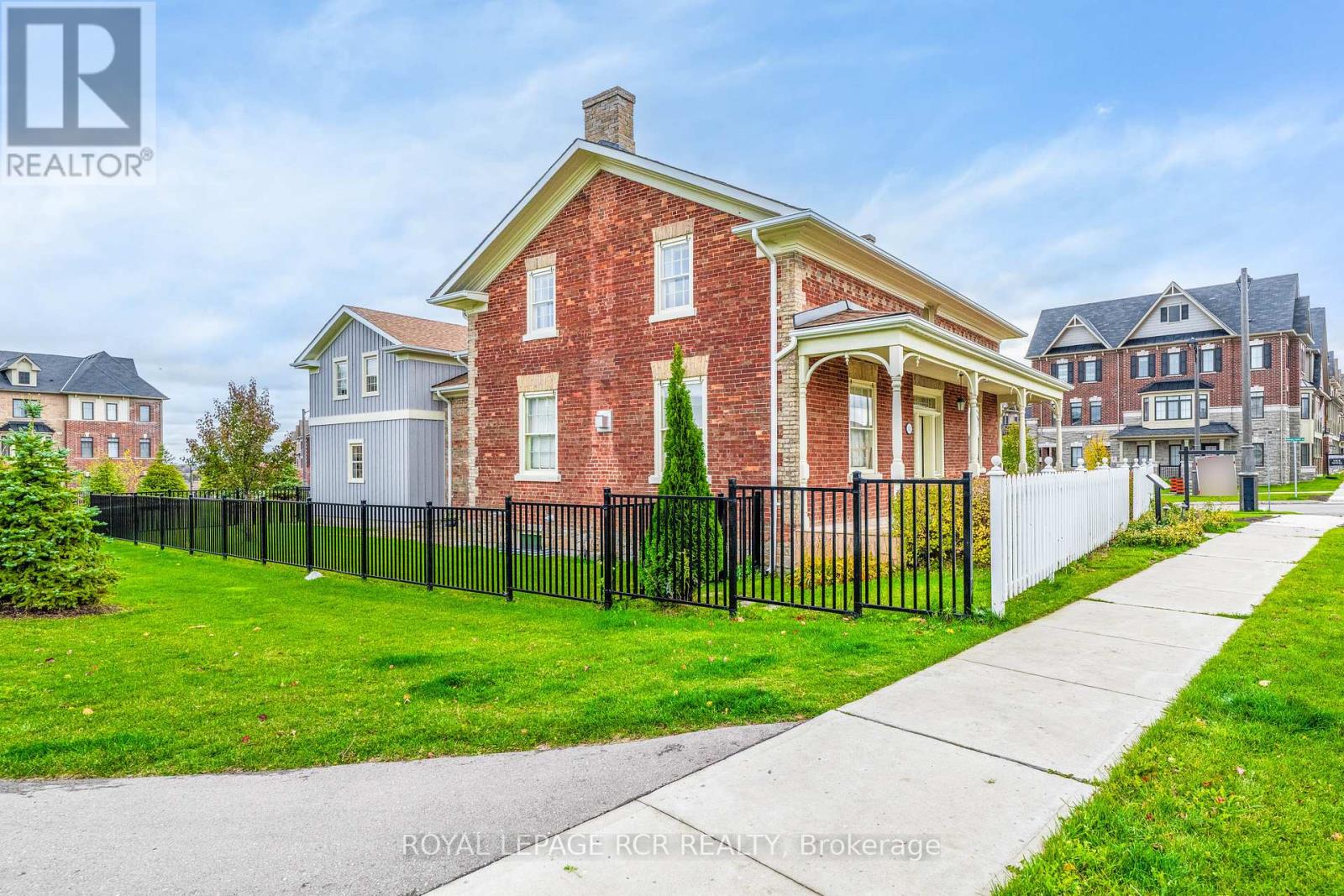 For Sale
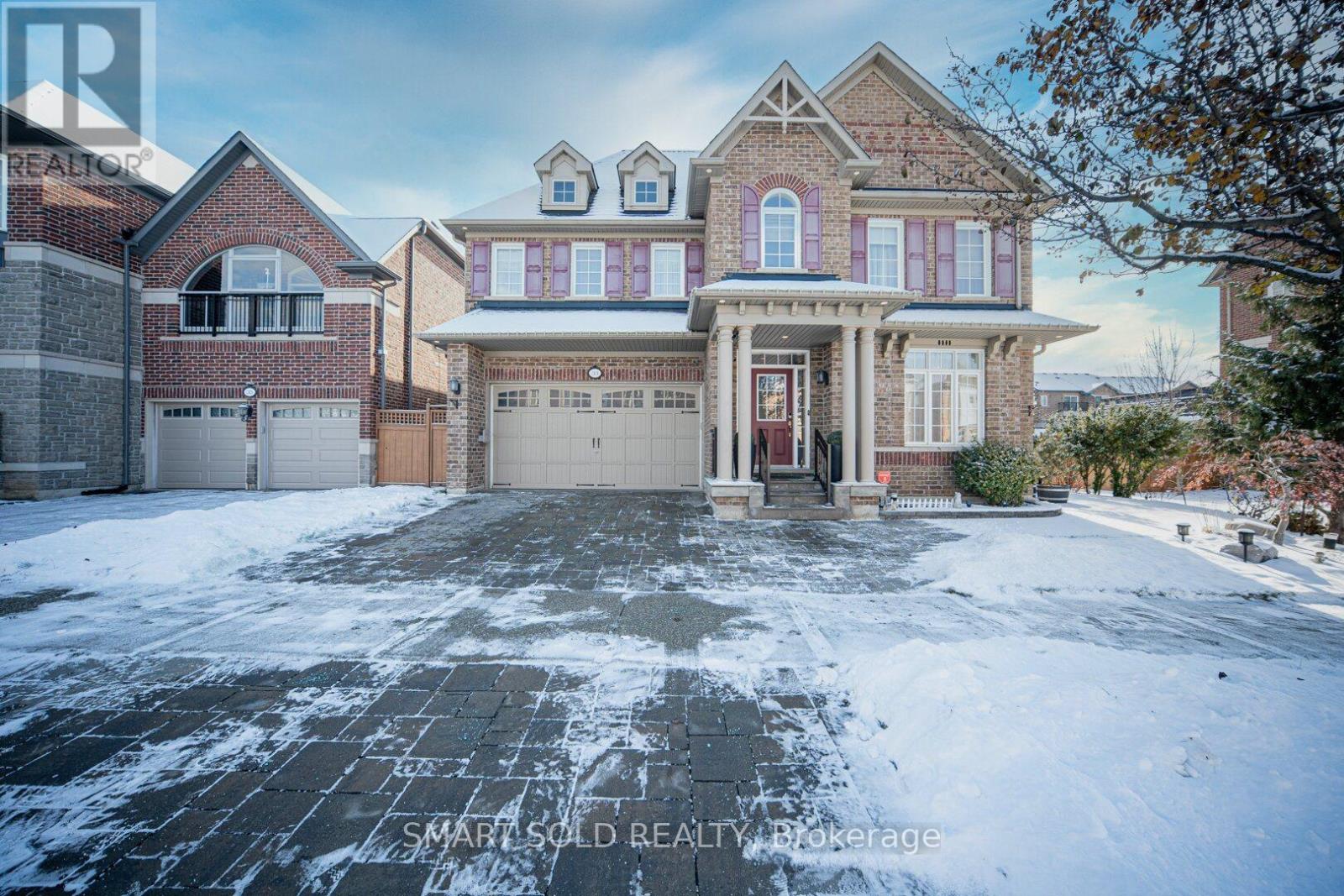 For Sale
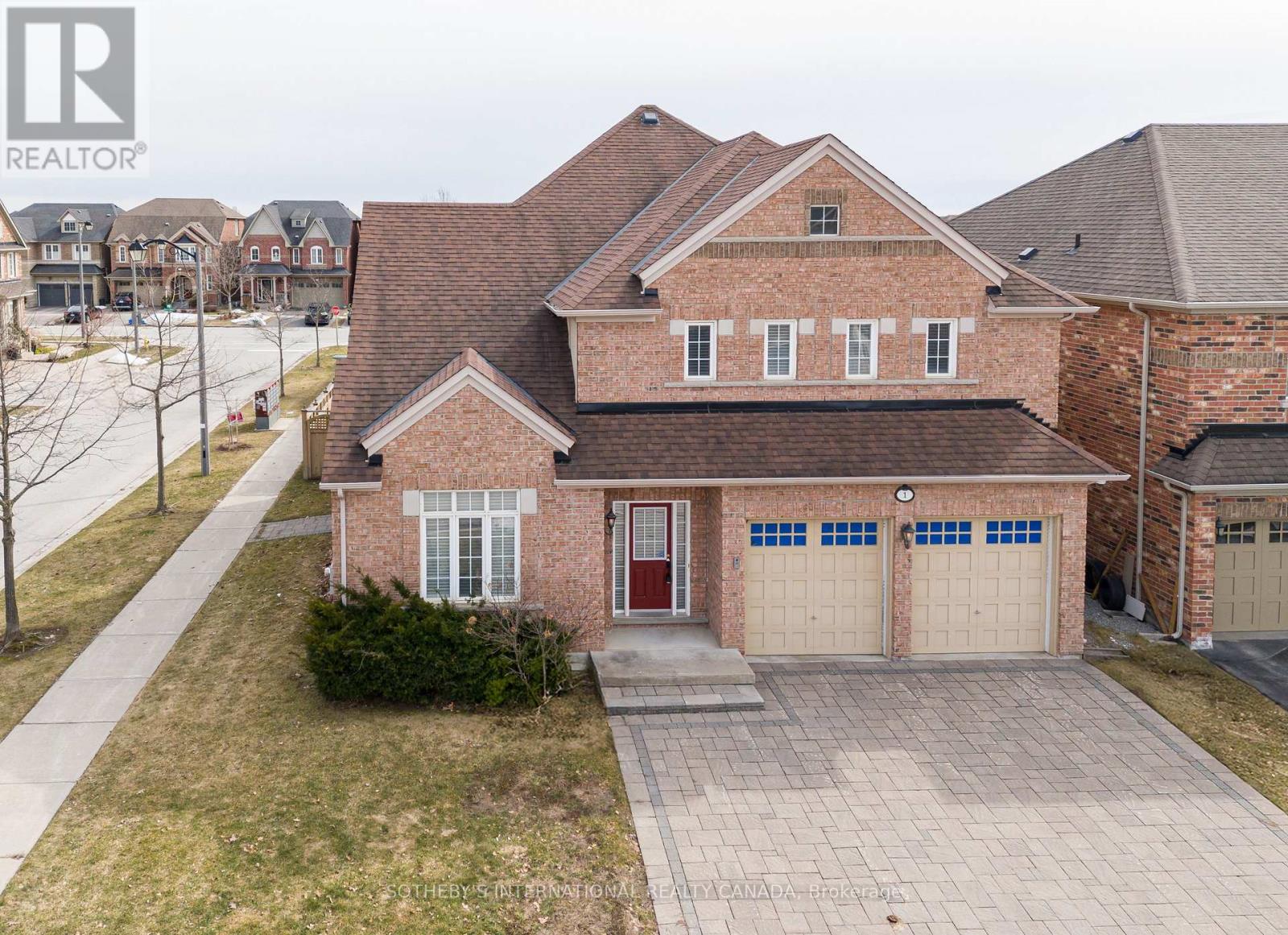 For Sale
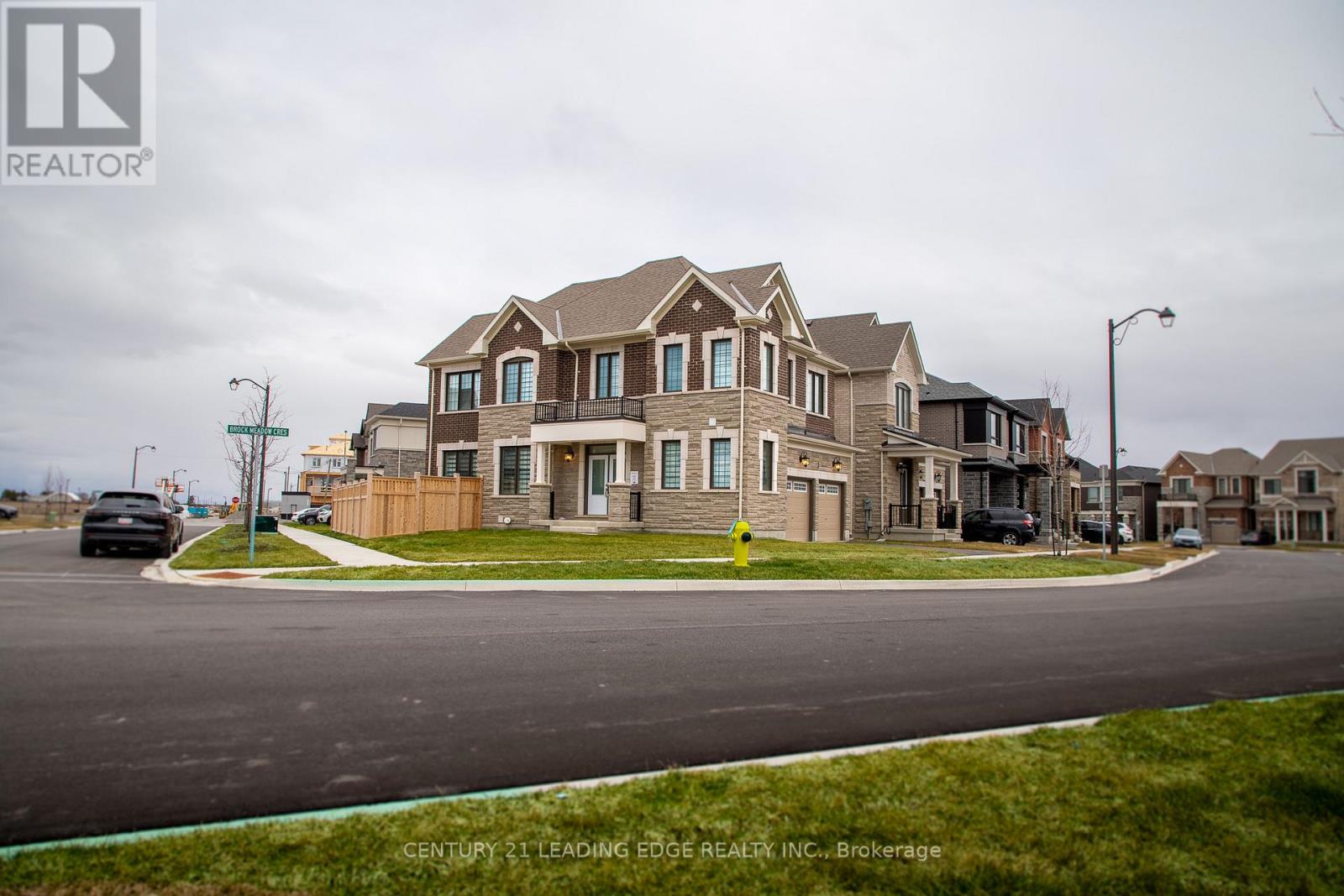 For Sale