
Virginia is a small rural hamlet in southern Georgina Township near the East Gwillimbury border, offering some of the most affordable rural residential properties in York Region. Greenbelt protections preserve the agricultural and rural character of the surrounding landscape. The area draws remote workers, returning rural residents, and buyers seeking larger lots and genuine privacy within reasonable driving distance of Newmarket and the East Gwillimbury GO Station.
Virginia is one of the smallest rural hamlets in Georgina Township, located in the southern part of the municipality along Mount Albert Road, roughly 20 kilometres south of Lake Simcoe. It sits at the edge of Georgina’s transition zone between the York Region suburbs to the south and the more rural character of the northern part of the municipality. The hamlet has no commercial services and a tiny residential population, with the character and feel of a rural Ontario crossroads that developed modestly in the 19th century and hasn’t changed dramatically since.
Properties in Virginia and its immediate surroundings are on the rural edge of Georgina’s land base, which puts them within York Region boundaries but outside the urban service areas that give Keswick and Sutton their municipal water, sewers, and commercial infrastructure. Everything here runs on private well and septic, and the nearest services are in Keswick to the north or in the communities of East Gwillimbury and Newmarket further south.
Virginia is close to the boundary between Georgina and East Gwillimbury, which matters because buyers in this area can look at properties in either municipality and compare the planning frameworks, property types, and price levels across that administrative line. Highway 404 access, school assignments, and municipal service levels can differ between properties that are only a few kilometres apart but in different municipalities.
The area attracts buyers looking for rural character, larger lots, and more privacy than the Keswick subdivisions provide, at prices that are among the most accessible in York Region. It’s a practical choice for self-sufficient buyers who value space over convenience and can manage the rural lifestyle that goes with it.
Housing in Virginia and its surrounding rural area is almost entirely detached on larger lots, ranging from half-acre residential parcels within the hamlet itself to multi-acre rural residential and agricultural properties on the surrounding concession roads. The homes are a mix of older farmhouses, mid-century rural builds, and the occasional newer custom home built on a purchased rural lot.
Prices in Virginia are among the most affordable in York Region for detached properties. A modest older home on a half to one acre within the hamlet runs $600,000 to $800,000. Larger properties with two to five acres start at $800,000 and move up depending on the quality of the structures, the presence of outbuildings, and the overall condition of the lot and house. Properties requiring significant renovation can be found in the $550,000 to $700,000 range, representing genuinely low entry points for York Region that reflect the combination of rural location, condition-based pricing, and limited buyer pool.
New construction is rare and limited to custom builds on rural lots when they become available. The hamlet has no developer activity, and the planning designation doesn’t anticipate subdivision development within Virginia’s boundaries. Supply is almost entirely existing resale.
Condition variance is significant, as it is throughout rural Georgina. Older rural properties have often accumulated deferred maintenance across multiple ownership generations, and what appears cosmetically acceptable in a listing can mask underlying issues with foundations, septic systems, wells, and roof structures that require thorough inspection. Buyers in this price range need to budget for what the inspection reveals rather than assuming a lower price means limited post-purchase work.
The market in Virginia is extremely thin. In most years, fewer than five to ten properties within the hamlet and immediate surrounding area trade. This low volume means individual property characteristics, condition, and the specific circumstances of each sale drive pricing more than any market-wide trend. A single distressed sale or an estate sale at below-market pricing can skew the comparables for the area meaningfully, which makes assessing any individual property value here require judgment rather than pure comparable analysis.
The broader rural Georgina and East Gwillimbury fringe market that Virginia sits within experienced the same pandemic-era surge and correction as the rest of outer-ring York Region. Rural lots and properties with significant acreage attracted buyers who had decided they wanted space and privacy above all other criteria. Prices in rural Georgina moved sharply in 2020 and 2021, corrected through 2022 and into 2023, and have been stable but soft since, with sellers in some cases still working down from expectations formed during the peak period.
The correction in rural properties was sharper than in suburban markets because the buyer pool for genuinely rural properties is narrower, and when affordability pressure increased, the lifestyle buyers who had stretched into rural acreage were among the most exposed. Properties in Virginia and similar rural hamlets spent significantly more days on market during the correction than during the surge, and some listings expired and re-listed multiple times before finding buyers at realistic condition-based prices.
Patient buyers with a clear understanding of renovation costs and rural property operating expenses can find genuine value in this area, with price points that don’t exist anywhere else in York Region for comparable land and privacy.
Virginia attracts a small and specific buyer pool. The most active segment is buyers who want rural character and land within York Region’s administrative boundary. Some of these buyers have children who are already established in York Region schools and don’t want to change school boards by moving into Simcoe County to the north. Others have employment in the York Region corridor and want the rural lifestyle without crossing into Simcoe County’s different service environment.
Remote workers for whom the commute question is largely irrelevant on a day-to-day basis find Virginia’s pricing compelling. A household that goes into Toronto twice a month rather than twice a week can absorb a long drive distance in a way that a daily commuter cannot, and the space and privacy that Virginia’s rural lots provide is difficult to replicate at comparable prices anywhere in the GTA.
Buyers who have grown up in rural Ontario communities, moved to the GTA for education or early career, and are now returning to a rural lifestyle with GTA-era incomes find that southern Georgina and the Virginia area offers a price point and land availability that makes the return financially practical. They bring an understanding of rural property operations and a set of realistic expectations that first-time rural buyers sometimes lack.
People interested in hobby farming, equestrian properties, or small-scale rural businesses find Virginia-area properties on larger lots worth examining, though zoning and lot coverage requirements still apply within Georgina’s planning framework and should be confirmed for any specific intended use before an offer is made.
Virginia sits at the intersection of Mount Albert Road and a concession road network that covers the southern Georgina agricultural land base. The hamlet’s residential core is minimal, a few dozen properties within a short radius of the crossroads, with agricultural and rural residential parcels extending in every direction along the concession roads. The landscape is flat to gently rolling, with mixed agricultural use and woodlots providing the visual backdrop.
Properties within Virginia’s hamlet boundary tend to sit on smaller lots relative to the surrounding agricultural and rural residential parcels, though “smaller” here still means half an acre or more in most cases. The homes are set back from the roads with rural front setbacks rather than suburban front yards, giving the area an open, uncrowded feeling even where properties are closest together.
The surrounding concession road properties, technically outside the hamlet but within the area most buyers consider when looking at Virginia, offer the larger lots and more isolation that acreage buyers specifically want. Properties fronting on concession roads with 100 to 200 feet of road frontage and five or more acres of depth provide the scale of land that hobby farmers and horse property buyers need, at prices that reflect the distance from services and the condition of the existing structures.
The proximity to the East Gwillimbury border gives some Virginia-area buyers practical access to East Gwillimbury’s growing community infrastructure, including the East Gwillimbury GO Station, without requiring an administrative address in that municipality. The relevant boundary should be verified property-by-property, but the geographic proximity to East Gwillimbury services is a real advantage for the Virginia area compared to more northern Georgina locations.
Virginia has no transit service of any kind. A car is mandatory for every trip, every day. The nearest transit access is in Newmarket or East Gwillimbury, each approximately 20 to 25 kilometres south.
Highway 404 access is via Davis Drive or Queensville Sideroad to the south, putting the Virginia area within 20 to 25 kilometres of the 404 interchange. From the interchange to downtown Toronto, the drive takes 65 to 80 minutes in off-peak conditions. During morning rush hour on the 404/DVP, add 30 to 50 minutes. The total commute from Virginia to downtown Toronto by car runs 90 to 130 minutes each way depending on time of day, which is viable for infrequent commuters and genuinely hard for daily ones.
The East Gwillimbury GO Station on the Barrie line is the most practical transit option for southbound travel. From Virginia, the drive to East Gwillimbury station takes 20 to 25 minutes. The train from there to Union Station is approximately 65 minutes. Total door-to-door time to downtown Toronto via this route runs 85 to 95 minutes, which is better than driving during peak hours and workable for hybrid commuters.
Local driving distances are reasonable for rural Georgina. Mount Albert, the nearest commercial community, is about 10 kilometres southwest. Keswick is 20 kilometres north. Newmarket is 25 kilometres south. Residents can handle most daily and weekly needs by driving to one of these centres, with Newmarket serving as the primary destination for medical care, major shopping, and professional services. Running two cars is essentially required for any household with two adults who have separate daily schedules.
Virginia’s outdoor character is defined by the agricultural landscape and the woodlot networks that extend through the southern Georgina area. There are no formal parks within the hamlet itself, but the rural landscape provides the space, wildlife habitat, and seasonal recreation that rural residents value. White-tailed deer, wild turkey, and migratory waterfowl are present throughout the area. Hunting, where it’s permitted on private land or through club memberships, is a common autumn activity.
The East Holland River watershed passes through the general area, and the East Gwillimbury conservation lands managed by the Lake Simcoe Region Conservation Authority are accessible within 15 to 20 minutes of Virginia. The Trans Canada Trail network has connections through this part of York Region, providing formal trail access for hiking and cycling for those willing to drive a few minutes to reach the trailhead.
Lake Simcoe is roughly 20 kilometres north of Virginia, accessible in 20 to 25 minutes by car. The public beaches and boat launches in Keswick, Sutton, and the Historic Lakeshore Communities are all practical day destinations for Virginia residents in summer. The lake connection is less immediate than for the lakeshore community properties, but it’s close enough to be a genuine recreational resource rather than an occasional distant destination.
The rural landscape itself is the primary outdoor amenity for most Virginia residents: walking on private land, cycling on low-traffic concession roads, and the general quiet that comes from being genuinely away from suburban density. For people who find that environmental quality specifically valuable, Virginia’s location delivers it more completely than any other Georgina community.
Virginia has no commercial services of its own. The nearest practical shopping is in Mount Albert, roughly 10 kilometres southwest, where a small commercial area provides basic convenience services. For the weekly grocery shop, pharmacy, and most practical needs, residents drive to Newmarket, approximately 25 kilometres south, or to Keswick, roughly 20 kilometres north.
Newmarket is the primary service centre for Virginia residents. Southlake Regional Health Centre, the nearest hospital emergency department, is in Newmarket. The full range of medical specialists, major retail, and professional services are there. Most Virginia-area households treat Newmarket as their main destination for anything beyond basic provisions, making the 25-kilometre drive a routine part of life rather than an occasional trip.
Healthcare access is the most significant service consideration for rural Virginia residents. Establishing a family physician in either Newmarket or East Gwillimbury before moving is strongly recommended. Walk-in medical coverage is available in both municipalities, but family physician availability in the outer York Region area has been constrained for new patients, and waiting lists are real. Buyers with regular medical needs should verify that their care situation is set before committing to a rural Virginia address.
The practical isolation that Virginia represents is exactly what its buyers are looking for, but it requires honest acknowledgment. Every errand requires 20 to 30 minutes of driving in each direction. There’s no walking anywhere. There’s no corner convenience. Buyers who have lived in urban or suburban settings exclusively and are considering Virginia for the first time should spend a full week driving the actual routes they’d use regularly before deciding whether the lifestyle fits their practical needs.
Elementary school students from the Virginia area are served by the York Region District School Board and York Catholic District School Board. Given the hamlet’s southern Georgina location, school assignments may direct students to schools in Keswick, East Gwillimbury, or potentially Mount Albert depending on current attendance zones and the specific address. Confirming school assignments with the relevant school board before purchase is important for families with school-age children, as the assignment for a Virginia address is less straightforward than for a property in a well-defined urban neighbourhood.
Secondary school students typically attend Keswick High School or Sutton District High School depending on their specific address and current transportation routing. Both schools are 20 to 30 kilometres away. School bus service covers the area, but the routes involve long rides for rural students, which is a standard feature of rural Ontario schooling rather than something unique to this area.
The school bus ride time and after-school activity logistics are worth thinking through practically before committing to a Virginia address with school-age children. Activities that run outside of bus hours require parent driving. The distances aren’t extreme by rural Ontario standards, but they do impose a scheduling structure on family life that suburban proximity to a school doesn’t.
Private school options in the area require driving to Newmarket or further south. Families with children in independent schools in Aurora, Newmarket, or Toronto need to factor the driving time into their daily logistics before assuming a rural Virginia move is practical for their situation.
Virginia is not changing in any significant structural way. Its designation in Georgina’s Official Plan as a rural hamlet limits development to infill within the existing boundary, and the Greenbelt Plan protects the surrounding agricultural land from urban expansion. What exists in Virginia will largely continue to exist, without the suburban transformation that has occurred in Keswick over the past 30 years and continues there today.
This planning stability is precisely what makes the area appealing to its buyers. The commitment to rural character isn’t informal; it’s backed by provincial planning policy that makes outward suburban expansion essentially impossible. Buyers who pay for rural character here can reasonably expect it to persist.
Internet connectivity is the main infrastructure variable of note. Bell and Rogers have been improving rural York Region coverage, but the outer edges of their coverage improvements reach Virginia-area properties variably. Some addresses have access to acceptable high-speed service; others are still on older cable or dependent on fixed wireless or satellite options. For remote workers, this is a critical verification step before any offer. Starlink satellite internet has provided a reliable fallback for rural addresses not served by terrestrial high-speed, and many rural residents in this area have adopted it as either a primary or backup connection.
The East Gwillimbury GO Station expansion and the continued growth of the East Gwillimbury municipality to the south is the most significant regional change affecting the Virginia area. As East Gwillimbury grows its residential base and its transit connections, the surrounding rural areas benefit from improved access without losing their rural character, which is the best possible outcome for buyers who value both proximity and quiet.
What are the most important due diligence steps for a Virginia rural property purchase?
Four things matter most. First, a full well water test covering potability, bacteria, nitrates, hardness, and any contaminants specific to agricultural land use in the area. Second, a professional septic inspection that goes beyond a visual check to assess tank condition, distribution system, and leaching bed adequacy for the current and intended occupancy of the home. Third, a thorough home inspection by someone experienced in older rural Ontario construction, covering foundation, structural framing, roofing, mechanical systems, electrical panel and wiring, insulation, and any outbuildings included in the purchase. Fourth, a confirmation from Georgina planning department of the zoning designation and what uses are currently permitted on the specific property, particularly if any agricultural, animal-keeping, or secondary dwelling use is part of your plan. Skipping any of these creates post-closing exposure on a property type where the issues, when they exist, are expensive to resolve.
How does rural property financing differ from suburban home financing?
Most rural residential properties in Virginia qualify for standard insured and conventional mortgage financing through major Canadian lenders without issue. The complications arise with specific property types. Agricultural-zoned properties above five acres may be treated as farms by some lenders and trigger different qualifying criteria. Properties with outbuildings that suggest commercial or farm operation may require the lender to assess the agricultural component separately. Properties on very large lots or with significant acreage are sometimes subject to appraisal discounts that make the lender’s assessed value lower than the purchase price, creating a financing gap the buyer needs to cover from their own resources. If you’re buying anything beyond a standard rural residential lot, discuss the property details specifically with your mortgage broker before making an offer, not after.
Is Virginia in the Greenbelt?
Parts of the Virginia area and the surrounding southern Georgina land base are within the Greenbelt Plan area. The Greenbelt designation restricts urban and rural residential development on protected lands, which is why the rural character of this area is effectively permanent. The specific Greenbelt boundary as it applies to any individual property can be verified through the Province of Ontario’s Greenbelt mapping resources or through a planning consultant. For buyers, Greenbelt designation is generally positive news because it confirms the rural character they’re paying for will persist. It can also affect what modifications, additions, or change-of-use applications are possible on a protected property, which is relevant for buyers with specific development intentions.
What happens to property values in rural areas like Virginia when interest rates rise?
Rural property values are more sensitive to interest rate increases than established suburban markets, for two reasons. First, rural buyers often include a larger share of lifestyle purchasers who are carrying a primary residence elsewhere, making affordability calculations more sensitive when rates change. Second, the buyer pool for rural properties is narrower than for suburban ones, so when demand softens, it softens more severely and takes longer to recover. The 2022-2023 correction demonstrated this: rural and lakeshore Georgina properties corrected more sharply and recovered more slowly than Newmarket or Aurora properties at similar price points. This doesn’t make rural Virginia properties a bad investment; it means they’re a longer-term hold that shouldn’t be purchased with the expectation of near-term appreciation or easy exit if circumstances change.
Buying a rural property in Virginia requires an agent who understands rural and agricultural real estate in York Region specifically, not just suburban resale. The due diligence process is more involved, the financing nuances are different for certain property types, and the assessment of condition on older rural stock requires experience that doesn’t transfer automatically from a condo or suburban practice.
The local planning and zoning framework also matters here more than in urban markets. Whether a specific intended use is permitted under current Georgina zoning, what the Greenbelt designation means for a particular property’s development potential, and what conservation authority regulations apply near any watercourse on the lot are all questions that should be answered before an offer is made. An agent who regularly works rural Georgina has answers to these questions and the professional relationships to get formal confirmation quickly when a specific property requires it.
The thin buyer pool and slow turnover in Virginia means that pricing assessment requires judgment rather than simple comparable analysis. A few sales per year and significant condition variation between properties don’t support the kind of data-driven pricing that works in active suburban markets. Understanding whether a list price reflects realistic condition-based value or a peak-period expectation that hasn’t been revised requires market familiarity that comes from consistently working this territory.
Our agents cover rural Georgina and the surrounding communities. We know the planning framework, we work with inspectors who do rural property assessment well, and we have the experience to help you assess whether a Virginia-area property is priced appropriately for its actual condition. Reach out before you start making offers in the area.
Street-level knowledge is hard to find online. Our team works in Virginia every day. They know which pockets hold value, where the school catchment lines actually fall, and what the market is doing right now. Talk to us before you make a decision about Virginia.
Talk to a local agent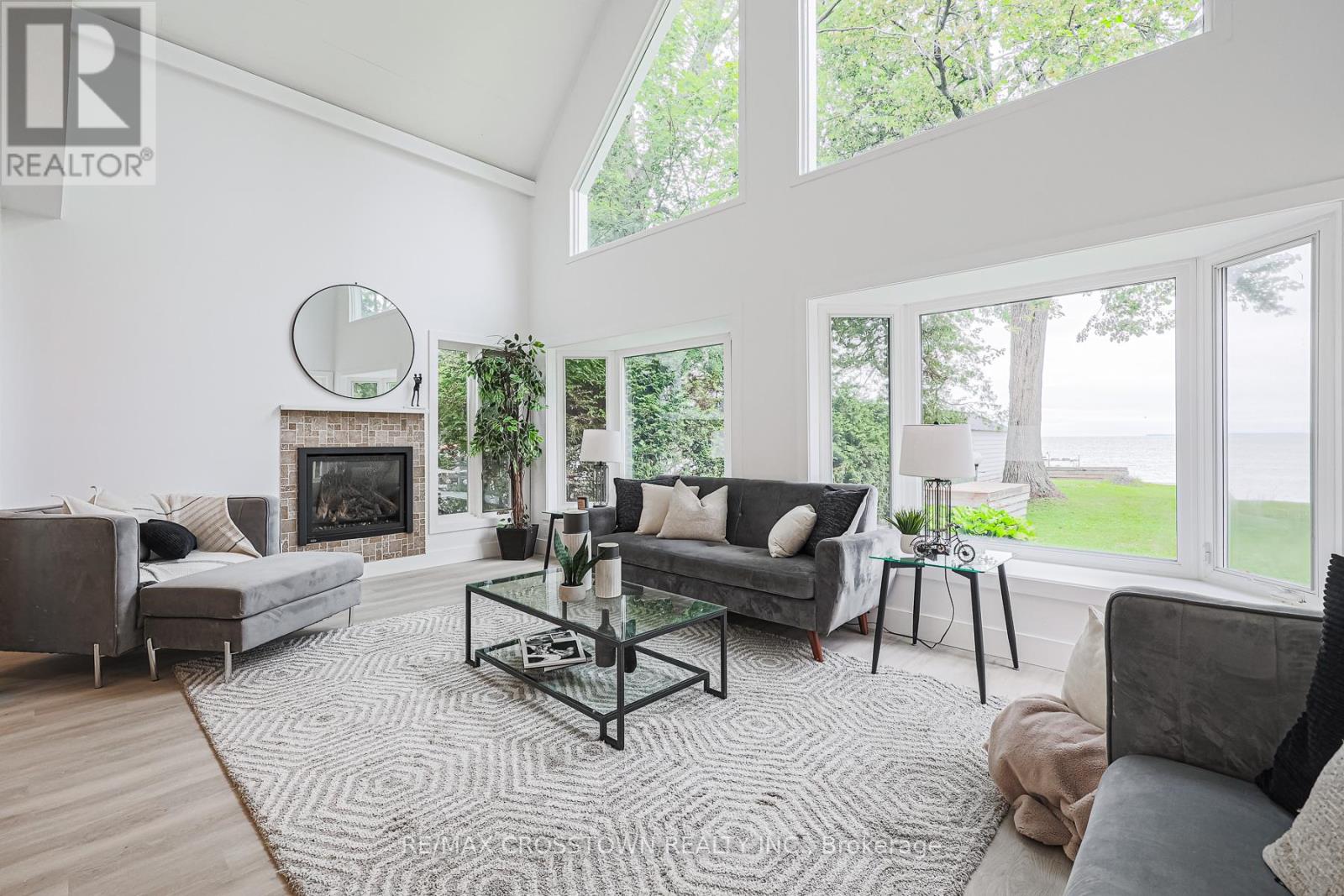 For Sale
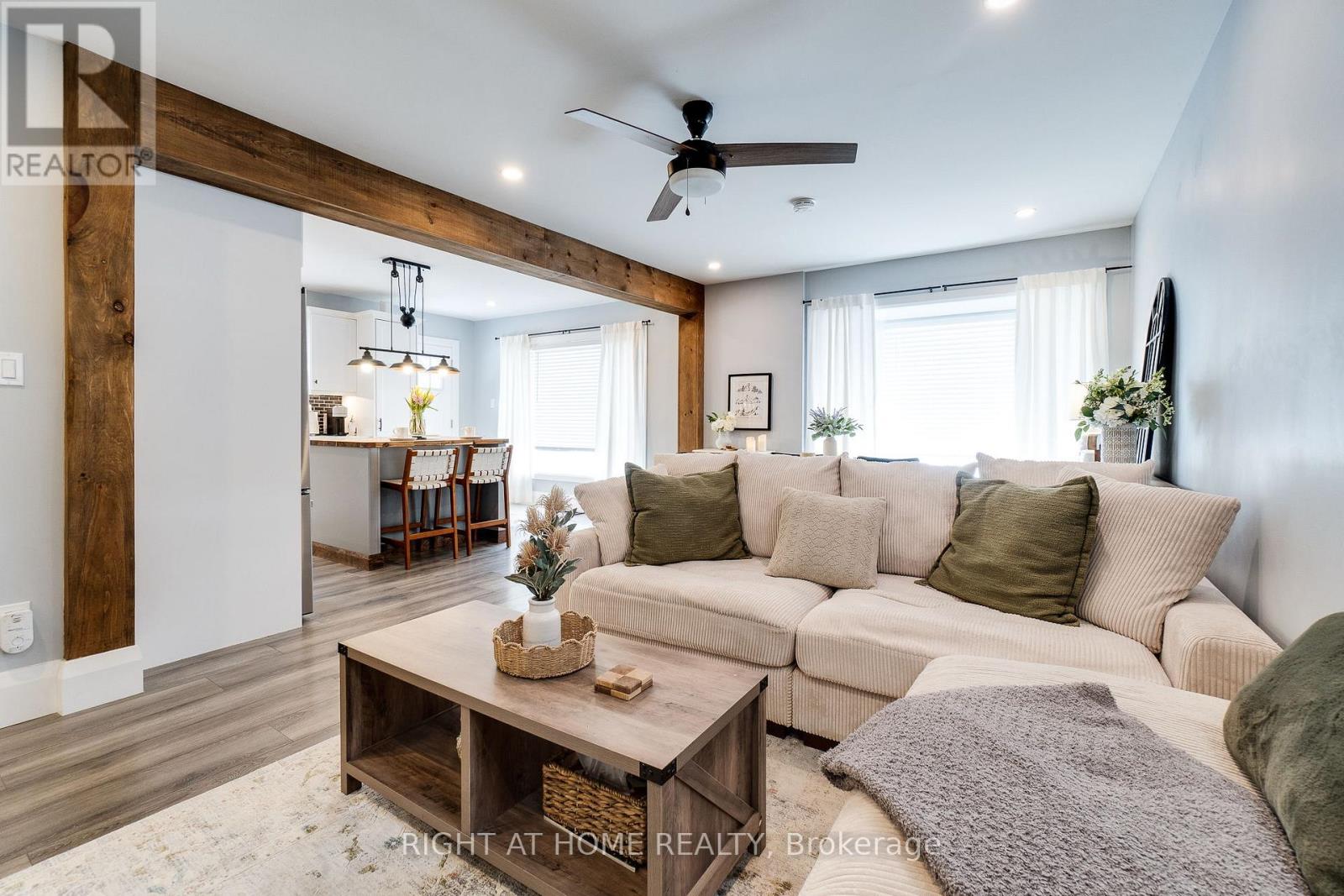 For Sale
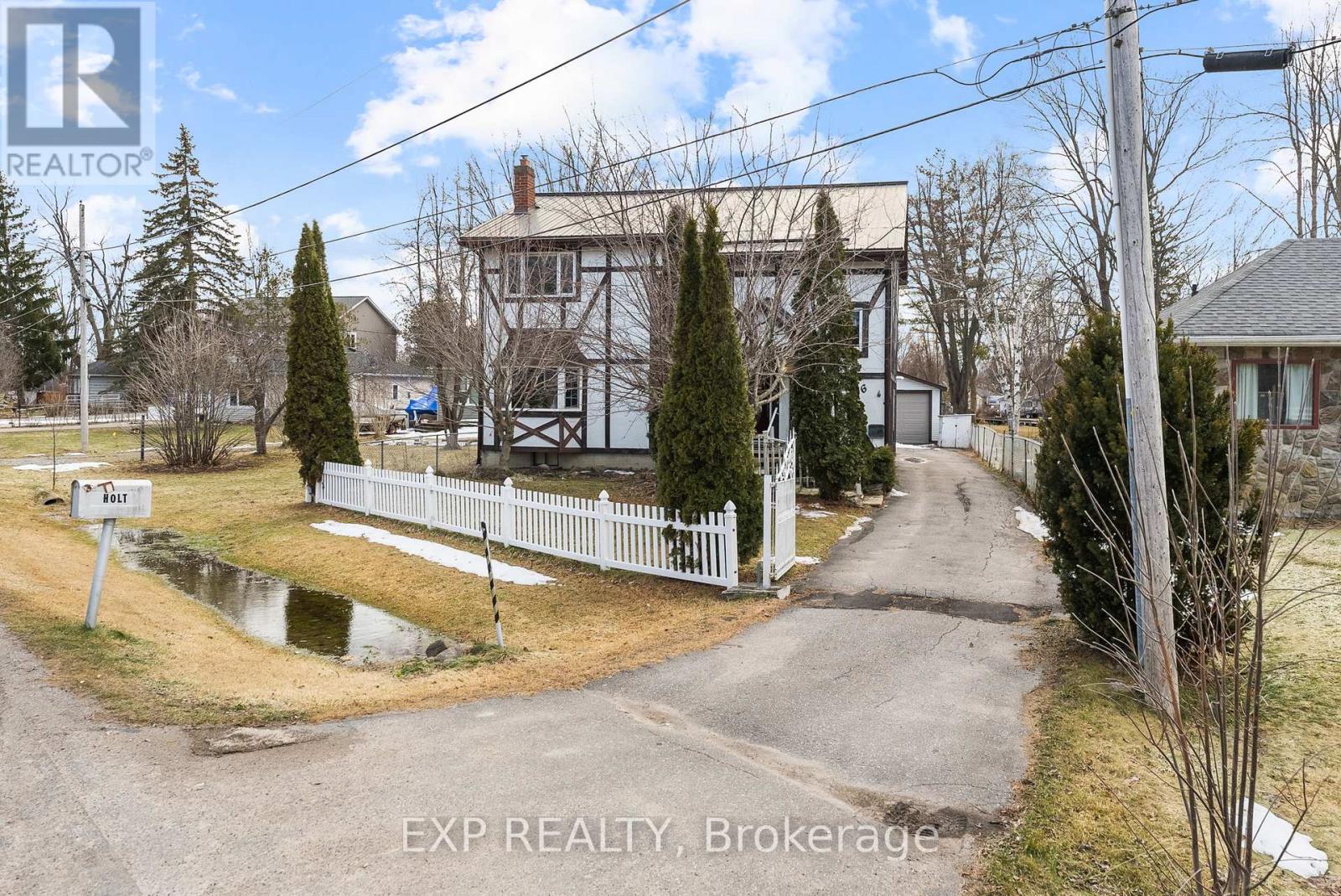 For Sale
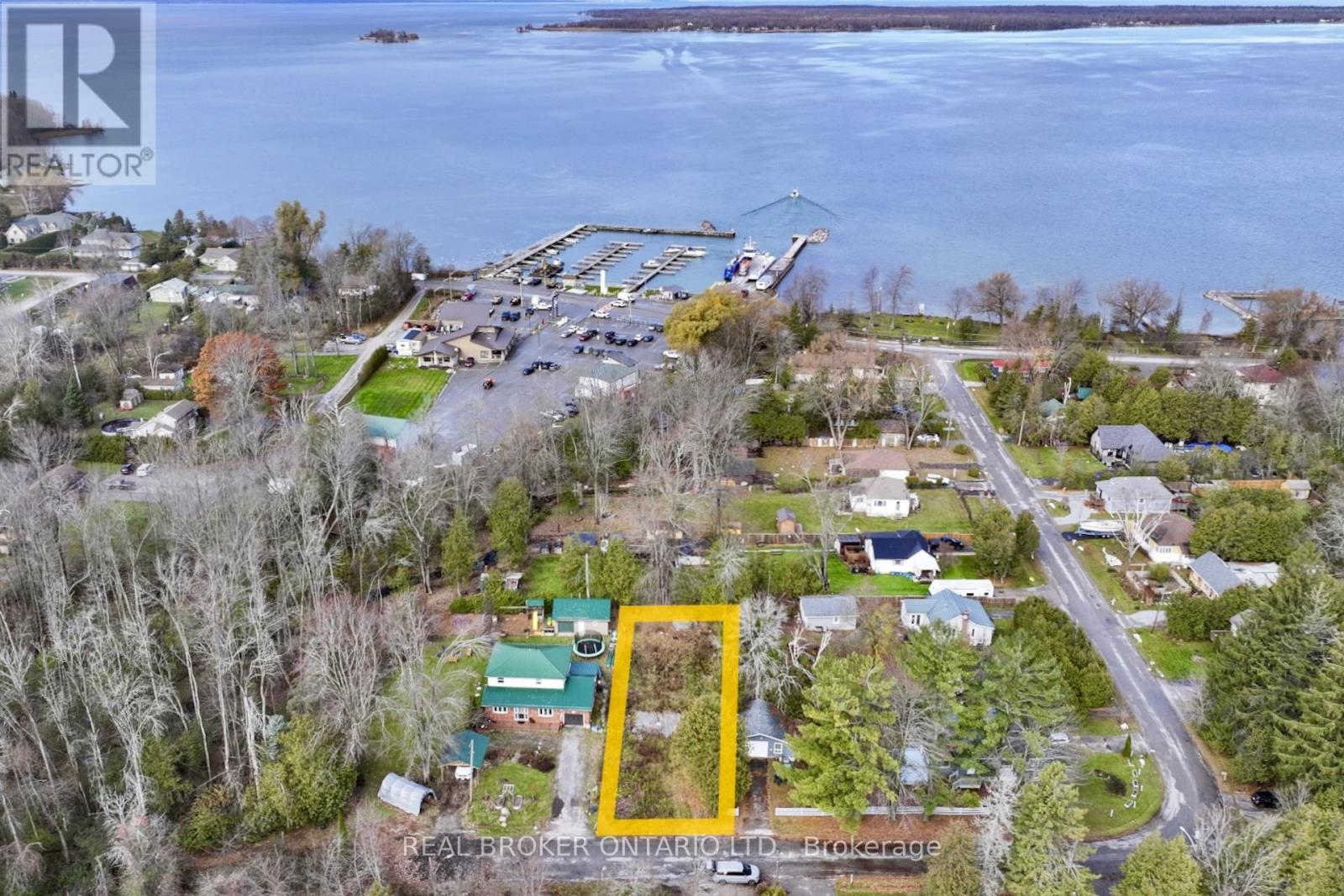 For Sale