
West Hill is an east Scarborough neighbourhood between Kingston Road and Sheppard Avenue East, known for postwar detached homes on notably large lots, direct Highland Creek ravine trail access, and proximity to the University of Toronto Scarborough campus.
West Hill occupies the eastern part of Scarborough between Kingston Road to the south and Sheppard Avenue East to the north, generally west of Morningside Avenue and east of Bellamy Road North. The neighbourhood was developed in the 1950s and 1960s as part of the postwar suburban expansion of Scarborough, and it reflects that period in its street layout, housing stock, and the generous lot sizes that were standard in planned suburbs of the era.
Highland Creek runs through the southern portion of the neighbourhood and its ravine system provides one of the best natural trails in east Toronto. The creek trail connects east toward the Rouge River and Rouge National Urban Park, and west through the broader Highland Creek trail network. The ravine is accessible from residential streets in the southern part of West Hill and is used daily by residents who run, walk, and cycle through the valley. The trail quality is consistently good and the natural environment along the creek corridor is genuine parkland rather than maintained urban green space.
The University of Toronto Scarborough campus is about 10 minutes north of the neighbourhood and is a significant employment and student presence in the area. The campus employment base contributes to demand for rental housing in West Hill and the neighbourhood has a higher proportion of academic and professional residents than comparable Scarborough communities without the UTSC proximity. This demographic contributes to neighbourhood stability and to the quality of the community institutions in the area.
West Hill is priced as an east Scarborough detached market with a large-lot premium over some of its neighbours. Detached bungalows on 50 to 60-foot lots, which are common here, trade between $850,000 and $1.1 million depending on condition and updates. Two-storey detached homes trade between $1.0 million and $1.35 million. Semi-detached homes are less common in West Hill than in older Scarborough communities and trade between $800,000 and $980,000.
The lot sizes here are the distinguishing feature. Fifty to 65-foot frontages on 120 to 140-foot deep lots are the norm, and some streets have even wider lots. The depth and width of these lots supports meaningful backyard development, additions, and the outdoor living space that families specifically pursue. Some lots in the neighbourhood have been subject to severance applications over the years, creating narrower lots, but the majority retain their original dimensions.
Properties in original condition but well-maintained trade at the lower end of the price range and represent the entry point for buyers who can manage renovation work themselves or who have reliable contractors. Properties that have been comprehensively updated with modern kitchens, renovated baths, and finished basements trade at the top of the range and provide turnkey options for buyers who want to move in without immediate renovation investment.
West Hill tracks the east Scarborough detached market. The 2022 peak was followed by a correction and gradual recovery through 2023-2025. Current prices are within 5 to 10 percent of 2022 peaks for well-maintained properties and buyers and sellers have returned to a more balanced dynamic after the volatility of the peak and correction years.
Days on market for West Hill detached homes priced accurately average 20 to 30 days. The buyer pool is genuine and consistent, drawing from multiple sources: families upgrading from smaller Scarborough properties, GTA buyers looking for Toronto city addresses at accessible prices, and UTSC-affiliated buyers who want to be near the campus. This diversity of buyer sources provides market stability that single-source markets lack.
The absence of subway access is the ongoing market limitation for West Hill, as it is for most of east Scarborough. The GO Train at Scarborough GO and Lawrence East is some distance away. The TTC bus network serves the neighbourhood but the bus-to-subway trip adds 20 to 30 minutes to any downtown commute. This transit gap keeps West Hill priced below what equivalent housing stock would cost in subway-accessible areas and is the primary reason for the neighbourhood’s relative affordability within the city.
West Hill draws families who have decided that east Scarborough’s lot sizes and price points are worth the transit trade-off. They typically drive to work in Scarborough, Markham, or York Region employment centres where the highway access is good, or they accept a longer transit commute to downtown because the housing they get for the price is not available at any other point on the commute route.
UTSC faculty, staff, and graduate students are a consistent buyer and renter segment, particularly for the streets closest to the campus along Military Trail and Ellesmere Road. The campus employment base provides a stable demand source that insulates parts of the West Hill market from the volatility that purely commuter-dependent east Scarborough markets experience.
Afro-Caribbean, South Asian, and Filipino communities have been established in West Hill for 20 to 30 years and continue to be major buyer groups. The community institutions these groups have built, churches, cultural associations, and family-oriented businesses, are part of what makes West Hill function as a community rather than just a collection of houses. Long-term residents are consistently positive about the neighbourhood’s social character and many have been there long enough to watch their children grow up and their grandchildren arrive.
The streets between Kingston Road and Highland Creek in the southern section of West Hill have the best trail access. The residential streets in this zone, with names like Coronation Drive, Old Kingston Road, and the crescents running between them, sit above the creek ravine and have access to the trail system from multiple points. These streets are consistently the most sought-after in the neighbourhood because of the natural setting and the quiet that the ravine edge provides.
The streets north of Lawrence Avenue East, extending toward Sheppard, are a different character: slightly higher elevation, less ravine access, and a more uniform postwar suburban feel. These streets are the backbone of the neighbourhood’s residential fabric and offer the widest range of housing types and lot configurations. The streets closest to Morningside Avenue in the eastern section have good access to Morningside Park and the Highland Creek trail system from the east.
Lawrence Avenue East runs through the middle of the neighbourhood east-west and forms the dividing line between the southern ravine-adjacent streets and the northern streets. Commercial activity along Lawrence Avenue East provides local retail access and the bus service along Lawrence connects the neighbourhood to the subway system to the west. Properties directly on Lawrence Avenue are commercial or apartment in character; the residential quality of the neighbourhood is on the streets running north and south from Lawrence.
West Hill relies on TTC buses for transit. The 116 Morningside bus runs north-south along Morningside Avenue and connects to Scarborough GO Station at the south end and toward Sheppard to the north. The 54 Lawrence East bus runs east-west along Lawrence Avenue East connecting toward Kennedy and the Scarborough subway area to the west. These bus routes are functional but require 20 to 30 minutes to connect to the subway.
Scarborough GO Station on the Lakeshore East line is accessible via bus from the southern part of West Hill and provides service into Union Station in approximately 50 to 55 minutes. The Lakeshore East line has better frequency than some other GO corridors, with service running more frequently during rush hours. For buyers who work downtown and are willing to manage the bus-to-GO connection, the total commute is long but uses rapid transit for most of the journey.
Highway 401 is accessible via Morningside Avenue south to the 401 interchange and via Kingston Road east to the 401. Highway 2 (Kingston Road) provides an east-west arterial connection to Pickering and Durham Region to the east and to the Scarborough Bluffs area to the west. For drivers with employment in Markham, Oshawa, or York Region, the 401 and 404 corridors make West Hill reasonably accessible despite being further east than most buyers initially consider.
Highland Creek and its ravine system is the primary natural amenity of West Hill. The creek trail accessible from the neighbourhood connects east to Rouge National Urban Park, the only national urban park in Canada, and west through the Highland Creek natural heritage system. The ravine is wide and mature in the West Hill section, with mixed forest, creek bank habitats, and the wildlife diversity of a well-established natural corridor. The trail quality is good and the natural environment is substantially better than what most Toronto neighbourhoods have access to at comparable price points.
Morningside Park, accessible from the eastern part of the neighbourhood via Morningside Avenue, is a large City of Toronto park with sports fields, tennis courts, a community centre, and trail connections into the Highland Creek system. The park is well maintained and heavily used by Scarborough residents from across east Toronto. The combination of Morningside Park and the Highland Creek trail gives West Hill residents organized recreation and natural trail access without leaving the neighbourhood system.
The University of Toronto Scarborough campus grounds are accessible in the northwestern part of the neighbourhood via Military Trail. The campus has maintained forest sections and informal walking areas along the Highland Creek valley that serve as additional green space. The campus community also contributes to programming and cultural events in the area that benefit the broader neighbourhood.
Lawrence Avenue East is the primary commercial street serving West Hill, with grocery options, pharmacies, banks, and service retail in the commercial strips along the arterial. The multicultural character of the Lawrence Avenue commercial area reflects the neighbourhood’s demographics, with Caribbean, South Asian, and Filipino grocery and food businesses among the established options.
Kingston Road to the south has additional commercial options and connects toward the Scarborough Bluffs commercial area to the west and toward Pickering to the east. The Scarborough Town Centre is approximately 20 minutes west and provides the full-scale mall retail experience for major shopping needs. Markham’s Pacific Mall is approximately 25 minutes north via Highway 401 and 404 and provides specialty Asian retail and restaurant options.
The UTSC campus has a student services commercial area with a grocery option, a food court, and the standard student-oriented services. This commercial area is accessible from the northern part of West Hill in a 10-minute drive and supplements the Lawrence Avenue commercial for residents who want variety beyond the immediate neighbourhood strips. The campus also contributes to the restaurant diversity in the Lawrence Avenue East area as student demand supports a range of food options in nearby plazas.
West Hill is served by the Toronto District School Board and the Toronto Catholic District School Board. Public elementary students typically attend West Hill Public School or other TDSB schools in the area depending on address. Secondary students at the public board attend West Hill Collegiate Institute, which is the neighbourhood’s dedicated secondary school and has an established track record in east Scarborough.
Catholic students at the elementary and secondary levels are served by TCDSB schools in the east Scarborough area. School boundary confirmation at the specific address is the appropriate first step for families with children approaching school age.
The University of Toronto Scarborough campus has been a significant factor in the educational environment of the neighbourhood beyond its direct employment contribution. The campus runs outreach and partnership programs with local schools, access programs that assist students from lower-income backgrounds to attend university, and cultural programming that enriches the community. For families with children who may want to access post-secondary education, the proximity of a U of T campus is a tangible long-term advantage that the neighbourhood’s price point does not fully reflect.
West Hill has seen limited large-scale redevelopment. The neighbourhood’s single-family detached fabric on large lots has not attracted significant teardown-and-rebuild activity because the lots are not yet at the land value threshold that makes demolition economical. Some renovation and extension activity is ongoing as owners invest in their properties, and this gradual improvement of the housing stock is visible in the neighbourhood’s condition.
The Kingston Road corridor to the south of the neighbourhood has seen some redevelopment activity as the waterfront and Scarborough Bluffs area has attracted attention from developers. Mid-rise residential projects along Kingston Road bring additional population to the general area and improve the commercial case for retail investment in the Lawrence Avenue and Kingston Road commercial areas serving West Hill.
The provincial government’s housing policy direction of intensification around transit corridors does not create immediate pressure on West Hill’s interior streets, which are well removed from the subway network. The Morningside and Lawrence Avenue corridors may see incremental mid-rise development over the long term as transit investment in the area eventually improves, but this is a planning direction rather than a near-term construction reality. The neighbourhood’s physical character is stable for the foreseeable planning horizon.
How does West Hill compare to Centennial Scarborough and other nearby east Scarborough communities?
West Hill is north of Centennial Scarborough and has a different terrain and trail character. Centennial Scarborough is closer to Kingston Road and the waterfront, with more bungalow character from the 1950s on slightly smaller lots in some sections. West Hill has generally larger lots, more consistent 1960s construction, and better Highland Creek trail access from the northern streets. Prices are broadly comparable between the two communities, with specific differences driven by lot size, condition, and street-level characteristics. For buyers comparing the two communities, the practical differences are the lot dimensions and the specific trail access points. West Hill buyers who value the Highland Creek connection east toward Rouge tend to prefer West Hill; buyers who value the Kingston Road commercial proximity and the Bluffs trail access to the south prefer Centennial Scarborough. We cover both communities and can walk through the specific trade-offs in a conversation.
What is the connection to the University of Toronto Scarborough campus and does it create any practical issues?
The UTSC campus is north of the neighbourhood along Military Trail and Ellesmere Road. The campus brings several practical effects. Positively, it creates employment demand and tenant demand in the neighbourhood that stabilizes the market. It contributes educational and cultural programming. And the campus grounds provide additional green space and walking areas accessible to residents. Negatively, the streets closest to the campus can see increased traffic during the September arrival period and around major exam seasons. Campus events can affect parking on streets near Military Trail. For properties close to the campus these are seasonal inconveniences rather than permanent issues. Most West Hill residents who are within a 10-minute walk of the campus cite the proximity as a net positive, particularly those with family members attending the university.
What is the Highland Creek trail access like from West Hill and how far can you go?
The Highland Creek trail system accessible from West Hill connects east to Rouge National Urban Park at the eastern end and west through the Highland Creek natural heritage system toward Ellesmere and Scarborough. Going east from the access points in the southern part of West Hill, you can follow the creek valley trail through Port Union and into the Rouge, a distance of several kilometres through mature valley terrain. Going west, the trail connects toward the upper Highland Creek branches and the broader Scarborough ravine network. Total available trail distance from the neighbourhood, following the Highland Creek system and its tributaries, is 15 or more kilometres before retracing. The trail surface varies from paved to packed gravel to informal path depending on the section, and trail quality is generally well maintained by the City of Toronto and the TRCA in the sections adjacent to the neighbourhood.
Is West Hill a practical option for someone working in Markham or Richmond Hill rather than downtown Toronto?
Yes, and this is an underappreciated advantage of east Scarborough generally. The Highway 401/404 corridor is accessible from West Hill in approximately 15 minutes. From the 401/404 interchange, driving north on the 404 to Highway 7 in Markham is approximately 20 minutes. To Richmond Hill and its technology employment corridor is 30 to 35 minutes. For families where one partner works in Markham or York Region and the other works downtown, West Hill provides a reasonable split: the Markham commute is practical by car and the downtown commute is long but achievable via GO Train. This makes West Hill attractive to a buyer profile that is not well served by most Toronto neighbourhood analyses, which focus primarily on downtown commute times.
West Hill is one of east Scarborough’s quieter successes. It has not attracted the developer and media attention of the Scarborough Bluffs communities to the west or the Rouge to the east, and this has kept it relatively unpublicized and relatively underpriced for its fundamentals. The lot sizes, the Highland Creek trail access, the UTSC employment base, and the established community character are real advantages that do not show up in the neighbourhood’s price point relative to comparably located communities in west Toronto.
Buyers who arrive at West Hill after systematically comparing east Scarborough communities against their criteria tend to feel good about the decision. The ones who are most satisfied are those who drive to work in Scarborough, Markham, or York Region, who use the trail system regularly, and who value large lots and a quiet street. The ones who find it most challenging are those who commute daily to downtown Toronto and who find the 60-to-70-minute transit trip harder to sustain over time than they anticipated.
We cover West Hill and the east Scarborough communities. If you want to compare specific streets, lot dimensions, and trail access points across West Hill and the adjacent neighbourhoods, reach out.
Street-level knowledge is hard to find online. Our team works in West Hill every day. They know which pockets hold value, where the school catchment lines actually fall, and what the market is doing right now. Talk to us before you make a decision about West Hill.
Talk to a local agent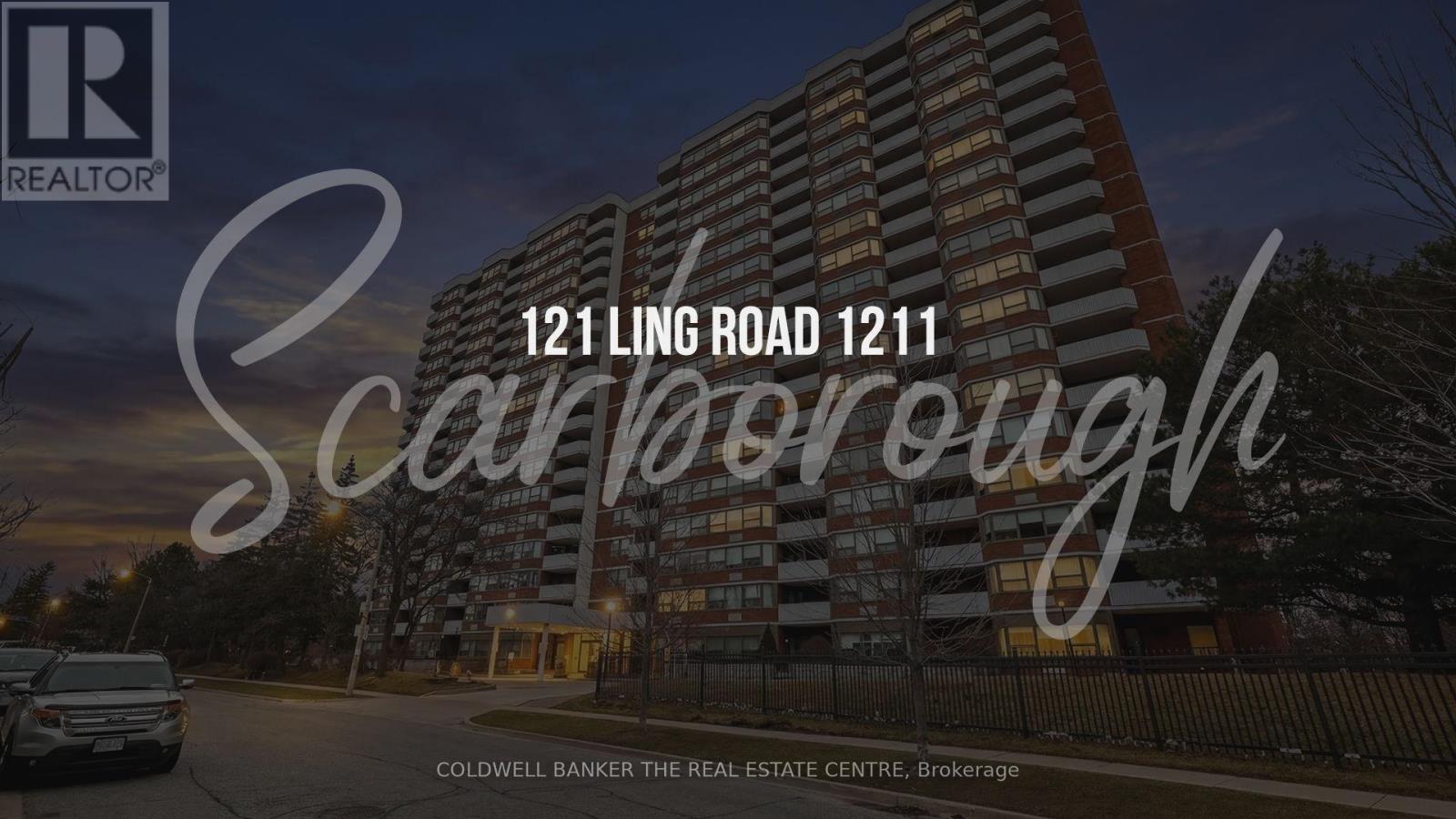 For Sale
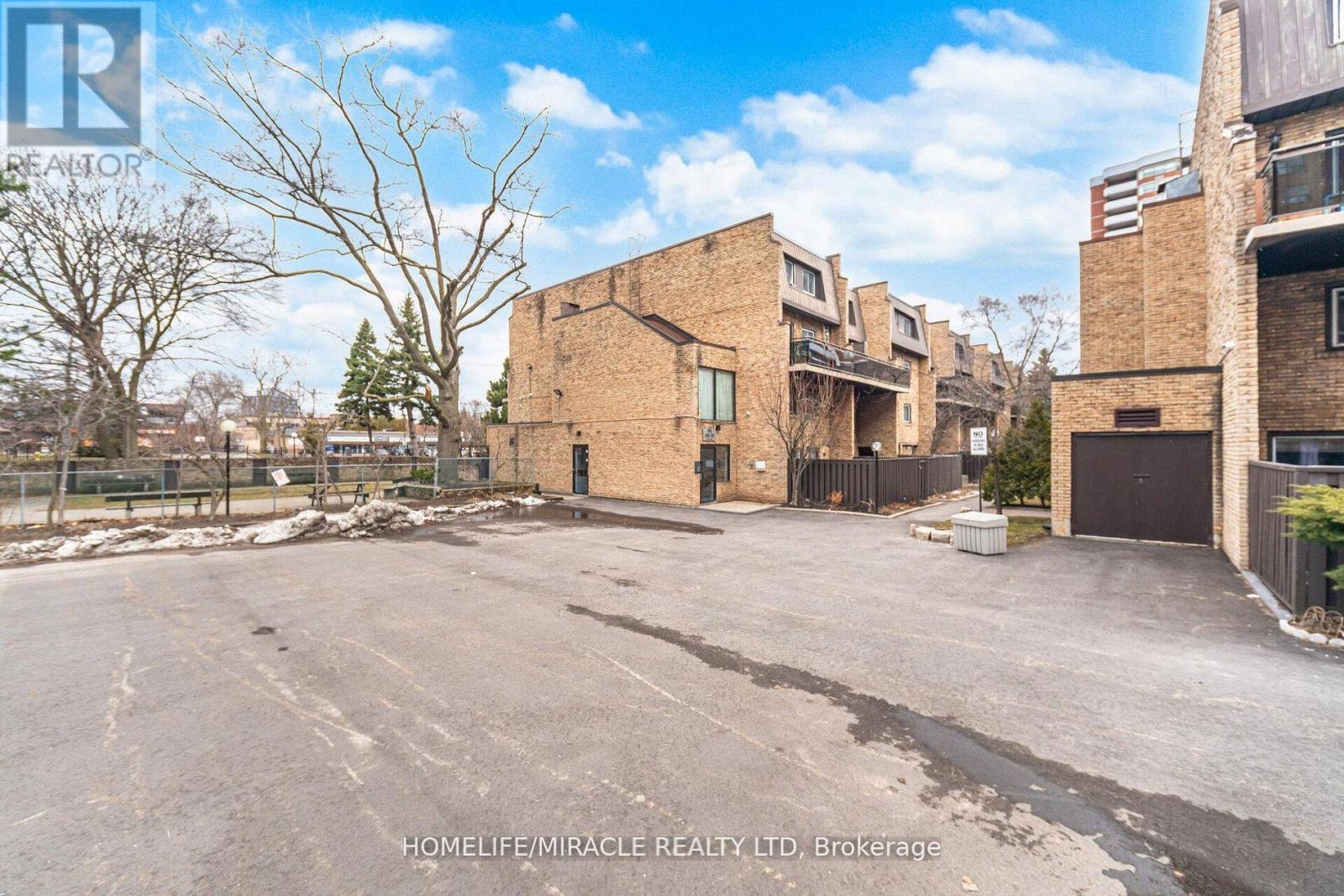 For Rent
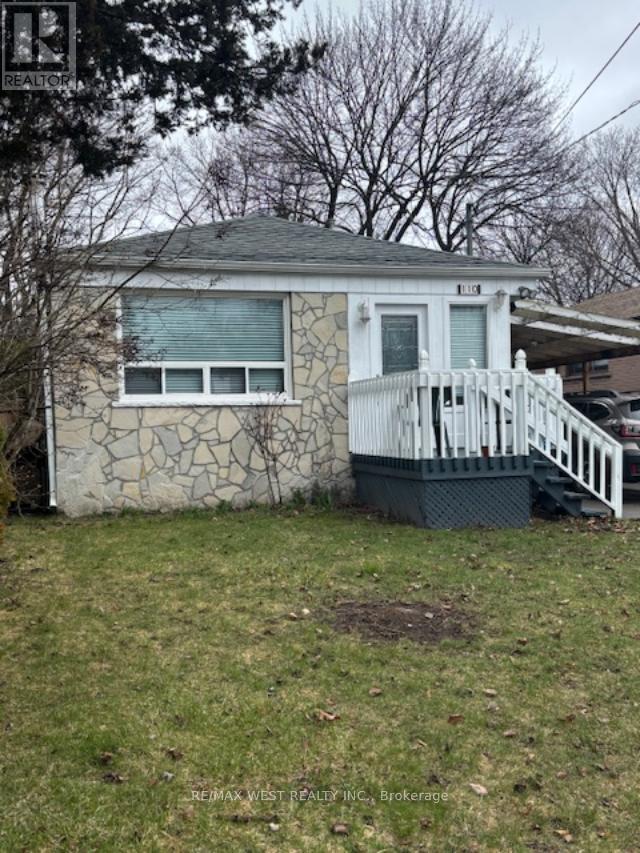 For Sale
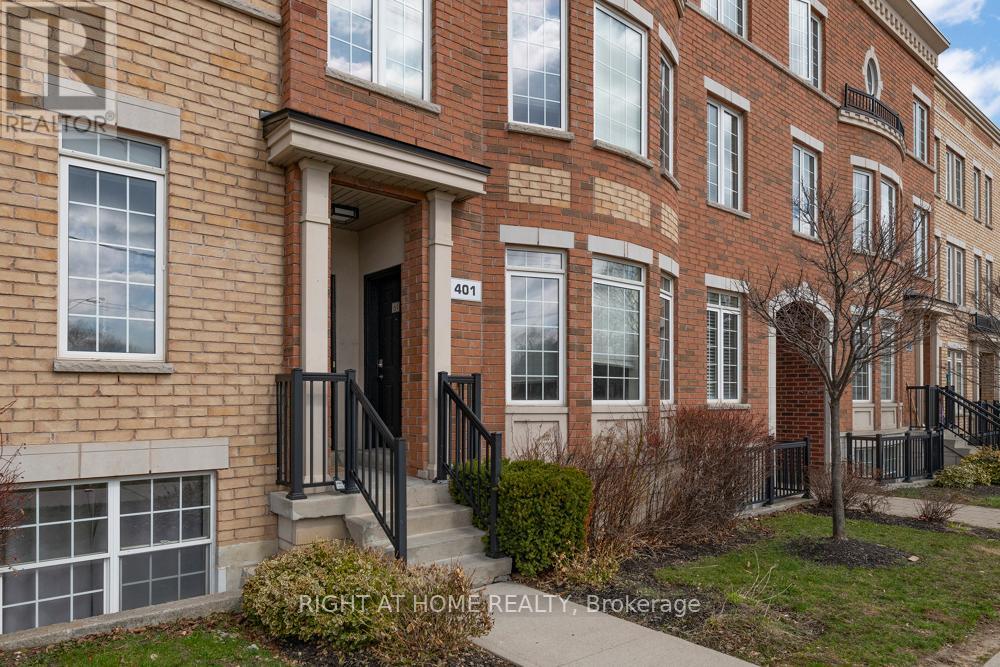 For Rent