
West Humber-Clairville is a diverse northwest Etobicoke community north of Rexdale Boulevard near Woodbine Racetrack and Etobicoke Creek, with a mix of detached homes, townhouses, and apartments reflecting the social diversity of the Rexdale corridor, and direct access to the Humber River trail system.
West Humber-Clairville sits in the northwestern corner of Etobicoke, north of Rexdale Boulevard and west of Kipling Avenue, in territory that sits at the edge of the city between the Humber River and the airport employment lands. The neighbourhood is bounded by the Humber River on the west and north and by Etobicoke Creek on the east, which gives it a natural boundary character that is unusual in this part of Toronto. Both watercourses have trail systems and the neighbourhood sits at the confluence of two significant natural corridors.
The Woodbine Racetrack is the most visible landmark adjacent to the neighbourhood. The racetrack’s grounds create a significant open area on the southern edge of the community and the facility itself has been a subject of redevelopment planning for years, with major mixed-use development proposed for the site. This redevelopment, if it proceeds on anything like the scale proposed, would transform the immediate area and add significant residential, retail, and employment population to the west Etobicoke corridor.
The neighbourhood’s demographics reflect the social diversity of the Rexdale corridor. The community is predominantly working-class and lower-middle-class families from South Asian, Black, and West Indian backgrounds, with a significant proportion of social housing units interspersed with private ownership. The neighbourhood has faced challenges associated with economic disadvantage but also has strong community organizations that have worked consistently to improve conditions and outcomes for residents.
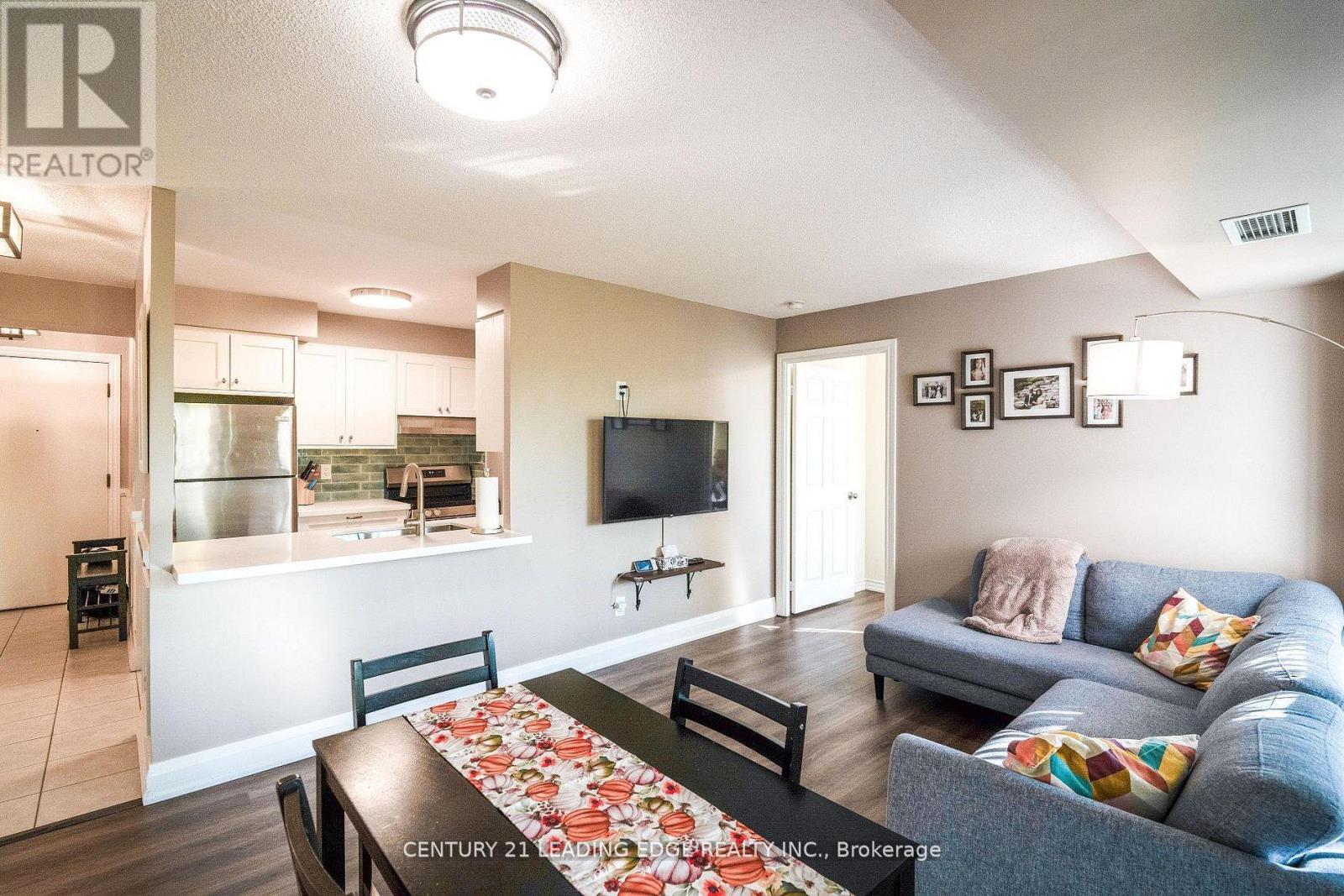
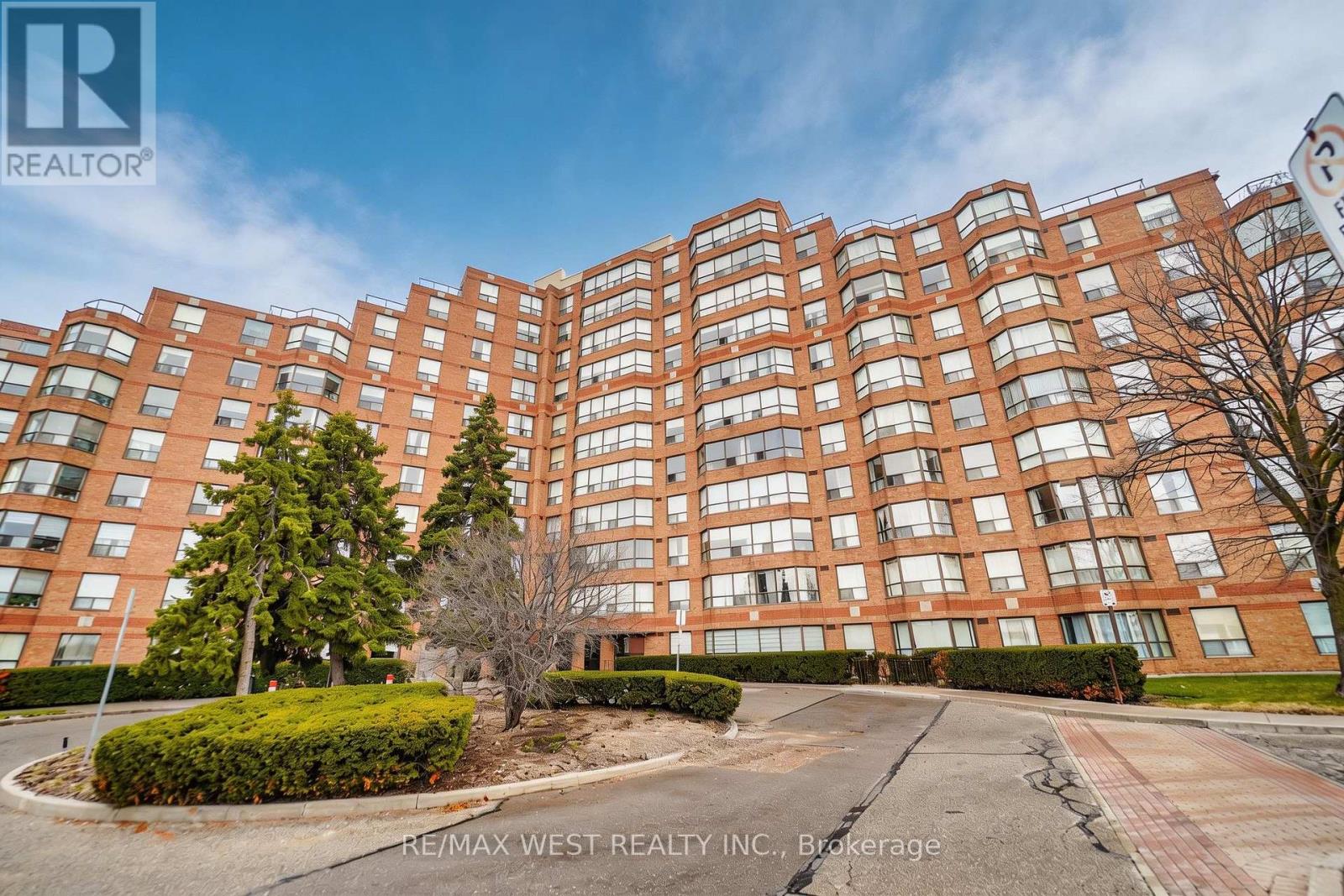
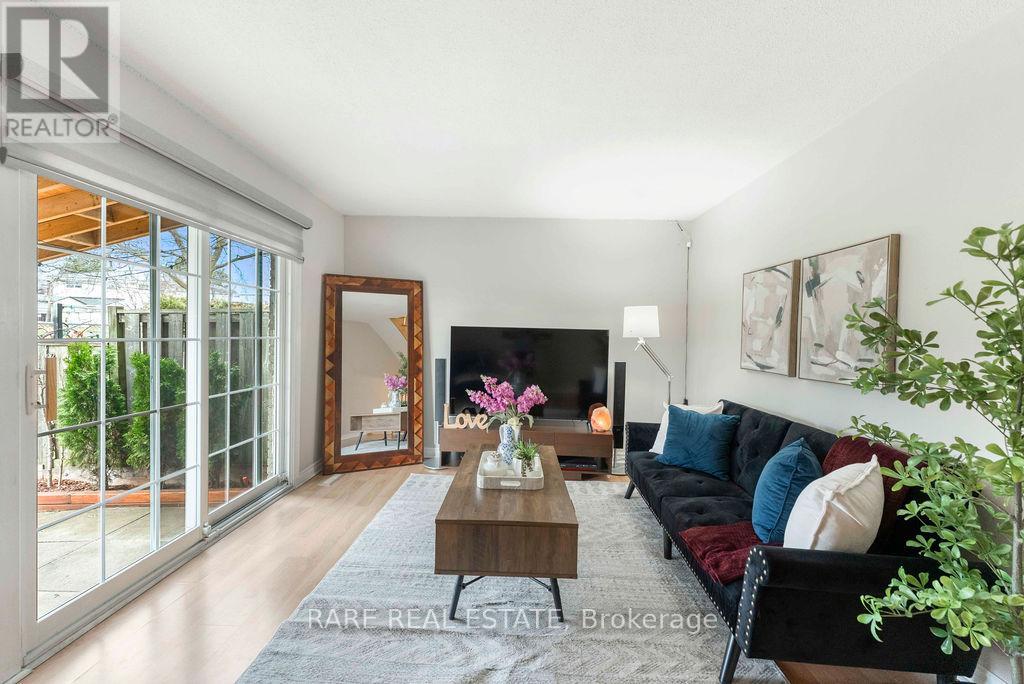
West Humber-Clairville has a mixed housing stock. Detached homes in the neighbourhood, primarily 1960s and 1970s bungalows and two-storeys, trade between $800,000 and $1.1 million depending on condition and lot. Freehold townhouses trade between $700,000 and $900,000. Condominium and co-operative housing units, which make up a significant proportion of the neighbourhood’s housing, trade from $350,000 to $600,000.
The social housing component of the neighbourhood means that ownership market prices are not representative of the full residential picture. A significant portion of the population lives in social housing, co-operative housing, or subsidized rental, and the physical character of the neighbourhood includes this stock alongside market-rate ownership. Buyers purchasing in West Humber-Clairville should walk the specific streets they are considering to understand the immediate neighbourhood character of any given block.
For detached home buyers, the streets in the northwestern and northeastern corners of the neighbourhood, away from the social housing concentrations and closer to the natural corridors along the Humber and Etobicoke Creek, represent the best combination of housing quality, lot size, and natural setting. These streets trade at the upper end of the neighbourhood range and represent genuine value for buyers who know where to look within the community.
West Humber-Clairville is a challenging market to analyze because the range in property types and quality within the neighbourhood is wide. A detached home on a street backing onto the Humber River trail system and a social housing unit in a townhouse complex a few streets away are both in West Humber-Clairville but have completely different market dynamics. Buyers focused on the ownership market should define the specific sub-areas they are considering rather than treating the neighbourhood as uniform.
The detached and freehold townhouse ownership market has tracked the broader northwest Etobicoke market through the 2020-2022 appreciation and subsequent correction. Current prices are below 2022 peak levels and recovering gradually. The days on market for detached homes in the better streets average 25 to 35 days. Properties that require updating or are on streets with higher social housing concentration take longer and require more price discipline to sell.
The potential Woodbine redevelopment is the major wildcard. If the redevelopment of the Woodbine Racetrack site proceeds on the scale proposed, it would add thousands of residential units, significant retail, and employment to the immediate area and would substantially change the urban character of the neighbourhood’s southern edge. This potential is real but the planning and execution timeline remains uncertain, with the project having been announced and then paused or modified multiple times over the past decade.
The ownership market in West Humber-Clairville draws buyers looking for Toronto detached homes at prices below what most of Etobicoke delivers. Families who want more space per dollar than the standard Etobicoke detached market offers, and who are comfortable with the neighbourhood’s social diversity and the work required to identify the best streets within the community, find genuine value here.
Immigrant families from South Asian, West Indian, and African communities who have established roots in the Rexdale corridor are a consistent buyer group. The community organizations, cultural institutions, and family networks in northwest Etobicoke provide the social infrastructure that makes this part of the city function for communities that have built their lives here over 30 to 40 years.
Investors purchasing for rental have a significant presence in the neighbourhood because the rental demand from the large working population near the airport employment area is strong and the entry prices support reasonable yield calculations. The proximity to Pearson International Airport employment, logistics operations, and the associated service economy creates a durable and large tenant pool that is unlikely to diminish regardless of broader market cycles.
The streets along the western edge of the neighbourhood, closest to the Humber River corridor, are consistently the best in the community. The natural setting along the river, the trail access, and the relative distance from the higher-density and social housing portions of the neighbourhood make these streets the address of choice for buyers who have researched the community carefully. Clairville Drive and the streets adjacent to the conservation area are in this zone.
The northeastern section of the neighbourhood, near Kipling Avenue and north of Rexdale Boulevard, has a more mixed character but benefits from the Etobicoke Creek trail access. This section has a range of housing types including detached homes on adequate lots alongside denser residential forms. The streets directly on the creek edge are the best positions in this sub-area.
The central and southern portions of the neighbourhood closer to Rexdale Boulevard have the highest concentration of social housing and the most mixed street character. Buyers focused on the ownership market generally avoid these sub-areas in favour of the river and creek edge streets where the housing stock is more consistently privately owned and the physical character is better. Understanding this geography within the neighbourhood is essential before making purchasing decisions.
TTC bus service connects West Humber-Clairville to the subway and the broader transit network. The 7 Bathurst bus runs along Bathurst Street on the eastern edge of the broader Rexdale area, connecting south toward Bloor Street and the Bathurst subway station. The 36 Finch West bus serves the northern boundary of the neighbourhood. The 45 Kipling bus runs along Kipling Avenue on the eastern boundary connecting to Kipling subway station.
Kipling subway station is accessible via the 45 bus and provides Bloor-Danforth subway access. From Kipling, the ride to Bloor-Yonge is approximately 30 minutes. Total door-to-downtown trip from West Humber-Clairville is typically 50 to 65 minutes depending on the specific starting address and the destination. The neighbourhood is not transit-oriented in the way that subway-adjacent communities are.
Highway access is the neighbourhood’s stronger transportation suit. Highway 427 is accessible from Rexdale Boulevard in approximately five minutes. The 427 connects south to the Gardiner Expressway and north to the 401 and 400. Pearson International Airport is approximately 10 minutes away. For residents working in airport employment, logistics operations on the Rexdale corridor, or in Mississauga employment centres, the highway access is excellent and the driving commute is one of the best in the city for those specific employment destinations.
The Humber River and Etobicoke Creek, both of which border the neighbourhood, provide trail corridors that are the primary natural amenity for residents. The Humber River trail system running south from this area connects to the broader Humber Valley trail network extending to the waterfront. The Etobicoke Creek trail connects south through Etobicoke toward Lake Ontario. For residents who walk or cycle along natural corridors, West Humber-Clairville’s position at the convergence of these two systems is a genuine and underappreciated outdoor asset.
Clairville Conservation Area is adjacent to the northern part of the neighbourhood and provides additional trail access and natural landscape. The conservation area protects land along both watercourses and is managed by the Toronto Region Conservation Authority. It is not a developed park with extensive facilities, but it preserves the natural character of the area and provides a buffer between the residential neighbourhood and the rural fringe north of the city.
The neighbourhood’s parks within the residential area are standard urban parks with playgrounds, sports fields, and community use areas. These serve the immediate residential population but are not the distinguishing outdoor amenity of the community. The river and creek trail systems are the natural amenities that differentiate this neighbourhood from comparable northwest Etobicoke communities without this trail access.
Commercial services in West Humber-Clairville are primarily along the main arterials: Rexdale Boulevard, Finch Avenue West, and Kipling Avenue. These commercial strips have a range of grocery options, pharmacies, banks, and service retail reflecting the multicultural character of the northwest Etobicoke corridor. South Asian grocery stores, Caribbean food shops, and West African markets are present alongside mainstream chains.
Woodbine Centre on Rexdale Boulevard is the closest major retail mall and has a range of national chain retailers, a Cineplex, and the Woodbine Racetrack gaming facility. It serves as the primary mall destination for the neighbourhood. Sherway Gardens is approximately 20 minutes south along the 427 and provides a higher-quality retail selection for major shopping needs.
The dining options along the Rexdale corridor are multicultural and reflect the community demographics, with Indian, Jamaican, Ghanaian, and Filipino restaurants among the options in the commercial plazas. These are practical, affordable, and generally good options for everyday dining. For fine dining or destination restaurants, the drive to the Etobicoke commercial corridors or Mississauga is 20 to 30 minutes and provides substantially more variety.
West Humber-Clairville is served by the Toronto District School Board and the Toronto Catholic District School Board. The school situation in this neighbourhood is shaped by the social housing concentration and the economic profile of the community, which affects school demographics and requires school administrators to address a wider range of student needs than schools in higher-income communities.
The TDSB schools serving West Humber-Clairville have received varying levels of attention and investment from the board under equity programs designed to support lower-income communities. The quality of individual schools within the board has improved through these programs and parents in the neighbourhood have been active in school councils and community engagement. Secondary students attend schools in the Etobicoke northwest secondary cluster.
Catholic students are served by TCDSB schools in the area. The Catholic system has a significant presence in northwest Etobicoke and serves many of the South Asian and West Indian Catholic families in the community. School boundary confirmation at the specific address purchased is the appropriate first step for families making a purchasing decision that depends on school access.
The Woodbine Racetrack redevelopment is the major development question affecting West Humber-Clairville. The Woodbine Entertainment Group has proposed a major mixed-use redevelopment of the racetrack lands that would add thousands of residential units, hotels, retail, and community facilities to the site over multiple phases. This project, if executed, would be one of the largest development projects in Toronto history and would fundamentally change the character of the neighbourhood’s southern edge and the broader area.
The project has been in planning and approvals for years and the timeline and scale have changed multiple times. As of early 2026, some phases had received planning approvals and early infrastructure work was beginning, while the full build-out remained a long-term prospect rather than a near-term construction reality. Buyers in the area should follow the status of the Woodbine development applications through the city planning portal and through Woodbine Entertainment Group communications, which are publicly available.
The conservation lands along the Humber River and Etobicoke Creek corridors are protected from development and the TRCA manages these areas actively. The corridor protection is permanent and provides long-term certainty for the trail systems and natural areas that are part of the neighbourhood’s value proposition. Any improvement to the trail infrastructure within the conservation areas directly benefits the residents of West Humber-Clairville who use the trails regularly.
What is the social housing proportion of West Humber-Clairville and how does it affect the ownership market?
A significant portion of the housing stock in West Humber-Clairville, estimates vary but it is likely 25 to 35 percent of all units, is social, co-operative, or subsidized housing managed by Toronto Community Housing Corporation or other providers. This concentration is higher than most Toronto neighbourhoods and it affects the character of specific streets within the community. The ownership market is most stable on the streets that are predominantly private ownership, particularly the river and creek edge streets in the northwest and northeast sections. The streets with the highest social housing concentration are in the central-southern part of the neighbourhood and have a different physical character and ownership market. Buyers who do street-level research before shortlisting properties will be able to identify which sub-areas best match their priorities. The social housing concentration does not uniformly suppress ownership values across the neighbourhood, but it does create significant variation within it.
What is the potential impact of the Woodbine Racetrack redevelopment on property values?
If the Woodbine redevelopment proceeds on the scale proposed, the impact on West Humber-Clairville property values is likely to be positive for several reasons. The addition of a large mixed-use development adjacent to the neighbourhood would bring significant retail, restaurant, and entertainment options within walking distance. The development would increase the overall density and urban character of the area, which tends to support property values in the surrounding blocks. New residential units introduced by the development would add a higher-income demographic to the immediate area. The negative aspect of a large development of this scale is construction disruption, increased traffic during the build-out period, and the uncertainty associated with a multi-decade phased development. Buyers who purchase in West Humber-Clairville with the Woodbine development as part of their thesis are making a long-term bet on execution that is not risk-free. Those who are buying for the current property fundamentals and who view the development as upside potential rather than priced-in value are making a more conservative case.
How close is the neighbourhood to Pearson Airport and is noise a factor?
The neighbourhood is approximately 3 to 5 kilometres east of Pearson’s main runways. Aircraft on the eastbound departure paths and westbound approach paths for the east-west runways pass over the Rexdale corridor at varying altitudes. Noise is noticeable under certain wind conditions and during busy flight periods but is generally at background level rather than disruptive. The communities immediately northwest of the airport on Rexdale Boulevard are more directly affected. For buyers who are sensitive to aircraft noise, visiting the property at different times of day and in different wind conditions is the appropriate due diligence. The area has been under the airport flight path for 60 years and the existing residents have accommodated the noise as part of the neighbourhood’s character.
What is the Etobicoke Creek trail access from West Humber-Clairville?
Etobicoke Creek runs along the eastern side of the neighbourhood. The trail follows the creek south through the conservation lands into Etobicoke and eventually to Lake Ontario. The trailhead from the neighbourhood is accessible from several points along Kipling Avenue via the conservation area access points. The trail surface is a mix of paved and natural, and the condition is generally good. The creek corridor through this section passes through mature conservation land with good wildlife habitat. Moving south from the neighbourhood, the trail passes through the Centennial Park area and then continues toward the Etobicoke waterfront. Total trail distance south to the lake from the neighbourhood access point is approximately 12 kilometres. For cycling, the trail is passable for most of its length. For running and walking, the surface is suitable year-round with appropriate footwear in winter conditions.
West Humber-Clairville is a market that requires neighbourhood-specific knowledge that most Toronto agents do not have. The variation within the community is significant enough that buying on the wrong street materially affects the investment outcome and the quality of daily life. An agent who has worked the specific sub-areas of this neighbourhood knows which streets have consistent private ownership, which have the best trail access, and which are most exposed to the challenges associated with the social housing concentration.
The value case for the best sub-areas of West Humber-Clairville is genuine. The river and creek trail access, the highway and airport proximity, and the entry prices below much of west Etobicoke create a combination that is difficult to find elsewhere in the city. Getting to that value requires knowing where to look within the community rather than applying a neighbourhood-level assessment that averages out the real internal variation.
We cover West Humber-Clairville and the northwest Etobicoke corridor. If you want to understand the specific street geography within the neighbourhood and which sub-areas best match your criteria, reach out.
Street-level knowledge is hard to find online. Our team works in West Humber-Clairville every day. They know which pockets hold value, where the school catchment lines actually fall, and what the market is doing right now. Talk to us before you make a decision about West Humber-Clairville.
Talk to a local agent For Sale
 For Sale
 For Sale
 For Sale