
Westbrook is a west Richmond Hill neighbourhood with 1990s-2000s detached homes from $1.4M-$2.5M, strong Chinese and Iranian Canadian communities, and proximity to Bayview Secondary School.
Westbrook is a large master-planned community in the western part of Richmond Hill, developed primarily in the late 1990s and 2000s in the area between Bathurst Street to the east, Highway 400 and the Vaughan boundary to the west, Major Mackenzie Drive to the north, and the Elgin Mills area to the south. It is the westernmost of Richmond Hill substantial residential communities, positioned closer to Vaughan than to the central Richmond Hill Yonge Street corridor, and this western positioning shapes its commute dynamics, commercial access, and buyer profile in ways that distinguish it from the eastern and central Richmond Hill family communities.
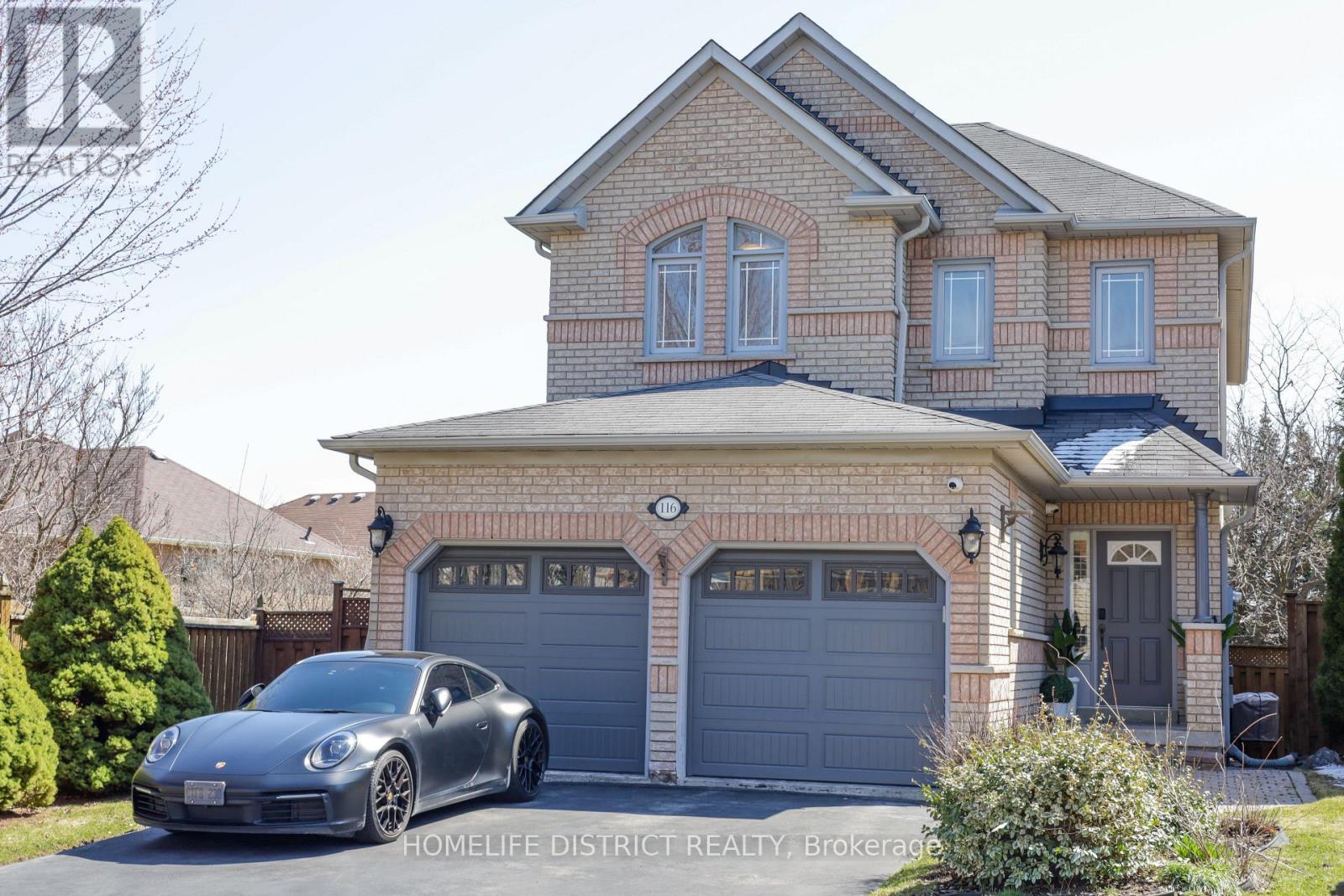
The housing stock in Westbrook is predominantly late-1990s and 2000s construction, with detached homes, semi-detached homes, and townhouses built across multiple development phases that give the community a range of housing types and sizes. The neighbourhood is large enough to have its own commercial infrastructure and internal park network, but small enough that residents depend on the surrounding commercial corridors for the full range of retail and dining options. The Bathurst Street and Yonge Street corridors provide the bookend commercial access for most Westbrook household needs.
Westbrook draws a buyer profile that reflects its western position in Richmond Hill. Families who work in the 400-series corridor, in Vaughan, or in Brampton find Westbrook significantly more practical than the Yonge Street-centric communities of central and east Richmond Hill, as the Highway 400 access and the Vaughan boundary proximity reduce commute times for these buyers. At the same time, the GO commute from Westbrook to downtown Toronto is less convenient than from communities nearer to the Barrie line stations on the Yonge corridor.
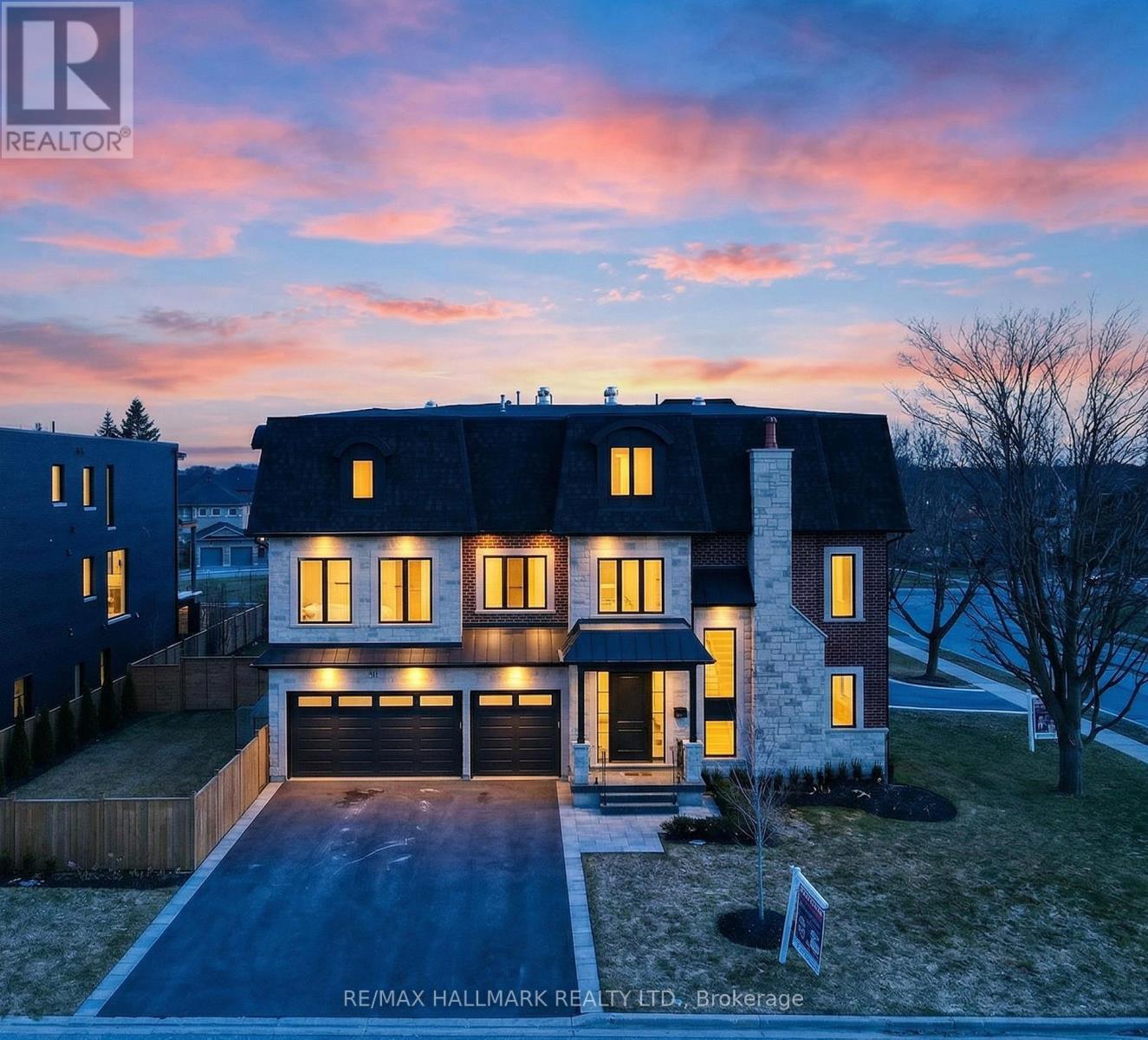
Westbrook pricing sits in the mid-tier of the Richmond Hill market, with detached homes trading in the $1.4 million to $2.5 million range depending on size, condition, and specific street. The upper end of this range has elevated inventory in the luxury segment, reflecting a supply-demand balance at the premium end that differs from the tighter conditions in the mid-tier.
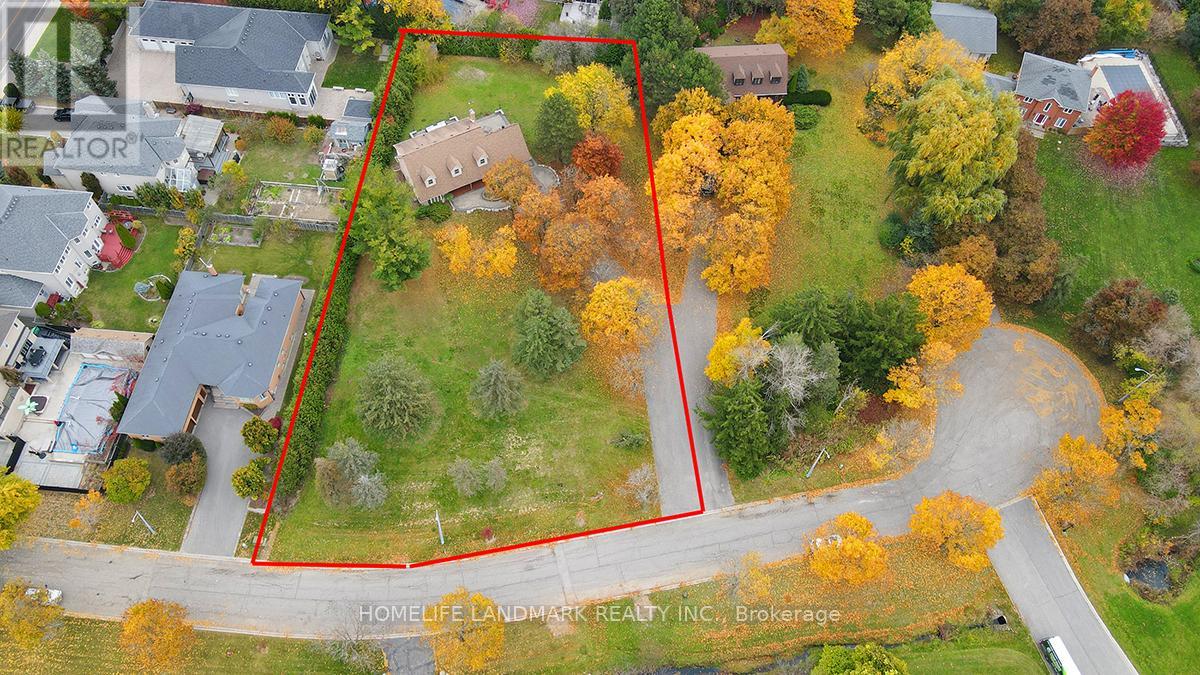
Westbrook pricing spans a meaningful range based on housing type, lot size, and the specific section of the community. Standard four-bedroom detached homes in good condition were trading in the $1.4 million to $1.9 million range through 2024 and into early 2025. Larger detached homes on premium lots, or properties in the most desirable sections of the community, reached $2 million to $2.5 million. The upper end of the Westbrook range represents the luxury segment of the western Richmond Hill market, and this segment has seen elevated inventory and longer days on market as supply has exceeded the specific buyer pool that targets premium Westbrook addresses.
The late-1990s and 2000s housing stock in Westbrook is at the age where the original kitchens and bathrooms show their time, but the structural and mechanical systems remain fundamentally sound. The renovation opportunity is present but at a more modest scale than in older communities like Harding or North Richvale. Buyers who update kitchens, bathrooms, and flooring in a Westbrook home can add meaningful equity and competitive positioning in a market where the renovated comparable is priced well above the original-condition inventory at the same address.
Semi-detached and link homes in Westbrook trade in the $950,000 to $1.3 million range, and townhouses from the high $700,000s to around $1.1 million for freehold product. These property types provide entry points to the Westbrook community and its school catchments for buyers who cannot stretch to the detached market, and the freehold townhouse segment is consistently active in the spring and fall periods when family buyers are making purchase decisions ahead of school year transitions.
Property taxes on a $1.6 million Westbrook home run approximately $7,500 to $9,500 annually. Closing costs follow standard York Region patterns, with buyers above $1 million budgeting approximately 1.5 to 2 percent of purchase price for land transfer tax and other closing costs beyond the deposit.
The Westbrook market has two segments with different dynamics. The mid-tier detached market in the $1.4 million to $1.8 million range performs consistently, with well-priced properties finding buyers in 20 to 35 days during active periods and generating competitive situations when good condition, school catchments, and price combine to attract the family buyer pool. This segment has the depth that a large established community with consistent demand generates, and it provides a reliable transaction environment for buyers who are well-prepared.
The upper tier of the Westbrook market, for properties in the $2 million to $2.5 million range, has experienced elevated days on market and more price sensitivity than the mid-tier. At these price points, Westbrook competes directly with the lower tier of Bayview Hill and the upper tier of Devonsleigh, and buyers who have a $2 million budget are evaluating Westbrook against those alternatives. The specific address within Westbrook, the lot quality, and the construction quality need to be meaningfully competitive with the Bayview Hill entry level to justify the premium pricing in this segment.
The buyer pool for Westbrook skews toward buyers whose commute or lifestyle anchors them to the western part of York Region and the Highway 400 corridor. This is a different buyer pool than the Yonge Street-centric family buyers who dominate the central Richmond Hill market, and the market dynamics reflect this geographic orientation. Westbrook is not as heavily searched as some central Richmond Hill communities, which creates periodic opportunities for buyers who are actively researching the western Richmond Hill market.
Inventory levels in Westbrook have been moderately higher relative to sales than in the central Richmond Hill markets, particularly in the upper tier. This has created more negotiating room for buyers in the $2 million-plus segment than was available during the 2021-2022 peak, and buyers with patience and clear criteria can find value in this environment that is not available in the more competitive family market tiers elsewhere in Richmond Hill.
Westbrook buyer demand reflects the community western position in Richmond Hill. Buyers whose employment is in Vaughan, King Township, the Highway 400 employment corridor, or the Brampton and Mississauga markets find Westbrook significantly more practical than the Yonge Street-centric eastern and central Richmond Hill communities. This geography-driven demand is distinct from the school-catchment-driven demand that dominates communities like Rouge Woods or Jefferson, and it produces a buyer profile that may prioritize highway access over transit access and commute practicality in a specific direction over the general Richmond Hill school catchment premium.
South Asian families represent a significant buyer segment in Westbrook, consistent with the broader western Richmond Hill and Vaughan market demographics. Buyers from Punjabi and South Indian communities who have been in Brampton or Mississauga and are moving into the Richmond Hill family market find Westbrook accessible in terms of its western position, its pricing relative to central Richmond Hill, and its proximity to the South Asian community infrastructure along Highway 7 and in the Vaughan and Thornhill commercial corridors.
Jewish families from the broader Yonge Street corridor community are a buyer segment in Westbrook for reasons similar to South Richvale and the western Richmond Hill communities generally. The proximity to the Jewish community infrastructure along Yonge Street and the access to Jewish day schools in the Thornhill and central Richmond Hill corridor make Westbrook a practical western Richmond Hill option for this community.
Families upgrading from Vaughan communities such as Maple or Woodbridge who want a Richmond Hill address but want to maintain their western position relative to Vaughan are a consistent buyer segment. These buyers know the western York Region market, appreciate the access to the same highways and commercial areas they have used from Vaughan, and are choosing Richmond Hill over Vaughan for the school board or community character differences they have researched.
The premium sections of Westbrook are concentrated in the phases developed in the mid-to-late 2000s, where the design standards and housing sizes are more consistent with current expectations than the earlier phases from the late 1990s. The later-built sections have larger floor plates, better street design, and more consistent housing quality than the earliest phases of the community, and buyers who are comparing properties across the full Westbrook geographic range should understand this phase variation before interpreting pricing differences.
Streets that back onto or face the internal park network within Westbrook carry modest premiums for the green space and reduced traffic exposure. The community park system was designed into the original subdivision plan, and the park-adjacent streets have maintained their premium across market cycles as families with children consistently target these positions for the proximity to playgrounds and sports fields. Buyers with young children will find the park-adjacent streets in the central sections of the community are worth the small premium they carry.
The western edge of Westbrook, where the community meets the Highway 400 corridor and the Vaughan boundary, has more commercial and highway exposure than the interior streets. Properties closest to the highway should be visited at different times of day to assess the actual noise impact on specific addresses, as the highway noise varies considerably by distance and by the specific orientation of the property. Buyers who are sensitive to traffic noise should evaluate properties one to two blocks minimum from the Highway 400 boundary.
The Bathurst Street boundary on the eastern edge of Westbrook provides commercial access to the Bathurst and Major Mackenzie corridor and to the Bathurst Street commercial strip that serves this part of Richmond Hill. Streets near the Bathurst boundary are accessible to these commercial options on foot or by bicycle in a way that the interior Westbrook streets are not, which is a practical advantage that some buyers specifically seek.
Westbrook transit access is more limited than for the central Richmond Hill communities on the Yonge Street corridor. The community is served by YRT bus routes on Bathurst Street and Major Mackenzie Drive, but the frequency and routing reflect the suburban character of western Richmond Hill rather than the higher-demand Yonge Street corridor. The transit journey to downtown Toronto from Westbrook involves connections that add time and complexity relative to the Yonge Street-adjacent communities, running 80 to 100 minutes under typical conditions.
GO Transit access from Westbrook requires driving to the nearest Barrie line stations at Rutherford or Maple GO in Vaughan, approximately 15 to 25 minutes by car depending on traffic and the specific Westbrook origin. The Barrie line express trains to Union Station take approximately 40 to 45 minutes, producing a total GO commute of 65 to 80 minutes door to door for downtown Toronto employers. This is workable for buyers whose employers are near Union Station, but the driving leg and the parking at the Vaughan GO stations are daily logistics that buyers should factor into the total commute assessment.
Highway 400 is the defining commute advantage of Westbrook for driving commuters. Access to the 400 via Major Mackenzie Drive or Rutherford Road is within 10 to 15 minutes, and the 400 provides fast access to Highway 401, the Barrie corridor, and the distribution of the western GTA employment market in Vaughan and Brampton. Buyers whose employment is on or near the 400-series highway network find Westbrook more convenient than any east or central Richmond Hill community at comparable pricing.
The Yonge North Subway Extension, opening around 2030, will not provide direct access from Westbrook but will improve the transit situation in the broader Richmond Hill corridor. The nearest planned station at Langstaff is accessible from Westbrook in approximately 20 to 25 minutes by car, and the transit improvement will benefit Westbrook residents who use the Yonge Street transit connection rather than dramatically changing the car-dependent character of the western Richmond Hill commute.
Westbrook internal park network provides the standard suburban community green space that was designed into the original subdivision plan. Parks distributed throughout the community give most Westbrook homes reasonable walking access to playground equipment, sports fields, and open recreational space. The parks are well-maintained by the City of Richmond Hill and are actively used by the family demographics that dominate the community. The green space infrastructure in Westbrook is adequate for daily family recreational needs without being exceptional relative to comparable master-planned York Region communities.
The Elgin Mills and Bathurst Street green corridors provide trail and naturalized green space access from the edges of the community. These are urban trail connections rather than naturalized conservation corridors, appropriate for recreational walking and cycling but not providing the wilderness experience of the Oak Ridges Moraine or the Rouge Valley. For buyers who prioritize access to naturalized trail systems, Westbrook is not the strongest Richmond Hill community for this purpose, with the Oak Ridges and eastern Richmond Hill communities providing superior natural trail access.
Lake Wilcox in Oak Ridges is accessible by car from Westbrook in approximately 25 to 30 minutes, providing seasonal waterfront recreation as a day destination. The drive adds time relative to the Lake Wilcox-adjacent Oak Ridges communities, but the destination remains practical for regular weekend visits. Boyd Conservation Area in Vaughan is more directly accessible from Westbrook, approximately 20 minutes by car via Highway 400, and provides forest trail, river access, and outdoor recreation for Westbrook families who use it regularly.
The City of Richmond Hill community centres and recreation facilities are distributed across the city and are accessible from Westbrook within 15 to 25 minutes by car. The Westbrook community centre and the internal park network handle the daily recreational needs of the neighbourhood, and the city-wide facilities supplement for programs and activities not offered locally.
Westbrook commercial access is primarily oriented toward the Bathurst Street and Yonge Street corridors to the east and the Rutherford Road and Major Mackenzie commercial nodes that serve the western York Region market. The community has internal commercial plazas serving routine daily needs, and the Bathurst Street commercial corridor provides additional grocery, pharmacy, and service commercial within 10 minutes by car. The access to both the Richmond Hill commercial infrastructure to the east and the Vaughan commercial infrastructure to the west is one of the practical advantages of the western Richmond Hill position.
The Vaughan commercial area, particularly the Rutherford Road commercial strip in Maple and the Highway 400 commercial nodes, is accessible from Westbrook in 15 to 20 minutes. For buyers who make regular use of the South Asian, Persian, or East Asian commercial infrastructure that is heavily concentrated in the Vaughan and Thornhill market, Westbrook provides better access than any central or eastern Richmond Hill community. The commercial diversity available within a 20-minute drive radius from Westbrook is among the strongest of any Richmond Hill community.
Hillcrest Mall in central Richmond Hill is accessible in 20 to 25 minutes. The Vaughan Mills mall at the Major Mackenzie and Highway 400 intersection is accessible in 15 to 20 minutes and provides a large-format regional mall alternative to the smaller Hillcrest. For buyers who use mall retail for clothing, electronics, and specialty shopping, having both Hillcrest and Vaughan Mills within a 20-minute drive is a commercial access advantage over communities with only one major mall option nearby.
Restaurants accessible from Westbrook reflect the western York Region commercial mix, with South Asian, Italian Canadian, and mainstream Canadian dining options in the Vaughan and central Richmond Hill commercial nodes. The concentration of South Asian restaurants along Highway 7 in Vaughan is accessible in 20 to 25 minutes, providing one of the better South Asian dining markets in the GTA outside of Brampton and Scarborough. For buyers in the South Asian community, this commercial access from a Richmond Hill address is a meaningful quality of life feature.
School catchments in Westbrook feed into the YRDSB and YCDSB school networks, with elementary and secondary school assignments depending on the specific address within the community. The western Richmond Hill school catchments have strong community engagement consistent with an owner-occupant family neighbourhood, and EQAO performance data for the Westbrook catchment schools reflects the engaged parent culture of the community. Secondary school catchment for Westbrook addresses is worth verifying specifically, as the boundary between different secondary school catchments in this part of Richmond Hill may run through the community.
Westmount Collegiate Institute is one of the YRDSB secondary schools accessible from the western Richmond Hill area and has a strong academic reputation with French Immersion and specialist programs. Whether specific Westbrook addresses fall within the Westmount catchment depends on the street-level boundary, and buyers for whom secondary school access is a deciding factor should verify with YRDSB. The catchment verification process for Westbrook addresses follows the same YRDSB confirmation requirement as any other Richmond Hill community where the boundary is a relevant consideration.
The YCDSB Catholic school stream serves Westbrook through elementary schools in western Richmond Hill and through Father Bressani Catholic High School, which serves Catholic secondary students across western York Region including parts of western Richmond Hill. Father Bressani has a strong academic reputation and French Immersion program within the YCDSB, and it is a well-regarded Catholic secondary school option for families in western Richmond Hill and adjacent Vaughan communities.
Jewish day school access from Westbrook along the Yonge Street corridor is practical, with driving distances to the Thornhill and central Richmond Hill Jewish day school concentration running 20 to 30 minutes. For Jewish families using Jewish day schools, Westbrook western position adds some commute time to the school run relative to the central Yonge Street communities, but the distance is manageable for most families with established routines.
Westbrook is a largely built-out community with the development activity typical of a 1990s and 2000s York Region subdivision at the mid-point of its first life cycle. Individual lot redevelopments are beginning to appear as properties reach the condition threshold where renovation or rebuild becomes more attractive than maintenance, but this activity is more limited than in older communities like Harding because the housing stock has not yet aged to the point where systematic replacement makes economic sense. Some of the earliest-built sections of Westbrook from the late 1990s are beginning to see this transition, and the trend will accelerate over the next 10 to 15 years.
The commercial boundaries of Westbrook on Bathurst Street and Major Mackenzie Drive are subject to the ongoing commercial intensification of these major arterial corridors in the western York Region market. New commercial development along these corridors adds retail and service options accessible from Westbrook while remaining outside the residential fabric of the community. Buyers in the market should note that the Major Mackenzie Drive and Highway 400 corridor is an active commercial development area where new retail and employment uses are being added on an ongoing basis.
Elgin Mills, accessible from the eastern edge of Westbrook, is a growing residential community in north-central Richmond Hill that has been adding new housing inventory within driving distance of Westbrook. The relationship between Westbrook and the newer Elgin Mills community affects the local market by adding comparable new construction product in the adjacent area, which buyers who are comparing Westbrook to newer alternatives should factor into their analysis.
Long-term, Westbrook durability as a family community in western Richmond Hill is supported by the Highway 400 access advantage for commuters with western employment, the school catchments, and the established community character of a 25-year-old neighbourhood with settled residents and invested homeowners. The western position relative to Vaughan and the commute corridor serves a consistent buyer profile that is geographically specific to the western York Region lifestyle.
How does the commute from Westbrook to downtown Toronto compare to other Richmond Hill communities?
The Westbrook commute to downtown Toronto is longer by transit and more circuitous than from the central and eastern Richmond Hill communities near the Yonge Street and Barrie line GO corridor. By car, the drive to downtown Toronto runs 50 to 70 minutes off-peak via Highway 400 to the 401 and 427 corridor, or via Bathurst Street and Yonge Street to Highway 404 and the DVP. Peak times extend to 70 to 90 minutes. By GO, the nearest stations are Rutherford or Maple GO in Vaughan, approximately 15 to 25 minutes by car, with Barrie line express service to Union Station running 40 to 45 minutes, for a total door-to-door time of 70 to 85 minutes. Compared to central Richmond Hill communities with closer access to the Barrie line stations, Westbrook adds 10 to 20 minutes to the GO commute. For buyers whose employment is in downtown Toronto and transit access is a priority, this additional time should be factored into the Westbrook decision. For buyers whose employment is in the 400-series corridor or in Vaughan, Westbrook is significantly more convenient than any eastern Richmond Hill alternative.
What is the school catchment situation in Westbrook and how do I verify it?
Westbrook is served by YRDSB and YCDSB schools, with both elementary and secondary catchment assignments depending on the specific street address. The YRDSB secondary school catchment in western Richmond Hill includes options with strong academic reputations and specialist programs, but the specific assignment for any Westbrook address must be verified with YRDSB using their catchment finder tool or by calling the board directly. For Catholic families, Father Bressani Catholic High School serves YCDSB secondary students in western Richmond Hill with a strong academic program. The catchment verification process is the same for Westbrook as for any other Richmond Hill community: look up the specific civic address through YRDSB and YCDSB before the offer stage, and do not rely on neighbourhood descriptions or listing agent representations to determine the school assignment.
How does Westbrook compare to Maple or Vellore Village in Vaughan for a family considering both York Region cities?
Westbrook and the western Vaughan communities of Maple and Vellore Village serve a similar buyer profile: families who want a York Region master-planned family community with highway access and good schools. The key differences are the school board and the specific school catchments, and the address preferences of the communities each attracts. Richmond Hill (Westbrook) is served by YRDSB and YCDSB, while Vaughan is also YRDSB and YCDSB but with different specific school catchment assignments. Pricing in Westbrook is generally competitive with comparable properties in Maple and Vellore Village, with some variation by specific street and phase. Buyers who have a preference between the two cities based on community character, school preferences, or the employer-access direction of their commute will find that preference is the deciding factor, as the practical community quality of master-planned western York Region communities is broadly comparable across the municipal boundary.
Is the premium end of the Westbrook market worth buying at $2 million to $2.5 million?
At $2 million to $2.5 million in Westbrook, you are at the top of the western Richmond Hill market for this community, and the relevant comparison is the lower tier of Bayview Hill or the upper tier of Devonsleigh, both of which offer similar pricing for newer or better-positioned properties. Westbrook at $2 million to $2.5 million requires confident knowledge of what specifically justifies the premium for that individual property: lot size, construction quality, street position, or some combination. The elevated inventory in this segment during 2024 suggests that not all Westbrook sellers are pricing correctly for the current market, and buyers with patience and accurate comparable sales knowledge can negotiate in a market where some sellers are anchored to 2022 peak pricing. A buyers agent with experience in the specific Westbrook luxury market will be able to distinguish between correctly priced premium properties and overpriced properties that have been sitting due to the seller expectation gap.
Westbrook rewards buyers who understand what the western Richmond Hill position delivers and who are making their purchase decision on the basis of that specific value proposition rather than comparing it to central Richmond Hill communities as if they were equivalent. The highway access advantage, the proximity to the western York Region commercial infrastructure, and the buyer competition that is somewhat lower than in the most actively searched central Richmond Hill communities are the real features of the Westbrook market for buyers who value them.
An agent with Westbrook transaction experience will know the phase variation within the community, the specific streets that command premiums and those that are priced aspirationally, and the current inventory situation at each price tier. They will also know the school catchment map for western Richmond Hill and the Father Bressani and Westmount catchment boundaries that affect specific addresses in the community.
TorontoProperty.ca works with buyers across western and central Richmond Hill, including buyers who are specifically evaluating Westbrook for its highway access and proximity to the Vaughan commercial corridor. If Westbrook is on your list or you want help comparing it to Vaughan alternatives at a similar price point, reach out for a conversation about the current market and the specific due diligence that applies to this part of Richmond Hill.
Street-level knowledge is hard to find online. Our team works in Westbrook every day. They know which pockets hold value, where the school catchment lines actually fall, and what the market is doing right now. Talk to us before you make a decision about Westbrook.
Talk to a local agent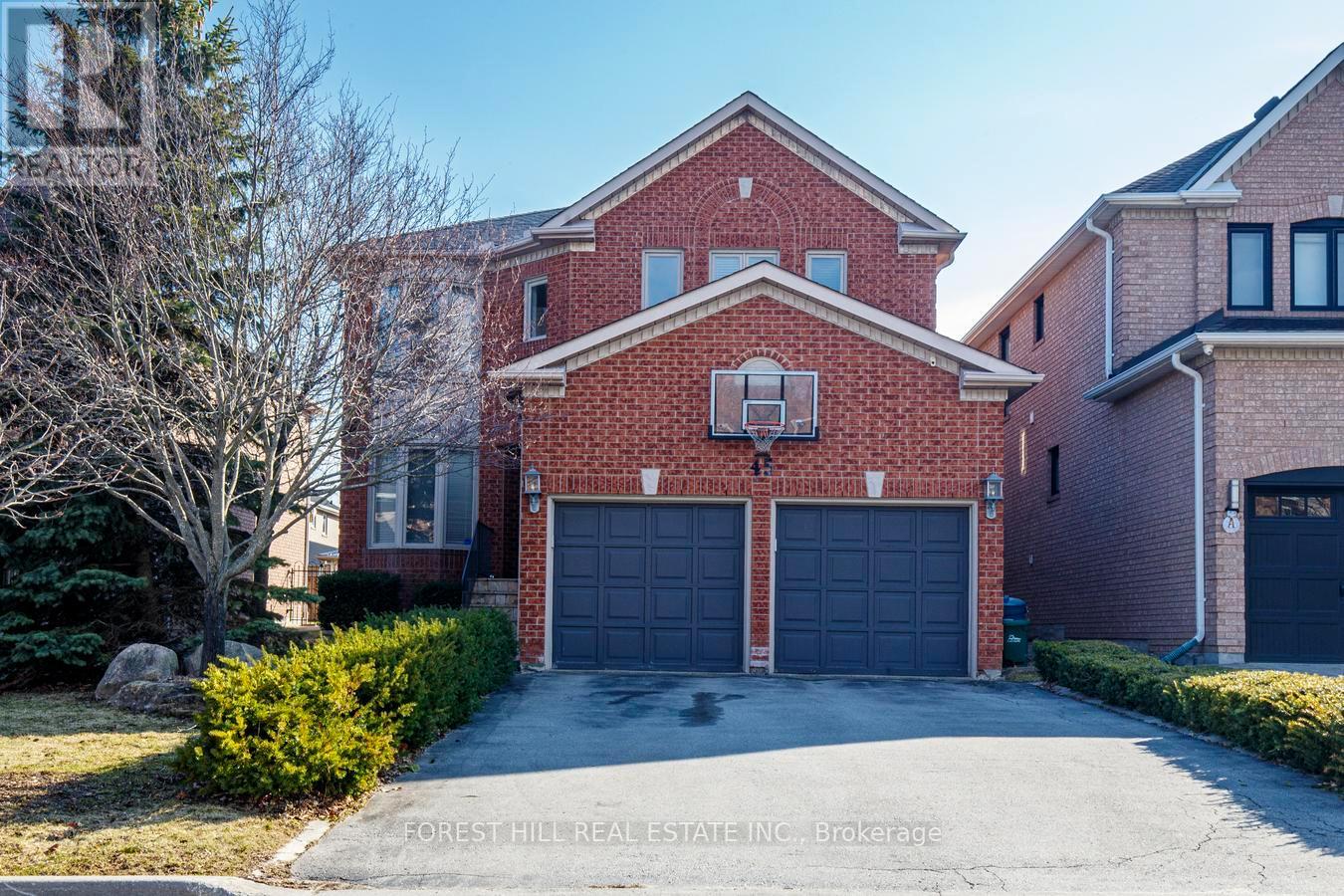 For Sale
 For Sale
 For Sale
 For Sale