
Whitby is the seat of Durham Region, a town of about 160,000 people between Ajax and Oshawa with a nineteenth-century harbour and main street at the bottom and the village of Brooklin at the top. What brings Toronto buyers is a four-bedroom house at a little under half the Toronto average, a condo at about a quarter less, and an hour on the train to Union. Whitby has more houses for sale than Pickering or Ajax, and the dearest of them are in Brooklin and the countryside north of it.
Whitby sits on Lake Ontario about 40 kilometres east of downtown Toronto, with Ajax on its west side at Lake Ridge Road, Oshawa on its east at Thornton Road, and Scugog Township to the north beyond Brooklin. It covers about 147 square kilometres, more than twice the size of Ajax, and most of the land north of Brooklin is still farmed. The 2021 census counted 138,501 people, the most of the three lakeshore towns west of Oshawa, and Statistics Canada’s July 2025 estimate was 162,413.
It’s the oldest town of the three. A surveyor named the township after Whitby in Yorkshire in 1792, grain was shipping from the natural harbour by 1833, and the town was incorporated in 1855 and made the county seat of Ontario County. That’s why the town has an 1850s courthouse and a nineteenth-century main street that Ajax and Pickering never had. In 1968 the Town of Whitby amalgamated with Whitby Township, taking in Brooklin and the farmland between, and in 1974 the new Regional Municipality of Durham put its headquarters here, on Rossland Road.
Since the late 1990s the growth has been north of Taunton Road and in Brooklin, where the 407 arrived in 2016 and a new sports complex opened in September 2026. By ethnic origin the town is about 63 percent European, 12 percent South Asian and 9 percent Black, less diverse than Ajax or Pickering.
A Whitby freehold costs a little under half the Toronto figure, and a condo about a quarter below it. Houses cost about a fifth less than in Pickering and a little more than in Ajax, and Whitby has more of them for sale than either. Rural Whitby and Brooklin are the dearest parts of the town. Pringle Creek, Port Whitby and Downtown Whitby, the three areas with most of the condos, are the cheapest. Whitby’s live figures sit alongside this text and update every day.
Seven Whitby listings in eight are freehold, and most of those are detached. Whitby built houses for a century and a half before it built apartments in any number, and the condominium apartment is still confined to Port Whitby around the GO station, the downtown and a few buildings along Dundas Street.
The oldest houses in Durham’s lakeshore towns are here: the 1850s to 1900s brick and frame houses of the downtown streets around Brock and Dundas, Byron and Mary, and the harbour-era houses of Port Whitby. They sell on character and on the walk to the GO station. Around them are the 1950s and 1960s bungalows and side-splits of the post-war town, west of Brock Street toward Lynde Creek and east toward Thickson Road. Lynde Creek and Blue Grass Meadows are 1970s to 1990s detached and semi-detached on lots larger than anything built since. Pringle Creek, east of Garden Street along the creek toward Thickson Road, is 1980s to early 2000s and holds a share of the town’s townhouses and condos.
North of Rossland Road, Williamsburg and Rolling Acres are the late-1990s to 2010s subdivisions of brick four-bedrooms with double garages, and Taunton North, built in the 2000s and 2010s on farmland north of Taunton Road, is the newest finished neighbourhood. Brooklin has its own mix: a village core of nineteenth-century houses along Baldwin Street and the Village of Brooklin and Olde Winchester subdivisions built around it since the mid-1990s.
Across the town, a fourth bedroom adds about a fifth to the price of a three-bedroom and a fifth bedroom about half again, with the top band pulled up by Brooklin’s larger new houses and the estates of rural Whitby.
Townhouses are a solid part of the market: freehold rows in Pringle Creek, Rolling Acres and Taunton North, and condominium townhouses, with a monthly fee for the common ground, in the newer blocks north of Taunton and near Dundas Street. The listing feed lumps the two together, so look for a fee line before comparing prices.
Condominium apartments cluster in three places: Port Whitby, where buildings on Watson Street and Charles Street sit a short walk from the GO station and the marina; the downtown; and Dundas Street in Pringle Creek. Two-bedroom condos are the common size here, unlike Ajax, where three-bedrooms outnumber them, and a house costs about double a condo on average.
Renting means renting a house or part of one. The rental listings are mostly freehold, from basement apartments to whole houses, and the average asking rent for a house sits below the rent for the fewer condos. Check which floor you’re renting and whether the unit is registered with the town.
Whitby’s market follows Toronto’s. Rates and buyers are shared with the city, and the gap against Toronto, a little under half on houses, is wider than Pickering’s and a little narrower than Ajax’s. You’re buying that gap, so watch it while you look: if it closes, the house in Brooklin is no longer the bargain it was against the one you’d leave in Toronto.
The house market follows the school year. Family houses in Brooklin, Taunton North, Williamsburg and Rolling Acres come out between late February and May and again between September and November. In July and January there’s less on the market and more room to negotiate.
Rural Whitby has more listings than any other part of the town, at the highest average price, and no condos among them. It’s estates, hobby farms and the farmhouses of Ashburn and Myrtle north of Brooklin. Brooklin is the second-largest and second-dearest market in the town.
The condo market is small and concentrated. Port Whitby and Pringle Creek have the most condos and, with the downtown, the lowest average prices in the town; a buyer there has choice and time, and a seller competes with the buildings on the same street. Port Whitby’s draw is the walk to the GO station and the harbour, and the town has been planning a denser Port Whitby around the station for more than a decade.
The downtown is its own market. The nineteenth-century houses off Brock Street sell to people who want a main street and a train station within walking distance, and Downtown Whitby prices above Pringle Creek and level with Port Whitby despite its older and smaller houses.
The buyer who wants a big new house for the money ends up in Whitby. Brooklin and Taunton North have four- and five-bedroom houses built since the late 1990s at well below the Toronto freehold average, and the 407, which runs just south of Brooklin, puts Markham and Vaughan within a highway drive. For a family that works north of Toronto rather than downtown, that’s the trade: a bigger, newer house and a highway commute instead of the train.
A lot of Whitby buyers already live in Durham. Oshawa households move west a few kilometres; Ajax and Pickering households move east for more house; Brooklin’s buyers are often the children of the 1980s Whitby subdivisions. The Region’s headquarters, Ontario Shores, Durham College’s Whitby campus and the industrial employers along the 401 mean many households here work in Whitby and never commute to Toronto at all.
The trade against Toronto is the hour on the train and a car for each adult. Downtown Whitby and Brooklin’s Baldwin Street are main streets you can walk to dinner on, and the downtown has more than 470 businesses, a 160-seat theatre and a Saturday farmers’ market from May to October. Outside those two, Whitby is plazas along Dundas Street, Thickson Road and Taunton Road, and the Oshawa Centre, the largest mall in Durham, is a few minutes east across the Oshawa line.
Whitby’s ten neighbourhoods each have their own page, listed here from the harbour up to Brooklin.
On the lake, Port Whitby is the old harbour and the land around the GO station south of the 401: a 420-berth marina, the Iroquois Park Sports Centre, the Lakeridge Health Whitby site and Ontario Shores on Gordon Street, and a third of the town’s condominiums, on Watson and Charles streets. It’s one of the three cheapest neighbourhoods in Whitby and the one the town has been planning to rebuild. Downtown Whitby, north of the 401 along Brock Street from the station to Rossland Road, is the 1850s county town: the main street, the courthouse theatre, the Lynde House Museum, the library, and streets of nineteenth-century houses. It prices level with Port Whitby and above Pringle Creek for the walk to everything.
In the middle of the town, Lynde Creek runs along the creek valley west of Brock Street, 1970s to 1990s houses on larger lots with the creek trail at the back, and Heber Down Conservation Area at the top of the valley. Blue Grass Meadows between Garden Street and Brock Street up to Taunton Road is the same era, bungalows and two-storeys with mature trees, between the old town and the new. Pringle Creek east of Garden Street toward Thickson Road is 1980s to early 2000s and holds townhouses and condos along Dundas Street along with its detached streets; it’s the cheapest neighbourhood in Whitby.
North of Rossland Road, Williamsburg is the late-1990s to 2010s subdivision west of Garden Street toward the Brooklin boundary, brick four-bedrooms built in phases, with Taunton Road’s plazas at hand. Rolling Acres east of Thickson Road is its twin on the Oshawa side, built from the late 1990s through the 2010s on gently rolling ground, with Oshawa’s shops as close as Whitby’s. Taunton North is the newest finished neighbourhood, 2000s and 2010s detached houses on former farmland north of Taunton Road, still filling in, with the schools and shops added in phases behind the houses.
At the top, Brooklin is the village ten kilometres north of the lake at Highway 7 and Baldwin Street, with a heritage main street protected since 2008, Grass Park, a community centre and library, Brooklin High School and the Fieldgate Sports Complex that opened in September 2026. The subdivisions around the village have grown since the mid-1990s to 25,000 or 30,000 people, and it’s the second most expensive part of the town. Everything beyond it is Rural Whitby: Ashburn, Myrtle and the farms, estates and woodlots between Brooklin and the Scugog boundary, on the Oak Ridges Moraine fringe, the dearest market in Whitby.
Each page describes the streets, the schools, the trains and buses, and what houses there sold for.
Whitby GO is on the Lakeshore East line at Brock Street and the 401, and the train to Union takes about 58 minutes. The trains run both ways all day, more frequently at rush hour, with late-night and weekend service. The station opened in 1988, has about 2,950 parking spaces including a garage, and is served by ten Durham Region Transit routes, including buses to Port Whitby, Taunton Road, Ontario Shores and Brooklin. GO’s Whitby Rail Maintenance Facility sits beside the line to the east.
The 401 runs along the bottom of the town with interchanges at Lake Ridge Road, Brock Street and Thickson Road, and the morning drive west is slow from Ajax onward. Two highways run north from there: Highway 412 climbs from the 401 at the Ajax boundary to the 407, toll-free since April 2022. The 407 crosses the town just south of Brooklin, toll-free from Brock Road in Pickering eastward since June 2025, and Highway 7 and Highway 12 meet at Brooklin’s main corner. A Brooklin household that works in Markham, Vaughan or Pearson has a highway drive with no tolls until Pickering; a downtown Toronto commuter from Brooklin has the drive down Baldwin and Brock streets to the GO station before the hour on the train.
Durham Region Transit’s PULSE 900 runs along Dundas Street, the Kingston Road of Whitby, every 15 minutes or better until 7pm, seven days a week, from Scarborough to Oshawa. The Durham-Scarborough Bus Rapid Transit will rebuild that corridor with median bus lanes; construction began in Ajax in August 2025, and the whole project is due to finish in 2030.
Whitby’s waterfront is the harbour and two conservation areas either side of it. Whitby Harbour at the foot of Brock Street has the 420-berth Port Whitby Marina, and beside it the Iroquois Park Sports Centre, one of the largest minor sports complexes in North America, with its arenas and pools. The Waterfront Trail runs the length of the shore from Ajax to Oshawa.
West of the harbour, Lynde Shores Conservation Area covers 272 hectares at the mouth of Lynde Creek, including Cranberry Marsh, with about five kilometres of trail and a shoreline stretch of the Waterfront Trail, and about 50,000 visitors a year, most of them for the birds. East of the harbour, past Ontario Shores, Thickson’s Woods at the foot of Thickson Road is the last stand of old-growth white pine on the north shore of Lake Ontario, bought and held by a volunteer land trust since 1983 and a stopping place for migrating songbirds each spring and fall. Intrepid Park, east along the shore at the Oshawa line, marks the site of Camp X, the Second World War spy school.
North of the town, Heber Down Conservation Area covers 284 hectares in the Lynde Creek valley between Whitby and Brooklin, with the Devil’s Den gully, the old Lake Iroquois beach ridge and trails for hiking, mountain biking and fishing. Both conservation areas belong to the Central Lake Ontario Conservation Authority. Cullen Central Park, on the Taunton Road site of the Cullen Gardens miniature village that closed in 2006, is town parkland with the Thermëa spa, opened in October 2022, on three hectares of it.
The town’s recreation is in the Iroquois Park Sports Centre, the Whitby Civic Recreation Complex, the Brooklin Community Centre and Library, and the new Fieldgate Sports Complex on Baldwin Street South just below the 407. Fieldgate opened on 12 September 2026 with two ice pads, an indoor pool and a park around it, built with $25 million from Ottawa and heated by geothermal wells.
Downtown Whitby is the main street Pickering and Ajax never had. Brock Street between the 401 and Rossland Road, with Dundas Street crossing it at the four corners, holds more than 470 businesses in nineteenth-century buildings and the newer blocks between: restaurants, shops, the Whitby Courthouse Theatre with 160 seats in the Centennial Building, the Lynde House Museum, the main library and the Saturday farmers’ market from May to October. Downtown Brooklin on Baldwin Street is the smaller version, with Grass Park at its centre, a Harvest Festival and Christmas in the Village. Everything else is in plazas: Dundas Street east and west of the downtown, Thickson Road, and the Taunton Road corridor that serves the northern neighbourhoods.
Whitby has several large employers of its own. The Regional Municipality of Durham’s headquarters on Rossland Road, with the regional police headquarters beside it, is the biggest public one. Ontario Shores Centre for Mental Health Sciences on the lakefront at Gordon Street employs about 1,200 people. Gerdau’s steel mill, the Sobeys retail support centre, the LCBO warehouse, Patheon and Lear fill the industrial lands along the 401 and the rail line. Durham College’s Whitby campus on Champlain Avenue, open since 1993, is the college’s skilled trades campus, and its Ontario Power Generation Centre for Skilled Trades and Technology, opened in 2022, added room for 750 more students.
Whitby has no emergency department. Lakeridge Health Whitby on Gordon Street, the former Whitby General Hospital, kept its doors after a 2001 closure fight as a specialty site for rehabilitation, palliative care, dementia care and dialysis, with a 32-bed geriatric unit. Whitby residents go to Oshawa or Ajax for emergencies. The province announced in August 2024 that Lakeridge Health’s next hospital will be built in Whitby, at Lake Ridge Road and the 407, and that it hopes to have it open within ten years. The town is fundraising for its share now and in March 2026 asked the province to put the hospital in its budget.
The Durham District School Board is Whitby’s English public board, and the Durham Catholic District School Board its English Catholic one. Whitby has five public high schools and two Catholic, more than Ajax or Pickering, and the public board also runs 24 elementary schools here.
Anderson Collegiate on Anderson Street, open since 1960, and Donald A. Wilson Secondary on Rossland Road East, open since 2004, both run French immersion alongside the English track, two of the board’s seven secondary immersion schools. Anderson also runs the board’s gifted program for grades 9 to 11, which draws students from across the town. Henry Street High School, open since 1954 as Whitby District High School, is the oldest and smallest. Sinclair Secondary on Taunton Road East, open since 1994, serves the middle of the town and has a long academic reputation.
Brooklin High School on Carnwith Drive opened in 2015 for the village’s growth and had about 1,400 students by 2023. The Catholic board’s two schools are Father Leo J. Austin and All Saints. Trafalgar Castle School, the private girls’ school in the castle on Reynolds Street, has been there since 1874.
French immersion and the gifted program are what families ask about, and neither follows neighbourhood names. The gifted program takes students by application from across the town, and the immersion stream has its own entry rules. Ask the board how a child gets in from a given elementary school, and check the address lookup for the house you’re offering on, not the area. In Brooklin and Taunton North the elementary schools have been added in phases behind the subdivisions, and a street can be reassigned when a new school opens.
Durham College’s Whitby campus is the only post-secondary campus in the town, and it’s the trades one, with the Skills Training Centre and the 2022 Centre for Skilled Trades and Technology. The college’s main campus, shared with Ontario Tech University, is a short drive east in Oshawa, as is Trent University’s Durham campus.
Brooklin has grown to 25,000 or 30,000 people since the mid-1990s, and the subdivisions are still going in south and west of the old core. The 407 opened just south of the village in June 2016, Brooklin High School opened in 2015, the Fieldgate Sports Complex opened on Baldwin Street South in September 2026. In June 2024, the town began a new east-west arterial road from Cochrane Street and Highway 7 to Britannia Road in Oshawa to carry the traffic the new streets produce. A buyer in Brooklin today is buying a house with the schools, roads and shops arriving behind it.
Port Whitby, the land around the GO station between the 401 and the harbour, is the part of Whitby the town has planned to build up since at least 2013, when residents’ main concern at the public meetings was traffic. The condominiums on Watson and Charles streets are the start of it. For a buyer who wants a walk to the train and the marina, Port Whitby is the place, and for an owner the question is how much gets built around you and when.
The new hospital changes the west side. Lakeridge Health’s regional plan adds 300 beds across Durham, and the new hospital will be on provincial land at Lake Ridge Road and the 407 on the town’s western edge, close to the 412. The province hopes to have it open within ten years of the 2024 announcement. When it opens, Whitby will have an emergency department of its own, and the Lake Ridge Road corridor, now the quiet edge of Lynde Creek and Williamsburg, will have a hospital and the traffic that comes with it.
The Dundas Street busway is due in 2030, and the GO line’s Bowmanville extension, under construction since January 2026, adds stations east of Oshawa.
Is Whitby cheaper than Pickering and Ajax?
Cheaper than Pickering by about a fifth for a house, dearer than Ajax by a little, and about the same as both for a condo; against Toronto, a house here is a little under half the price and a condo about a quarter cheaper. The reason Whitby sits between its neighbours is the north: Brooklin and Taunton North have large houses built since the late 1990s, and they pull the average up, while the 1970s and 1980s streets of Blue Grass Meadows and Pringle Creek are priced with Ajax. The cheapest detached houses in Whitby are in Pringle Creek and the post-war streets around the downtown; the dearest are the estates of rural Whitby and the new five-bedrooms of Brooklin. Property tax runs the other way from the purchase price. Durham Region’s share of the bill, which pays for police, transit, water and regional roads, is large and the same in Whitby, Ajax and Pickering, so all three carry a residential rate well above Toronto’s 0.7673 percent of assessed value in 2026. The Region added 4.8 percent to its share in January, most of it for police. Whitby council adopted its 2026 budget on 28 November 2025 with a 3.44 percent increase in the town’s share, about 21 cents a day on the average home. Both Whitby and Toronto still tax on 2016 assessed values, so compare like with like: ask the listing agent for last year’s tax bill and set it beside the bill on a Toronto house of the same assessed value. Put the tax into the monthly figure before you compare mortgages, and add a second car if you’d be giving up a Toronto commute on foot or by subway. Live prices for Whitby and for each of the ten neighbourhoods update every day on their pages.
How long is the commute from Whitby to downtown Toronto?
About 58 minutes by GO train from Whitby station to Union, eight minutes longer than from Ajax and 13 longer than from Pickering. Lakeshore East trains run in both directions all day, more often through the morning and afternoon rush, with service past midnight and at weekends; check the current Metrolinx timetable for the trains you’d actually catch. The station at Brock Street and the 401 has about 2,950 parking spaces, more than Ajax or Pickering. Add the drive to the station, which from Brooklin is down Baldwin and Brock streets and from Taunton North or Rolling Acres down Thickson or Garden, and a transfer at Union before you count your door-to-door time to a Bay Street desk. Make the trip once on a weekday morning before you offer on a house that depends on it. Whitby suits the household with one Toronto commuter and one job in Durham, or a commuter who goes in three days a week, better than the one that puts two people on the early train every morning. Driving, the 401 from Whitby to the Don Valley is slow from early morning, and the drive downtown at rush hour takes a good deal longer than the train. For work in Markham, Vaughan or at Pearson, the 412 and 407 from Brooklin or Williamsburg are a toll-free highway run as far as Pickering, and the toll from there is the price of the shorter day.
Which Whitby neighbourhoods are best for families?
Brooklin, Taunton North, Williamsburg and Rolling Acres are where families with school-age children buy, and the older streets of Lynde Creek and Blue Grass Meadows are where families who want a bigger lot and a shorter drive to the station look instead. The northern four share the same offer: a brick four-bedroom with a double garage built since the late 1990s, an elementary school and a park inside the subdivision, and the 407 close by. Brooklin adds a village main street, Brooklin High School, the Fieldgate Sports Complex and the highest prices of the four. Taunton North is the newest and still filling in, with schools and plazas arriving in phases. Williamsburg sits between the old town and Brooklin with Taunton Road’s shops at hand, and Rolling Acres on the Oshawa side has the same house for a little less. Lynde Creek and Blue Grass Meadows are 1970s to 1990s houses on larger lots under mature trees, with the creek trails behind them and Anderson Collegiate’s French immersion and gifted programs nearby; a family there trades a newer kitchen for a bigger yard and a ten-minute drive to the GO. Donald A. Wilson on Rossland Road East is the other immersion school. The gifted program takes students by application from across the town, and the immersion stream has its own entry rules, so neither follows neighbourhood names, and each board’s website has an address lookup. Use it for the house, not the area, and in the newest subdivisions ask which school the street feeds this year, because that changes as schools open.
Does Whitby have a hospital?
Not a full one, and that’s the question families ask before buying here. Lakeridge Health Whitby on Gordon Street in Port Whitby is the former Whitby General Hospital, which opened in 1969. It was recommended for closure after the Durham hospitals merged into Lakeridge Health, the province reversed that in 2001, and it has operated since as a specialty site: rehabilitation and a day hospital for stroke and brain injury, palliative care, dementia care, dialysis and a 32-bed geriatric assessment unit. It has no emergency department. For an emergency, Whitby residents drive to Lakeridge Health Oshawa, the regional hospital a few kilometres east, or to Ajax Pickering Hospital on Harwood Avenue to the west, whose emergency department sees more than twice the visits it was built for. Ontario Shores, also on Gordon Street, is a specialised mental health hospital with about 1,200 staff that serves a region of more than two million people, not the town’s day-to-day needs. The province announced in August 2024 that the next Lakeridge hospital will be built in Whitby, at Lake Ridge Road and the 407 on the west side of the town, as part of a plan that adds 300 beds across Durham, and said it hopes to have it open within ten years. The land is to be sold by the province to the town, the cost isn’t yet set, and the town and the Lakeridge Health Foundation are raising the community share now. A buyer in 2026 should plan on Oshawa or Ajax for emergencies for most of the next decade.
Whitby is the one Durham town where a Brooklin household can drive to Markham or Pearson without a toll until Pickering, since the 412 and the 407 east of Brock Road went toll-free. A Toronto agent won’t know it, or that Rural Whitby has more listings than any other part of the town at the highest average, or that Port Whitby has been planned for a denser rebuild around the station for more than a decade, so a tower application on the next lot is a real possibility.
The agent we refer Whitby buyers to has dealt with each of those. Tell them you want a downtown Victorian whose wiring and drains have been done, or a Brooklin four-bedroom whose school is open rather than bused, and they’ll bring the sold history for the street and the school’s status. They’ll say whether a Lynde Creek lot can be severed before you pay for the idea.
Begin with the ten neighbourhood pages above, then send us a note, and we’ll pass it to the agent.
Street-level knowledge is hard to find online. Our team works in Whitby every day. They know which pockets hold value, where the school catchment lines actually fall, and what the market is doing right now. Talk to us before you make a decision about Whitby.
Talk to a local agent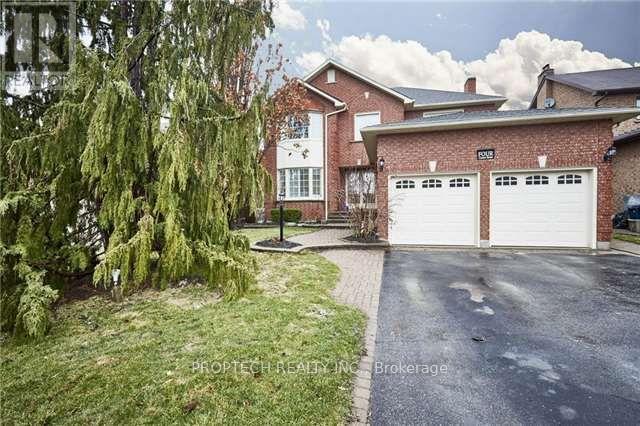 For Sale
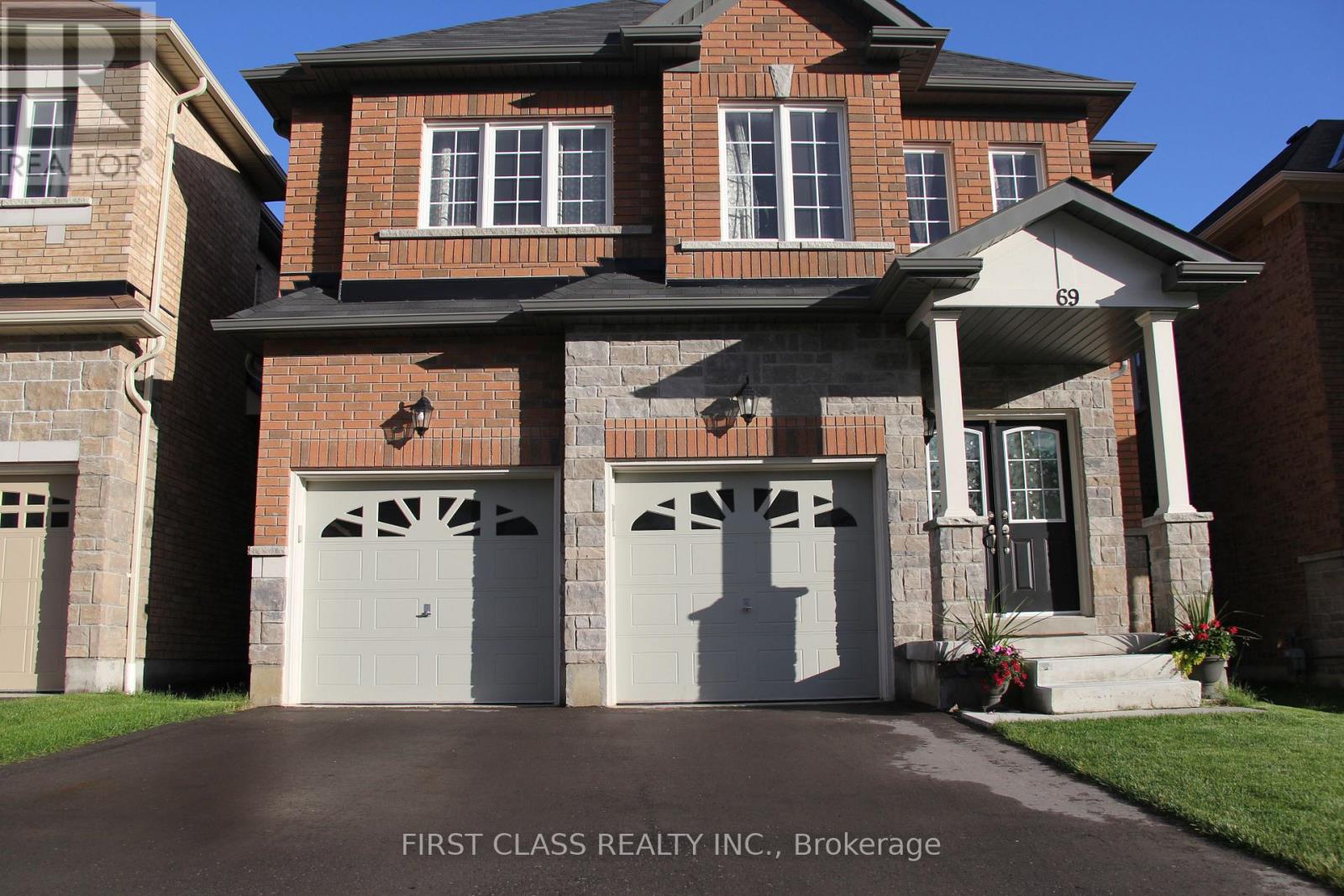 For Rent
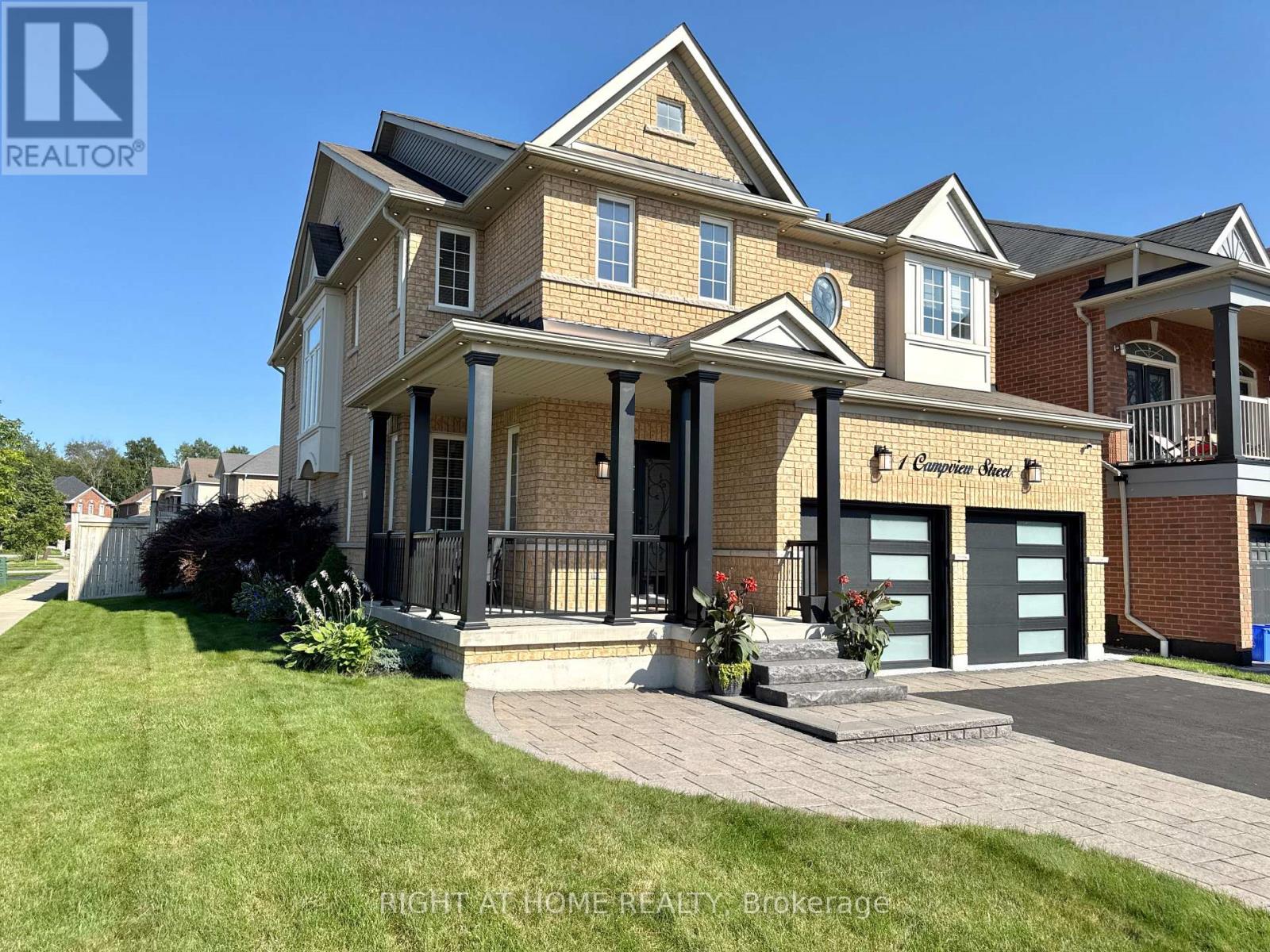 For Sale
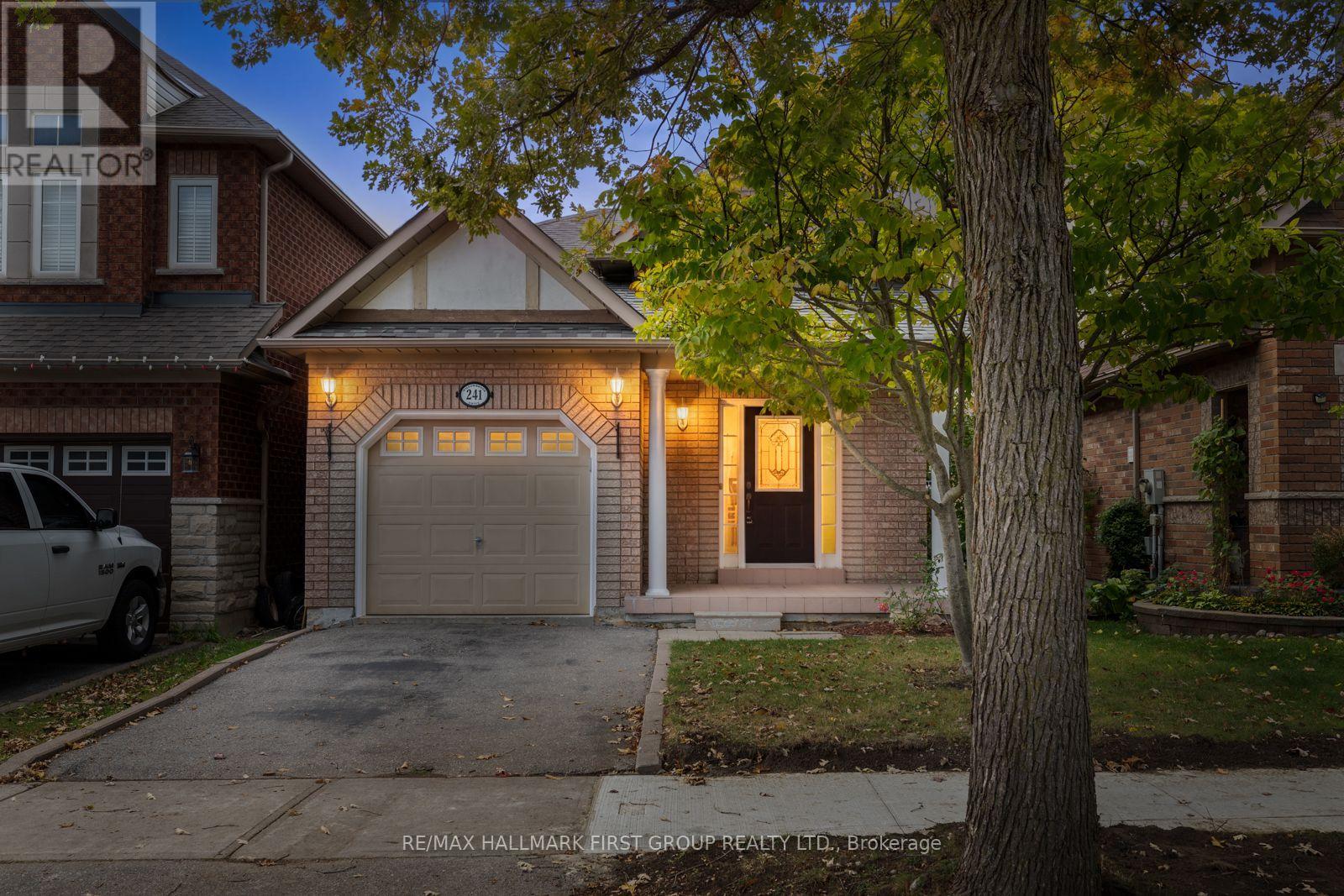 For Sale