
Whitchurch-Stouffville is the town of about 50,000 people on the Oak Ridges Moraine north of Markham, with the GO line's last stations at Stouffville and Old Elm and most of its land under provincial protection. Buyers come for a new detached house in Stouffville at a price well below Markham's, or for acreage in the countryside around it. Across the municipality a house costs about the same as the Toronto average, because half of what is for sale is rural estate property. The subdivision houses in Stouffville itself cost far less than that. The GO train runs to Union at rush hour only, in a little over an hour. The municipality's current listings are shown beneath this text.
Whitchurch-Stouffville is the municipality directly north of Markham. Highway 404 is roughly its western edge with Richmond Hill and Aurora, the York-Durham Line its eastern edge with Uxbridge and Pickering, and East Gwillimbury lies to the north. It covers about 206 square kilometres, almost as much as Markham, with about a seventh of the people. The 2021 census counted 49,864 residents, up about 9 percent in five years, and about 37,000 of them live in the town of Stouffville in the southeast corner. The rest live in hamlets and on country lots: Ballantrae, Musselman’s Lake, Gormley, Vandorf, Lemonville, Bethesda, Ringwood and Cedar Valley.
The town is a 1971 marriage of Whitchurch Township, established in 1792, and the Village of Stouffville, founded by Abraham Stouffer in 1804 and incorporated in 1877. Pennsylvania Mennonites and Quakers settled the township, and their names are on the roads and the churches. The railway reached Stouffville in 1871, and Main Street grew up along it. The village stayed small until the 2000s, when Lake Ontario water and sewer service arrived, and the town roughly doubled in a decade.
The people are newer than the place. Visible minorities are about 46 percent of residents, with Chinese Canadians at about 18 percent and South Asians at about 14 percent. English is the mother tongue of six in ten residents, and Cantonese and Mandarin follow.
A freehold house in Whitchurch-Stouffville costs about the same as the Toronto average, and that figure is an average of two different markets. Half the houses for sale in the municipality are in Rural Whitchurch-Stouffville, where estate lots and farms on acreage average more than double what a house in the town of Stouffville does, and the town itself prices well below Toronto. A three-bedroom here averages more than a four-bedroom: the three-bedrooms are mostly bungalows on acreage, the four-bedrooms mostly subdivision houses.
Condos are a small market, almost nine houses for every condo for sale, and a condo costs about a tenth less than a Toronto condo. Ballantrae sits between the two house markets. The live figures beside this text update every day.
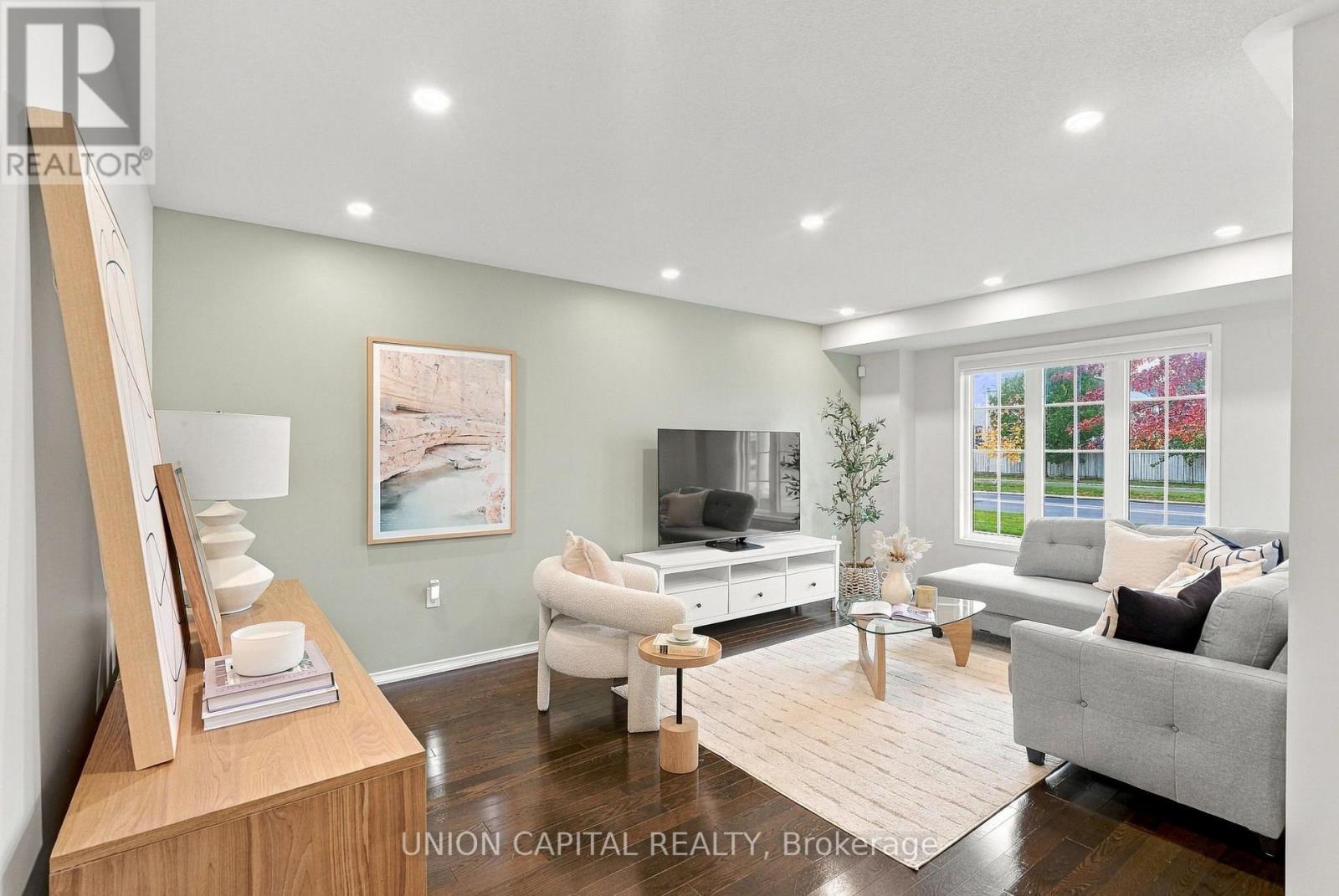
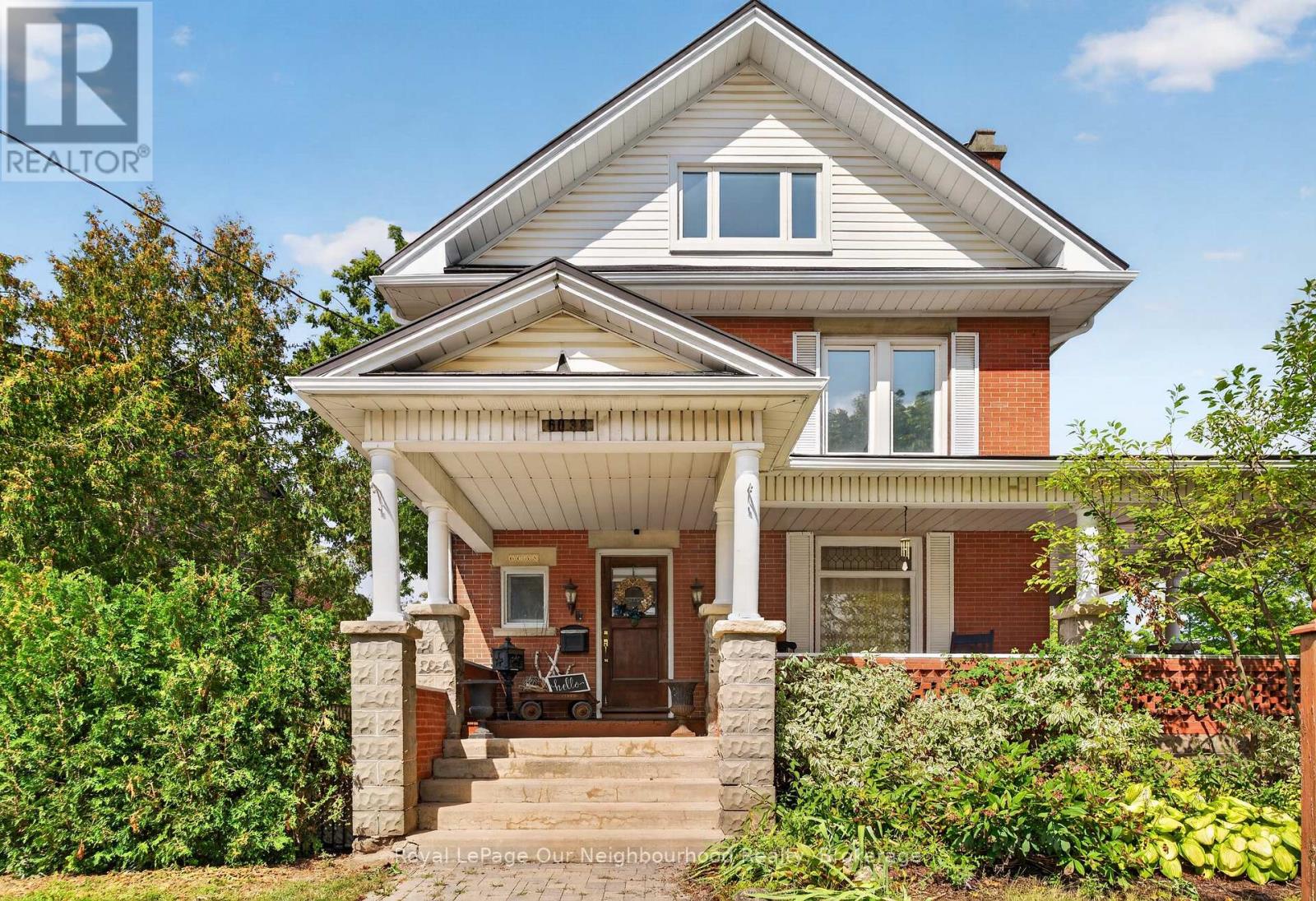
Stouffville is a new-house town. Most of what’s for sale was built after 2000 on the farmland around the old village, in subdivisions that run west from the village along Main Street to Ninth Line and south to Hoover Park Drive. Detached four-bedrooms, freehold townhouses and a growing number of back-to-back and stacked towns are the stock, with double garages, finished basements and the open main floor that buyers of the 2010s wanted. The older village streets around Main Street, between the GO station and Highway 48, carry the Victorian and early-1900s houses on deep lots, the 1950s and 1960s bungalows behind them, and most of the municipality’s heritage buildings.
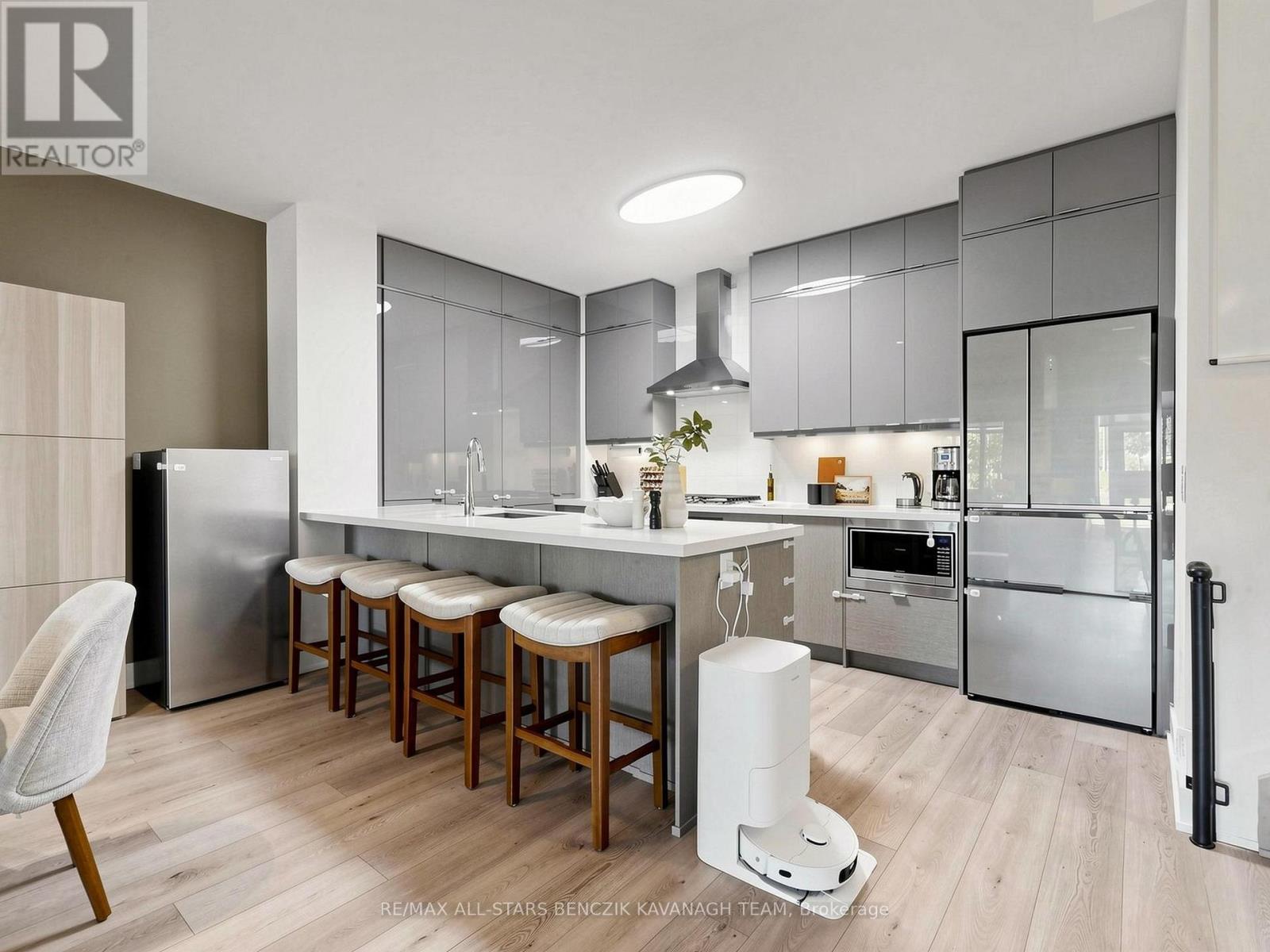
Condos are few. Stouffville has a handful of low-rise buildings near Main Street and a few more coming, Ballantrae has none, and the countryside has none. A buyer who wants a condo in York Region has a far wider choice in Markham, next door to the south.
Rural Whitchurch-Stouffville is the other half of the market, and it’s a different purchase. The Oak Ridges Moraine Conservation Plan and the Greenbelt cover nearly all the land outside Stouffville, so a country lot is one of a fixed number, and a typical one carries a 1970s to 2000s house on one to ten acres with a well and a septic system. Lemonville, Vandorf, Bethesda and the concession roads between them are horse farms, hobby farms and estate houses, and the lots along the York Regional Forest tracts back onto pine plantation that is protected from building. The price range is wide: a 1970s side-split on two acres at one end, a custom estate on ten at the other.
Ballantrae, at Aurora Road and Highway 48, is a golf estate community of bungalows and bungalofts around the Ballantrae Golf and Country Club, built in the 2000s, with the old hamlet and newer townhouses beside it. Downsizers buy here, and its houses sell on the golf course, the single floor and the clubhouse.
Musselman’s Lake, six kilometres north of Stouffville, is a kettle lake with a ring of houses that began as 1950s and 1960s cottages and are now year-round homes, some rebuilt, on private waterfront. Almost no public shoreline exists, so a house there comes with the lake, or it doesn’t.
Rentals are a small market, mostly houses. A house here rents for about a fifth less than a Toronto house. Condos for rent are rare.
Stouffville moves with Markham, which moves with Toronto. Many of the families buying here are moving north from Markham for a newer house at a lower price, so the gap to Markham is the figure to watch. A subdivision house in Stouffville costs far less than the Markham average and is usually newer.
Family houses follow the school year. Listings in the 2000s and 2010s subdivisions west of the village come out in spring and again in early fall. In a town this size, a buyer with a specific street in mind may wait a season for the right house.
The rural market runs on its own clock. Acreage listings sell to a smaller pool of buyers, and the price depends on the well, the septic, the outbuildings and the conservation designation on the land, which decides whether a new house, a second house or a severance is possible at all. The moraine plan is the first question to ask about any country property, before the price.
Supply is the town’s story for the next decade. Stouffville’s growth has been detached houses on farmland, and that land is nearly used up inside the settlement boundary. The proposals now on the table are apartment towers on Main Street and at Highway 48, none of them built. If they go ahead, most of the next decade’s new homes in Stouffville will be apartments.
The GO schedule is the other thing to price. Stouffville and Old Elm have trains at rush hour only, and Metrolinx has no date for more service. Pay for the house, not the timetable.
Markham supplies a large share of Stouffville’s buyers. The common pattern is a family in a Markham townhouse or a smaller detached house selling and buying a new four-bedroom in Stouffville for less, keeping the same school board, the same shopping on Highway 7 and the same hospital. The census shows the shift: Chinese and South Asian Canadians are about a third of the municipality’s population.
Scarborough and east Toronto send buyers too, up Markham Road and Highway 48. The rural buyers are different: horse people, families who want acreage within reach of Toronto, and buyers from Markham and Richmond Hill who want land.
Downsizers come to Ballantrae for the bungalow and the golf course, and to the newer towns and the few condos near Main Street for a walk to a coffee shop.
The trade is real. Stouffville is a town, with one high school for the public board and one for the Catholic board, a Main Street that is being rebuilt, a leisure centre, and a GO train that runs at rush hour. Everything else, the mall, the hospital, the specialist, the big grocery run, is a drive to Markham. For a family with two cars and children in school, that’s a short drive and a lower mortgage. For anyone without a car, or who works downtown on an irregular schedule, it’s a hard place to live, and the countryside is harder.
This site divides Whitchurch-Stouffville into three areas, each with its own page.
Stouffville is the town: the old village along Main Street between the GO station and Highway 48, with its Victorian storefronts and the 19 on the Park theatre, and around it the subdivisions of the 2000s and 2010s running west to Ninth Line and south to Hoover Park Drive. It holds most of the municipality’s people, nearly all of its townhouses and condos, both high schools, the leisure centre and the GO station, and its houses cost far less than the Markham average. Buyers who want a new detached house and a train to Union start here.
Ballantrae is the hamlet at Aurora Road and Highway 48, north of Stouffville, and the golf estate community of bungalows around the Ballantrae Golf and Country Club beside it. It prices between the town and the countryside, sells to downsizers, and is getting a sports dome, a new fire and paramedic station on Aurora Road, and 90 approved townhouses.
Rural Whitchurch-Stouffville is everything else: the hamlets of Musselman’s Lake, Gormley, Vandorf, Lemonville, Bethesda, Ringwood and Cedar Valley, the horse farms and estate lots on the concession roads, and the York Regional Forest tracts between them, all on the Oak Ridges Moraine and almost all under its conservation plan. It carries half the houses for sale in the municipality and the highest prices, and a buyer there is buying land first and a house second.
Each area page covers streets, schools, transit and recent sales in detail.
The Stouffville GO line ends here. Stouffville GO on Main Street West and Old Elm GO at Highway 48 and Bethesda Road, the terminus, have trains at rush hour only. In the morning, trains leave Old Elm about every 30 minutes from just after 5am to about 9am and reach Union in about 70 minutes, a little less from Stouffville. In the afternoon and evening they come back at a similar spacing. Outside those hours and on weekends, GO buses 70 and 71 run from Stouffville and Old Elm down to Mount Joy GO in Markham, where trains run hourly in both directions all day and on weekends. A midday or Saturday trip downtown means a bus and a train and the better part of two hours.
Metrolinx’s long-term plan for the line is trains every 15 minutes to Unionville, with no commitment past Mount Joy and no date for any of it. Buyers who count on the GO should plan around the schedule that exists.
Driving is how the town works. Highway 48, which is Main Street’s north-south cross street and Markham Road further south, runs down to the 407 and into Scarborough. Highway 404 is west along Stouffville Road or Aurora Road, and it’s the route to the Don Valley Parkway. The 407 toll highway crosses the south of the municipality. Some Stouffville commuters drive to Mount Joy GO in Markham for the all-day train, or to Gormley and Bloomington GO on the Richmond Hill line beside the 404, both with large parking structures, for the rush-hour trains there.
York Region Transit runs buses along Main Street and down Highway 48 and Ninth Line into Markham. Cycling works on the trails and the quiet concession roads, and the town’s 2026 budget put money toward a Rouge Trail connection.
Most of Whitchurch-Stouffville lies on the Oak Ridges Moraine, the sandy ridge that divides water flowing south to Lake Ontario from water flowing north to Lake Simcoe. The Oak Ridges Moraine Conservation Act of 2001 and the Greenbelt of 2005 put nearly all the municipality outside Stouffville’s settlement boundary under rules that stop new subdivision. North of Stouffville, the countryside is still countryside.
The York Regional Forest is the biggest piece of it. York Region holds about 1,140 hectares of forest tracts inside the municipality, pine and hardwood plantations planted from the 1920s, now trails for walking, cycling, riding and skiing. Bruce’s Mill Conservation Area on Stouffville Road, run by the Toronto and Region Conservation Authority since 1961, is about 108 hectares of trails, wetland and mixed forest, with the only BMX track in York Region, a treetop ropes course and the Sugarbush Maple Syrup Festival that has run every spring since 1966. Rouge National Urban Park reaches its northern end in the municipality, and the town is funding a trail connection into it.
Musselman’s Lake is a 118-acre kettle lake six kilometres north of town, ringed by year-round houses, with public access limited to Cedar Beach. Lake Wilcox and Bond Lake are just across the Richmond Hill line. Within Stouffville, Memorial Park on Park Drive is the town’s main park and the home of its summer events, and the Whitchurch-Stouffville Leisure Centre has the pool and the rinks. The Ballantrae sports dome, under construction in 2025 for an opening planned in the fall of 2026, adds the first indoor field.
Ballantrae Golf and Country Club anchors its community, and several more courses sit on the moraine between Stouffville and Aurora Road.
Main Street Stouffville is the town centre, and it’s about to be dug up. The 2026 budget set aside $18.5 million for the second phase of the Main Street reconstruction, from Park Drive to Edward Street, replacing the storm and sanitary sewers and water mains under the road and rebuilding the street and sidewalks above them. Construction is planned over several seasons from late 2026, and the finished street will have 76 on-street parking spaces where 42 exist now. The first phase, east of Stouffer Street, was done in 2018; the third, out to Ninth Line, has no date. Shops and restaurants on Main Street will live with the work throughout.
Day-to-day shopping is on Highway 48 at Hoover Park Drive, where the big-box plaza has the grocery stores and the rest, and in the plazas along Main Street. For a mall, the hospital, a dealership or anything else, people drive to Markham: CF Markville and Markham Stouffville Hospital are both a drive down Highway 48 or Ninth Line.
Markham Stouffville Hospital, despite the name, is in Markham, at Highway 7 and Ninth Line in Cornell. It opened in 1990, was rebuilt and expanded in 2014 and has 309 beds. Its parent, Oak Valley Health, says it has outgrown the building and is planning more capacity. It’s the hospital for the whole municipality.
Work is mostly elsewhere. The town’s own largest employers are Teva Canada’s pharmaceutical plant and Parkview Services for Seniors, each with a few hundred staff, and the town hall, the schools and the shops. Many working residents commute, to Markham’s tech corridor along Highway 7 and the 404, to Richmond Hill, or to Toronto.
Culture is small and real. 19 on the Park, the 1896 market hall on Civic Avenue that served as the town hall, reopened in 2009 as a 152-seat theatre. The Latcham Art Centre and library next to it share a $3.2 million funding line in the 2026 budget. The Stouffville Country Ribfest each summer draws tens of thousands to Memorial Park.
The municipality’s English public schools belong to the York Region District School Board, and its English Catholic schools to the York Catholic District School Board. Nine public elementary schools and several Catholic ones serve the municipality, nearly all in Stouffville.
Stouffville District Secondary School on Hoover Park Drive is the only public high school in the municipality. It dates from 1954 and moved into its current building in 2007, and it draws from the whole town, so there’s no catchment to buy into: every public-board family in Stouffville goes there. St. Katharine Drexel Catholic High School on Ninth Line, the Catholic board’s first secondary school in the municipality, opened in March 2024 beside the new Blessed Chiara Badano elementary school. Rural families on the Richmond Hill side of the municipality may fall into Richmond Hill or Aurora catchments, and the boards’ address lookups settle it; check the house, not the hamlet.
Regional programs are the catch for a family moving from Markham. The arts, International Baccalaureate and athletics programs that Markham families name are at Unionville, Milliken Mills, Bill Crothers and St. Augustine, all in Markham and all admitting by application from across the board. A Stouffville address doesn’t take them away, but it adds a daily drive.
There’s no post-secondary campus in the municipality. York University’s Markham Campus and Seneca’s Markham campus are the nearest, a drive down Highway 48 and Highway 7.
Stouffville’s next decade is denser than its last. The settlement boundary has been largely filled with detached houses since 2005, and the proposals on the table now are apartments. Times Group has proposed five towers of 20 to 32 storeys with 1,332 units on the southwest corner of Highway 48 and Stouffville Road, the town’s gateway. The site includes a wetland that the developer has had removed from provincial designation and proposes to replace at twice the size. Council reviewed it in May 2026, objected to the height, the lack of family-sized units, the absence of shops at street level and the cash offered in place of parkland, and sent it back to negotiation. At Main Street and Highway 48, a separate proposal of five buildings of 12 to 20 storeys and 800 units has been through three submissions since 2018. On Main Street itself, Hyson Developments has applied for a 15-storey mixed-use building of 254 units on the Betz Pools site, following a similar tower nearby that the Ontario Land Tribunal approved.
Main Street is being rebuilt from the ground up, with phase two from Park Drive to Edward Street starting in late 2026 and running over several seasons. At the same time, the town has begun a Downtown Heritage Conservation District study for Main Street from Albert to Stouffer Street, the oldest part of the village, while it plans for provincial density targets around the GO station. Staff say the two goals may conflict. For a buyer, the practical version is that Main Street and the blocks around the station will get taller, and the Victorian core may get protection before they do.
In March 2026 the town moved to allow multiplexes in existing neighbourhoods, as the province has asked every municipality to do. In Ballantrae, council approved 90 townhouses in February 2026, the sports dome is due to open in the fall of 2026, and a new fire and paramedic station is going up on Aurora Road.
Is Stouffville cheaper than Markham and Toronto?
The town of Stouffville, yes, by a wide margin; the municipality as a whole, no, and the difference is the countryside. The average house price across Whitchurch-Stouffville sits at about the Toronto average, because half of the houses for sale are rural estate properties on acreage that average more than double what a house in Stouffville itself does. Inside the town, a 2000s or 2010s four-bedroom detached costs far less than the Markham average, and the townhouses less again. A three-bedroom here averages more than a four-bedroom, because the three-bedrooms are bungalows on two acres and the four-bedrooms are subdivision houses. Condos cost about a tenth less than in Toronto, but there are very few. Two costs run against the saving. Property tax rose 3.5 percent for the town’s share in 2026, and the town put the combined increase with York Region’s share at about $200 on a typical bill. And most households here run two cars, because the train runs only at rush hour and the hospital, the mall and most jobs are in Markham; the Canadian Automobile Association costs one mainstream compact at roughly $9,500 a year. For a rural property, add the well, the septic and the moraine rules on what you may build. The municipality’s live prices, and each area’s, change every day on their own pages.
How long is the commute from Stouffville to downtown Toronto?
About 70 minutes by GO train from Old Elm and a little less from Stouffville GO, at rush hour only. Morning trains leave Old Elm roughly every 30 minutes from just after 5am to about 9am and run through every Markham station to Union; afternoon and evening trains come back at a similar spacing. There are no midday or weekend trains north of Mount Joy in Markham. Outside the rush hours, GO buses 70 and 71 connect Stouffville and Old Elm to Mount Joy, where trains run hourly all day and on weekends, and that bus-and-train trip takes the better part of two hours. Commuters who need flexibility drive to Mount Joy GO for the hourly train, or to Gormley or Bloomington GO beside Highway 404 for the Richmond Hill line’s rush-hour trains, both with large parking structures. Driving downtown is Highway 48 to the 407, then the 404 and the Don Valley Parkway, with the 404 and DVP queue as the price. Within York Region the commute is shorter: Markham’s offices along Highway 7 and Markham Stouffville Hospital are a drive down Highway 48 or Ninth Line. Metrolinx plans trains every 15 minutes as far as Unionville, with no date and nothing promised past Mount Joy, so buy for the schedule that exists.
Which parts of Whitchurch-Stouffville are best for families?
The 2000s and 2010s subdivisions of Stouffville west of the village and south toward Hoover Park Drive are where families buy, and the reasons are plain: a new four-bedroom detached or a freehold town for far less than Markham, the leisure centre and Memorial Park within a short drive, and both high schools in town. Schooling is simpler here than in Markham. Stouffville District Secondary on Hoover Park Drive is the only public high school in the municipality, so every public-board family in town goes there and there’s no catchment to pay for. St. Katharine Drexel Catholic High School on Ninth Line opened in 2024 for Catholic families who used to bus to Markham. The regional arts, IB and athletics programs that Markham families chase are all in Markham, admit by application from across the board, and remain open to a Stouffville student who is willing to drive. Elementary catchments do differ street by street, and the public board’s address lookup settles them. Families who want space pick the rural concessions between Stouffville and Ballantrae, where the children grow up with acreage and the parents drive everywhere, and families who want a quieter version of the town look at Ballantrae’s townhouses. The trade for all of them is the car: the GO trains run at rush hour only, the mall and the hospital are in Markham, and a teenager here will want a licence.
Is buying a rural property in Whitchurch-Stouffville different from buying in town?
Yes, in almost every way that matters, and the moraine is the reason. Nearly all the municipality outside Stouffville’s settlement boundary sits under the Oak Ridges Moraine Conservation Plan and the Greenbelt, which stop new subdivision and control what an owner may do with an existing lot. Before the price, ask which moraine designation the land carries, because it decides whether you can replace the house, add a second one, sever a lot or even clear trees. Then ask about water and waste: most country properties here run on a well and a septic system, both of which need inspection, and the septic’s age and capacity limit how many bedrooms a house can have. Outbuildings, barns and paddocks need to be legal, and a horse farm is a business with its own zoning. The lots along the York Regional Forest tracts back onto protected land. Rural listings sell to fewer buyers than town houses, so a buyer usually has more time, and prices range from a 1970s side-split on two acres to a custom estate on ten, with Musselman’s Lake waterfront its own small market. The practical rule is to buy a rural property with a lawyer and an inspector who work on the moraine every week, and to budget for the second car, the snow and the well pump that a town house never needs.
Half of what’s for sale in Whitchurch-Stouffville is rural estate property under the moraine plan, which decides whether a new house, a second house or a severance is possible at all, and a Toronto agent won’t have read that plan. They also won’t know that Stouffville and Old Elm have trains at rush hour only, with the GO bus to Mount Joy the rest of the time, or that the towers proposed for Main Street and Highway 48 would sit behind particular Stouffville streets.
The agent we refer Whitchurch-Stouffville buyers to asks the moraine question before the price on every country property. A brief might be a new four-bedroom within a walk of Stouffville GO, or a Ballantrae bungalow on the course rather than the road. They’ll check the designation and the septic on an acreage, pull the sold history on a Stouffville street, and tell you what the same money buys across the line in Markham.
The three area pages above are where to begin. After that, write to us and we’ll make the connection.
Street-level knowledge is hard to find online. Our team works in Whitchurch-Stouffville every day. They know which pockets hold value, where the school catchment lines actually fall, and what the market is doing right now. Talk to us before you make a decision about Whitchurch-Stouffville.
Talk to a local agent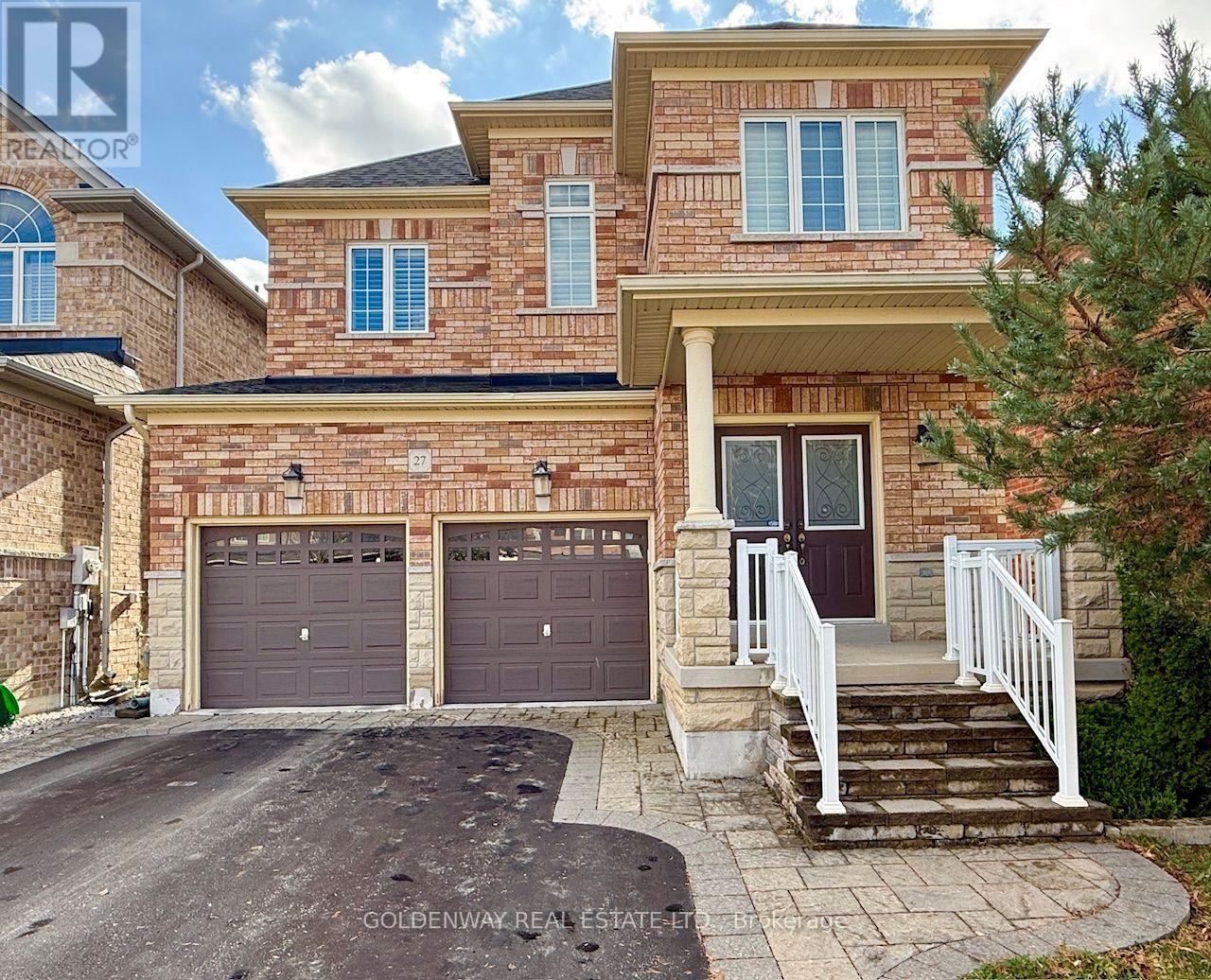 For Sale
 For Sale
 For Sale
 For Sale