
Woodland Hill is a planned residential community in north-central Newmarket with retained woodlot areas, a range of housing types from townhouse to executive detached, Yonge Street Viva transit proximity, and one of Newmarkets most active community association cultures. A consistently sought-after family community at the upper-middle and premium tier of the Newmarket market.
Woodland Hill is a residential community in the north-central and northeast part of Newmarket, developed through the late 1990s and 2000s in the area north of Davis Drive and east of Yonge Street, in the planning corridor between the central city and the East Gwillimbury boundary. It is one of the larger planned residential communities in Newmarket, spanning several development phases and price tiers, from townhouse and semi-detached product at the accessible entry level to larger detached homes at the upper-middle and premium tier.
The Woodland Hill name reflects the topographic and environmental character that the community’s planners worked with and partially preserved: the rolling terrain of the area and the woodlot retention that was incorporated into the development’s open space framework. The landscape character in Woodland Hill has more natural variation than many flat-terrain suburban developments, and the mature woodlot areas that were preserved as part of the community’s environmental planning create pockets of genuine natural character within the residential fabric.
The community’s position north of Davis Drive and east of Yonge puts it in a practical middle ground within Newmarket: reasonably close to the Yonge Street commercial and transit infrastructure, with access to both the Viva rapid transit corridor and the GO station, while delivering the planned community character and the north Newmarket school network that newer-to-the-city family buyers specifically target.
Woodland Hill has established a reputation as one of the more family-oriented communities in Newmarket, with the school quality, community programming, and neighbourhood social infrastructure that active family buyers seek. The community association has been active for decades, the parks are well maintained, and the sense of neighbourhood identity is stronger here than in many comparable-vintage York Region suburban communities. This is not accidental; it reflects the engagement of the households who chose the neighbourhood and invested in the community it has become.
Woodland Hill’s housing spans a wide range of types and price tiers, from townhouses and semi-detached homes at the entry level to fully detached two-storey homes across the middle and upper tier. The development phases built through the late 1990s and 2000s produced varying lot sizes, construction styles, and price points that together create a community with more internal diversity than single-tier planned developments of comparable size. This diversity means that buyers at different budget levels can find relevant options within the same community framework.
The detached home inventory includes everything from standard four-bedroom two-storey homes in the 2,000 to 2,800 square foot range on standard lots to larger executive homes in the 3,000 to 4,000+ square foot range on premium lots within the community’s upper-tier development phases. The latter compete with Stonehaven-Wyndham and Glenway Estates at the Newmarket premium level, while the former represent the broadest and most active tier of the Newmarket mid-to-upper market.
The woodlot preservation within the community’s open space plan created a housing stock where some properties back onto or face retained natural woodlands rather than conventional rear yards or facing streets. These woodlot-adjacent properties are among the most sought-after within Woodland Hill, providing the kind of natural setting adjacency that is difficult to find in most York Region suburban communities. Buyers specifically targeting these properties should identify the woodlot-facing streets during their search.
Construction quality is consistent with the upper-middle and premium standard of the development’s positioning: brick fronts and in many cases full brick, two-car garages, and the architectural variety within a consistent quality standard that characterised the better York Region planned community development of the 1990s and 2000s. The housing stock has benefitted from consistent owner investment over its 25-year lifespan.
Woodland Hill spans the upper-middle and premium tiers of the Newmarket detached market. The internal price range within the community is wider than in single-tier developments: townhouses at the entry level, standard detached in the broad mid-market band, and executive homes at the top competing with Stonehaven-Wyndham. This range means that the community has a larger active market than any single-tier neighbourhood, with multiple price points generating transaction volume across the full cycle.
The woodlot-backing and woodlot-facing properties trade at premiums over comparables without natural setting adjacency, consistent with the pattern in all communities where natural features were preserved as part of the open space design. These premiums are real and measurable, and buyers who target these properties need to budget for them rather than expecting natural-backing pricing to equal standard interior-lot pricing.
The community’s size and diversity of housing types gives it more liquidity than smaller single-tier planned communities. More transaction volume per year means better comparable data, more active buyer pools for each price tier, and more predictable days on market for well-priced properties. Woodland Hill is one of the more actively traded planned communities in Newmarket as a result, which benefits both buyers (more inventory to consider) and sellers (more buyers in the pool).
Multiple offer situations are most common in the townhouse and entry-level detached tier, where buyer demand is most concentrated. The premium detached tier in Woodland Hill has the thinner buyer pool and longer days on market characteristic of the upper Newmarket market generally, though well-presented executive homes in good condition with natural setting adjacency can generate competitive interest when the active buyer pool aligns with a specific property’s attributes.
Woodland Hill draws a buyer mix that reflects its broad price range and its established reputation as a strong family community. Move-up families from townhouses and semi-detached within Newmarket and from smaller detached homes in more affordable York Region communities are the primary buyer segment for the mid-tier detached inventory. Executive family buyers pursuing the upper-tier inventory are the Woodland Hill equivalent of the Stonehaven buyer, and the comparison between the two communities is a frequent exercise for buyers at that price level.
The community’s reputation for strong schools and active community programming specifically draws buyers who have researched Newmarket’s communities and identified Woodland Hill as offering the best combination of school quality, neighbourhood character, and Yonge Street transit proximity at its price tier. These buyers are doing specific community research rather than simply selecting a house; they have identified the community as the destination and are searching for the right property within it.
Buyers who specifically value the natural setting provided by the woodlot-retention areas are a consistent segment. These buyers — often with roots in more treed, naturalistic environments — are specifically seeking the combination of planned community infrastructure and genuine natural landscape that Woodland Hill’s open space design provides at a scale rare in York Region suburban development.
Transit-oriented buyers find Woodland Hill more accessible than the more western or northern planned communities because of the proximity to the Yonge Street Viva corridor. The eastern parts of Woodland Hill approach the Yonge Street corridor, and residents on those streets can walk or cycle to Viva stops rather than driving. This transit accessibility relative to comparable planned communities is a meaningful factor for buyers who want to reduce car dependence within a suburban living context.
The most distinctive micro-location within Woodland Hill is the woodlot-adjacent sector, where retained natural woodland creates a setting that is qualitatively different from the standard suburban residential environment. These streets provide rear-yard or street-facing views into mature forest cover rather than into adjacent residential lots, which changes the character of daily life on those blocks in a way that buyers who have experienced both can identify immediately. The specific streets where woodlot adjacency creates this character are identifiable in the community mapping, and buyers who want this feature should focus their search accordingly.
The community’s development phases created slight character differences between the earlier and later sections. The earliest phases from the late 1990s have the most mature landscaping and the most settled streetscape; the later phases from the 2000s have newer homes but less mature planting. Both are now well into the stage where the distinction is decreasing as landscaping matures, but it remains visible on careful comparison.
The eastern parts of Woodland Hill, closest to Yonge Street, have the best Viva transit proximity and the shortest drive to the Yonge commercial corridor. The western parts of the community are quieter and more insulated from arterial activity but require a longer internal drive to reach Yonge. The specific balance of transit proximity versus quiet depends on the buyer’s priorities and commute situation.
School boundaries within the community assign students to the elementary schools built to serve the Woodland Hill population, with secondary school attendance at Newmarket’s secondary schools. Families with specific school preferences should confirm their address assignment, as the community’s size means that the eastern and western sections may fall under different elementary school catchments.
Woodland Hill has among the better transit access of the north Newmarket planned communities, driven by its proximity to the Yonge Street Viva corridor. The eastern sections of the community are within a short walk or cycle of Viva stops on Yonge Street, providing the north-south rapid bus service that connects toward Richmond Hill and the Vaughan Metropolitan Centre subway. This is a meaningful transit asset relative to the more western Glenway Estates and the more northern Stonehaven-Wyndham communities.
Newmarket GO Station is approximately 3 to 6 kilometres from most Woodland Hill addresses, accessible in a 5 to 12 minute drive. The Barrie line GO service to Union Station in approximately 55 minutes is the primary transit commute option for Toronto-bound commuters. The combination of driveable GO access and walkable or short-drive Viva access gives the eastern Woodland Hill streets the most multimodal transit situation of any north Newmarket planned community.
Highway access from Woodland Hill is good. Yonge Street provides direct access to Highway 400 via Davis Drive, and Green Lane provides access to Highway 404 from the community’s northern edge. The community’s central position in north Newmarket gives it balanced access to both highway corridors, which is an advantage over the more highway-specific positioning of Glenway Estates (400 biased) and Summerhill Estates (404 biased).
For residents who want to cycle to errands or to transit stops, the Woodland Hill streets that connect to the Yonge Street bike infrastructure provide a practical route. The trail connections within the community and to the broader Newmarket active transportation network make cycling more viable here than in the more car-oriented outer suburban communities. This is not urban cycling, but it is suburban cycling that is safer and more useful than in many comparable York Region residential areas.
The woodlot retention areas within Woodland Hill are the community’s most distinctive outdoor asset. The preserved natural woodland provides genuine forest cover — mature deciduous trees, understory vegetation, and the wildlife that uses connected woodland corridors — within the residential community boundary. The trails through these woodlot areas provide a daily nature experience that is genuinely different from walking on manicured park grass, and residents who live adjacent to the woodlots describe them as one of the defining quality-of-life features of the neighbourhood.
The community’s trail network connects through the internal woodlot areas and links to the broader Newmarket active transportation system, which in turn connects to the East Holland River trail corridor and the LSRCA conservation lands north of the urban boundary. The connected trail system allows for extended walking and cycling routes without retracing, which is a practical recreational asset for residents who use the trail network for fitness.
Fairy Lake and the East Holland River trail system in central Newmarket are accessible from Woodland Hill in approximately 15 minutes by bike through the trail network. This connection to the broader Newmarket green space system extends the effective outdoor range of Woodland Hill residents beyond the community’s internal woodlot areas to a more extensive network of natural and semi-natural open space.
The community parks within Woodland Hill are maintained to a standard consistent with the community’s positioning, with playground facilities, sports fields, and open green space serving the family population. The park infrastructure was planned as part of the community design and has been maintained with the same engagement that characterises Woodland Hill’s active community association. The result is a park system that functions as a genuine neighbourhood amenity rather than a token planning obligation.
Woodland Hill residents have good commercial access from the community’s proximity to the Yonge Street corridor. The Yonge Street grocery, pharmacy, restaurant, and commercial concentration north of Davis Drive is accessible in under 10 minutes from most Woodland Hill addresses, and the upper end of the commercial strip along Yonge through the Green Lane area adds further retail options for routine shopping. Upper Canada Mall at Yonge and Davis Drive is accessible in approximately 10 to 15 minutes, providing the enclosed mall retail and department store access that complements the strip commercial.
The community’s own small-scale commercial at its edges provides coffee, convenience, and basic services without requiring the Yonge Street drive for minor daily needs. This is modest in scope but useful for reducing unnecessary trips to the main commercial corridors, and it reflects the community planning that included local commercial nodes as part of the neighbourhood design.
Southlake Regional Health Centre is approximately 5 to 7 kilometres from Woodland Hill, accessible in under 15 minutes. This is a practical hospital proximity for a north Newmarket community; it is not the 2-minute drive that the most centrally located Newmarket neighbourhoods enjoy, but it is substantially faster than what residents of the outer suburban growth areas manage. For routine medical appointments and specialist care in the Southlake cluster, the drive is manageable.
The Yonge Street independent dining and specialty retail that characterises central and south Newmarket’s commercial character is accessible from Woodland Hill in approximately 10 to 15 minutes, making it a practical regular dining and shopping destination rather than an occasional trip. Residents who specifically value independent restaurant variety and the Main Street South character don’t need to choose between the Woodland Hill community and access to that commercial environment.
Woodland Hill falls within the York Region District School Board for public schools and the York Catholic District School Board for Catholic families. The community has dedicated elementary schools built to serve the Woodland Hill population, including schools that have become well regarded within the Newmarket system for their academic programming and the active parent engagement that the community’s demographic sustains.
The elementary schools serving Woodland Hill have benefitted from the strong community association culture that has characterised the neighbourhood from its early years. Well-funded parent councils, active volunteer engagement, and the consistent investment in supplementary programming and school infrastructure have created school communities that deliver above-average educational experiences within the YRDSB system. Buyers with school-age children who have researched Newmarket’s communities specifically identify the Woodland Hill school environment as one of the area’s most compelling reasons to choose this community.
Secondary students attend Newmarket’s public secondary schools, accessible by bus. Dr. John M. Denison Secondary School is the most commonly assigned secondary school for Woodland Hill students, and it has a solid academic reputation within the York Region system. The York Catholic secondary school system serves Catholic families through the Newmarket area Catholic high school.
The woodlot areas within the community create a school environment where outdoor education and nature programming can be incorporated directly into the elementary school experience. Schools in communities with natural areas nearby have a curricular asset that schools in fully developed suburban settings lack, and the Woodland Hill woodlot system is close enough to the community’s schools to make this a practical programming resource rather than a distant field trip destination.
Woodland Hill is a substantially built-out community with limited internal development activity. The development that shaped the community is complete across its multiple phases, and the changes most affecting its context are external and regional: the Yonge Street corridor intensification, the East Gwillimbury growth to the north, and the Barrie GO corridor investment that improves service and capacity on the transit line that serves Newmarket commuters.
The Yonge Street mid-rise residential intensification that is proceeding through planning and approvals in central and north Newmarket will bring new residential density to the arterial adjacent to Woodland Hill. For the community, this represents an increase in the urban activity along the Yonge Street edge — more residents, more commercial activity, more transit users on the Viva corridor — that generally improves the urban vitality of the adjacent commercial street without changing the residential character of the community’s interior streets.
The woodlot retention areas within the community are permanently protected as part of the community’s environmental plan, registered on title through the development agreement obligations that the original community plan established. Buyers of woodlot-adjacent properties can have confidence that the natural character they are paying a premium for is not subject to future development, unlike the views over development-designated land that characterise some properties in communities at the urban growth edge.
High-speed internet connectivity throughout Woodland Hill is consistent with the urban Newmarket standard. Bell and Rogers service is available, and the planned suburban infrastructure ensures standard urban connectivity for all residential addresses in the community. Internet service is not a variable requiring investigation for buyers in Woodland Hill, as it is for rural and semi-rural addresses in the surrounding area.
What distinguishes Woodland Hill from other north Newmarket planned communities?
Woodland Hill’s distinguishing features are the woodlot retention areas that create natural landscape adjacency for some properties, the community’s span of housing types from townhouse to executive detached, and the Yonge Street Viva transit proximity that the eastern sections of the community enjoy. Compared to Stonehaven-Wyndham, Woodland Hill has more housing type diversity and is closer to the Yonge corridor; compared to Summerhill Estates, it has better transit access and the woodlot character. The community association culture in Woodland Hill is among the most active in north Newmarket, which is a consistently cited reason buyers choose it over communities with comparable housing at similar prices.
Are the woodlot areas truly permanent, or could they be developed?
The woodlot retention areas in Woodland Hill are protected through the development agreement obligations registered on title as part of the community’s original planning approval, and through Newmarket’s official plan open space designations. These designations prevent development of the retained woodland and are not easily altered by individual property owners or developers. Buyers of woodlot-adjacent properties can verify the specific protection status with the City of Newmarket’s planning department; in general, the woodlot areas have a stronger permanence guarantee than the views over development-designated land at the urban growth edge have.
Is Woodland Hill walking distance to the Viva rapid transit on Yonge Street?
Parts of it are. The eastern sections of Woodland Hill, closest to Yonge Street, are within 10 to 15 minute walking distance of Viva stops on Yonge. The western and interior sections require a short drive or a connecting bus to reach Viva stops. For buyers who specifically want to walk to rapid transit, the eastern streets of Woodland Hill provide this option; for others, the short drive or bus connection makes Viva accessible within a reasonable travel budget. This transit situation is meaningfully better than in Glenway Estates or the far north communities, where Viva access requires a driving trip regardless of where within the neighbourhood the buyer lives.
How active is the community association?
Woodland Hill’s community association has been among the more active in Newmarket for most of the community’s existence. Community events, park maintenance advocacy, communication programs, and the social infrastructure that connects residents across the neighbourhood’s development phases are all functions the association has sustained consistently. Buyers who value neighbourhood social engagement should connect with the association directly before purchasing to get a current picture of its activities and the community’s social life. The association’s activity level has varied over time with volunteer leadership, but the underlying community engagement that created it has been a consistent feature of the neighbourhood.
Woodland Hill transactions involve a community with a wide internal price range, which means that the comparable analysis and buyer positioning work varies depending on which tier of the market a specific transaction falls into. Agents who work Woodland Hill regularly know the internal price tier distinctions — where the woodlot premium applies, where the early versus later phase difference is priced, where the transition from townhouse to detached pricing works — and can navigate these distinctions in service of both buyers and sellers. An agent who approaches Woodland Hill as a single homogeneous neighbourhood will produce less accurate pricing analysis than one who understands the community’s internal structure.
The woodlot-adjacent properties require specific handling in the inspection and appraisal process. The natural area adjacency is an amenity that traditional comparable analysis may not fully capture, because truly comparable properties — same house, same age, same woodlot backing — may not exist in adequate numbers to support a straightforward appraisal. Agents and appraisers who understand how to build the case for natural setting premiums, using relevant Toronto ravine-backing comparables and the conservation land backing evidence from broader York Region, will produce more accurate valuations than those applying standard suburban comparable methodology.
The home inspection on 1990s-2000s Woodland Hill homes follows the standard systems-and-surfaces assessment for housing of this vintage: HVAC, roofing, cosmetic updates, and the capital expenditure horizon that 25-year-old suburban homes consistently require. Buyers who budget for this ongoing maintenance investment find the community’s housing stock delivers what it promises over time; buyers who expect premium construction to mean no maintenance are disappointed by the reality that all suburban houses require maintenance regardless of their original quality.
The buyers who have been most satisfied with Woodland Hill over the community’s 25-year history consistently point to the same factors: school quality, the woodlot character, the active community life, and the transit accessibility relative to other north Newmarket communities. These are durable neighbourhood qualities that reflect deliberate community design and sustained resident engagement. Buyers who have done the research and identified these features as their priorities have found that the community delivers on them reliably.
Street-level knowledge is hard to find online. Our team works in Woodland Hill every day. They know which pockets hold value, where the school catchment lines actually fall, and what the market is doing right now. Talk to us before you make a decision about Woodland Hill.
Talk to a local agent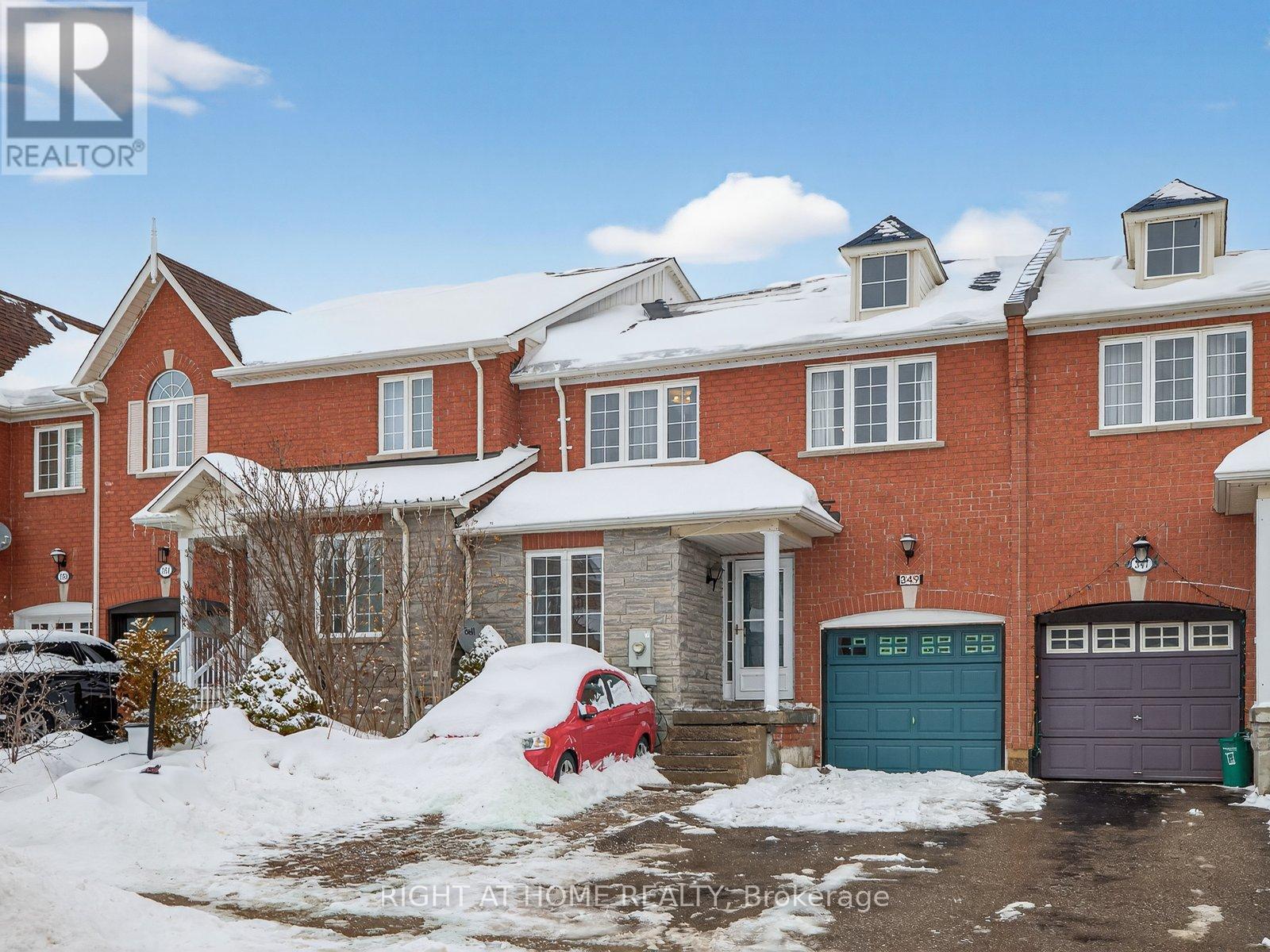 For Sale
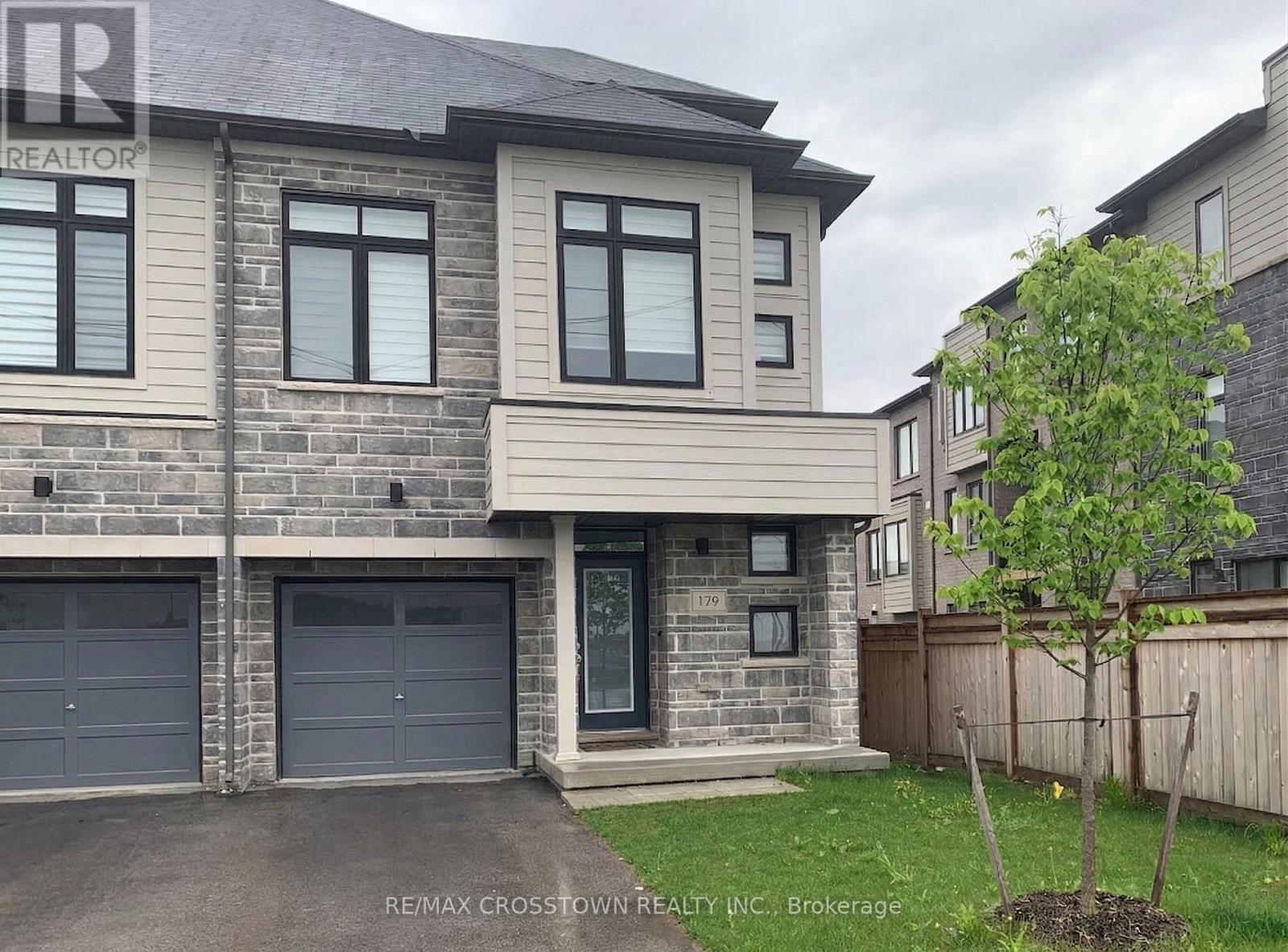 For Rent
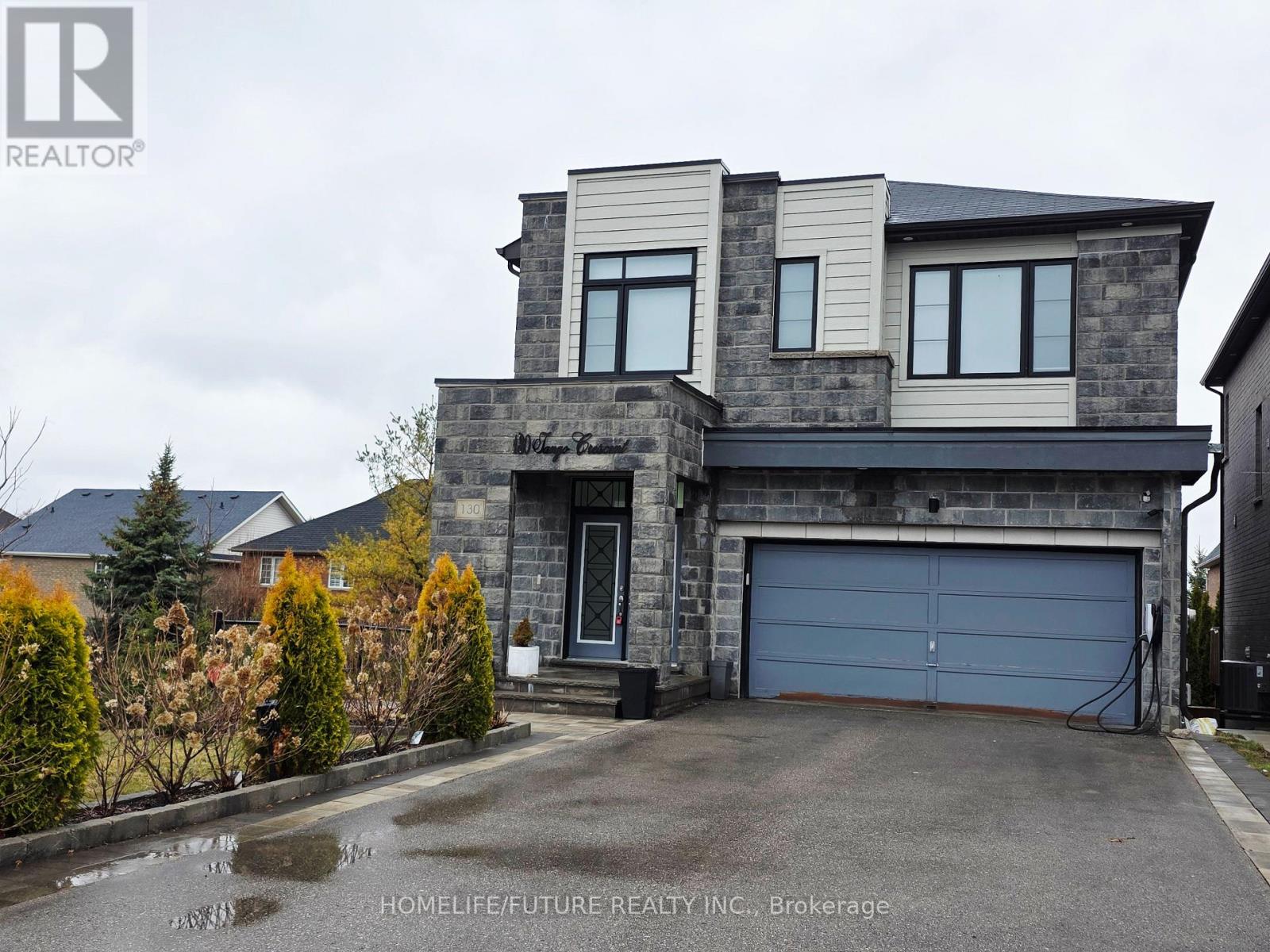 For Sale
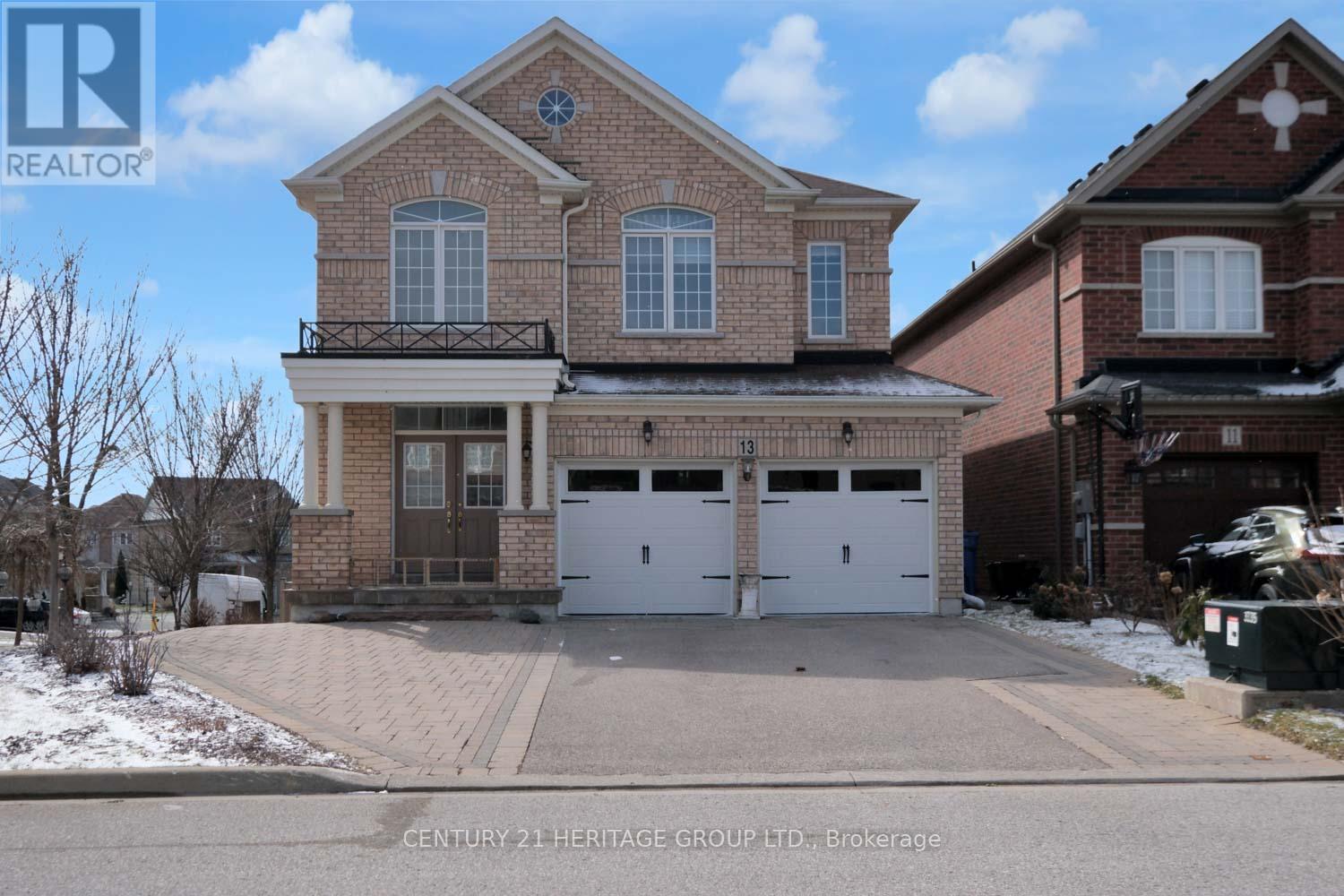 For Sale