
Wychwood is a central Toronto west-side neighbourhood built around Wychwood Barns, the Nordheimer Ravine, and Hillcrest Park. Victorian and Edwardian houses and semis sit on hillside streets above St. Clair Avenue West, with St. Clair West subway station (Line 1) providing direct downtown access. Detacheds range from $1.2M to $2.0M and above; semis from $950K to $1.5M.
Wychwood is a central Toronto neighbourhood on the city’s west side, situated along the Davenport Road and St. Clair Avenue West corridor near the boundary between old Toronto and the inner west end. It’s defined by Wychwood Barns, the converted streetcar maintenance facility that became a community cultural hub in 2008, and by the Hillcrest neighbourhood identity that’s been building around it for decades.
The neighbourhood occupies a particular position in the Toronto residential landscape. It’s far enough from the downtown core to have a residential rather than urban energy, but close enough by transit to be genuinely practical for people who work or move through the city centre regularly. The St. Clair West subway station on Line 1 gives direct access to the Yonge-University-Spadina corridor, which is the transit axis that connects most of the city’s major employment and entertainment destinations.
The housing is a mix of Victorian houses and semis, with some Edwardian-era stock and a smattering of mid-century infill. The streetscapes in Wychwood have an eclectic character that reflects the neighbourhood’s long history of attracting artists, academics, and people who chose it for its particular combination of community character and accessibility. There’s a self-consciousness about the neighbourhood’s identity that’s different from the more working-class roots of the east end; Wychwood has always been at least partially a neighbourhood people chose for cultural reasons as much as practical ones.
Christie Pits park, slightly to the south and east, and Hillcrest Park, immediately in the neighbourhood, anchor the green space of the area. The ravine system along Wychwood Avenue itself, the old Nordheimer Ravine, gives parts of the neighbourhood a dramatically different topography from the flat streets of most Toronto residential areas. Houses on Wychwood Avenue and the streets immediately around it sit in and above a ravine that feels genuinely natural and that gives the area a visual character unlike most of the city.
Wychwood’s housing stock is dominated by Victorian and Edwardian detached and semi-detached homes built primarily between 1890 and 1920, with some later construction filling in the hillside streets and ravine-adjacent lots. The architectural character here is more varied than in the Danforth corridor, partly because the ravine topography created unusual lot shapes and configurations, and partly because the neighbourhood’s eclectic buyer history has resulted in a wider range of renovation approaches over the decades.
Detached homes are more common in Wychwood than in much of the inner east end, reflecting the period’s development pattern on the hillside streets. Lots on the ravine-adjacent blocks can be quite large by Toronto standards, with deep rear yards and unusual grading. These properties are distinctive and sell accordingly; a house on Wychwood Avenue with a ravine view and a large lot is a genuinely different product from a standard Victorian semi on a flat street, and it prices accordingly.
The interior of a typical Wychwood Victorian or Edwardian will be familiar to anyone who’s looked at this era of housing: original plaster ceilings in good condition on well-maintained examples, wide-plank floors on the upper storeys, kitchen at the rear, dining room off the living room, and a basement that’s either a storage zone or, in renovated homes, a finished family space. The best renovations in this neighbourhood preserve the period character while updating the kitchen, bathrooms, and systems; the worst impose contemporary aesthetics that fight with the original proportions.
Buyers should be aware that the ravine-adjacent and hillside properties come with complications that flat-lot Victorian homes don’t. Slope stability, foundation drainage, and the management of surface water on hilly lots are all real considerations, and a home inspector with experience in ravine-adjacent properties is worth engaging specifically for these. Some of the most striking properties in the neighbourhood have also had the most interesting maintenance histories.
Semis in Wychwood run from roughly $950,000 to $1.5 million; detacheds from $1.2 million to $2 million and above for larger properties on significant lots. The range is wider here than in more uniform neighbourhoods because the lot and property variation is greater.
Wychwood is a premium west-central Toronto market. The St. Clair West subway access, the Wychwood Barns cultural anchor, the ravine setting on the hillside streets, and the neighbourhood’s established identity among a buyer pool that values those things specifically combine to create a market that’s competitive and relatively price-stable through the usual Toronto market cycles.
Detached homes in genuine good condition with useful outdoor space and parking attract multiple offers in active markets. The buyer pool here includes a significant proportion of people who’ve looked at Wychwood specifically rather than arriving at it after being priced out of somewhere else. That creates a more decisive and less price-sensitive buyer pool than you find in transitional markets, which keeps competition strong on the better properties.
The variation in lot size and configuration in Wychwood means that price comparison across properties requires more nuance than in a more uniform neighbourhood. A detached on a flat lot with a usable backyard and a driveway is a straightforwardly comparable product. A detached on a ravine-adjacent hillside lot with 80 feet of depth but most of it at a slope angle that makes it impractical to use is a different asset entirely, and the comparison isn’t as simple as square footage or bedroom count suggests. Buyers need to understand what they’re actually buying beyond the headline specification.
Spring and fall are the strongest selling periods, with the most listings and the most competitive situations. Wychwood sees enough listing activity through the year that determined buyers typically have options in most seasons, though the highest-quality properties tend to come to market in the conventional peak periods. Winter can produce opportunities when sellers who didn’t sell in the fall have become more flexible.
The investment case for Wychwood is based on stability and scarcity rather than transformation. The neighbourhood is not transitional; it’s been established for long enough that the main question is whether its character is maintained, not whether it will develop one.
Wychwood draws buyers who are specifically choosing the neighbourhood for what it is, not as a fallback after being priced out of somewhere else. The Wychwood Barns, the Hillcrest identity, the ravine, the St. Clair West walkability, and the particular community character that’s developed here over decades are things people seek out rather than stumble onto. This makes the buyer pool more intentional and more specific than in markets driven primarily by price point or transit access.
Creative professionals, academics, architects, and people in arts-adjacent fields have historically been a significant part of the Wychwood buyer community. The neighbourhood’s identity as an artistic and intellectual community is not marketing language; it has real roots in the people who’ve chosen to live here and the institutions, including Wychwood Barns, that reflect that choice. Buyers who find themselves drawn to a community with a distinct cultural identity rather than a generic residential one tend to find Wychwood resonates in a particular way.
Families with children are a consistent presence, attracted by the combination of the Christie Pits area schools, the access to Christie Pits Park and Hillcrest Park, and the neighbourhood’s family-supportive community infrastructure. The Wychwood Barns market, community programs, and the range of local amenities within a walkable distance give families a daily life that’s rich without requiring constant transportation. The school communities in this part of the city, particularly at the public elementary level, tend to be engaged and active.
Buyers relocating from other major cities, particularly those with cultural connections to artistic communities in New York, London, or other European cities, sometimes find that Wychwood’s particular combination of character, transit access, and relative affordability compared to equivalent neighbourhoods in those cities makes it a compelling destination. The neighbourhood’s density and walkability give it a more European urban character than most of Toronto’s residential areas.
Downsizers from larger west-end properties sometimes choose Wychwood when they’re ready to give up the suburban-scale home for something smaller but more interesting. The character of the housing, the proximity to the Wychwood Barns and the St. Clair West commercial strip, and the walkability to daily needs make it a practical choice for a later life stage where the house-as-project is less appealing than the neighbourhood as daily experience.
Wychwood Avenue itself is the neighbourhood’s most distinctive street. It follows the line of the old ravine, descending and rising in a way that no standard Toronto grid street does, and the houses on it range from Arts and Crafts bungalows to substantial Victorian detacheds set above the ravine slope. Properties on Wychwood Avenue are genuinely unusual within the Toronto housing stock, and they attract buyers who’ve specifically decided they want a house on this street. When they come to market, they tend not to sit.
Benson Avenue and Wychwood Park, the private enclave within the Wychwood area, represent the most exclusive residential territory. Wychwood Park is a private, forested enclave with a pond and large houses that’s been protected from development and external traffic for more than a century. It’s one of the most unusual residential environments in Toronto, and the houses within it rarely come to market. When they do, they attract a very specific buyer pool and price accordingly.
The streets north of St. Clair, including Bracondale Hill Road, Hepbourne Street, and the blocks between them, have the hillside topography that gives Wychwood its distinctive character. These streets are quiet, have good tree cover, and the elevation gives some properties views across the city that are unusual for a mid-density Toronto neighbourhood.
South of St. Clair, the streets approach the Christie Pits area and have a slightly different character, somewhat more urban in scale and closer to the commercial activity of the Bloor Street intersection. This part of the broader Wychwood area shares characteristics with Palmerston and the Annex and prices toward the higher end of the range, given the proximity to Bloor-Spadina transit and the established amenity of that commercial district.
Buyers should understand that Wychwood’s topography creates meaningful differences between properties that appear similar in specification. A home at the top of a hillside street with southern exposure and city views is a fundamentally different experience from the same house type on a flat block a few streets over, and the price should reflect this. When assessing value, take the site as seriously as the structure.
St. Clair West subway station on Line 1 is the primary transit connection for Wychwood. From the station, northbound trains reach Eglinton in two stops and southbound trains reach Bloor-Yonge in about seven minutes. This Line 1 access is meaningfully different from the Line 2 access that serves the Danforth corridor neighbourhoods: Line 1 runs north-south through the heart of the city, connecting directly to the financial district, University of Toronto, hospitals along University Avenue, and Yorkville, without requiring a transfer at Bloor-Yonge. For many buyers, the direct Line 1 connection to major downtown employment and service destinations is more valuable than a comparable Line 2 connection to the Danforth corridor.
The 512 St. Clair streetcar runs east-west along St. Clair Avenue and provides surface access across the St. Clair corridor. It’s slower than the subway but gives direct connection to St. Clair East, Mount Pleasant Village, and other points along the avenue that the subway doesn’t directly serve. The streetcar stop is at most a five-minute walk from most Wychwood addresses.
Bathurst Street bus routes provide north-south surface transit as an alternative to the subway and connect to Bloor Street West at one end and Wilson Avenue at the other. For residents whose destinations are along Bathurst rather than on the subway grid, this route fills a useful gap.
Cycling in Wychwood requires some planning because of the hills. The streets in the hillside sections are not particularly friendly to cyclists going uphill without some fitness, but the flat portions of the neighbourhood and the connection to Bloor Street cycling infrastructure to the south are manageable. The Nordheimer Ravine trail provides a car-free cycling route through the ravine that connects to the network of west-end trails, though it’s narrow and shared with pedestrians rather than a dedicated cycling facility.
Driving access to the Allen Road expressway is a few minutes north via Bathurst or Allen, and the Allen connects to the 401. The Gardiner and DVP are accessible via the Don Valley connector to the east, though from Wychwood that’s a meaningful drive through the city centre rather than a quick on-ramp connection. For west-side commuters the Allen-401 connection is the more practically useful highway access.
Hillcrest Park sits at the top of the hill above Wychwood Barns and provides one of the better elevated green spaces in the mid-city. The park looks out over the city below, has enough open space for active recreation, and functions as a neighbourhood gathering point for the surrounding streets. The view from the upper level of Hillcrest Park on a clear day is one of the city’s underappreciated perspectives, and it gives the immediate streets around it a quality of setting that residents mention regularly when describing why they chose the neighbourhood.
Christie Pits Park, slightly to the southeast, is one of the more beloved parks in the west-end interior. It has a history in the city’s political memory as the site of the 1933 Christie Pits riot, but in contemporary daily life it functions as a neighbourhood sports and recreation hub: baseball diamonds, a wading pool, a skating rink in winter, and enough open space to accommodate the dense family population of the surrounding streets comfortably. The park draws people from across the Annex, Seaton Village, and Wychwood on summer evenings in a way that suggests genuine community use rather than passive green space.
The Nordheimer Ravine, which runs along the Wychwood Avenue corridor, is the neighbourhood’s most distinctive natural feature. The ravine trail connects to the network of ravines that runs through the west end, eventually linking to the Belt Line trail and other park connections. It’s a genuinely natural environment within a short walk of most Wychwood addresses, and the trees, creek sounds, and wildlife give it a quality that flat-street parks can’t replicate.
Wychwood Park itself, the private enclave, contains a pond and forested landscape that, while not accessible to the public in the way that city parks are, contributes to the green character of the neighbourhood visually and through the ecological corridor it represents. The large trees of Wychwood Park spill over into the adjacent streets and create a canopy effect that extends beyond the park’s boundaries.
The overall green space offer in Wychwood is exceptional for a mid-city Toronto neighbourhood. The combination of Hillcrest Park elevation, Christie Pits size, and the Nordheimer Ravine trail gives residents access to three meaningfully different outdoor experiences within a short walk of home, which is more green space variety than most Toronto neighbourhoods at this price range can claim.
Wychwood Barns is the neighbourhood’s commercial and cultural anchor, and what makes it distinctive is that it’s genuinely both things rather than one dressed as the other. The Barns houses the Artscape Wychwood Barns market, operating year-round on Saturdays, where a mix of food vendors, prepared food, and artisan producers gather in the restored heritage building. It’s one of the better farmers’ market environments in the city, and it functions as a weekly gathering point for residents that gives the neighbourhood a social rhythm most communities don’t have built into their infrastructure.
The St. Clair Avenue West commercial strip provides the everyday retail layer. A mix of independent restaurants, cafes, boutique retail, and the essential daily services, pharmacy, grocery, banking, covers most residents’ routine needs within a short walk. The strip’s character is firmly independent rather than chain-dominated, which is a deliberate community preference that’s been maintained through periodic commercial pressure and reflects the neighbourhood’s identity coherently. The coffee culture on St. Clair West is strong, with several respected independent cafes that function as informal community hubs.
Bathurst Street’s retail south of St. Clair, particularly approaching Bloor, adds another layer of options including the No Frills at Bloor and Bathurst for value grocery shopping and the broader Annex retail strip that Wychwood residents access with a short bike ride or bus trip. The Bloor Street West corridor is close enough to be a practical extension of the local retail range, which significantly expands the restaurant and specialty retail options available without requiring transit travel.
For larger format shopping, the Yorkdale Shopping Centre is accessible by the Allen Road in about 15 minutes by car, and Costco at Warden is accessible by highway. Neither is walkable, but for the periodic large shopping trip both are within a reasonable drive. Residents who want to reduce car dependence for everyday shopping find that the St. Clair West and Bloor combination covers most categories well enough to avoid large-format retail for the majority of their household needs.
The Wychwood Barns market itself has a food offer that goes beyond farmers’ market produce. Prepared food vendors, specialty baked goods, and artisan food products make Saturday mornings at the Barns a destination rather than just a shopping stop, and many residents organise their weekend routines around it.
Wychwood falls within the Toronto District School Board and the Toronto Catholic District School Board. The public elementary schools serving the neighbourhood include Hillcrest Community School, which has a strong reputation and an engaged parent community that reflects the neighbourhood’s demographic. The school benefits from the active involvement of a parent population that is, broadly speaking, well-resourced and deeply engaged with their children’s education. This community investment shows in the school programs, events, and supplementary activities that make Hillcrest one of the more sought-after elementary schools in the west-side TDSB catchment.
The TDSB also operates Western Technical-Commercial School and Bloor Collegiate Institute in the vicinity, providing secondary school options for Wychwood students. The specific secondary school a student attends depends on their address and program choices. Western Technical has a range of technical and academic programming; Bloor Collegiate serves the broader west-end area. The secondary school landscape in this part of the city is varied enough that families should engage directly with the board and the specific schools to understand the programs available and which align with a given student’s interests and goals.
French immersion and alternative programming are available through the TDSB’s application process. The west-side TDSB area has several French immersion schools within transit range, and the demand for these programs is high enough that wait lists are typical for entry in some years. Families interested in French immersion should begin the inquiry process early rather than assuming availability at the time of application.
Catholic school families in Wychwood fall within the TCDSB’s west-end boundaries. Specific schools depend on the address. St. Mary of the Angels and other TCDSB elementary schools serve the area, with secondary students typically attending Catholic high schools accessible by transit from the St. Clair West station.
The school community in Wychwood is one of the neighbourhood’s assets for families. The parent community’s engagement level is high, and the social networks that develop around the school extend naturally into the neighbourhood’s broader social fabric. For families with young children, this community dimension of school life is a significant part of the daily experience of living in the neighbourhood.
Wychwood is a well-established neighbourhood in a part of the city that has relatively limited development potential compared to the major avenues and commercial corridors. The residential streets are built out, the ravine and park system constrains what can be built, and the heritage character of many blocks limits the scope for demolition and replacement. This is good news for existing residents and homeowners who value stability, and it means that buyers are purchasing into a neighbourhood where the character is unlikely to change dramatically in the near term.
St. Clair Avenue West is subject to the city’s intensification policies as a designated avenue, and some development has occurred and more is in the pipeline for older commercial buildings along the strip. The development that’s been built on St. Clair West in recent years has generally been mid-rise residential and mixed-use, in the five-to-eight-storey range, which adds residents to the corridor without dramatically changing the street character. The community has been engaged in these processes and has influenced the form of development that’s been approved, resulting in outcomes that are less disruptive than in some other Toronto avenue corridors where community input was weaker.
Wychwood Barns itself, as an Artscape facility operating under a long-term agreement with the city, provides a stable cultural anchor that’s not subject to market pressures in the way a commercial tenant would be. This gives the neighbourhood a degree of cultural infrastructure continuity that’s unusual and valuable. The Barns have been a catalyst for the neighbourhood’s identity and for the commercial character of the surrounding streets, and their continued operation is a meaningful part of the neighbourhood’s stability as a community.
Garden suites and laneway houses are possible on some Wychwood properties where lot dimensions and access allow. The hillside topography and the unusual lot configurations on some blocks can make this more complex than on a standard flat Toronto lot, and the feasibility depends very specifically on the individual property. Buyers interested in this potential should get a site assessment before treating it as an asset of a specific property.
The Nordheimer Ravine is protected as a natural area and as part of the city’s ravine network. No development in or immediately adjacent to the ravine is permitted under the current framework, which effectively freezes the most distinctive natural character of the neighbourhood in place for the foreseeable future.
What is Wychwood Barns and why does it matter for the neighbourhood?
Wychwood Barns is a converted Toronto Transit Commission streetcar maintenance facility that was transformed between 2003 and 2008 through a community-led process into a mixed cultural and community hub. The Barns now houses artist live-work studios, a community hall, office space for social agencies, and the Artscape Wychwood Barns market, which operates year-round on Saturdays. The conversion was significant not just as a heritage preservation project but as an act of community self-determination: local residents organised, raised money, and worked with the city and Artscape over five years to bring the project to completion. That history gives the Barns a particular meaning for the neighbourhood that a commercially developed arts space doesn’t have. It’s a community institution in the original sense, and its presence has anchored the neighbourhood’s identity, supported the commercial character of the surrounding streets, and created a weekly gathering point that functions differently from any other community amenity in the area. For buyers evaluating Wychwood, the Barns is one of the things that makes the neighbourhood specific and that provides a cultural infrastructure you won’t find replicated elsewhere in the city.
How does Wychwood compare to the Annex and Seaton Village?
All three are west-side Toronto neighbourhoods with Victorian and Edwardian housing stock, strong community identities, and proximity to the University of Toronto and the downtown core. The Annex is the most established and most expensive of the three, with Bloor Street access and a density of cultural institutions that no other neighbourhood in Toronto quite matches. Seaton Village, sometimes described as east Wychwood or the area around Bathurst and Bloor, occupies a middle position, priced below the core Annex but sharing some of its cultural character and transit access. Wychwood proper, on the hillside north of St. Clair, has the most distinctive physical setting of the three because of the ravine and the topography, the Barns as a neighbourhood anchor, and a community character that’s somewhat more self-contained and less university-adjacent than the Annex. Prices in Wychwood are generally lower than equivalent properties in the Annex proper, which gives it a value proposition for buyers who want the west-side Toronto character and the Line 1 access without paying the Bloor Street premium.
What are the main things to check in an inspection on a Wychwood property?
The same checklist applies as for any Victorian or Edwardian Toronto house, with some additional items specific to the hillside and ravine-adjacent character. The standard list includes knob-and-tube wiring presence and the scope of any electrical updating done, the condition and capacity of the electrical panel, cast iron drain stack integrity and the condition of the drain lateral from house to street, foundation waterproofing and any evidence of basement water entry, condition of the windows (original single-pane versus replacement), and the flat or low-slope roof sections that were often added on rear additions and carport conversions. For hillside and ravine-adjacent properties specifically, slope stability around the foundation, the management of surface water on the slope, and the condition of any retaining walls on the property are additional items that require specific attention. An inspector with experience in Toronto Victorian housing and familiarity with ravine-adjacent properties specifically is worth finding for a Wychwood purchase, rather than a generalist who may not flag the ravine-specific issues. Ask specifically about the property’s water management history in your due diligence, because hillside properties can have drainage issues that only manifest in specific weather conditions.
Is the Wychwood Barns market worth going to every week, or is it more of a novelty?
It’s genuinely worth the weekly visit for residents who cook and who want to shop from identifiable sources. The market runs year-round, indoors in the Barns hall, which means it doesn’t shut down in November the way most Toronto farmers’ markets do. The vendor mix includes farms from within a reasonable radius of the city, prepared food from established vendors, specialty baked goods, and artisan food products. It functions better as a complement to grocery shopping than as a full replacement for it, because the range is strong on specialty and seasonal items but you won’t find a full weekly grocery list covered in a single market trip. Residents who use it regularly tend to shop the Barns on Saturday for the specialty and fresh items, and fill in at the grocery store for the staples. The prepared food vendors are good enough that Saturday morning at the Barns has become a genuine social ritual for many residents, which is its own argument for going regardless of the shopping.
Wychwood is a neighbourhood where a buyer’s agent with genuine local knowledge makes a concrete difference. The variation in property types here, from standard flat-lot Victorians to hillside detacheds to ravine-adjacent properties with unusual lot configurations, means that valuing properties accurately requires more than a simple comparable sales analysis. Understanding why one property on Wychwood Avenue commands significantly more than a superficially similar property a block away requires knowing the specific site, the lot orientation, the ravine relationship, and the view, none of which appear in an MLS listing.
The competitive nature of the market for the best properties here means that preparation matters. Having financing in order before you start looking is essential at this price range. Knowing your actual priorities, whether site character, lot size, street address, or house condition is most important to you, lets your agent help you assess opportunities accurately rather than chasing anything in the general area.
The inspection process in Wychwood Victorian housing requires particular attention to the issues described in the FAQ section above. A buyer’s agent who takes the inspection seriously and who helps you understand how inspection findings affect the value of a specific property, rather than treating the inspection as a formality, is doing essential work. The gap between a well-priced, condition-appropriate offer and one that’s misjudged is significant in a market at this price level.
For buyers who are comparing Wychwood to the Annex or to other west-side Toronto communities, an agent who knows the specific value drivers in each neighbourhood can help you run an honest comparison rather than a superficial one. The school catchments, the specific streets, the transit walking times, and the condition variation all matter and all affect whether the comparison between neighbourhoods is as clear as the headline price difference might suggest.
If Wychwood is the neighbourhood you’ve settled on, the work becomes about finding the right property within it and negotiating it appropriately. An agent who’s been through multiple transactions here and who knows the specific micro-market conditions is worth finding before you start looking rather than after you’ve made your first unsuccessful offer.
Street-level knowledge is hard to find online. Our team works in Wychwood every day. They know which pockets hold value, where the school catchment lines actually fall, and what the market is doing right now. Talk to us before you make a decision about Wychwood.
Talk to a local agent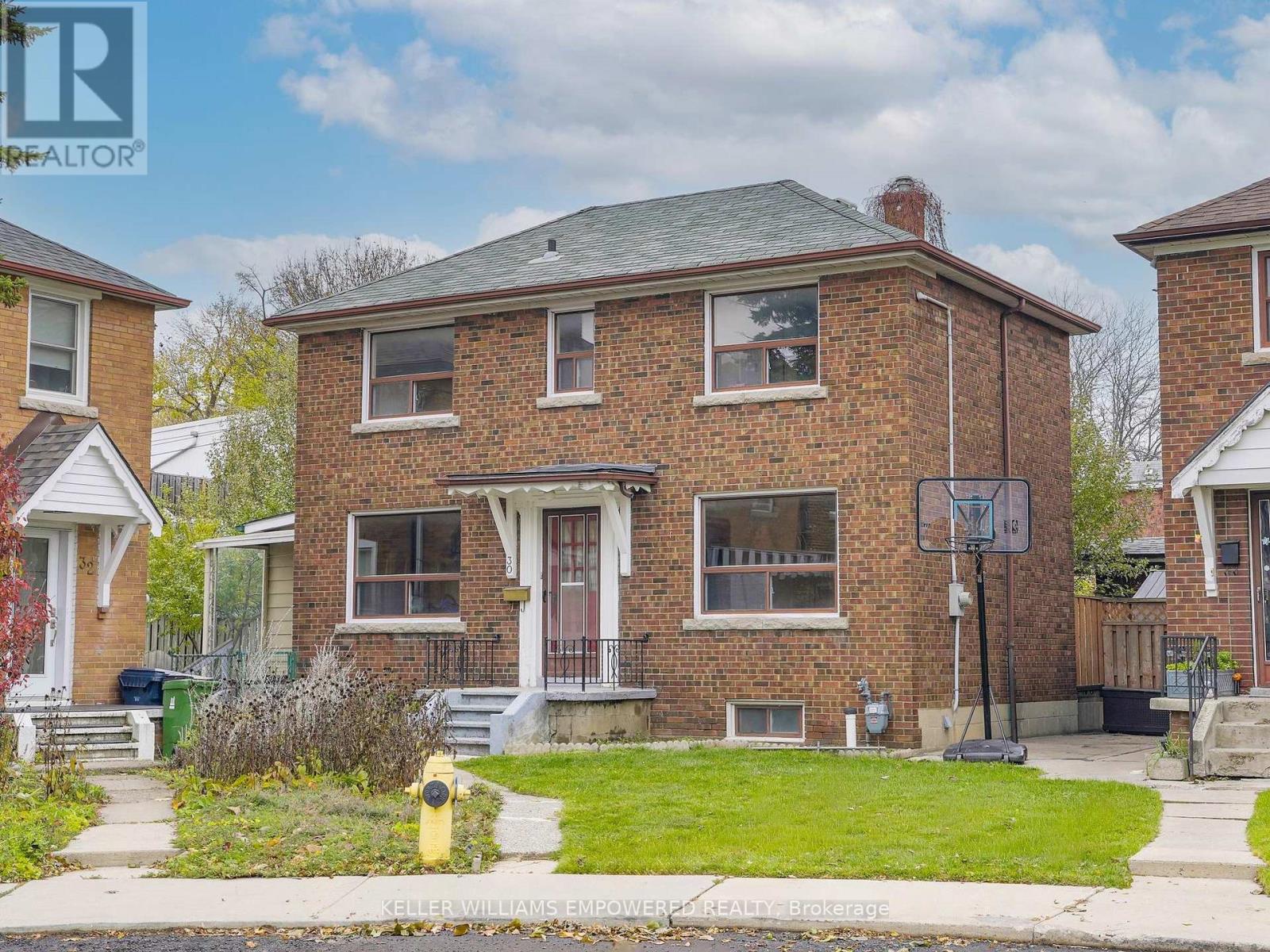 For Sale
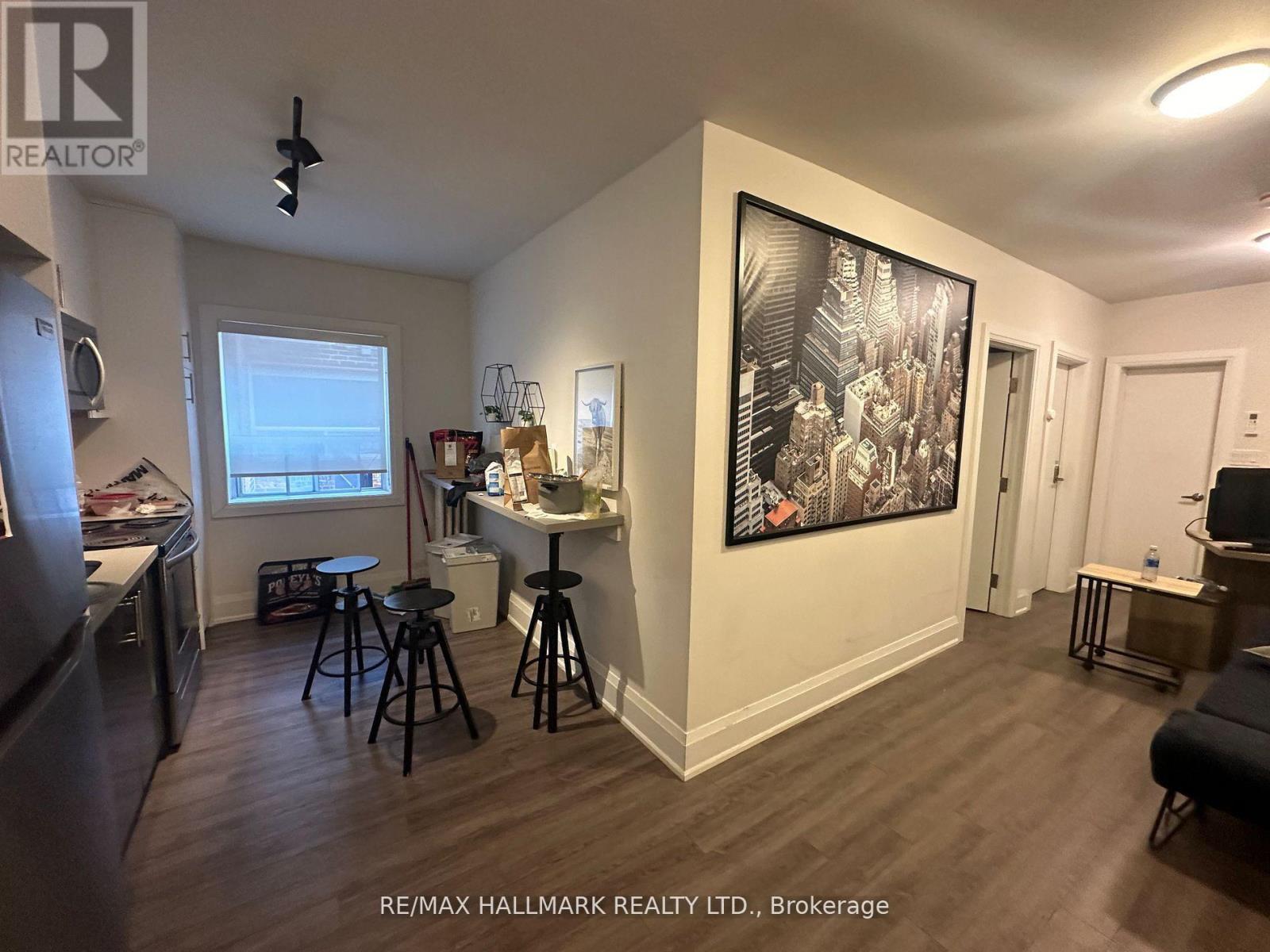 For Rent
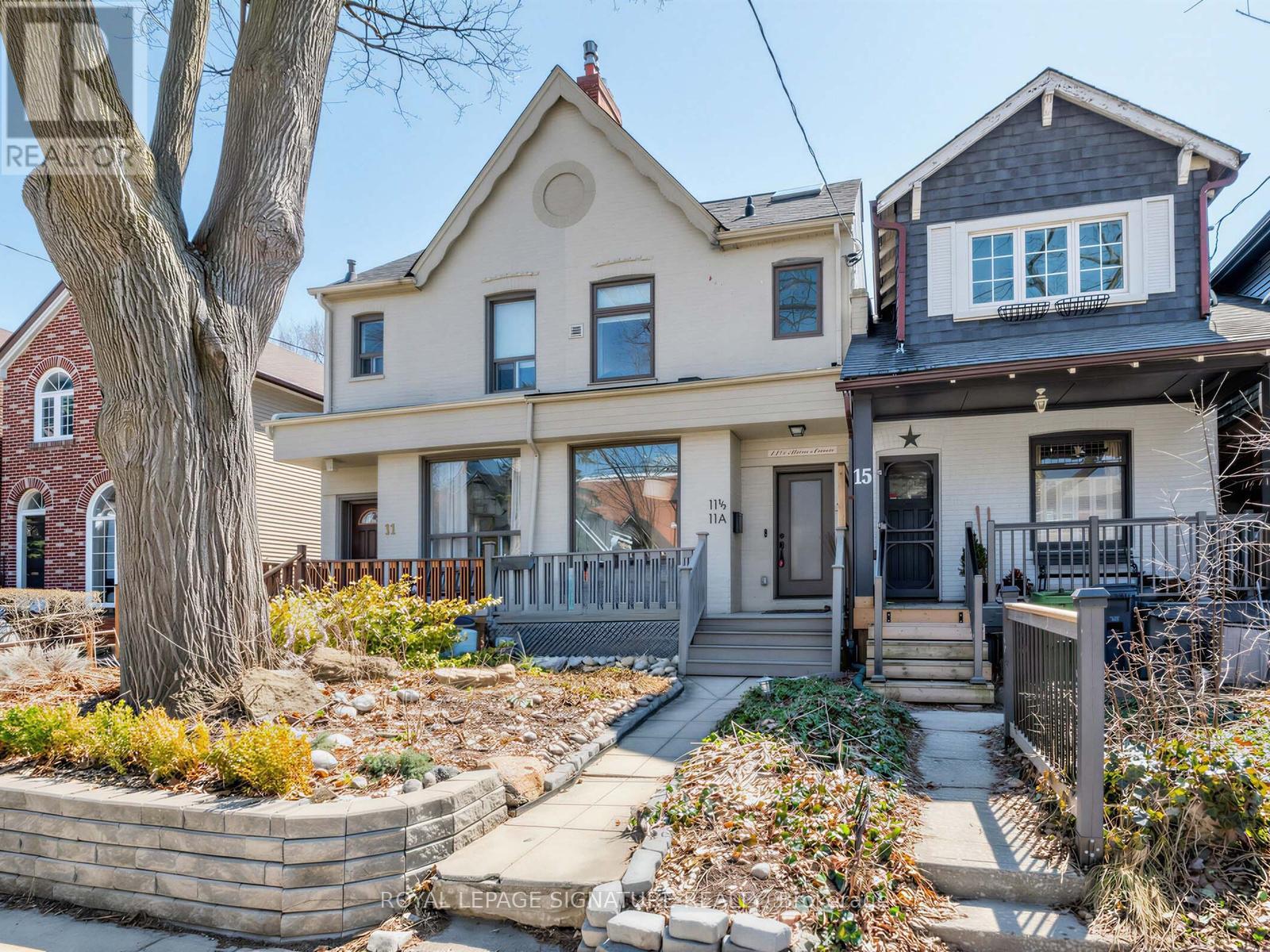 For Sale
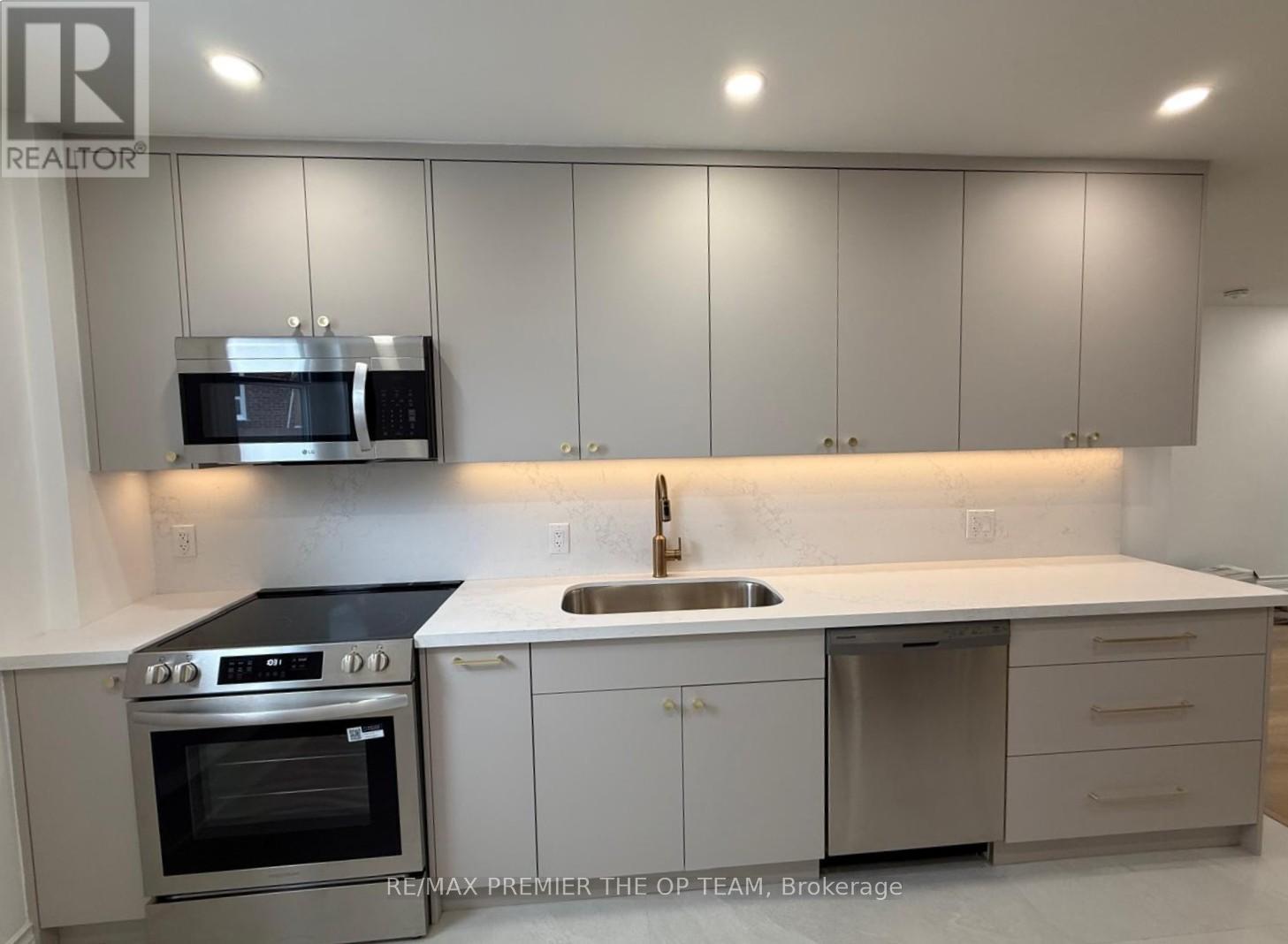 For Rent