
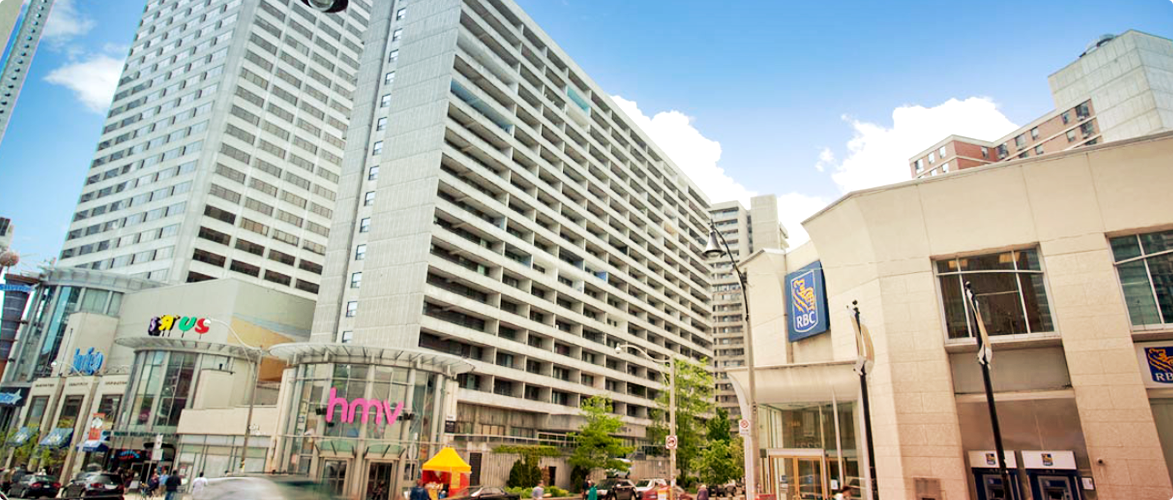
Yonge-Eglinton is the midtown node where Yonge Street meets Eglinton Avenue: dense, well-serviced, and defined as much by transit as by any residential character. The Eglinton Crosstown LRT, after years of delays, is finally connecting east-west across the city at this intersection. Office towers, condo towers, and a concentrated retail and restaurant strip make this one of the city's most active midtown hubs. The side streets off Duplex, Roehampton, and Hillsdale carry the neighbourhood's freehold housing. Condos dominate: one-bedrooms from $600,000 to $800,000, two-bedrooms from $850,000 to $1.3 million.
Yonge-Eglinton is the point where two of Toronto’s major transit corridors cross. The Yonge subway line runs north-south through the intersection. The Eglinton Crosstown LRT, the city’s largest infrastructure project in decades, runs east-west along Eglinton Avenue with an underground station at Yonge. The combination makes this one of the most transit-accessible addresses in the city outside of the downtown core. That transit access is the central fact of the neighbourhood, and most of what happens there flows from it.
The commercial density at the intersection reflects its centrality. Office towers line Yonge north and south of Eglinton. The retail and restaurant strip along Eglinton Avenue west of Yonge is among Toronto’s more concentrated midtown commercial corridors, with a mix of national chains, independent restaurants, fitness studios, and the kind of mixed-use retail that sustains a 7-day-a-week street. The neighbourhood’s old nickname, “Young and Eligible,” has stuck because it still describes the demographic most concentrated here: young professionals in condos, working downtown or in the midtown offices, who chose this location for its transit convenience and street life.
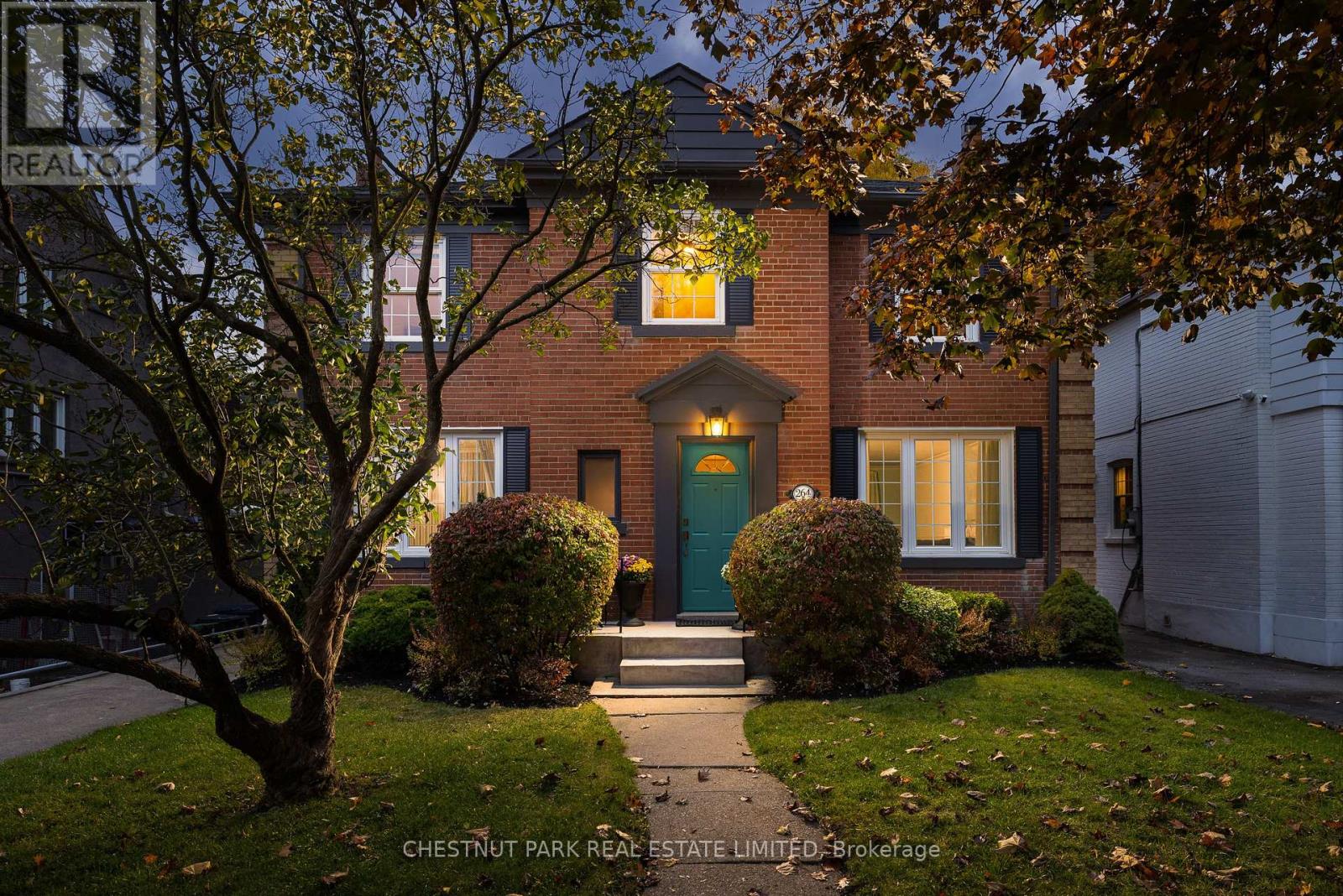
The residential character splits into two distinct parts. The streets immediately around the intersection, and the condo towers that define the skyline, are urban in a way that has more in common with downtown than with the midtown neighbourhoods immediately to the north. The side streets off Duplex Avenue, Roehampton, Hillsdale, and Cranbrooke belong to a different Toronto: quiet, treed, freehold, and sought after by buyers who want Eglinton subway access within walking distance without living in a tower.
Condos account for the large majority of residential purchases in Yonge-Eglinton. The inventory ranges from purpose-built buildings from the 1970s and 1980s, often larger units with dated finishes and higher maintenance fees, to post-2010 towers with smaller floor plans and better amenity packages. A one-bedroom in the 500 to 650 square foot range trades between $600,000 and $800,000. Two-bedrooms run $850,000 to $1.3 million. The spread within each category is wide because the buildings themselves vary enormously in age, quality, and management.
Older buildings from the 1980s sometimes offer a better value-per-square-foot than newer construction, but buyers need to review the status certificate carefully. Buildings from that era with aging HVAC systems, unresolved special assessments, or reserve funds that haven’t kept up with replacement costs carry financial exposure that isn’t always visible in the listing price.
Freehold on the side streets is a different category. Semi-detached homes on Duplex, Roehampton, and Hillsdale start around $1.6 million for a three-bedroom in reasonable condition. Detached homes on the wider streets begin around $2.5 million. These properties attract a different buyer: families or couples who want the Eglinton subway connection and the freehold format, and who have either been priced out of Rosedale or Summerhill or are making a deliberate midtown choice over those addresses.
The condo market at Yonge-Eglinton is running at extended days on market in early 2026, consistent with the broader softening in Toronto’s condo sector. Buyers have more time and negotiating room than they did in 2021 and 2022. The oversupply of new condo completions across the city has reduced the urgency that previously drove quick decisions. Investors who purchased pre-construction in the 2019 to 2022 period are selling upon completion, adding resale inventory that competes with both new builds and established units.
Freehold on the side streets behaves differently. The buyer pool for a semi on Duplex or Hillsdale is smaller but more focused. These are buyers who have shortlisted Yonge-Eglinton specifically for freehold format with Eglinton subway access. Competition for well-priced freehold properties remains active, and offer dates still appear on the better listings in the spring and fall windows.
The Crosstown LRT factor is already partially priced in. Properties within close walking distance of the Eglinton corridor have reflected transit-adjacent premiums for years in anticipation of the line opening. The opening itself is unlikely to produce a sudden price adjustment; the market has been absorbing the transit story for over a decade. What it will affect is rental demand, particularly for condos within a short walk of the stations, which will benefit from the connectivity improvement once service is running.
The largest buyer group in the condo segment is downtown workers, typically in their late 20s or 30s, who want midtown access with transit reliability. They’re choosing Yonge-Eglinton over downtown condos because they can get more space for the money while staying within a direct subway ride of Bay Street or King West. The comparison they run most often is against St. Clair, Davisville, or the Church-Wellesley area, where they’re looking at similar price points but different street characters.
Investors are a persistent presence at Yonge-Eglinton. The combination of transit access, employment density, and a concentrated tenant base makes it one of Toronto’s more reliable rental catchments. One-bedroom condos in well-managed buildings within two blocks of the subway station have maintained rental demand even as the condo resale market has softened. Investors who bought in the last few years are carrying compressed yields at current prices and interest rates, but the neighbourhood’s structural tenant demand hasn’t weakened.
Freehold buyers are a third group with a different profile: often couples or young families who’ve been priced out of Rosedale or Summerhill and see the Eglinton freehold streets as offering comparable transit access at a lower entry point. Some are specifically buying for the North Toronto CI school catchment, which applies to certain streets in the area. That catchment-driven buyer is less concentrated here than in dedicated catchment neighbourhoods further north, but it exists.
For condo buyers, the status certificate is the document that matters most. Request it before submitting an offer, or structure an offer conditional on reviewing it. The status certificate discloses the reserve fund balance, any pending or recent special assessments, active litigation against the corporation, and the condo’s financial health. Buildings from the 1980s at Yonge-Eglinton sometimes have reserve fund deficiencies or aging systems that will require significant capital spending. A low maintenance fee relative to comparable buildings is occasionally a warning sign rather than a selling point.
Condo rental rules vary by building. Some corporations at Yonge-Eglinton have restrictions on short-term rentals or investor-owner ratios that affect both resale and rental potential. If you’re buying as an investor, confirm the rental policy in the status certificate and check the current owner-occupancy ratio. Lenders sometimes apply stricter financing terms to buildings with high investor concentrations.
For freehold buyers on the side streets, the school catchment question is property-specific. The North Toronto CI catchment covers some blocks in the area but not uniformly. The informal assumption that a Yonge-Eglinton freehold address places children in North Toronto CI is sometimes wrong. Verify the specific address using the TDSB school locator. This applies both to buyers for whom the school is a priority and to buyers who simply want to understand the resale market, since catchment status affects future buyer demand.
Condo sellers in the current market are competing against new completions, pre-construction assignments, and other resale units in the same building or on the same street. Buyers have options and time. The properties that move fastest are the ones priced accurately, photographed professionally, and presented in a way that reflects the investment the buyer is making. A condo that looks lived-in rather than maintained, in a market with this much supply, will sit.
For freehold sellers, the story is stronger. The side-street semis and detacheds at Yonge-Eglinton sell into a smaller, more motivated buyer pool that has been watching the market and knows what comparable properties cost. A well-maintained home that reflects care without over-renovation, in the spring listing window, is likely to see competition. The buyers who end up on these streets have usually made a deliberate choice after running the full comparison to Summerhill, Rosedale, and Lawrence Park. They arrive informed.
Timing matters differently depending on product type. For condos, the distinction between spring and fall windows is less pronounced than in freehold, because the condo buyer base is less driven by the school calendar and more driven by lease expiries and employment cycles. For freehold on the side streets, the standard spring window from February through May produces the most focused buyer activity.
The commercial strip along Eglinton Avenue between Yonge and Avenue Road is the neighbourhood’s primary eating and drinking corridor. The density of restaurants per block is comparable to the best midtown streets in the city. The strip runs from fast-casual through to proper dinner restaurants, with a concentration of fitness studios and service retail that reflects the demographic using it. Leaside and Davisville residents use it as much as people who live in the towers directly above it.
The entertainment and cultural offer extends beyond the immediate intersection. The Yonge and Eglinton Centre mall provides a connected retail anchor. The Toronto Reference Library is accessible by a short subway ride south to Bloor. The midtown concentration of film production offices and creative industry employers that surrounds the area gives the neighbourhood a working-professional energy that distinguishes it from purely residential midtown streets.
The side streets off Duplex and Hillsdale are a genuine residential contrast to the intersection’s intensity. Trees, front gardens, porches, children playing on the street: the scenes on those blocks could belong to a quiet Leaside residential street. Buyers who choose freehold in this area often describe it as having the best of both: a quiet residential block that’s a ten-minute walk from a subway station and a proper midtown commercial strip.
Eglinton subway station on the Yonge-University line places the intersection within a direct ride of Bloor-Yonge (seven minutes), Union Station (eighteen minutes), and Sheppard-Yonge (twelve minutes) without a transfer. It’s one of the most direct downtown connections of any midtown neighbourhood. That transit convenience is priced into the market and is the dominant factor in why the condo density at this node is as high as it is.
The Eglinton Crosstown LRT adds east-west connectivity along Eglinton Avenue that has been missing since the original plans for this line were cancelled in the 1990s. Once running, the Crosstown connects Yonge-Eglinton to Fairbank, Cedarvale, Leaside, Science Centre, and Kennedy station to the east, all without a subway transfer. For residents commuting to employment nodes east or west along Eglinton, this changes a car trip into a transit trip for the first time.
Cycling infrastructure on Eglinton itself has improved with the Crosstown construction. The midtown cycling network connects to the Yonge-Eglinton area via the Beltline trail to the north, a former rail corridor converted to a multi-use path that runs east-west through midtown and provides a car-free route through some of Toronto’s most pleasant residential streets. Residents using the Beltline can reach Mount Pleasant Village or Chaplin Estates on a bike without touching a major road.
Davisville, immediately south of Eglinton, is the most direct comparison for freehold buyers. The residential streets around Davisville station carry similar housing stock to the Yonge-Eglinton freehold tier, at prices that are broadly comparable. Davisville’s character is quieter and more residential. The commercial strip at Yonge and Davisville is low-key by Eglinton standards. Buyers who want midtown transit and freehold housing without the urban intensity of the Eglinton intersection often choose Davisville, typically at a small price advantage.
Summerhill, further south around St. Clair, is a different category. Its freehold streets on Shaftesbury, Garfield, and the blocks south of St. Clair represent some of the most consistently expensive midtown real estate in Toronto. The Victorian housing stock on those streets, the proximity to Rosedale, and the St. Clair subway connection all command a premium over Yonge-Eglinton freehold. Buyers who compare Summerhill to Yonge-Eglinton freehold are usually doing so because they’ve been priced out of Summerhill and are looking for where the next best transit-freehold combination exists.
Mount Pleasant Village, a few blocks east off Eglinton, offers a quieter residential alternative with the same Eglinton transit access and a mid-scale commercial strip on Mount Pleasant Road. Some buyers shortlist both Mount Pleasant and Yonge-Eglinton freehold because the transit catchment is shared, while the street character and price points differ enough to make the comparison worth running.
North Toronto Collegiate Institute, one of Toronto’s most academically competitive public secondary schools, covers some freehold streets in the Yonge-Eglinton area. The catchment is not uniform across the neighbourhood, and many condo buildings near the intersection fall outside it. Freehold buyers on specific streets, including parts of Duplex Avenue, Roehampton, and Hillsdale, may be within the catchment, but this is a property-by-property question. The TDSB school locator will confirm any specific address. Families buying in this area with North Toronto CI as a priority should verify before committing.
For elementary school, the public TDSB options serving the area include Maurice Cody Public School and North Preparatory Public School, both of which have reasonable local reputations. French Immersion access through the TDSB requires a separate application and is not guaranteed at the local school. Families with French Immersion as a priority should contact the TDSB directly about waitlists and pathway options from a Yonge-Eglinton address before purchasing.
Condo buyers without school-age children largely don’t weight schools in the purchase decision, which is one reason the condo market at Yonge-Eglinton is somewhat insulated from the catchment-driven demand patterns that affect freehold pricing in this part of the city. The condo value proposition here is transit, employment proximity, and street-level amenity, in that order.
What is the Eglinton Crosstown and how does it affect real estate here? The Eglinton Crosstown LRT is a 19-kilometre light rail line running along Eglinton Avenue from Mount Dennis in the west to Kennedy station in the east. Its underground section runs through the Yonge-Eglinton area, with a station directly at the Yonge and Eglinton intersection. The line connects to the Yonge subway at this station, giving Yonge-Eglinton properties access to both north-south subway service and east-west LRT service from a single stop. The line has been in construction since 2011 and was in final commissioning as of early 2026. Its opening will primarily affect rental demand for properties near the Eglinton corridor and improve connectivity for residents who need to travel east or west along Eglinton without a car.
What are typical condo prices at Yonge and Eglinton in 2026? One-bedroom condos in the 500 to 650 square foot range trade between $600,000 and $800,000. Two-bedrooms run $850,000 to $1.3 million depending on size, building quality, and floor. Older buildings from the 1980s and 1990s can offer lower per-square-foot prices but typically carry higher maintenance fees and aging common elements. The condo market has been running at extended days on market since 2023, and buyers have more negotiating room than in previous cycles. Pre-construction assignment resales are also available in the area, sometimes at discounts to the original purchase price, particularly from investors who face negative cash flow.
Is Yonge-Eglinton in the North Toronto CI catchment? Some freehold streets in the Yonge-Eglinton area fall within the North Toronto Collegiate Institute secondary school catchment, but this is not uniform across the neighbourhood. Many condo buildings and some freehold streets near the intersection are outside the catchment. Freehold buyers on specific blocks, including parts of Duplex Avenue, may be within it. This is a property-by-property question. Use the TDSB school locator with the exact address before relying on catchment in your decision. North Toronto CI is among the city’s most academically competitive public secondary schools, and the catchment status of a specific property affects both your family’s school options and the resale demand from future buyers who prioritise it.
How does Yonge-Eglinton compare to Davisville and Summerhill? Davisville, immediately south of Eglinton, is quieter and more residential in character. Freehold prices there are broadly comparable to Yonge-Eglinton’s freehold tier, often with a small discount for the lower commercial intensity. Buyers who want transit access without the urban density of the Eglinton intersection often prefer Davisville. Summerhill, around St. Clair to the south, is a step up in prestige and price. Its Victorian freehold streets command a premium over comparable Yonge-Eglinton properties, reflecting the neighbourhood’s more established character and proximity to Rosedale. Yonge-Eglinton sits between the two: more active and transit-rich than Davisville, less expensive and less refined than Summerhill’s best streets.
The intersection of Yonge and Eglinton has been a commercial node since the early twentieth century, when North Toronto was developing as a residential extension of the city. The area was annexed to Toronto in 1912, and the Yonge subway extension that reached Eglinton in 1954 cemented the intersection’s role as a midtown hub. The postwar years brought a wave of apartment construction to the streets near the intersection, establishing the rental apartment character that still defines parts of the neighbourhood today.
The condo towers that now dominate the skyline came later, primarily from the 1980s onward, as zoning along major avenues and at transit nodes permitted higher density. The office development that fills the towers on Yonge north and south of Eglinton grew through the same period, turning the intersection into one of Toronto’s genuine employment nodes rather than simply a transit connection. The nickname “Young and Eligible” emerged in the 1980s and has been applied intermittently ever since, partly as affectionate local shorthand and partly because the demographic concentration of young professionals in condos near the subway genuinely persists.
The Eglinton Crosstown represents the most significant infrastructure change to the neighbourhood since the subway opened in 1954. Plans for an east-west rapid transit line along Eglinton were first proposed in the 1990s and the funding was cancelled before construction began, an event that became known locally as the “Big Dig.” The current line, which resumed construction in 2011 under provincial funding, has been in the making for over thirty years in one form or another. Its opening closes a long chapter in the neighbourhood’s transit history.
Street-level knowledge is hard to find online. Our team works in Yonge-Eglinton every day. They know which pockets hold value, where the school catchment lines actually fall, and what the market is doing right now. Talk to us before you make a decision about Yonge-Eglinton.
Talk to a local agent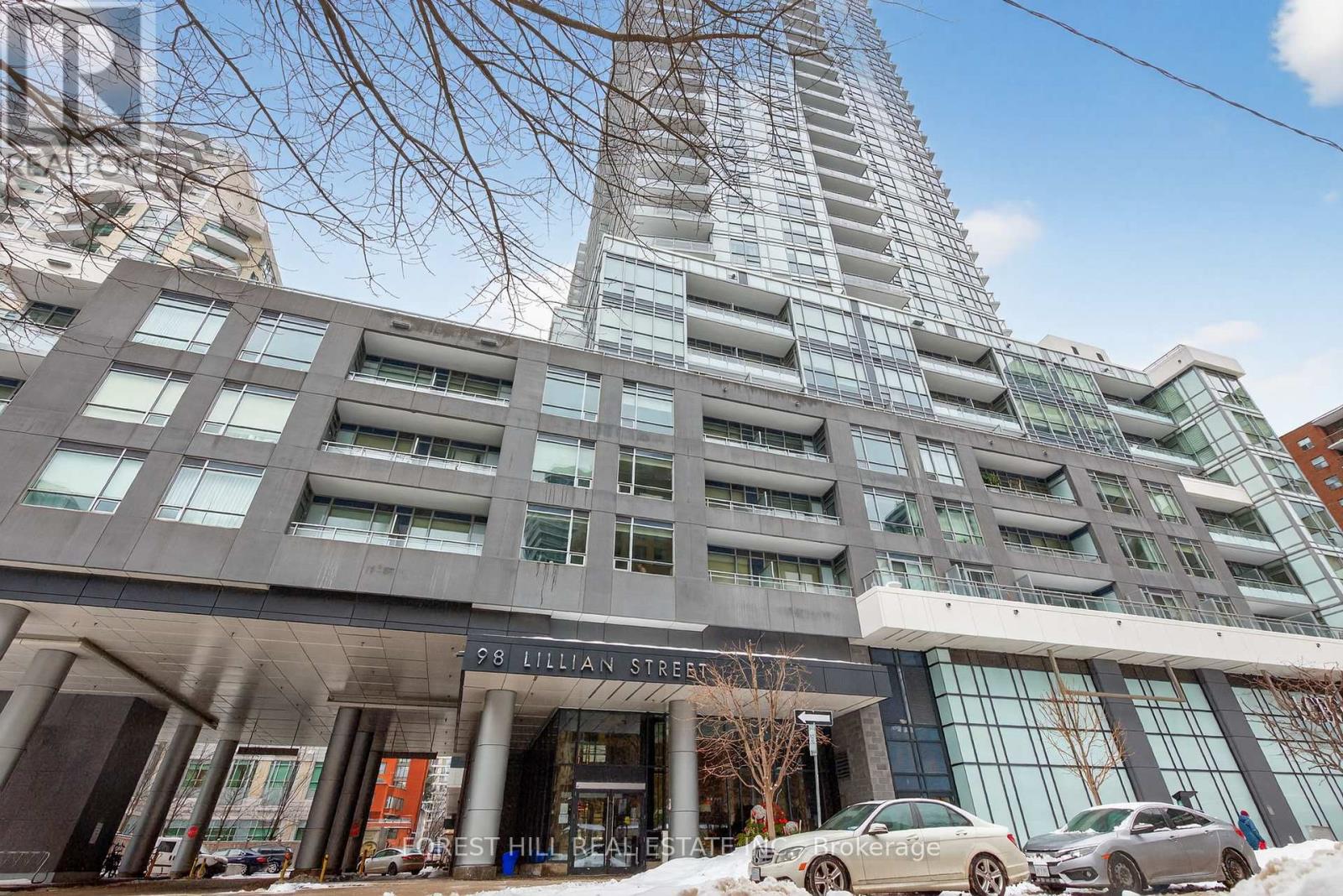 For Rent
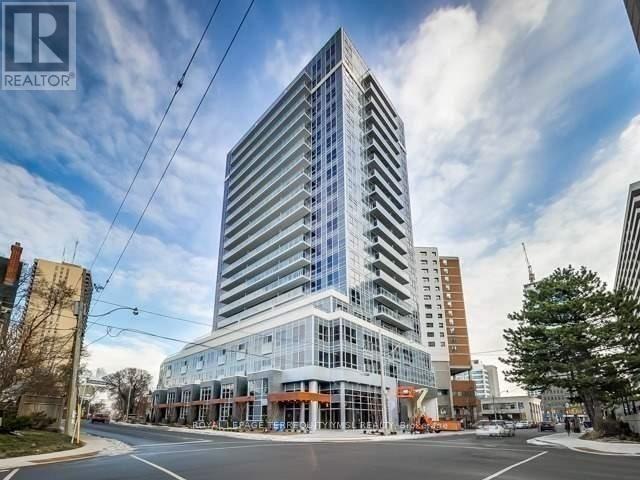 For Rent
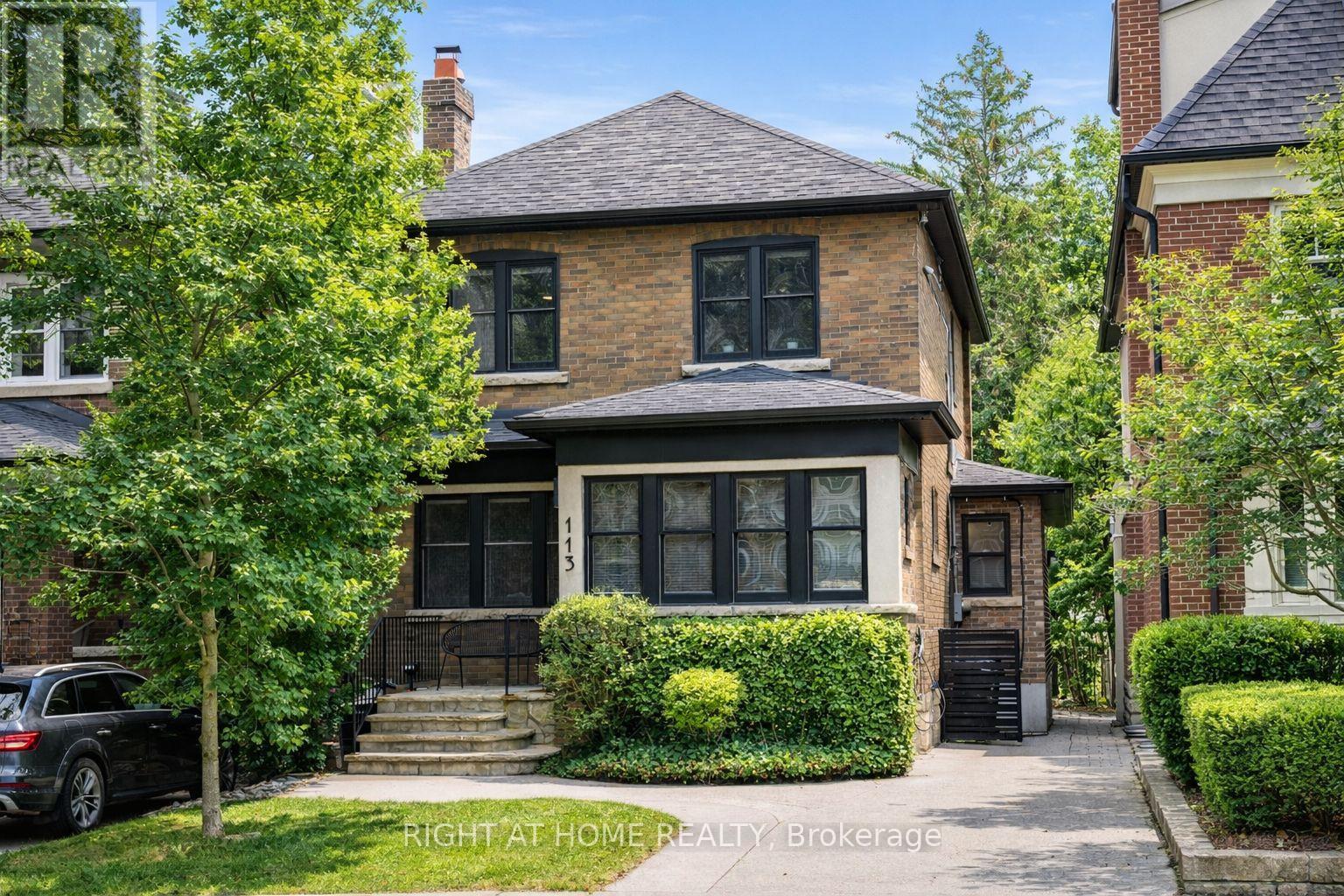 For Sale
 For Sale