
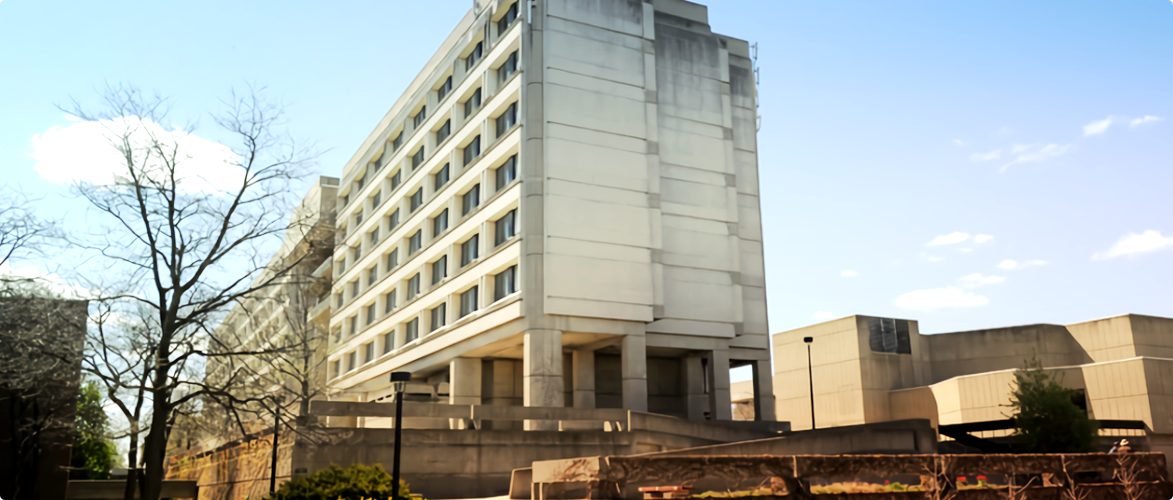
York University Heights is a diverse northwest Toronto neighbourhood near Jane Street and Steeles Avenue West, anchored by York University and the 2017 Line 1 subway extension. It offers affordable freehold housing with basement suite potential and direct subway access to the downtown core.
York University Heights sits in the northwest corner of Toronto, where the city meets the former municipality of North York and the suburban developments that spread outward from Jane Street and Steeles Avenue West. It’s not one of Toronto’s well-known addresses. It doesn’t have a single defining commercial strip or landmark building or cultural institution that gives it immediate recognition. What it has is subway access, relative affordability, a substantial working and student population, and a housing stock that gives first-time buyers and investors meaningful options that are harder to find in more central parts of the city.
York University’s Keele campus is nearby, and the student population is a constant presence in the neighbourhood’s rental market and on the commercial strips. The subway extension on Line 1 reached York University station in 2017, which connected the area to the downtown core and significantly changed its transit situation. Before the extension, this part of the city was bus-dependent. Now a direct subway ride reaches Union Station in about thirty-five minutes.
The neighbourhood’s character is a mix that reflects its history as a modest post-war residential area that absorbed waves of immigrant families over the decades. Bungalows and semis dominate the residential streets. Apartment towers stand along Jane and near Steeles. The population is working-class to middle-class in income profile, diverse in background, and oriented toward practical rather than aspirational living.
Jane Street is the main north-south artery and commercial spine. The intersection of Jane and Steeles is a busy node with transit connections, retail, and the sense of a local commercial centre that serves the surrounding residential population. It’s not polished. It’s functional, and for many residents that’s sufficient.
The appeal for buyers is primarily economic. Houses here cost less than equivalent product in areas with more central addresses, and the subway connection means the city is accessible. For buyers focused on building equity in a home rather than a neighbourhood status, this is a reasonable calculation.
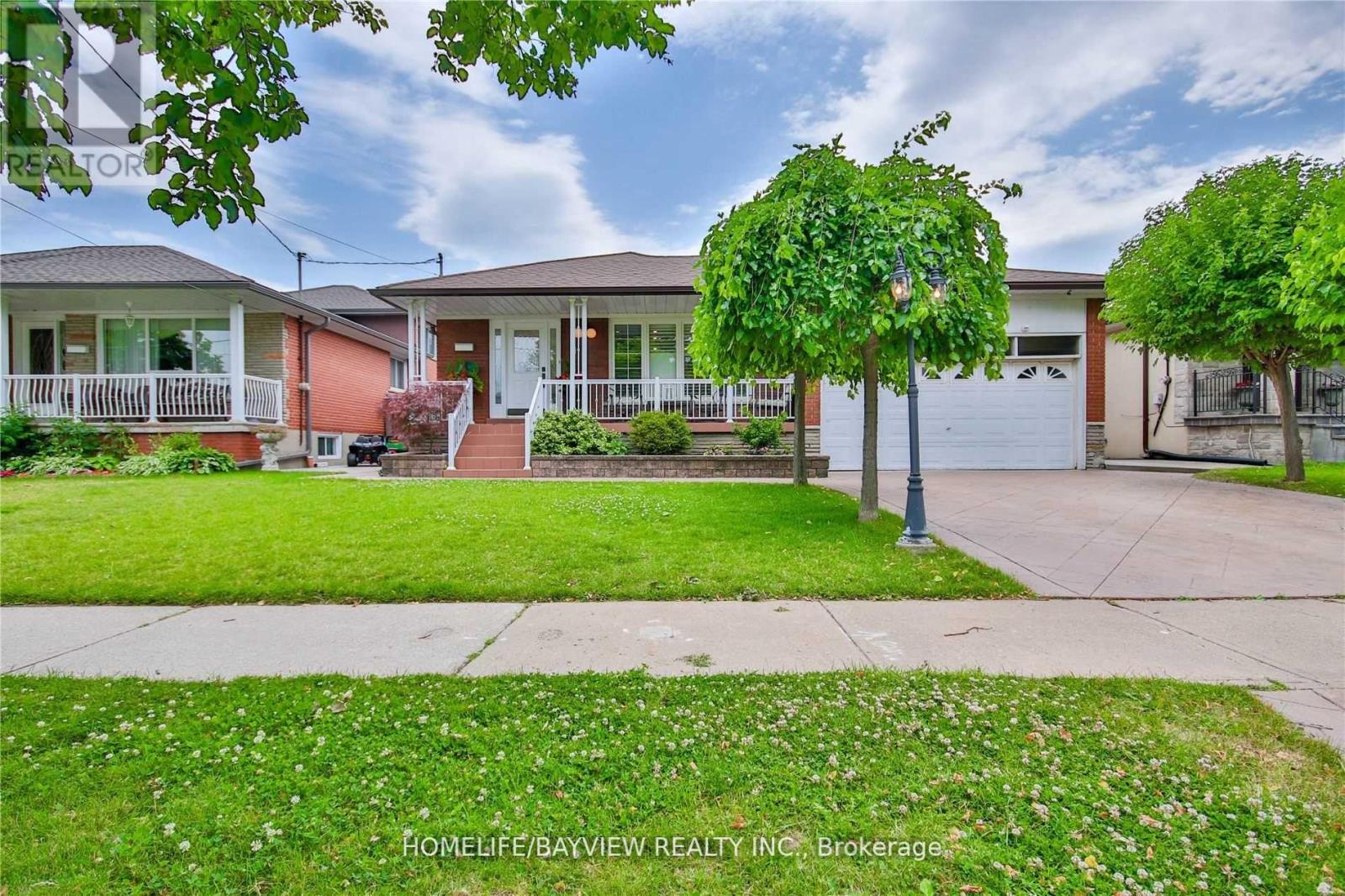
The housing stock in York University Heights is predominantly bungalows and semi-detached homes built through the 1950s and 1960s, on the residential streets running east and west off Jane Street. The lots are typically standard suburban dimensions, in the 30- to 40-foot width range, with enough depth to have a meaningful backyard by Toronto standards. Many of these homes have had basement apartments added over the decades, which is standard practice in the neighbourhood and has a significant effect on how buyers think about purchasing here.
Condition varies widely. Some homes have been renovated at various points, updating kitchens, bathrooms, and mechanical systems. Others are essentially as-built from the 1960s, with original finishes and systems that are functional but outdated. The range in presentation means buyers need to assess individual properties carefully rather than assuming a neighbourhood-level quality standard.
In 2026, a detached bungalow or two-storey in York University Heights typically trades between $800,000 and $1.1 million. Well-renovated homes with good lots can push above $1.1 million. Properties at the lower end of the range are usually in need of significant updating or have specific location disadvantages. Semi-detached homes are priced lower, typically in the $700,000 to $950,000 range depending on condition and lot.
Townhomes and stacked townhome complexes exist in scattered pockets, built as infill or as part of specific developments. These appeal to buyers who want freehold or near-freehold ownership without the full detached price. Prices range from $650,000 to $850,000 for most townhome product in the area.
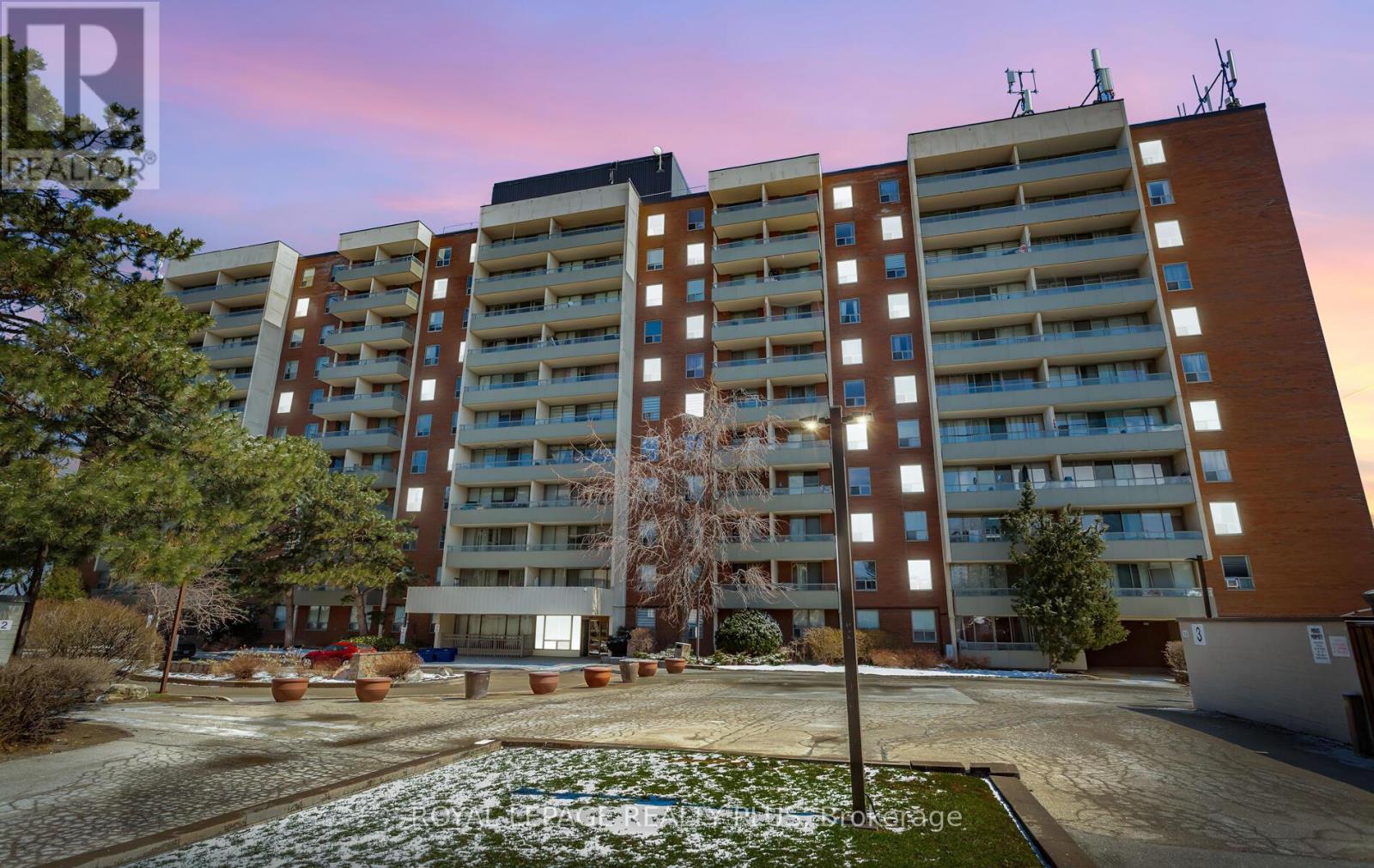
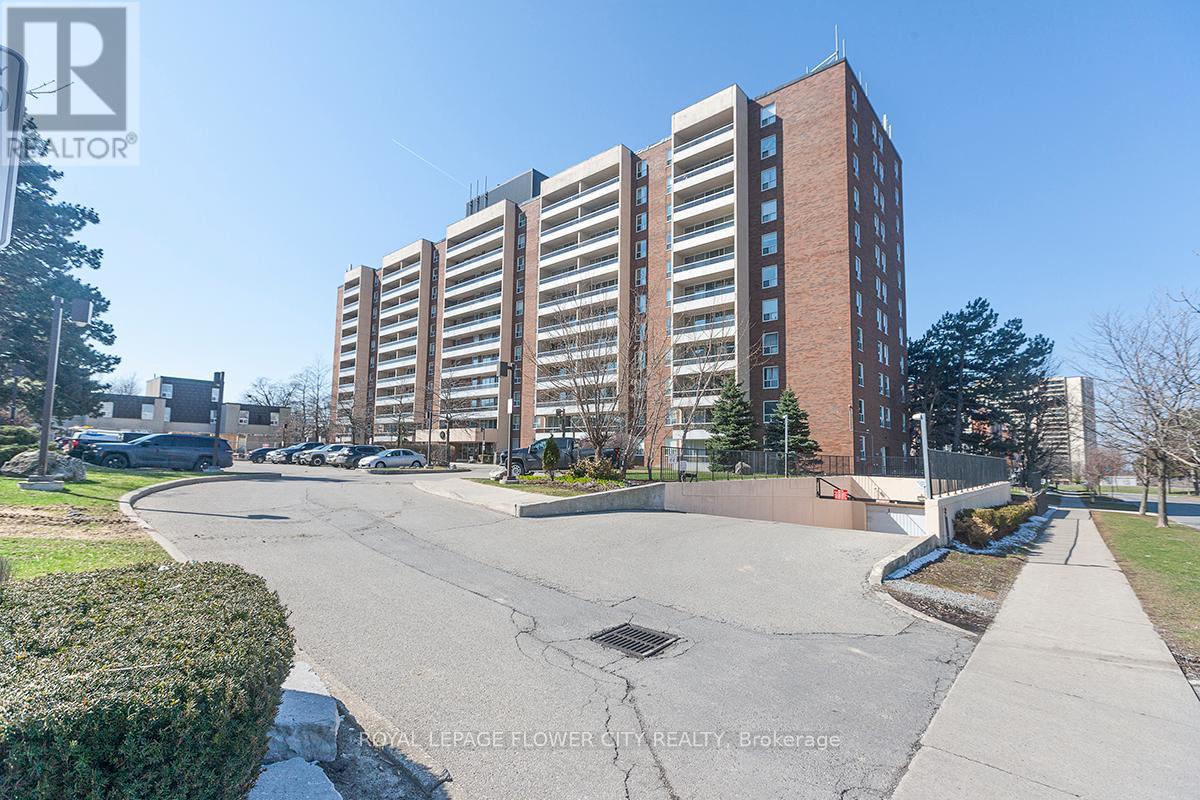
Condominium and apartment supply along the Jane Street corridor and near the Steeles intersection includes older rental towers and a smaller number of ownership condos. The ownership condo market here is limited, with prices typically below the Yonge corridor for comparable square footage, often $500,000 to $700,000 for one- and two-bedroom units.
One consistent feature worth noting: basement apartments are extremely common, and the income they generate, typically $1,200 to $1,800 per month for a one-bedroom suite, materially affects mortgage qualification and carrying cost calculations. Buyers who can use that income to their advantage, and who are comfortable being a landlord, find it changes the economics of purchasing here substantially.
York University Heights moves at a more measured pace than neighbourhoods closer to the Yonge corridor. It’s not a neighbourhood where listings routinely generate multiple offers and sell over asking in seven days. The market here is more negotiation-oriented, which gives buyers more time to do due diligence and more room to make decisions without artificial urgency. This is a meaningful practical benefit for first-time buyers who haven’t been through multiple competitive offer situations and who benefit from having time to think.
That said, the market is not without competition for the best properties at the right price. A well-renovated detached with a legal basement suite, priced accurately in the low $900,000s, will attract genuine interest. The key word is accurately. Properties that are overpriced relative to condition and location in this neighbourhood sit, sometimes for extended periods. Sellers who have watched their neighbours sell and assumed they can match those results regardless of condition often find the market more realistic here than in higher-demand areas.
The rental market is robust, driven by York University enrollment, proximity to Humber College, and employment in the northwest part of the city. Tenant demand for basement apartments and smaller units in the neighbourhood is consistent. Landlords in this area have historically found occupancy rates high and vacancy periods short. This supports investment activity: a meaningful portion of buyers here are purchasing with rental income as part of their financial plan.
Days on market average longer here than in the downtown core or in premium North York addresses. Six to eight weeks is not unusual for properties that are realistically priced. Quick sales, when they happen, are typically driven by a combination of accurate pricing and genuine condition. The slower pace does not indicate a weak market so much as a market that’s more supply and demand balanced than the heated pockets of the city.
Seasonal patterns apply. Spring sees more listings and more buyer activity. The fall is solid. Summer and winter are quieter, but the rental demand and student-driven activity in the area means there’s year-round transaction volume, even if it’s lower in absolute terms in the off-peak months.
The buyer profile in York University Heights reflects the neighbourhood’s price point and location. First-time buyers are the most consistent presence, typically households priced out of more central addresses who’ve concluded that subway access and a freehold home at $850,000 to $1 million beats a condo at a more prestigious address for $750,000. The calculation makes sense for families or households who need more space than a condo provides and who are willing to commute further in exchange for ownership of a house with a yard.
Immigrant families, many from South Asia, West Africa, and the Caribbean, have been a core buyer and resident group in the neighbourhood for decades. The community services, religious institutions, cultural businesses, and social networks built by these communities are part of what makes the neighbourhood function as a community rather than just a collection of houses. For buyers from these backgrounds, moving to York University Heights is often moving toward family, friends, and familiar institutions as much as it’s a real estate decision.
Investors are consistently present. The student and tenant demand generated by York University creates a reliable rental market, and the purchase prices for detached homes with basement suites can produce acceptable cap rates compared to more expensive neighbourhoods where rental yields are thinner. Some investors own multiple properties in the area. This is worth understanding as a buyer, because a neighbourhood with significant investor presence has a different community dynamic than one with predominantly owner-occupiers.
Families moving up from a condo or from renting, who need two or three bedrooms, a garage, and outdoor space, find that York University Heights delivers the spatial requirements of family living at a price that doesn’t require stretching to financial limits. The trade-off is distance from the urban amenities of central Toronto, which matters differently to different households. For families with young children who spend most of their time in their immediate neighbourhood, school, and home environment, the distance from downtown restaurants and cultural venues is less relevant than it would be for a young professional who values nightlife and urban texture.
The residential streets running east of Jane Street, particularly in the blocks between Shoreham Drive and Steeles Avenue, contain most of the neighbourhood’s better freehold housing stock. Streets like Deerhaven Crescent, Beaupre Avenue, Sentinel Road, and the residential blocks around Pioneer Village Drive offer typical post-war detacheds in a street environment that’s primarily owner-occupied and comparatively stable. These are the addresses that buyers researching the neighbourhood should look at first.
The streets immediately surrounding York University campus itself have a higher student rental presence, which changes the street character. More turnover, more rental conversion, and the associated maintenance patterns that go with high-turnover tenancies. Buyers who want to live near the transit access without living in the densest part of the student market should look at blocks that are several streets removed from the campus edge.
The area around Jane subway station, one stop south of York University station, has a slightly different character. Finch Avenue West, running east-west through this zone, is a busy commercial corridor. Properties near Finch and Jane have transit access without the student character of the blocks directly around the university. Some buyers prefer this pocket for that reason.
Near Steeles Avenue and Jane, the commercial node is busier and the residential streets around it carry more mixed character. This intersection is a legitimate community hub with good bus connections but it’s also more urban in intensity. The streets just south of Steeles and east of Jane, away from the intersection itself, are quieter and more residential.
West of Jane Street, the neighbourhood transitions into areas that are more suburban and lower-density. The housing stock is similar, but the transit access gets progressively worse as you move away from the Jane corridor. Buyers who need the subway should stay reasonably close to Jane Street rather than looking at streets that require a long bus ride to reach the subway.
The subway extension that brought Line 1 to York University station was the single most significant infrastructure change for this neighbourhood in a generation. Before 2017, the area relied entirely on bus service, and the commute to downtown was long. Now, York University station and Pioneer Village station bring two stops to the neighbourhood, with direct subway service southbound through the city. A morning commute from York University station to King station downtown takes approximately thirty-five to forty minutes. To Bloor-Yonge, about thirty minutes. These are manageable numbers for buyers willing to accept a longer commute in exchange for more affordable housing.
Jane Street is served by the 35 Jane bus, which runs north-south and connects to Bloor-Danforth (Line 2) at Jane station to the south. This gives residents two transit axes: the subway extension north-south and the surface bus connecting to the east-west subway line. The combination provides reasonable connectivity across the city for transit users.
Steeles Avenue West has bus service running east-west along the top of the neighbourhood, connecting to other parts of North York and eventually to the Yonge-Steeles area. The 60 Steeles West bus provides this connection. York Region Transit also connects at Steeles for riders needing to travel to Vaughan, Brampton, or other 905 area destinations.
Highway 400 and Highway 401 are accessible within a short drive via Jane Street north to Steeles and west to the 400, or via various routes to the 401 further south. For car commuters heading to the suburban employment belt north of the city, this neighbourhood’s location is practical. Driving downtown in peak hours from this area takes 40 to 60 minutes.
Cycling is limited by the lack of dedicated cycling infrastructure on the main roads. Jane Street and Steeles are not comfortable cycling corridors. Side streets are more manageable for shorter trips. The neighbourhood is primarily car or transit oriented, and buyers who rely on cycling as a primary mode should calibrate expectations accordingly.
The green space situation in York University Heights is better than the neighbourhood’s overall profile might suggest. Black Creek Pioneer Village, a living history museum and park on the eastern edge of the neighbourhood, sits within a substantial green corridor that includes open parkland, creek trails, and natural areas along the Black Creek. The park and its surroundings provide real walking and natural access for residents in this part of the city.
Downsview Park, the large federal park on the former Downsview airbase lands, is immediately east of the neighbourhood and accessible by transit from the Downsview Park subway station. It has trails, open fields, and event space, and it represents one of Toronto’s most significant recent public park developments. Its presence as permanent open space is a meaningful amenity for the surrounding residential area, and residents in York University Heights can access it relatively easily.
The Black Creek trail system connects through the broader neighbourhood and provides a green walking and cycling corridor that runs north-south through the area. For residents who want to walk or run in a natural setting without driving to a destination, the trail access from many parts of the neighbourhood is within a reasonable distance. The Black Creek itself is not a pristine natural waterway, but the trail and greenway alongside it provide a functional recreational corridor.
Local parks distributed through the residential grid serve the immediate neighbourhood’s day-to-day needs. Driftwood Park, Sentinel Park, and the neighbourhood parks along the residential streets provide playground equipment, open fields, and community gathering space. These are practical local amenities rather than destination parks, but they serve families with young children well for everyday outdoor use.
G. Ross Lord Park, slightly to the east of the immediate neighbourhood, is a larger park with trails, open space, and a reservoir. It’s accessible by transit or a short drive and adds to the green space accessible to residents who are willing to travel slightly for a larger park experience.
The retail and dining situation in York University Heights reflects its working-class residential character. It’s practical rather than destination-worthy. Jane Street and Steeles Avenue West carry the bulk of the commercial activity, with a mix of independent businesses, Caribbean, South Asian, and West African restaurants and food shops, chain pharmacies, discount grocery, and the kind of everyday services that a neighbourhood needs to function: auto repair, tax preparers, hair and nail salons, money transfer offices.
The food diversity is genuinely good. The Caribbean and African restaurants along Jane Street and the South Asian grocers and eateries near Steeles are worth attention if you eat out regularly and value authentic food from those traditions. This is not curated ethnic dining for visitors. It’s the real thing, aimed at communities that live here, and it’s considerably better for that.
Grocery access is practical. There are FreshCo, No Frills, and various independent Caribbean and South Asian grocery stores within the neighbourhood. For a full weekly shop, many residents use a combination of local independents for specific items and a chain store for staples. Larger grocery options including Walmart Supercentre are accessible in the broader area by car.
The York University campus itself adds some retail and dining in the campus buildings, accessible to the public. The campus food options are not the main attraction for non-students, but they add some volume to the local service environment.
For more upscale retail and dining, residents drive or transit to other parts of the city. Yorkdale Shopping Centre, accessible via the subway and by car, is the nearest major retail destination with department stores, specialty shops, and a range of restaurant options. It’s about a twenty-minute drive or transit ride from the neighbourhood. For downtown restaurant experiences, the subway connection makes them accessible in the evening without a car, which partly compensates for the lack of equivalent options locally.
Schools in York University Heights are served by both the Toronto District School Board and the Toronto Catholic District School Board, along with York Region District School Board for some addresses near the Steeles boundary. The school situation here is functional rather than a primary driver of buyer decisions. Families who are prioritizing school reputation or specific programs in their location search typically look in other parts of the city first. Families who buy here and then engage with the school system generally find it adequate.
Westview Centennial Secondary School on Pilgrim Way serves much of the neighbourhood as the primary public secondary school. It’s a comprehensive school with standard programs, serving a diverse student population. It does not carry the competitive academic reputation of some other Toronto secondary schools, but it provides the courses and credits required for university admission. Students with specific program interests or who are pursuing competitive university admissions sometimes access other schools through the TDSB’s Alternative and Specialty Schools program.
At the elementary level, schools including Driftwood Public School, Crestwood Public School, and several others serve the residential grid. Class sizes and school quality at the elementary level vary, and the TDSB schools in this part of the city serve a high proportion of students from lower-income households, including many newcomers to Canada. The challenges and the commitment of teachers in these schools are both real. Parents who engage actively with the school community generally have better experiences than those who are passive.
On the Catholic side, Toronto Catholic District School Board schools serve families in the system. St. Jane Frances Catholic School and other TCDSB elementary schools in the area provide the alternative for Catholic families. Cardinal Carter Academy for the Arts, a specialized TCDSB secondary school, accepts applications from across the city for its arts-focused program and is accessible from this area by transit.
Private schooling is less common in this neighbourhood than in more affluent parts of North York, partly because the buyer profile here includes fewer households for whom private school fees are within reach, and partly because the neighbourhood’s distance from the major private school clusters makes the logistics harder.
York University Heights has been going through a long, slow development transition that’s accelerated since the subway extension opened in 2017. The York University campus itself is expanding, with new academic buildings, student residences, and institutional facilities planned or under construction on the Keele campus. Campus growth adds population and activity to the immediate surrounding area, which gradually increases demand for housing and services.
The Finch LRT, a planned light rail transit line running along Finch Avenue West, has been in various stages of planning and approval for years. If built as designed, it would run from Humber College in the west to the Finch-Yonge corridor in the east, connecting through York University Heights and improving east-west transit in this part of the city significantly. The LRT project has faced delays and cost overruns in the planning and approvals process. Its construction status and timeline continue to evolve, and buyers should research the current status rather than assuming either that it will be built on a specific schedule or that it won’t be built at all. If it proceeds, properties along the Finch corridor would see improved transit access.
Residential development near the subway stations has been proposed and in some cases approved. Tower developments around both the York University station and the Pioneer Village station area are part of the intensification pattern the city is encouraging near transit nodes. Several mixed-use and residential high-rise applications have been filed for sites near these stations. The development near the stations will add population and commercial activity to the immediate transit areas but won’t dramatically affect the residential character of the streets several blocks away.
The neighbourhood continues to evolve through individual property renovations and small-scale infill. Custom home rebuilds are less common here than in more expensive North York neighbourhoods due to land economics, but they do occur. The more visible change is renovation activity: updating older bungalows, adding basement suites, and the general maintenance-and-improvement cycle that a neighbourhood goes through as ownership turns over to buyers who invest in their properties.
Is York University Heights a good neighbourhood to buy a rental property? The fundamentals support it: consistent tenant demand from York University students and young workers, purchase prices that are lower than in more central areas, and basement suites that can generate $1,400 to $1,800 per month in additional income. The cap rates are more attractive here than in areas where purchase prices have outpaced rents by wider margins. The main risks are property management challenges, which are real in a neighbourhood with high tenant turnover and a significant student population, and the ongoing maintenance demands of older housing stock. Investors who are prepared to manage properties actively, or to hire property management, do well here. Passive investors who want a hands-off experience tend to find that the maintenance reality of a 1960s bungalow doesn’t cooperate with that approach.
How much has the subway extension changed the neighbourhood? Materially, though the full effect is still playing out. Before 2017, the area was transit-poor and the commute to downtown was an obstacle for many buyers. The extension changed the accessibility calculation significantly and has contributed to rising property values in the surrounding area. House prices in the immediate subway station catchment rose faster after 2017 than prices further away. The long-term effect of having two subway stations in the neighbourhood will likely continue to support values, particularly as the Finch LRT, if built, adds further connectivity. Buyers who bought before the subway extension saw significant gains. Those buying now are paying prices that already reflect the improved transit, which means future upside from this specific driver is more limited.
What’s the commute actually like from here? Direct on the subway: York University station to Bloor-Yonge is about 28 to 32 minutes. To Union Station, about 38 to 42 minutes. These are consistent times with minimal variability compared to car commutes. Peak hour crowding on Line 1 is real and the stretch from this end of the line into the core can be crowded during rush hour. For those who travel off-peak, the experience is more comfortable. Adding a bus connection to reach the station from some streets adds another 10 to 15 minutes depending on location.
Is the neighbourhood safe for families? The neighbourhood has areas of varying character, and the answer is more precise than a simple yes or no. The residential streets in the interior of the neighbourhood, away from the main arterials and social housing towers, are generally quiet and without significant safety concerns. Streets closer to the towers at Jane and Finch, a slightly different neighbourhood but adjacent, have different characteristics. Families consistently report that the interior residential streets of York University Heights are safe for children and daily life. Walking the specific streets at different times of day before buying remains the most useful research approach.
York University Heights rewards buyers who are willing to research at the street and block level rather than trusting neighbourhood-level generalizations. The quality gap between the best streets in the neighbourhood and the most problematic blocks is wider than in more homogeneous areas. Your buyer’s agent should be taking you to specific streets, telling you what they know about those blocks from experience, and being honest about where the neighbourhood is stronger and where it’s more variable.
Due diligence on the basement apartment is particularly important here. The vast majority of detached homes in York University Heights have a basement level that’s being used or has been used as a rental. The compliance status of these suites varies enormously. A suite with a separate entrance, proper egress windows, adequate ceiling height, and a registered with the city is a different asset from a suite that has been casually rented for decades without any of that infrastructure. Your home inspector should specifically assess the basement level for these elements. Your lawyer should advise on the city’s secondary suite registration process and what’s required to bring a non-compliant suite into compliance, if that’s relevant to your plan.
Home inspection is essential. The 1960s housing stock here commonly has galvanized water supply pipes that are approaching or past end of life, original electrical panels and wiring that may be inadequate or unsafe by current standards, and foundation drainage that may not be performing well. These are not insurmountable issues, but they’re costs, and they need to be factored into your purchase price and your renovation budget. Buyers who skip home inspections in this neighbourhood, or who use inspectors who are too brief to catch these issues, frequently encounter expensive surprises in the first year of ownership.
For buyers planning to use a basement suite as a rental, visit the property in the evening and on a weekend before committing. Assess the parking situation on the street for tenants. Understand how the utility meters are set up and whether submetering for the basement suite is possible. Think about the tenant access situation, because the entrance configuration matters for the privacy of both you and your tenant. These practical details are easier to work out before you own the house than after.
Street-level knowledge is hard to find online. Our team works in York University Heights (York University) every day. They know which pockets hold value, where the school catchment lines actually fall, and what the market is doing right now. Talk to us before you make a decision about York University Heights (York University).
Talk to a local agent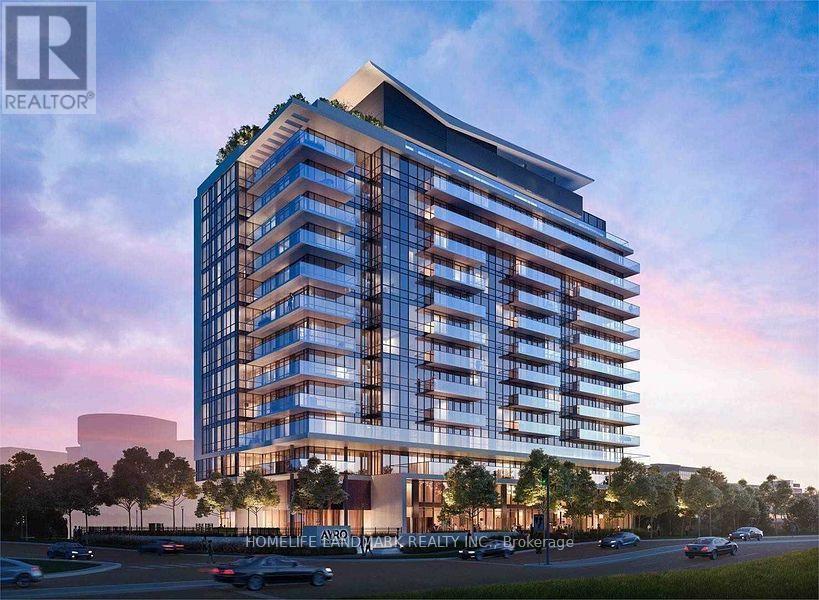 For Rent
 For Sale
 For Rent
 For Sale